The Power of Breath: Simple Breathing Exercises to Reduce Anxiety
😊 Conquer daily stress with our anxiety relief breathing exercises! Learn simple techniques to quickly reduce anxiety and boost focus, reclaiming your…
Read article
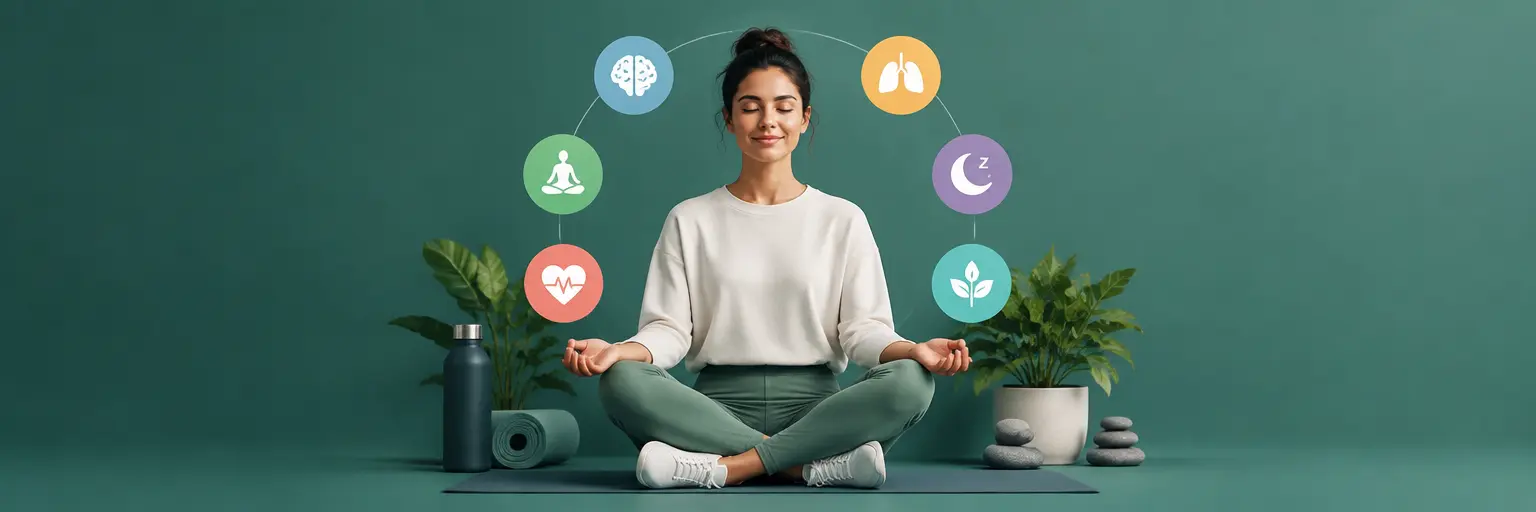
Unlock a calmer, sharper you with game-changing stress management techniques that fit seamlessly into your busy day. Discover quick, science-backed mental wellness hacks—from 60-second breathing resets to cognitive reframing tricks—that slash anxiety, boost focus, and protect your energy. These practical, low-effort strategies turn chaos into clarity, helping you master overwhelm without adding extra hours to your schedule. Perfect for overachievers, parents, and professionals, these smartly engineered routines transform everyday pressure into productivity fuel. Stop surviving, start thriving—reclaim your peace in minutes, not months.

😊 Conquer daily stress with our anxiety relief breathing exercises! Learn simple techniques to quickly reduce anxiety and boost focus, reclaiming your…
Read article
😊 Conquer stress naturally! Discover anxiety-reducing foods for stress relief, boosting your mood and productivity. This diet optimizes your daily routine by…
Read article
😊 Conquer daily stress and unlock your potential! Learn practical techniques to manage stress effectively, transforming anxiety into productive energy and optimizing…
Read articleStress is an unavoidable part of modern life, but how you manage it can make or break your productivity, health, and overall happiness. In this subcategory, you’ll discover science-backed, quick-to-implement mental wellness hacks that reduce anxiety, boost emotional resilience, and help you reclaim calm even on chaotic days. From breathing techniques to digital detoxes, these stress management strategies are designed for busy individuals who want immediate relief and long-term balance—without sacrificing time or energy.
When stress spikes, your nervous system shifts into fight-or-flight mode. Simple yet powerful breathing exercises like the 4-7-8 method or box breathing can activate your parasympathetic system within minutes, lowering cortisol and heart rate. These hacks require no equipment and can be done discreetly at your desk, in traffic, or before an important meeting. Pair them with micro-mindfulness practices—like the 5-4-3-2-1 grounding technique—to anchor your mind in the present moment and interrupt anxious thought loops.
Beyond immediate relief, regular mindfulness practice rewires your brain for greater emotional regulation. Even five minutes of daily guided meditation using apps like Headspace or Calm can reduce chronic stress symptoms by up to 30%. The key is consistency, not duration. You’ll learn to identify your personal stress triggers and respond with intentional calm rather than reactive panic, turning these hacks into lifelong habits that improve focus and sleep quality.
Constant notifications, social media scrolling, and email pings are silent stress amplifiers. A structured digital detox—even for 30 minutes a day—can dramatically lower your anxiety levels. Start by turning off non-essential alerts, setting “no-phone” zones (like the bedroom or dinner table), and scheduling tech-free breaks every 90 minutes. This reduces cognitive load and gives your brain the downtime it needs to process information and recharge.
Your phone is designed to keep you hooked, so intentional boundaries are your best defense. Try the 20-20-20 rule: every 20 minutes, look 20 feet away for 20 seconds to reset your eyes and mind. Also, replace passive scrolling with active hobbies—reading, journaling, or walking without headphones—to stimulate creativity and lower stress hormones. These hacks help you regain control over your attention, making you more productive and less mentally exhausted by day’s end.
Exercise is one of the most effective stress management techniques, but you don’t need an hour at the gym. Micro-workouts—like 10-minute brisk walks, stair climbing, or desk stretches—release endorphins, the body’s natural mood elevators, and clear cortisol buildup. Even a few minutes of high-intensity interval training (HIIT) can trigger a relaxation response that lasts hours, improving both mental clarity and physical energy.
Incorporate movement into your daily routine by using a standing desk, taking phone calls while walking, or doing a quick yoga flow before bed. The key is matching the activity to your stress type: high-intensity workouts for pent-up frustration, gentle stretching for exhaustion, and rhythmic movements like swimming or cycling for racing thoughts. Over time, these physical hacks build a stronger mind-body connection, making you less reactive to stressful situations and more resilient to daily pressures.
Your thoughts shape your stress response. Cognitive reframing techniques—like cognitive behavioral therapy (CBT) methods—help you identify and challenge irrational, anxiety-provoking beliefs. For example, instead of thinking “I’ll never finish this project,” reframe to “I’ll complete it one task at a time, and I’ve handled similar challenges before.” This simple shift reduces perceived threat and boosts problem-solving ability. Writing down your stressors and then rephrasing them in a neutral or positive light is a powerful journaling hack.
Another effective tool is the “worst-case scenario” analysis. Ask yourself: What’s the worst that can happen? How likely is it? What would you do then? This perspective-taking reduces fear of failure and helps you focus on actionable steps. Additionally, practicing gratitude—listing three things you’re thankful for each morning—shifts your brain’s negativity bias toward positivity, lowering baseline stress levels. These psychological hacks empower you to become your own mental coach, turning stressful events into growth opportunities rather than threats.
Poor sleep and stress create a vicious cycle: stress disrupts sleep, and sleep deprivation amplifies stress. Hack your bedroom environment for deep rest by keeping it cool (65-68°F), dark, and quiet. Use blackout curtains, white noise machines, or earplugs if needed. Establish a consistent sleep schedule, even on weekends, and avoid screens at least 60 minutes before bed. Instead, engage in relaxing rituals like reading, taking a warm bath, or practicing progressive muscle relaxation—tensing and releasing each muscle group.
Nutrition also plays a role: reduce caffeine after 2 PM, avoid heavy meals late at night, and consider magnesium-rich foods like almonds or leafy greens that promote relaxation. If you wake up with racing thoughts, keep a notepad by your bed to jot down worries, then mentally “shut the door” on them until morning. These recovery hacks improve sleep quality by up to 40%, boosting your ability to handle stress during waking hours. Remember, a well-rested brain is more resilient, focused, and emotionally stable.
Your environment and relationships heavily influence your stress levels. Create a “calm corner” at home or work—a designated spot with plants, soothing colors, and soft lighting where you can retreat for 5-minute resets. Surround yourself with supportive people who validate your feelings, but also practice saying “no” to unnecessary commitments that drain your energy. Implement the “circle of control” technique: focus only on what you can change, and let go of the rest.
Humans thrive on connection, so schedule regular in-person catch-ups with friends or join a hobby club to combat isolation, a major stress contributor. Additionally, use your physical environment to cue relaxation: keep stress-relief tools like stress balls, lavender essential oil, or noise-canceling headphones handy. Even small changes—like decluttering your workspace or adding a diffuser—can reduce visual noise and mental clutter. These social and environmental hacks create a supportive ecosystem that naturally lowers daily stress, making wellness feel effortless rather than forced.
Breathing and grounding techniques provide immediate relief within 2-5 minutes. For chronic stress, noticeable improvements in anxiety levels and sleep quality typically appear after 1-2 weeks of consistent practice. Cognitive reframing and gratitude habits may take 3-4 weeks to rewire thought patterns, but you’ll feel a shift in perspective sooner—often within days of daily journaling.
No, start with 2-3 hacks that resonate most with your lifestyle. The goal is consistency, not perfection. Focus on one breathing technique, one digital detox rule, and one physical activity. Once these become habits, gradually add more. Tailor the hacks to your schedule—even 10 minutes a day can make a meaningful difference in your stress levels.
These hacks are excellent complementary tools for anxiety, but they are not a substitute for professional treatment. If you have a diagnosed anxiety disorder, use these techniques alongside therapy or medication as advised by your healthcare provider. Mindfulness and CBT-based reframing have strong evidence for reducing anxiety symptoms, but consult a professional for severe cases.
Micro-hacks are designed for busy schedules. Even 1-minute breathing exercises, 3-minute stretching, or a 5-minute walk can interrupt stress cycles. Combine these with “stacking” habits—like doing deep breathing while waiting for coffee or stretching during TV commercials. Small, frequent interventions are more sustainable than rare, long sessions.
If stress causes persistent sleep disturbances, panic attacks, inability to function at work or home, or feelings of hopelessness for over two weeks, seek help from a mental health professional. These hacks are for everyday stress management; they do not replace therapy, medication, or crisis support. You deserve proper care when symptoms interfere with daily life.