The Ultimate Sleep Environment Checklist: Ensure You're Getting the Best Rest
😴 Optimize your sleep environment for peak performance! This checklist tackles temperature, noise, light, and more, ensuring you wake refreshed and ready…
Read article
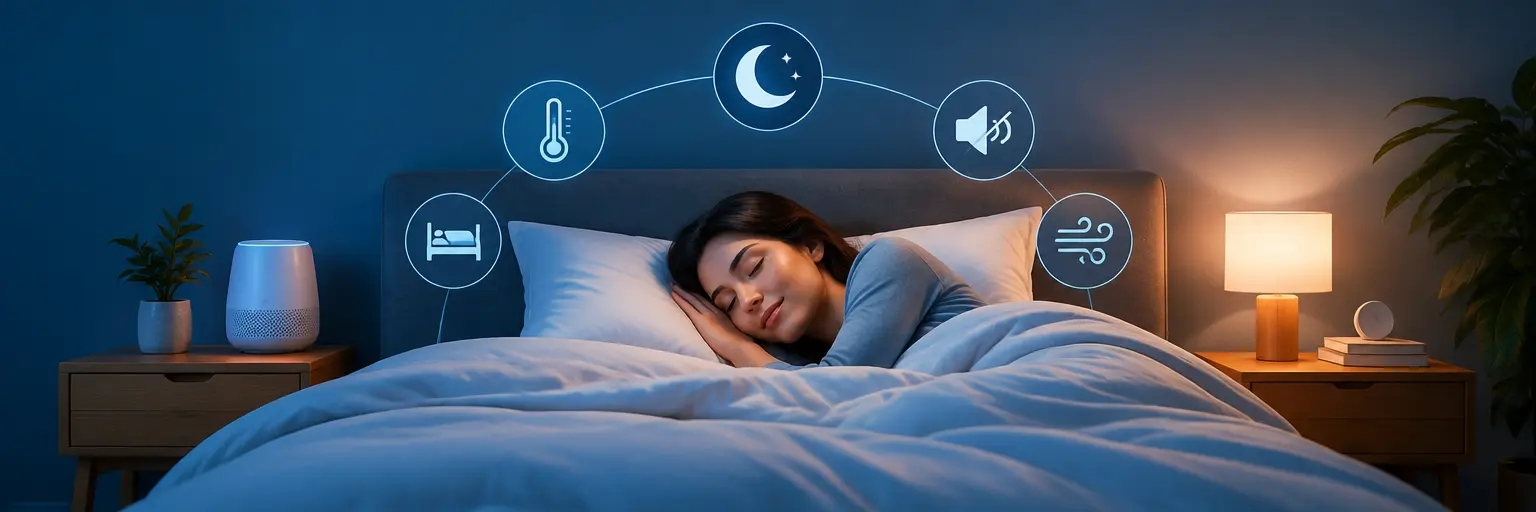
Transform your nights with science-backed sleep hacks that turn your bedroom into a restoration sanctuary. Discover how light, temperature, and noise control—plus simple tweaks to your mattress, pillows, and blackout curtains—can dramatically cut the time it takes to fall asleep and boost deep REM cycles. From smart device placement and aromatherapy diffusers to cooling bedding and white noise machines, these actionable tips help you eliminate sleep stealers without expensive gadgets. Optimize your circadian rhythm, reduce blue light exposure, and craft a pre-sleep ritual that signals your brain it’s time to power down. Whether you’re a light sleeper or a shift worker, these energy-boosting environment tweaks are designed to improve sleep quality, morning alertness, and overall productivity. Wake up refreshed, focused, and ready to conquer your day with these proven, low-effort upgrades for your sleep space.
😴 Optimize your sleep environment for peak performance! This checklist tackles temperature, noise, light, and more, ensuring you wake refreshed and ready…
Read article
😊 Conquer restless nights! This guide reveals simple, adaptable sleep hygiene essentials to improve sleep hygiene anywhere, boosting productivity and well-being through…
Read article
😊 Struggling to sleep? Learn how to effectively block light to improve sleep quality. This article provides expert tips and practical hacks…
Read articleYour bedroom is more than just a place to crash—it’s the command center for your physical recovery, mental clarity, and emotional resilience. At UltimateLifeHacks, we believe that optimizing your sleep environment is the single most underrated productivity tool, because better rest directly translates to sharper focus, faster problem-solving, and higher energy throughout your day. This subcategory dives into actionable, science-backed sleep hacks that transform any ordinary room into a sanctuary for deep, uninterrupted slumber. From light manipulation to temperature control, we cover every variable you can control, so you wake up feeling like you’ve actually recharged.
Your body’s core temperature naturally drops by 1–2 degrees Fahrenheit to initiate and maintain deep sleep. If your room is too warm or too cold, your brain fights your internal thermostat, causing restless tossing and turning. The optimal sleep range is 60–67°F (15–19°C), and even a 2-degree difference can delay sleep onset by up to 20 minutes. Start by adjusting your thermostat, then layer your bedding strategically—use breathable cotton or bamboo sheets, and keep a thin extra blanket at the foot of the bed so you can self-regulate without fully waking.
Beyond the basics, consider a chilipad or cooling mattress topper if you tend to run hot at night. Alternatively, take a warm bath 90 minutes before bed—the subsequent drop in core temperature signals your brain to release melatonin. Even something as simple as cracking a window for fresh air circulation can improve oxygen flow, reducing nighttime awakenings. Track your sleep quality for a week to find your personal sweet spot, because temperature preferences are as unique as fingerprints.
Light is the most powerful external cue for your circadian rhythm. Blue light from screens, streetlights, or even a charging LED can suppress melatonin production by up to 50%, delaying your sleep cycle and reducing deep REM stages. The ultimate hack is to engineer total darkness with blackout curtains, or wear a comfortable silk eye mask if you travel or share a room. Replace any bedside digital clocks with an analog model, and cover any tiny indicator lights with electrical tape—these small glows are surprisingly disruptive.
In the hour before bed, dim your overhead lights to 30% brightness or switch to red-amber bulbs, which have a low impact on melatonin. If you must use your phone, activate its night mode and drop brightness to the minimum. Also, expose yourself to natural morning sunlight within 30 minutes of waking—this anchors your circadian rhythm so your body knows exactly when to start winding down at night. For shift workers, use blue-blocking glasses in the evening to mimic a sunset signal, even when the environment isn’t cooperating.
Unexpected noises—a car horn, a neighbor’s TV, or your own partner’s snoring—can yank you from deep sleep without you even remembering it. The hack is to mask disruptive sounds with continuous, low-level background noise. White noise (like a fan) works for many, but pink noise (deeper, like rainfall) has been shown in studies to increase slow-wave sleep duration by 20%. You can use a dedicated noise machine, a free smartphone app, or a simple box fan—the key is consistency, so your brain learns to tune it out entirely.
If you prefer near-silence, invest in foam earplugs designed for sleep—they’re soft, moldable, and block up to 32 decibels. Alternatively, consider acoustic panels or heavy rugs to absorb echo and footstep sounds. For those with noise-sensitive partners, use separate blankets or even a room divider to create a personal acoustic bubble. Track your awakenings for a few nights to identify if you’re a light sleeper, then experiment with different frequencies. Just remember: the goal isn’t to drown out the world, but to create a predictable auditory environment that lets your brain switch off.
Your mattress is the foundation of your sleep, but you don’t need a $5,000 luxury model to optimize it. The real hack is matching your support level to your sleep position. Side sleepers need a medium-soft mattress that cushions hips and shoulders; back sleepers benefit from medium-firm to maintain spinal alignment; stomach sleepers need firm support to prevent lower back strain. If you can’t replace your mattress, use a high-density foam topper (2–3 inches) to adjust firmness without breaking the bank.
Your pillow is equally critical—it should fill the gap between your shoulders and head so your neck stays neutral. A good rule: your pillow’s loft should equal the distance from your ear to the outside of your shoulder. Also, wash your bedding weekly in hot water to reduce allergens like dust mites, which can cause subtle nighttime congestion. Finally, consider silk or satin pillowcases—they reduce friction on your hair and skin, but more importantly, they’re cooler than cotton, helping with temperature regulation. Rotate your mattress every three months to prevent sagging and extend its life.
Your environment isn’t just what you see and hear—it’s also what you smell and mentally associate with sleep. Aromatherapy is a powerful hack because scent bypasses the logical brain and directly stimulates the limbic system, which controls relaxation. Lavender is the gold standard—multiple studies show it increases slow-wave sleep and reduces early waking. Use a diffuser with 3–4 drops of pure lavender oil, or mist a pillow spray made with distilled water and a few drops of chamomile or valerian root extract.
Beyond scent, create a consistent pre-sleep ritual that begins 30–45 minutes before bed: dim lights, put on comfortable sleepwear, and do a 5-minute gentle stretch or breathing exercise. This sequence becomes a psychological trigger that tells your brain “sleep is coming.” Also, declutter your nightstand—a messy, visually stimulating area can keep your mind racing. Instead, keep only a book, a glass of water, and a journal for late-night worries. The goal is to make your bedroom feel like a sacred retreat, not an extension of your workday or living room.
The most overlooked sleep hack is removing technology from the bedroom entirely. Even with blue light filters, the cognitive stimulation from notifications, emails, or social media keeps your brain in a hypervigilant state. The hardline hack is to charge your phone in another room and use a dedicated, non-smart alarm clock. If you must keep your phone nearby for emergencies, set it to airplane mode and bury it in a drawer—just seeing the screen light up can spike cortisol and disrupt your sleep architecture.
Additionally, avoid using your bed for anything other than sleep and intimacy. If you work, watch TV, or scroll in bed, your brain associates that space with alertness. Replace this by designating a wind-down corner with a comfortable chair and a warm lamp for reading or journaling. For the last 10 minutes before bed, practice “brain dumping”—write down every pending task or worry, so your mind can release it. This simple act reduces nighttime anxiety and helps you fall asleep 15–20% faster according to sleep clinicians.
Most people notice a 15–20% improvement in sleep quality within 3–5 nights of changes like blackout curtains or temperature adjustment. However, emotional and cognitive benefits—like better memory consolidation—may take 2–3 weeks to become apparent because your body needs consistent cues to recalibrate its circadian rhythm. Be patient and change one variable at a time for accurate tracking.
Yes, a weighted blanket (10–12% of your body weight) can be a powerful hack for reducing nighttime anxiety and promoting deep pressure tactile stimulation. It works best for side and back sleepers, but avoid it if you have respiratory or circulation issues. Ensure it’s breathable and not too warm, and pair it with a cooling mattress topper for optimal results.
Amber, orange, or red light is ideal because these wavelengths have the lowest effect on melatonin suppression. Avoid blue, white, or green lights, which trick your brain into thinking it’s daytime. Use a smart bulb that can be set to a warm 2700K or lower, or a dim red salt lamp. Place the light low to the ground and far from your bed if possible.
Fresh air flow can improve oxygen exchange and regulate humidity, but only if outdoor noise and allergens aren’t a problem. Crack the window 1–2 inches if your room is stuffy, but use a fine mesh screen to keep out mosquitoes. For urban areas, a HEPA air purifier can provide cleaner air without the noise and security concerns of an open window.
Lie on your side and have someone check if your neck is aligned with your spine (a straight line from your ear to your shoulder). If your pillow pushes your head up, it’s too high; if your neck bends down, it’s too low. For back sleepers, the pillow should be thin enough to keep your chin slightly tucked, not jutting up. Replace any pillow that’s more than 18 months old—they lose 50% of their support.