How to Create a Relaxing Bedtime Routine: Unwinding Before Sleep
😊 Transform sleepless nights into restful slumber with a relaxing bedtime routine for sleep. This simple guide offers practical steps to unwind…
Read article
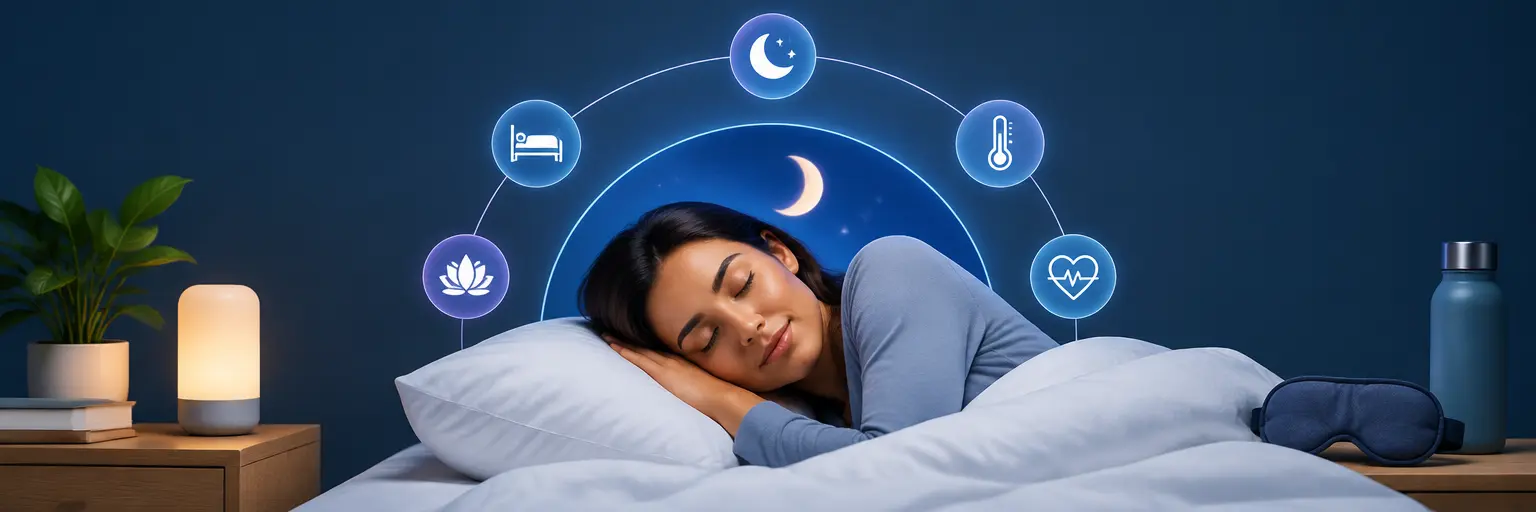
Discover clever sleep hacks that transform your nights from restless to restorative with minimal effort. These science-backed, practical strategies are designed to help you fall asleep faster, stay asleep longer, and wake up feeling genuinely refreshed—without expensive gadgets or complex routines. From optimizing your bedroom environment and mastering relaxation techniques to aligning your circadian rhythm with simple daily tweaks, these tips tackle the root causes of poor sleep. Whether you’re battling insomnia, jet lag, or just the 3 p.m. slump, our curated hacks save you time and frustration by delivering quick, actionable fixes you can implement tonight. Prioritize your health and productivity by unlocking deeper, more efficient sleep—because better rest means sharper focus, higher energy, and a smoother daily routine. Sleep smarter, not harder, and experience the ultimate upgrade to your wellness journey.
😊 Transform sleepless nights into restful slumber with a relaxing bedtime routine for sleep. This simple guide offers practical steps to unwind…
Read article
🛀 Soothe away daily stress and unlock deeper sleep with a relaxing bath before bed. This simple ritual melts muscle tension, calms…
Read article
😊 Unlock your productivity potential! A consistent sleep routine isn't just about better rest; it significantly boosts focus and efficiency. Discover how…
Read article
🤔Unlocking the secrets of sleep architecture can dramatically improve sleep quality fast. Understanding REM, light, and deep sleep stages empowers you to…
Read article
😊Unlock peak productivity! A consistent bedtime dramatically improves sleep quality, boosting energy and focus. Regular sleep enhances efficiency and streamlines your daily…
Read articleWelcome to the Sleep Hacks subcategory at UltimateLifeHacks, where practical, science-backed strategies meet everyday simplicity. Here, we focus on optimizing your nightly routine to boost energy, mental clarity, and overall health—without expensive gadgets or rigid schedules. You’ll find actionable tips to fall asleep faster, stay asleep longer, and wake up refreshed. Whether you’re battling insomnia, jet lag, or simply want deeper rest, these hacks are designed to slot seamlessly into your busy life, saving you time and improving your daily output.
Your bedroom is your sleep sanctuary, and small tweaks can yield massive dividends. Start by blackout curtains or a quality sleep mask to block disruptive light, which suppresses melatonin production. Next, aim for a cool room temperature—around 65°F (18°C)—as your body needs to drop its core temperature to initiate sleep. Reduce noise with white noise machines or earplugs, and consider removing electronic devices that emit blue light. Even simple changes like using blackout tape on LED clocks or switching to warm-toned bulbs can signal your brain that it’s time to wind down.
Beyond light and sound, declutter your mental space by keeping your bed for sleep only, not work or scrolling. Invest in a supportive mattress and pillow that align your spine, and wash sheets weekly in fragrance-free detergent to avoid allergic awakenings. A consistent, tidy environment tells your subconscious it’s safe to let go. If you share a bed, negotiate temperature and noise preferences with a partner to avoid compromise. These environmental tweaks cost little but often deliver the most dramatic improvements in sleep quality, making them the first step in any sleep hack arsenal.
Your circadian rhythm runs on a 24-hour cycle, and syncing your sleep schedule to it is a powerful hack. Try to wake up at the same time every day, even on weekends, to anchor your internal clock. Expose yourself to natural sunlight within 30 minutes of waking—this stops melatonin production and boosts cortisol for alertness. In the evening, dim lights and avoid bright screens two hours before bed. Napping? Keep it under 20 minutes and before 3 PM to avoid stealing nighttime sleep pressure. These habits retrain your brain, making falling asleep feel automatic.
Another timing hack involves strategic caffeine cutoff. Caffeine’s half-life is about 5-6 hours, so consuming coffee after 2 PM can disrupt sleep even if you don’t feel wired. Similarly, heavy meals and intense workouts near bedtime ramp up your heart rate and digestion, delaying rest. Instead, schedule dinner at least three hours before sleep and save vigorous exercise for morning or afternoon. For shift workers, use blackout shades and a fixed pre-sleep routine to fake nighttime. Consistency beats intensity here—even a 20-minute daily shift in sleep time can be adjusted gradually by 15-minute increments to avoid grogginess.
Mental chatter is the #1 killer of sleep. One effective hack is the “brain dump”: spend five minutes before bed writing down every worry, task, or idea on paper, then label the list as “handled.” This offloads cognitive load, tricking your brain into releasing control. Another proven method is 4-7-8 breathing—inhale for 4 seconds, hold for 7, exhale for 8—which triggers the parasympathetic nervous system to lower heart rate. Practice this in bed for two cycles, and you’ll feel a physical relaxation wave.
For repetitive thoughts, use the “cognitive shuffle”: think of random, unemotional words like “apple, bicycle, mountain” until your brain tires of associating them. This disrupts the pattern of anxious rumination. Similarly, progressive muscle relaxation—tensing and releasing each muscle group from toes to head—shifts focus away from thoughts to bodily sensations. If you wake up at 3 AM, avoid checking the clock; instead, keep your eyes closed and repeat a calming phrase like “rest is enough.” These tricks work because they replace active worrying with passive, monotonous tasks, making sleep a natural byproduct.
What you consume in the hours before bed can make or break your rest. Magnesium-rich foods like almonds, spinach, or a small banana can relax muscles and nervous system. Pair them with tryptophan sources—turkey, yogurt, or oats—which convert to serotonin and melatonin. Avoid sugar spikes from desserts, as they cause blood sugar crashes that trigger middle-of-the-night awakenings. A small, balanced evening snack (e.g., whole-grain crackers with cheese) can promote uninterrupted sleep, but keep portions tiny to avoid reflux.
Hydration timing matters: drink water consistently during the day but sip small amounts post-dinner to prevent bladder awakenings. Herbal teas like chamomile, valerian root, or peppermint are gentle sleep aids, but skip anything with caffeine or alcohol. Alcohol may make you drowsy, but it fragments sleep and suppresses REM, leaving you groggy. Instead, try a warm glass of milk with a dash of nutmeg—an old-school hack that works. For late-night cravings, opt for a few cherries, which naturally contain melatonin. These food tweaks are subtle but cumulative, improving sleep quality without relying on supplements or prescriptions.
While screens are often blamed, technology can also be your sleep ally if used wisely. Use blue light filters on your phone or install apps like f.lux that automatically shift screen warmth after sunset. Set a digital curfew 60 minutes before bed, but if you must scroll, switch to e-ink readers or apps that display only black and white. Sleep tracking apps (e.g., Sleep Cycle) can identify your lightest sleep phase to wake you gently, avoiding grogginess. However, don’t obsess over data—use it as a trend, not a judge.
Consider white noise or nature sound machines to mask traffic or partner snoring, but keep volume low (under 50 dB). For snoring or sleep apnea, consult a professional, but a simple nasal strip can improve airflow. Wearable sleep trackers (like Fitbit) are useful for monitoring trends, but avoid checking them in the middle of night—that’s a mental trap. Finally, use smart plugs to automate lamps that dim, or place your phone across the room to prevent late-night browsing. The goal is to use tech as a one-way street: it informs and supports you, but never invites active engagement that delays sleep.
Not everyone has hours to craft a perfect sleep ritual. For busy professionals, “power down” micro-rituals work wonders: set a timer for five minutes of stretching, wash your face, and read one page of a physical book. Even these tiny anchors signal your brain to slow down. For chronic short sleepers, strategic napping (20 minutes, followed by a splash of cold water) restores alertness without ruining nighttime sleep. If you’re a parent, coordinate with your partner to split night duties so each gets a block of uninterrupted hours.
Traveling? Use melatonin supplements (0.5–3 mg) to reset your jet lag, but start two days before your flight. On arrival, seek natural light in the morning and avoid heavy meals at night. Bring a travel pillow and earplugs, but also download a sleep story or guided meditation MP3—your brain responds to familiar audio. For shift workers, maintain dark, cool sleeping quarters and use a sleep mask even if the sun is up. Remember, perfection isn’t required; even a 10% improvement in sleep duration or quality translates to better focus, mood, and productivity the next day.
Most environmental and timing changes show improvements within 3-7 days, as your circadian rhythm recalibrates. Cognitive tricks like breathing or brain dumps often work instantly for it’s first use. However, deeper habits like food adjustments may take two weeks to notice a shift. Consistency is key—pick two or three hacks and stick to them for at least 10 nights before evaluating.
Yes, but they are complementary, not a replacement for professional care. For chronic insomnia, cognitive behavioral therapy for insomnia (CBT-I) is gold standard, and many hacks (e.g., stimulus control, sleep restriction) align with it. Start with one hack at a time, avoid self-medicating, and consult a doctor if symptoms persist beyond four weeks.
Regular wake-up time is the most powerful, because it anchors your circadian rhythm more than bedtime. If you wake up at the same hour daily, your body will naturally feel sleepy at the correct night-time. Pair it with morning sunlight exposure for a one-two punch. All other hacks amplify this base habit.
Yes, most sleep apps are safe as long as you don’t fixate on data, which can cause “orthosomnia” (obsessing over perfect sleep). Use them for trends, not judgments. Avoid apps with bright interfaces at night—enable dark mode. They’re especially helpful for identifying wake-up times in light sleep, but don’t replace medical-grade devices for diagnosing sleep apnea.
Diet alone rarely fixes serious sleep disorders, but it can significantly improve sleep quality. Key gaps—like magnesium, vitamin D, or omega-3—can impair sleep. A balanced diet with fewer processed foods and caffeine often resolves mild sleep latency. For severe issues, pair dietary changes with sleep hygiene and medical advice, since nutrient deficiencies are just one piece of the puzzle.