Busy But Fit: How to Build a Sustainable Fitness Routine Around Your Schedule
😊 Juggling a demanding job and a social life? Discover how to create a truly sustainable busy schedule fitness routine. We reveal…
Read article
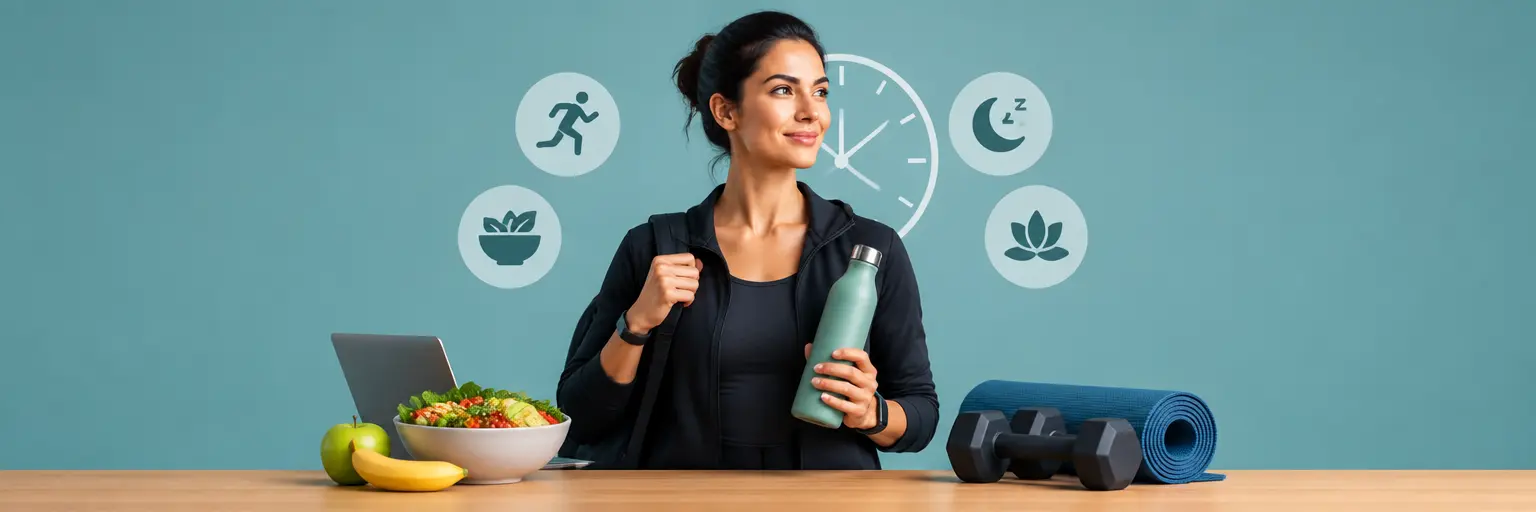
Discover time-efficient fitness hacks that fit seamlessly into your packed schedule, no gym required. From 5-minute micro-workouts to desk-side stretches and smart meal-prep shortcuts, these healthy habits are designed for busy professionals, parents, and hustlers. Learn how to turn everyday moments—like waiting for coffee or commuting—into calorie-burning opportunities, while prioritizing consistency over perfection. Unlock practical strategies to boost energy, reduce stress, and sustain momentum without overhauling your entire day. Your health doesn’t need hours; it needs smart, actionable steps. Start optimizing now!

😊 Juggling a demanding job and a social life? Discover how to create a truly sustainable busy schedule fitness routine. We reveal…
Read article
🤔 Transform your hectic schedule with our busy person fitness hacks! This guide reveals simple, time-saving strategies to seamlessly integrate exercise into…
Read article
🤔 Unlock your peak performance! Discover how regular exercise boosts productivity and efficiency, transforming your daily routine. Simple workouts yield significant time-saving…
Read articleJuggling a packed schedule often pushes fitness to the back burner, but staying fit with limited time is entirely achievable with the right strategies. This subcategory on UltimateLifeHacks focuses on micro-workouts, smart nutrition shortcuts, and energy-boosting routines that seamlessly integrate into a hectic day. You’ll discover how to transform spare minutes into powerful health wins—no gym membership or 2-hour blocks required. These are practical, evidence-based hacks designed for professionals, parents, and anyone who thinks “I’m too busy” to prioritize their well-being. Let’s unlock your efficient path to vitality.
When time is scarce, HIIT delivers maximum cardiovascular and metabolic benefits in minimal minutes. Expect to learn quick circuits like 30-second sprints, jumping jacks, or bodyweight squats alternated with brief rests. These sessions torch calories, boost endurance, and elevate your heart rate faster than steady-state cardio, making every second count. Evidence suggests even three 10-minute HIIT sessions weekly can improve insulin sensitivity and aerobic capacity. You’ll get tiered routines—beginner (low-impact), intermediate, and advanced—that require zero equipment, perfect for a living room or hotel room. Short on time but craving results? HIIT is your golden ticket.
We’ll also cover how to avoid common pitfalls, like poor form under fatigue, and when to schedule these bursts—ideally before work or during lunch breaks. You’ll find a simple “no-excuse” timer method to structure intervals without apps, plus recovery hacks to prevent soreness. This section transforms the excuse of “no free hour” into a reality of “I just finished a fat-burning session during my coffee order.” Effective, scalable, and relentless in its efficiency, HIIT aligns perfectly with your constrained calendar.
Nutrition is the unsung hero of staying fit, and busy individuals often fail here due to convenience foods. This section reveals grab-and-go meal prep strategies that take under 30 minutes per week. You’ll master batch-cooking proteins like grilled chicken or tofu, pre-chopping veggies, and portioning healthy grains into containers. The goal is to create balanced plates that require zero daily decision-making, thus preventing impulsive fast-food stops. We also dive into smart snacking—think Greek yogurt with berries, trail mix with dark chocolate, and pre-cut apple slices with almond butter—that stabilizes blood sugar and curbs cravings between meetings.
Expect practical storage tips (e.g., glass jars, silicone bags) and a “three-bag system” for your work bag, gym bag, and car. We tackle the mental barrier of meal prep by offering a fun “theme night” rotation—Mediterranean Monday, Taco Tuesday—to keep meals exciting. Additionally, you’ll learn to read labels efficiently for hidden sugars and choose protein bars with minimal junk. With this hacks, eating healthy becomes as automatic as brushing your teeth, even when your calendar runs nonstop.
Fitness isn’t just about activity; it’s about recovery and energy management. For busy people, sleep often suffers, leading to poor workout performance and weight gain. This subcategory highlights micro-recovery techniques—like power naps (10-20 minutes) and “breath breaks” that reset your nervous system. You’ll learn how to design a wind-down routine that works even in a 15-minute window before bed, including temperature control, blackout shades, and white noise apps. We also address the caffeine timing trap: avoiding coffee after 2 PM to protect deep sleep, while using short morning light exposure to set your circadian rhythm.
Further, we explore “active recovery” hacks—like walking meetings or stretching while on phone calls—that increase daily movement without extra time. We’ll show you how to track sleep cycles with simple wearable data, yet avoid over-obsessing. These strategies ensure your body repairs and adapts, so you can hit the gym harder even with limited sessions. Energy is your currency; this section teaches you to invest it wisely, preventing burnout and making your fitness efforts far more effective.
If you’re chained to a desk for 8+ hours, you can still accumulate meaningful fitness. This section introduces “deskercises” that target posture, core stability, and leg strength without leaving your chair. Examples include seated leg lifts, shoulder blade squeezes, and under-desk glute contractions. Set a timer every 45 minutes for a 2-minute movement burst—step away to do calf raises, wall push-ups, or squats by your desk. Such micro-sessions improve circulation, reduce back pain, and add up to 100+ calories burned daily. We also suggest using a standing desk converter or balance board to activate muscles during typing.
You’ll get a printable “movement bingo” chart with fun challenges like “do 10 lunges during your coffee break” or “take stairs to the 3rd floor twice.” These small wins build momentum and prove that fitness is possible even in a sedentary job. Best of all, these breaks enhance focus—research shows brief physical activity boosts cognitive performance. Pair these with a stretching routine for hip flexors and hamstrings, offsetting the desk crouch. Your workplace becomes a gym, and productivity climbs alongside your health.
Technology can be your ally in staying fit, but only if used correctly. This section reviews the best free apps for quick workouts (e.g., 7-minute workouts), fitness trackers, and habit reminder tools. You’ll learn to “stack” new fitness habits onto existing ones—for example, doing 20 push-ups after brushing your teeth or stretching during your morning coffee brew. This psychological trick leverages the brain’s autopilot, making consistency effortless. Set micro-goals like “walk 5,000 steps by noon” and pair them with a phone notification plus a visual tracker (like a calendar sticker) to gamify progress.
We also caution against app overload—choose one and commit for 30 days. Include social accountability: share your step count with a friend or join a virtual challenge. You’ll discover how to automate reminders for water intake and post-lunch walks, turning intentions into actions. By blending tech with behavioral science, you create a system that fights procrastination daily. This approach turns “I’ll work out tomorrow” into “I just did my 5-minute core routine,” proving that tiny, consistent actions yield substantial long-term results.
Yes, absolutely. Fifteen minutes of high-intensity interval training (HIIT) or bodyweight strength work, performed 4-5 times per week, can significantly improve cardiovascular fitness, muscle tone, and weight management. The key is intensity—you must push yourself to near maximum effort during those short bursts. Pair this with daily walking and smart nutrition, and you’ll outpace many gym-goers who train longer but less effectively. Consistency beats duration.
Consider “prep-less” shortcuts: buy frozen vegetables, pre-cooked rotisserie chicken, canned beans, and pre-washed salad mixes. You can assemble a healthy meal in 5 minutes by combining these ingredients. Also, cook double portions on weeknights and refrigerate leftovers for lunch the next day. Another hack is to create a “emergency snack pack” with nuts, seeds, and dried fruit to avoid vending machine temptations. Small weekly investments of 15-20 minutes keep you on track.
Start with low-impact variations and gradually increase intensity over two weeks. Always warm up for 2-3 minutes with dynamic stretches like arm circles or marching in place. Hydrate well, and consider a gentle post-workout stretch focusing on the muscles you used. If soreness occurs, light movement (like walking) helps recovery, and Epsom salt baths can soothe muscles. Listen to your body—take an extra rest day if needed, but don’t skip workouts entirely.
Choose the time you can stick to consistently. Morning workouts boost metabolism and set a positive tone, but require waking earlier. Lunch breaks are great for a mood lift and breaking the sedentary cycle, but ensure you have a 30-40 minute window including shower time. Evening workouts can relieve stress but may interfere with sleep if done too intensively within 2 hours of bedtime. Test both for a week each and monitor energy levels.
Resistance bands are cheap, versatile, and perfect for strength training anywhere. A jump rope offers cardio with minimal space. Adjustable dumbbells or kettlebells provide progressive overload—start with a pair of 5-10 kg. A yoga mat protects joints and enables floor exercises. For tracking, your smartphone’s timer and step counter suffice. Avoid expensive gadgets; proper form and consistency matter far more than equipment.