Closet Chaos to Calm: Simple Steps for an Organized Life
😊 Conquer closet chaos and reclaim your mornings! Learn simple, practical steps to organize your closet efficiently, saving you valuable time and…
Read article
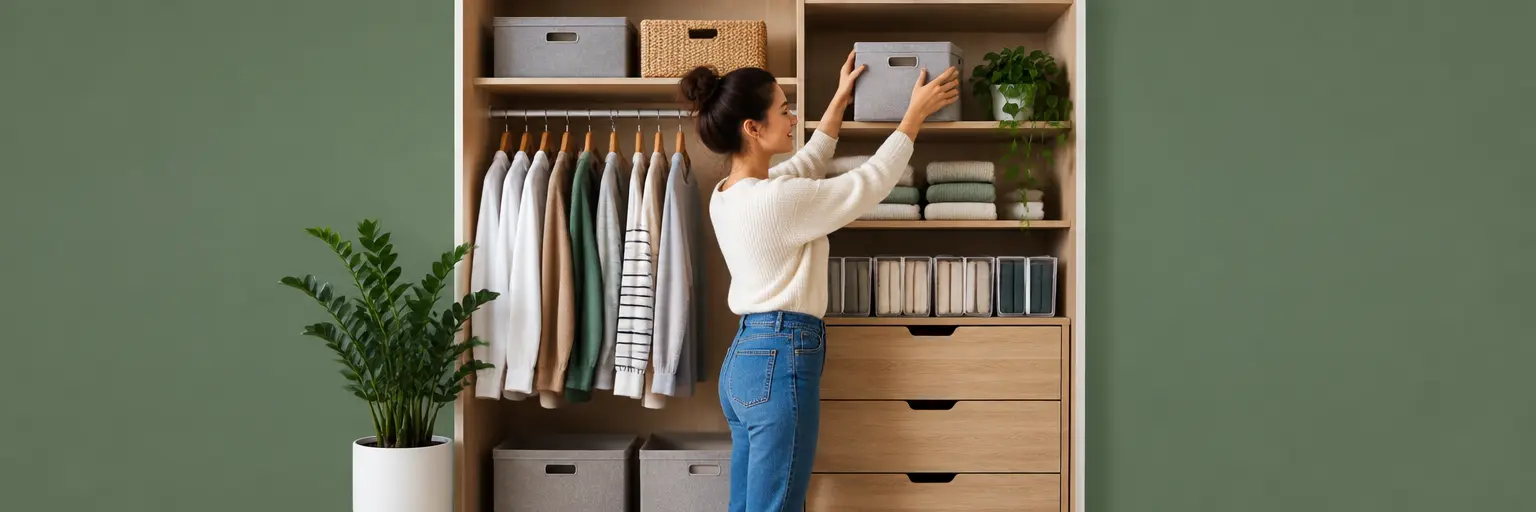
Transform your chaotic closet into a streamlined sanctuary with smart, space-saving strategies that turn daily dressing into a breeze. From vertical storage solutions and categorization systems to decluttering hacks that maximize every inch, these practical tips help you find what you need in seconds, reduce morning stress, and reclaim valuable square footage. Whether you’re tackling a tiny reach-in or a sprawling walk-in, learn how to sort by season, color, or frequency of use, implement over-the-door organizers, shelf dividers, and drawer inserts, and adopt maintenance routines that keep order lasting. Save time, boost efficiency, and enjoy a calmer, more productive home with these closet organization hacks designed for real life.
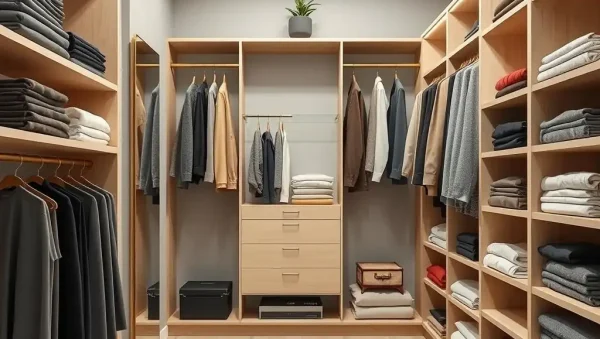
😊 Conquer closet chaos and reclaim your mornings! Learn simple, practical steps to organize your closet efficiently, saving you valuable time and…
Read article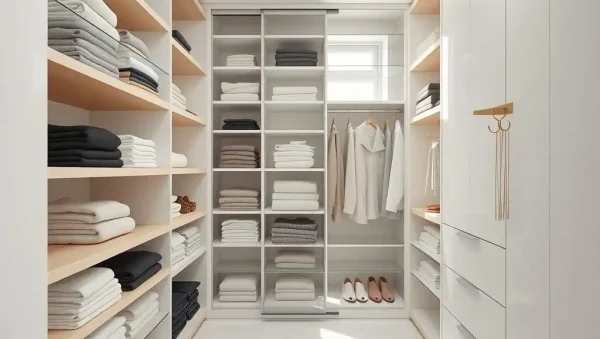
😊 Conquer cramped closets! This article reveals ingenious small space closet organization ideas, maximizing storage and streamlining your daily routine. Transform your…
Read articleCloset organization is the cornerstone of an efficient, stress-free home. When your closet is neatly arranged, you save precious time during morning routines, reduce clutter anxiety, and extend the life of your garments and accessories. At UltimateLifeHacks, we focus on actionable, budget-friendly strategies that turn chaotic wardrobes into streamlined systems. From vertical space utilization to smart seasonal rotation, this subcategory delivers practical guidance for every closet size and lifestyle, ensuring your home feels more spacious and your daily decisions become effortless.
Before any organization system can work, you must ruthlessly declutter. Start by emptying your entire closet and categorizing every item into three piles: keep, donate, and discard. Apply the “one-year rule” – if you haven’t worn it in 12 months, it’s likely unnecessary. Use the "hanger trick" by turning all hangers backward and reversing them only after wearing a piece; after a month, untouched hangers reveal true usage patterns. This process not only clears physical space but also mental bandwidth, making it easier to appreciate what you own and avoid future impulse buys.
For emotional attachments, adopt the "joy check" – does this item spark delight or serve a clear purpose? Photograph sentimental pieces before donating to preserve memories without clutter. Implement a "maybe bin" with a three-month expiration date; if unopened, donate it. Remember, decluttering is not about perfection but about creating a system that supports your daily life. A well-curated closet means fewer choices, faster decisions, and a calmer start to each day.
Utilizing vertical space is the most underrated hack in closet organization. Install adjustable shelving systems that allow you to customize heights for shoes, folded sweaters, and handbags. Add stackable bins or clear plastic drawers on upper shelves to store off-season accessories or infrequently used items. Hang a second rod below existing ones for shorter garments like shirts or skirts, doubling your hanging capacity without floor-level clutter. Use over-the-door hooks for belts, scarves, or jewelry, freeing up valuable drawer space.
Consider ceiling-mounted racks for bulky items like luggage or out-of-season bedding. Use wire or fabric cubbies on high shelves to group items by type – one for hats, another for gym gear. For small closets, install a tension rod near the top for lightweight scarves and ties. These vertical solutions keep everything visible and reachable, reducing the frantic search for missing items. By thinking upward, you transform dead air into functional storage, often increasing usable space by 50% without renovation costs.
Drawer dividers are game-changers for keeping socks, underwear, and accessories separated and visible. Use bamboo or plastic adjustable dividers to create custom compartments for each item type. Master the "file folding" method – fold shirts, pants, and sweaters into rectangles and place them upright like files. This allows you to see every item at a glance, prevents wrinkles, and maximizes drawer depth. For delicates, use small mesh bags to keep pairs together, and add a scented sachet for freshness.
Apply the "one-touch rule": when putting away laundry, place items directly into their designated drawer sections without intermediate piles. For deep drawers, use tiered organizers or stacking bins to create levels. Dedicate one small drawer for "miscellaneous" like repair kits or lint rollers. Label each divider compartment with a permanent marker or printed tags – this reinforces the system and makes routine maintenance effortless. These storage hacks reduce morning frustration and keep your drawers perpetually tidy with minimal daily effort.
Rotating seasonal clothing is essential for keeping your closet uncluttered. Twice a year, swap heavy winter coats and boots for summer dresses and sandals. Store off-season items in vacuum-sealed bags under your bed or on high shelves, which reduce volume by up to 80%. Use clear, labeled bins so you can identify contents without opening each one. Implement a "capsule wardrobe" approach for each season, focusing on 30-40 versatile pieces that mix and match, cutting decision fatigue significantly.
For space-saving, use slim, velvet hangers that grip clothes and use 30% less space than plastic ones. Install a pull-down garment rack for suits and dresses that are worn less frequently. Use cascading hangers for pants or skirts, stacking multiple garments on a single hook. Add a tie and belt rack on the closet door interior. For shoes, use an over-the-door pocket organizer or a hanging shoe bag with clear windows. These hacks ensure your closet stays airy and accessible, making seasonal changes a refreshing reset rather than a chore.
Proper lighting transforms a cramped closet into an inviting, functional space. Install battery-operated LED strip lights under shelves or along rods to illuminate dark corners, making every item visible. Use motion-sensor lights that automatically switch on when you open the door, saving energy and providing instant visibility. For deeper closets, add a rechargeable puck light on the ceiling. Replace fluorescent bulbs with warm, bright LEDs that mimic natural light, reducing color distortion when matching outfits.
Improve visibility by storing items at eye level – place frequently worn clothes on the middle rod, not the floor or high shelf. Use clear, open-front bins for accessories so you can see contents without pulling everything out. Add a full-length mirror inside the door or on the wall; it not only aids outfit checking but also reflects light, making the space feel larger. Strategically place a small stool or step ladder for high shelves to avoid strain. These lighting and visibility boosters make closet time efficient and enjoyable, eliminating the "I can’t find anything" frustration.
An organized closet only stays that way with a simple weekly maintenance routine. Dedicate 10 minutes each Sunday to return stray items, refold folded clothes, and sort any impulse purchases into their designated spots. Implement a "one in, one out" rule – every new garment means donating an old one, preventing overflow. Use a small handheld vacuum to address dust and lint monthly, and wipe shelves with a damp cloth to keep fabrics fresh. Check for broken hangers or worn dividers regularly and replace them promptly.
Set a quarterly "closet audit" to reassess your storage needs as your wardrobe evolves. Remove any items that no longer fit or fit your current style. Refresh your label system if contents change, and adjust shelf heights when your collection shifts. For busy seasons, keep a laundry basket or bin in the closet for "to-donate" items so you can drop them off monthly. These maintenance practices are low-effort but high-impact, ensuring your closet organization system remains functional and beautiful for years, saving you time and stress every single day.
Ideally, perform a full decluttering and reorganization every six months, ideally before seasonal changes. This keeps your wardrobe current and prevents accumulation of unused items. For everyday upkeep, a 10-minute weekly tidy-up is sufficient to maintain order and catch minor disorganization before it escalates.
Use an over-the-door shoe organizer with clear pockets, which holds up to 24 pairs without floor space. Alternatively, install a hanging shoe bag on the rod or use a stackable shoe tower that fits on a shelf. Store off-season shoes in vacuum-sealed bags under the bed to further free up closet space.
Yes, repurpose items you already own. Use shoeboxes wrapped in paper for drawer dividers, cereal boxes cut diagonally for shelving, and coat hangers with clothespins for belt storage. Use old baskets for bins and mason jars for small accessories. Creativity beats purchasing when your goal is a budget-friendly reset.
First, apply the one-year rule to eliminate at least 30% of items. Then, adopt a capsule wardrobe approach, keeping only versatile pieces. Use vertical space with double rods and stackable shelves. Finally, commit to the "one in, one out" rule to prevent future overflow and maintain a sustainable collection size.
Velvet or flocked hangers are the best choice—they are slim, non-slip, and uniform, saving up to 30% more space than plastic or wooden hangers. They also keep clothes in place and reduce shoulder bumps. For pants and skirts, use multi-tier metal clips that hold several garments vertically.