Declutter Your Closet: Organize Your Wardrobe With These Simple Steps
😊 Transform your chaotic closet into a streamlined sanctuary! This simple guide offers easy steps to organize your wardrobe, saving you precious…
Read article
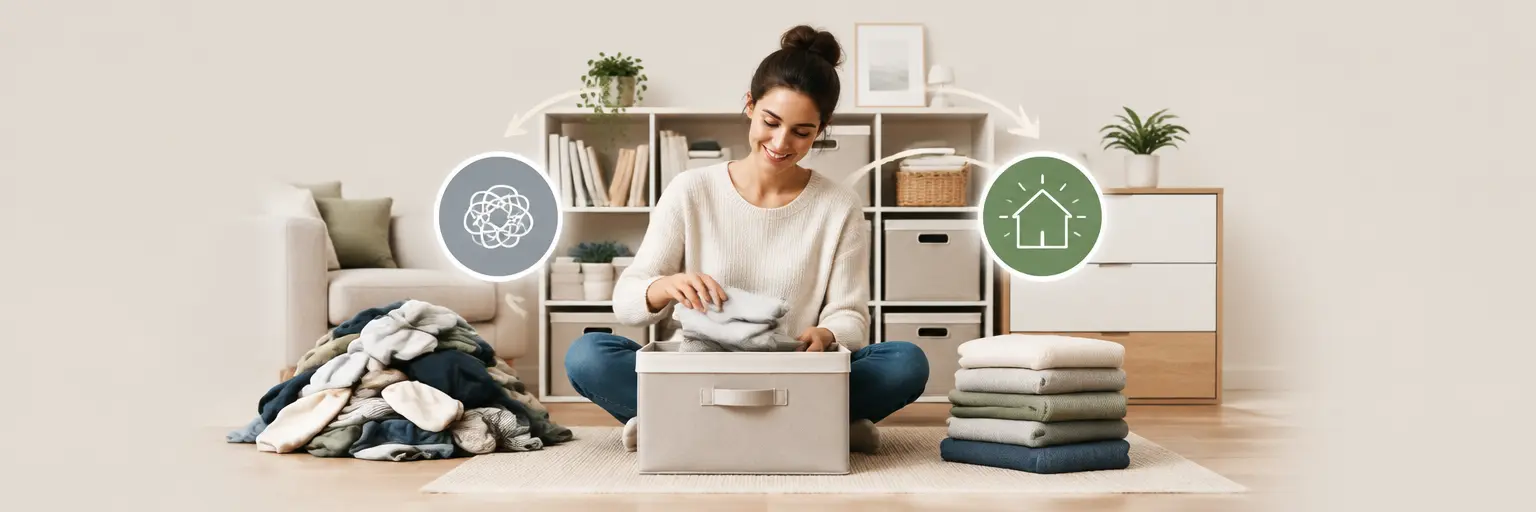
Transform your living environment into a serene, functional sanctuary with smart decluttering strategies that save time, reduce stress, and maximize every square foot. From the kitchen to the closet, discover practical organization hacks that turn chaotic corners into streamlined zones, using innovative storage solutions and habit-building routines that stick. Whether you’re tackling paper clutter, digital mess, or seasonal items, these expert-backed techniques help you prioritize, purge, and maintain order effortlessly—so you spend less time searching and more time living. Unlock the psychology of tidy spaces and learn how small daily actions create lasting impact, boosting productivity and mental clarity. Perfect for busy households, minimalists, and anyone craving a breathable, efficient home that works as hard as you do. 🏠✨

😊 Transform your chaotic closet into a streamlined sanctuary! This simple guide offers easy steps to organize your wardrobe, saving you precious…
Read article
😊 A cluttered office hinders productivity. Organize your office to boost efficiency! Discover simple, practical organizing tricks to reclaim your workspace and…
Read article
😊 Transform your bedroom into a relaxing sanctuary! These simple bedroom declutter hacks will banish chaos and boost your sleep quality, optimizing…
Read articleWelcome to UltimateLifeHacks’ guide on organizing home spaces efficiently—a subcategory dedicated to decluttering strategies that save time, reduce stress, and boost productivity. A cluttered home isn’t just visually overwhelming; it directly impacts your focus, decision-making speed, and overall efficiency. Here, you’ll find actionable, step-by-step methods to reclaim your living areas, from entryways to closets, using proven systems like the KonMari method, the 20/20 rule, and zone-based maintenance. Whether you’re tackling a single drawer or an entire garage, these strategies are designed for busy people who want lasting order without perfectionism.
Start by understanding the universal three-step process: sort every item into categories, purge what no longer serves you, and assign a specific home for what remains. This framework prevents the common trap of “organizing clutter” by simply moving it around. Expect to spend 15–20 minutes per category session, using timers to maintain momentum. The key is to handle each item only once—decision fatigue is your enemy, so ask yourself, “Would I buy this today?” If not, it goes to donate, recycle, or trash.
For efficiency, use the four-box method (keep, donate, trash, relocate) and physically remove the purge boxes from your space immediately. This prevents second-guessing and reinforces progress. You’ll soon notice that a decluttered room requires 30% less cleaning time, freeing up hours weekly for higher-value tasks. Remember, the goal isn’t minimalism for its own sake—it’s creating a functional environment that supports your daily workflows.
Instead of tackling your whole house in a weekend marathon (which often leads to burnout), divide your home into zones—entryway, kitchen, living room, bedroom, bathroom, and home office. Commit to one zone per day, spending no more than 45 minutes. This approach yields visible progress daily, keeping motivation high. For example, day one focuses solely on the entryway: clear shoes, coats, and mail. Day two moves to kitchen counters and one cabinet. This staggering prevents overwhelm and allows you to test systems before scaling them.
Expect that each zone will reveal hidden productivity leaks—like the kitchen drawer of takeout menus that delays meal prep or the nightstand pile that interrupts sleep habits. By assigning a dedicated container or shelf for zone-specific items, you create visual anchors that make putting things away automatic. Over two weeks, you’ll establish a repeatable maintenance routine: 10 minutes per day per zone, rotating weekly. This is the difference between a one-time purge and sustainable organization.
Efficient organizing isn’t about buying more bins—it’s about vertical stacking, underutilized gaps, and frequent-use accessibility. Start by measuring your shelves, drawers, and closet rods to plan exact dimensions. Use clear, labeled containers that stack identically; this reduces visual noise and lets you see contents at a glance. For deep shelves, install pull-out drawers or lazy Susans to eliminate the “black hole” effect. In closets, double rods or hanging organizers can increase capacity by 40% without structural changes.
Also, consider hidden storage in furniture—ottomans with hollow interiors, bed frames with drawers, or magnetic strips on cabinet doors for spice jars. These solutions free up counter space and keep high-traffic areas visually calm. Expect to re-evaluate each item’s frequency of use: daily-use items get prime real estate (waist-to-eye level), weekly-use items go lower or higher, and seasonal items go to top shelves or under-bed bins. This hierarchy cuts retrieval time by up to 50%, a direct productivity win.
Decluttering is only half the battle; the other half is maintenance. Implement a “one-in, one-out” rule for every category (e.g., every new shirt means one donated). Add a nightly 5-minute reset for each room—puting remotes, mail, and shoes back in their assigned homes. Set a weekly 15-minute timer to scan for “rising clutter” spots like the countertop or entry bench. These micro-habits prevent pile-ups from ever reaching critical mass again.
To stay consistent, pair decluttering with an existing habit—like while your coffee brews, tackle one drawer. You can also use a “daily discard challenge”: find and discard one item per day for 30 days, which builds a reflexive sorting mindset. Expect that within three weeks, these routines become automatic, cutting your tidying time to 10 minutes a day. This frees you to focus on your professional or creative projects, directly aligning with UltimateLifeHacks’ mission of lifelong efficiency.
Sustainability is a core part of efficient decluttering. Know exactly where items go—donate gently used clothing and furniture to local shelters, recycle electronics at certified e-waste centers, and repurpose items like glass jars or cardboard boxes for DIY storage. Have a designated “giveaway bag” that goes to your car trunk weekly, so you never accumulate a mountain of pending donations. This prevents the purge pile from becoming new clutter.
Expect to research your city’s specific recycling rules for plastics and textiles; many now offer curbside pickup for donations. For sentimental items, take a photo before letting go—this preserves memories without physical bulk. By integrating eco-friendly disposal, you not only organize your home but also reduce your environmental footprint, a value that resonates with modern productivity-conscious readers. You’ll feel good about every box you let go, knowing it’s making a positive impact elsewhere.
With the zone-based approach, most homes require 2–4 weeks if you commit 45 minutes daily. A single-room focus can be done in one weekend. The key is consistency, not marathon sessions—short, daily bursts prevent burnout and allow you to establish maintenance habits. Expect the first week to be slowest, then accelerating as you refine your sorting criteria.
Start with the entryway and kitchen because they’re high-traffic and affect your daily mood. Then move to bathrooms and bedrooms, followed by living areas and offices. Leave sentimental-heavy spaces like closets or attics last, as you’ll have built up decision-making stamina. This progression gives you visible wins early, reinforcing motivation for tougher areas.
Involve everyone in the initial purge and assign personal “homes” for their items—clear labels are essential. Establish a shared rule: no new item enters without a home. For kids, use visual checklists and reward systems. For partners, make it a shared 5-minute nightly reset. Consistency from you sets the standard, but avoid policing—focus on making organization easier than clutter.
You can start with existing shoeboxes, baskets, and jars—repurposing saves money and is eco-friendly. However, if you have awkward spaces (deep shelves, under-sink areas), investing in a few clear, stackable bins pays off because they maximize vertical space and reduce retrieval time. Buy bins only after sorting, to fit exact dimensions and avoid wasted purchases.
Set a non-negotiable 10-minute daily “reset timer” for high-traffic zones, and a weekly 30-minute deeper clean. Use phone alarms to trigger these routines. For ultimate efficiency, adopt the “one-touch” rule: an item is either put away immediately or placed in its designated “waiting area.” This prevents clutter from forming even on chaotic days, keeping your home consistently functional.