Organize Your Kitchen Like a Chef: Professional Tips for Home Cooks
😊 Transform your chaotic kitchen into a chef's haven! This article reveals pro tips for organizing your kitchen, maximizing efficiency, and saving…
Read article
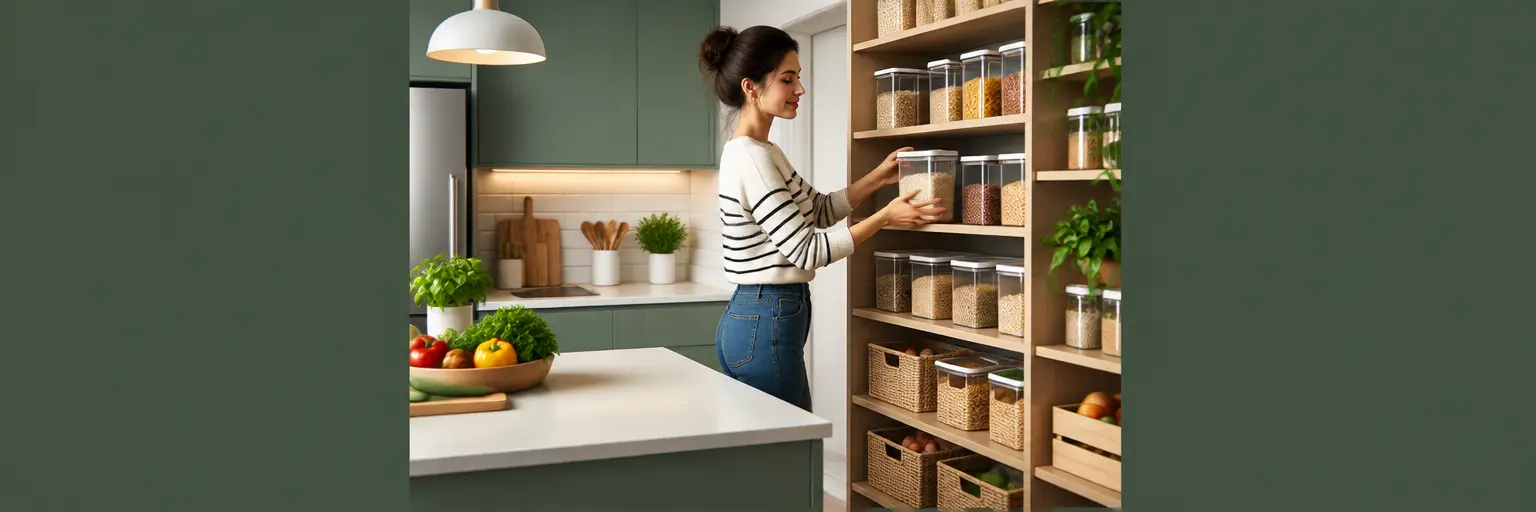
Transform your kitchen from chaotic to calm with smart kitchen & pantry organization hacks that save you time, reduce stress, and make cooking a joy. From decluttering countertops and maximizing cabinet space to using clear containers, vertical racks, and drawer dividers, these efficient systems turn every inch into usable storage. Never lose a spice or duplicate a buy again—learn how to label, zone, and rotate items for effortless meal prep and a beautiful, functional space that works with your rhythm. 🍽️✨ Whether you’re fighting overflow shelves or tackling a tiny kitchen, optimize daily routines with practical, low-cost fixes that keep everything visible and accessible. Start organizing smarter, not harder, and enjoy a pantry that practically runs itself. 🏠💡
😊 Transform your chaotic kitchen into a chef's haven! This article reveals pro tips for organizing your kitchen, maximizing efficiency, and saving…
Read article
😊 Transform your kitchen from chaotic to calm! Discover the 5 best kitchen organizers for efficiency, maximizing space and minimizing stress. These…
Read article
😊 Reclaim your kitchen's sanity! Learn how to organize kitchen cabinets efficiently with our revolutionary approach. Simple, practical steps transform chaotic spaces…
Read articleWelcome to the heart of your home—where efficient organization can transform daily chaos into calm productivity. In this subcategory, we dive deep into kitchen and pantry organization hacks that save you time, reduce food waste, and make cooking a joy. Whether you’re battling cluttered cabinets, overflowing shelves, or a fridge that defies logic, these practical strategies are designed to optimize your space, speed up meal prep, and cut down on morning rushes. Let’s turn your kitchen into a powerhouse of efficiency with smart storage solutions, clever labeling systems, and sustainable habits that stick.
Start by emptying every shelf and categorizing items into groups: grains, canned goods, spices, snacks, and baking supplies. Use clear, airtight containers to bulk-buy staples like flour, rice, and pasta—this not only saves money but also makes inventory visible at a glance. Implement a “first in, first out” rule for perishables, and designate a dedicated “daily use” zone at eye level for items you grab most often, like coffee, tea, and cereals. This zoning technique eliminates the dreaded “where did I put the cumin?” search, slashing prep time by up to 30%.
For maximum efficiency, install pull-out shelves or stackable risers to double vertical space. Use clear, labeled bins for snacks and baking mixes, and consider a lazy Susan for corner cabinets to avoid forgotten items. A weekly 10-minute “reset” ritual—replacing misplaced items and wiping shelves—keeps the system sustainable. By reducing visual clutter, you’ll also make healthier choices, as studies suggest organized pantries lead to better meal planning. This method turns your pantry from a black hole into a streamlined command center for culinary creativity.
Your refrigerator is a prime candidate for efficiency hacks. Begin by grouping foods into zones: dairy on the top shelf, ready-to-eat leftovers on the middle, raw meat on the bottom (to prevent cross-contamination), and vegetables in the crisper bins. Use clear, stackable bins to keep like items together, and label each bin with a dry-erase marker so everyone knows where things belong. Adopt a “meal-prep Sunday” approach—portion out chopped veggies, marinated proteins, and cooked grains in labeled glass containers for grab-and-go weeknight dinners. This not only cuts cooking time but also reduces spoilage by up to 50%.
To maintain visibility, store most frequently used items at eye level and reserve the door shelves for condiments and sauces that don’t spoil quickly. A fridge inventory list on the side (updated weekly) helps you shop smarter and avoid buying duplicates. Use the “one rack, one purpose” rule: for example, the top shelf is only for leftovers, making it easy to spot what needs eating first. These small shifts in layout and labeling will make your fridge more intuitive, cutting down on the time you spend rummaging and the money you lose to expired groceries.
Organization isn’t just about storage—it’s about workflow. Arrange your cabinets so that the items you use most often—pots, pans, and everyday dishes—are within arm’s reach of the stove and sink. Install under-cabinet hooks for mugs and measuring cups, and use tension rods vertically to divide baking sheets and cutting boards. For countertops, keep only the “daily drivers” visible: a coffee maker, toaster, and a knife block. Everything else should be tucked away in cabinets or mounted on walls, freeing up valuable prep space. A cluttered counter adds visual stress and slows you down.
Maximize corner cabinets with rotating shelves or pull-out drawers, and use stackable shelves inside taller cabinets to double your storage. Consider a pegboard on an unused wall to hang utensils, spatulas, and oven mitts—this not only looks stylish but also saves drawer space. Label cabinet interiors with a list of contents, so you never have to open five doors to find a specific pan. By prioritizing workflow, you reduce unnecessary steps and make cooking more enjoyable. Efficient cabinets mean less bending, reaching, and searching, giving you back precious minutes every day.
A labeling system is the secret weapon for long-term organization. Invest in a label maker or use simple chalkboard labels and reusable tags. Label every container, bin, and shelf—include the item name, and for perishables, the “best by” date. Create a master pantry inventory list on a whiteboard or app, and update it after each grocery trip. This prevents overbuying and helps you plan meals around what you already have. For a family, use color-coded labels: red for snacks, blue for grains, green for spices—making it easy for everyone to find and return items correctly.
For truly efficient management, adopt a “par level” system: mark the minimum quantity of each staple you need to keep on hand (e.g., two jars of pasta sauce). When you reach that level, add it to your shopping list. This avoids “stockpiling” and reduces waste. Use clear, uniform containers so you can spot a low supply at a glance. If you’re tech-savvy, try a barcode scanner app to track inventory—though a simple notebook works just as well. The goal is consistency: a system you can maintain in under 10 minutes per week yields remarkable time savings and a calmer kitchen.
Don’t have a walk-in pantry? No problem. Think vertically and multi-functionally. Install ceiling-mounted pot racks to free up cabinet space, and use over-the-door organizers for spices, cutting boards, or cleaning supplies. Magnetic strips on the wall hold knives and metal utensils—stylish and space-efficient. For small shelves, use “can organizers” that allow you to pull cans from the bottom, ensuring no can gets lost at the back. Cupboard risers create two tiers inside deep shelves, doubling your storage for plates and bowls without major renovation.
DIY hacks are budget-friendly: use tension rods vertically to create dividers for baking sheets, or attach binder clips to shelf edges to hold bags and packets vertically. Repurpose shoe racks as pantry shelves for bottles and jars. A simple PVC pipe fixture can hold wine bottles or rolled-up towels. For drawers, use small, clear bins (like takeout containers) to separate utensils and foil—no need to buy expensive organizers. These clever vertical and multi-purpose solutions maximize every inch, turning even a tiny kitchen into a highly functional space. The result is a more efficient routine, as everything has a home and is reachable in one motion.
I recommend a deep reorganization once every three months, with a weekly 10-minute reset. During the weekly reset, simply return misplaced items, check expiration dates, and wipe down shelves. This short ritual prevents buildup of clutter and keeps your system intuitive, so you won’t have to spend hours re-sorting later.
Use clear, airtight containers made of glass or BPA-free plastic. Glass is ideal for dry goods because it’s non-porous and doesn’t absorb odors. Opt for modular, rectangular containers that stack neatly and have wide openings for scooping. Label them with the contents and purchase dates to track freshness easily.
Implement a “eat me first” bin on a visible shelf for leftovers and items nearing expiration. Use clear containers for leftovers and date them. Plan meals around your current stock before shopping, and store vegetables in crisper bins with humidity controls. These steps cut spoilage significantly and save money.
Yes, a label maker is a worthwhile investment if you have a large family or many bulk items. It creates durable, uniform labels that look professional and are easy to read. However, if you’re on a budget, reusable chalkboard labels or painter’s tape with a marker work just as effectively for a cohesive system.
Focus on vertical and underutilized spaces: use over-door racks, ceiling pot hangers, and wall-mounted shelves. Install pull-out drawers or stackable risers in deep cabs. Repurpose items like shoe racks for canned goods. Keep only daily essentials on counters, and store less-used appliances in high cabinets or a closet.