Fall Home Maintenance: Simple Hacks to Protect Your Investment
😊 Prepare your home for winter with our essential fall home maintenance checklist! Simple, time-saving hacks to protect your property and avoid…
Read article

Fall is the perfect season to prep your home for cooler days, and these seasonal household hacks will save you time, money, and stress. From sealing drafty windows and cleaning gutters to optimizing your thermostat and refreshing cozy spaces, these practical home maintenance tips are designed to boost efficiency and keep your living space warm, safe, and energy-smart all autumn long. Discover quick, actionable fall home maintenance hacks that tackle common cold-weather issues before they become costly repairs—so you can enjoy the season with peace of mind.
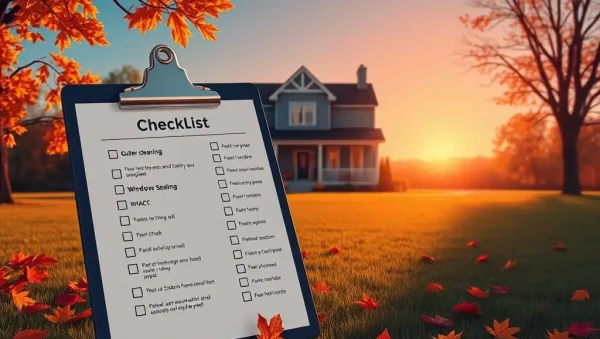
😊 Prepare your home for winter with our essential fall home maintenance checklist! Simple, time-saving hacks to protect your property and avoid…
Read article
😊 Beat rising energy costs with these fall home energy saving hacks! Simple DIY maintenance, from sealing windows to cleaning gutters, can…
Read articleAs the leaves turn and temperatures drop, your home faces unique seasonal challenges. This subcategory delivers practical, low-cost fall maintenance hacks to protect your property, reduce energy bills, and prevent costly winter repairs. From gutter cleaning shortcuts to weatherproofing tricks, these actionable tips are designed for busy homeowners who want to save time and money while keeping their living space cozy and efficient throughout autumn.
Clogged gutters cause ice dams and water damage—but you don’t need a pro. Use a leaf blower with a gutter attachment, or a simple garden trowel paired with a bucket. Key hack: spray a silicone-based lubricant on gutters after cleaning so falling leaves slide off naturally. Also, inspect roof shingles for cracks using binoculars from the ground; replace any loose flashing with waterproof sealant.
Spend 20 minutes trimming overhanging branches that drop debris onto your roof. This reduces gutter load and prevents rodents from accessing your attic. For gutters with heavy buildup, use a DIY “gutter scoop” made from a cut plastic bottle. Finally, install mesh guards—they cost less than $30 and eliminate 90% of future clogging issues.
Drafty windows account for up to 30% of heat loss. Start by testing for leaks with a lit incense stick—where the smoke wavers, apply rope caulk or adhesive foam tape. For a quick hack, roll old towels and place them at door bottoms; upgrade to a draft stopper filled with rice for a weighted seal. Remove window screens and install clear plastic shrink film—this addon can cut drafts by half.
Check door frames for gaps using a dollar bill: close the door on it; if it slides out easily, replace the weatherstrip. Use felt pads under exterior doors to reduce friction and wear. For sliding windows, apply silicone lubricant to tracks to ensure a tight seal. These simple fixes usually take less than 30 minutes and can save up to $150 on heating bills over the season.
Before turning on your furnace, replace the air filter—a dirty one increases energy usage by 15%. Pro hack: mark your calendar every 30 days to swap it, using a permanent marker on the filter itself. Vacuum vents and returns with a brush attachment to clear dust bunnies that block airflow. If you have baseboard heaters, use a long-handled duster to clean between fins.
Install a programmable thermostat if you haven’t yet; set it to lower temps (60°F) when away and 68°F when home. For instant warmth without spiking bills, use a space heater in rooms you occupy—turn off central heat in unused rooms. Also, bleed radiators if you have hot water heating: open the valve until water flows, then close it. This releases trapped air, improving efficiency by up to 10%.
Walk around your home and seal any cracks in the foundation with hydraulic cement—this prevents mice and water seepage. Use a caulk gun with a frost-proof silicone for gaps around pipes and utility lines. Clear leaves and debris from outdoor faucets, then disconnect hoses and insulate spigots with foam covers to avoid frozen pipes.
Check your exterior lighting and replace burnt bulbs with LED versions—they last longer and illuminate pathways for safety in shorter days. Trim bushes and shrubs so they sit at least a foot away from siding; this improves airflow and reduces mold. For driveways, fill small cracks with asphalt patch to prevent moisture from expanding during freeze-thaw cycles.
Fall is the perfect time to refresh your home’s emergency kit. Hack: store a power outage box with flashlights, batteries, and extra blankets near your fuse panel. Test all smoke and carbon monoxide detectors—replace batteries even if they beep. Use a vacuum to clear dust from detector slots, as buildup can cause false alarms.
Add a weather radio to your kit and check pipe insulation in attics and crawl spaces. Wrap exposed pipes with foam sleeves and secure with zip ties. Keep a bag of ice melt or sand near your front door for early frosts. Finally, mark your calendar to winterize sprinkler systems by draining and blowing out lines.
Start with gutter cleaning. Clogged gutters cause the highest risk of water damage to your roof and foundation. Use a leaf blower with a gutter attachment, and if that’s too hard, a simple trowel and bucket works—just ensure downspouts are clear to avoid ice dams later.
No, duct tape leaves sticky residue and fails in cold weather. Instead, use rope caulk that can be easily removed, or adhesive foam tape designed for window frames. For a temporary fix, clear shrink film with double-sided tape is more effective and removable.
Check it monthly, but replace it every 30 days if you have pets or allergies. A clean filter improves airflow and protects your system from dust buildup. Write the replacement date on the filter’s edge so you never forget.
Small hairline cracks under 1/8 inch are DIY-friendly with hydraulic cement. For larger or vertical cracks with water seepage, consult a structural engineer—this may indicate a deeper issue that, if ignored, leads to mold or instability.
Install a programmable thermostat and set it to 60°F while you sleep or work. Use space heaters in occupied rooms only. Also, close curtains at dusk to trap heat, and vent bathroom fans for only 10 minutes to avoid losing warm air.