Conquer Any Terrain: Essential Footwear Hacks for Adventure Travelers
😎 Conquer challenging terrains with the best travel shoes for adventure! This guide reveals essential footwear hacks to maximize comfort, durability, and…
Read article
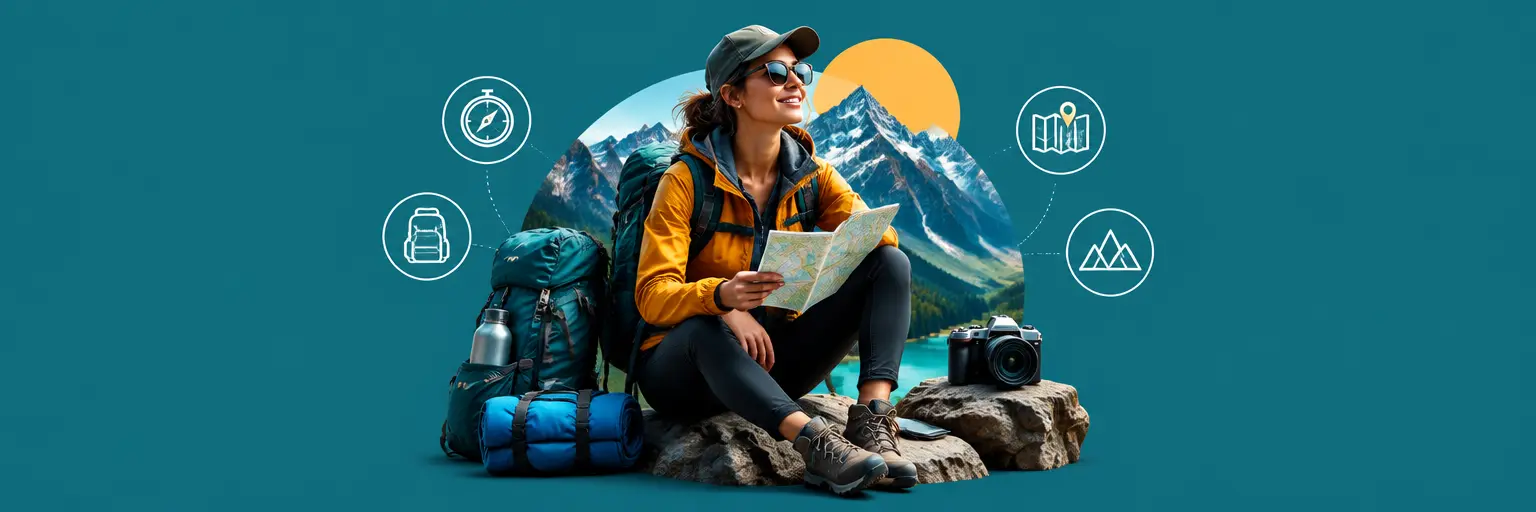
Adventure travel hacks turn wild journeys into smooth, budget-friendly experiences. Whether you’re trekking remote trails or diving into new cultures, these proven tips cut packing weight, speed up airport security, and keep your gear dry in surprise downpours. Discover space-saving compression tricks, smart hydration shortcuts, and safety-first navigation tactics that let you focus on the thrill—not the logistics. From multi-tool swaps to offline mapping hacks, every idea is built for real explorers who want more adventure with less hassle. Start saving time, energy, and money on your next expedition today.
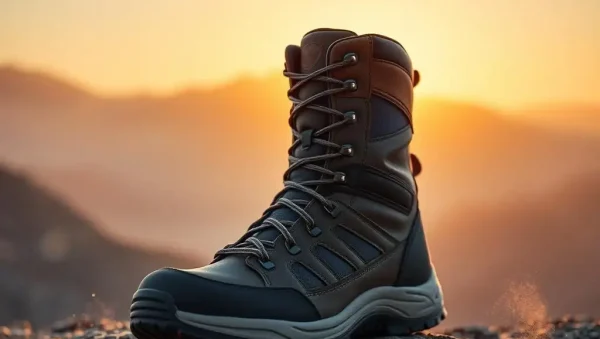
😎 Conquer challenging terrains with the best travel shoes for adventure! This guide reveals essential footwear hacks to maximize comfort, durability, and…
Read article
😴 Conquer restless nights on the road! This article unveils travel sleep comfort hacks to ensure deep, restful sleep in any accommodation,…
Read article
🤔 Conquer communication challenges in remote locales! This article delivers essential remote work communication tips for seamless connectivity while adventuring, ensuring productivity…
Read articleWelcome to Adventure Travel Hacks, a dedicated corner of UltimateLifeHacks where practicality meets adrenaline. Here, we transform chaotic expedition planning into streamlined, efficient systems. Whether you’re scaling peaks, diving reefs, or trekking remote trails, these hacks focus on saving time, reducing weight, and boosting safety. You’ll learn to pack lighter, navigate smarter, and handle unexpected challenges with confidence, all while keeping your daily routine optimization mindset at the core. This isn’t about generic travel tips—it’s about tactical, field-tested solutions for the modern explorer.
Adventure travel demands a radical departure from conventional packing. The key is multi-functional gear and a weight-to-value ratio. Ditch bulky items; instead, choose a 3-in-1 jacket, a titanium spork that doubles as a wrench, and a solar-powered charger with a built-in battery bank. Use compression sacks to shrink sleeping bags and clothing by 40%, and roll your gear using the “bundle wrapping” method to eliminate wrinkles and maximize space. Always pack a “dirty kit” (old socks, zip ties, duct tape) for quick repairs.
For efficiency, create a digital packing checklist synced to your phone, categorized by climate and activity. Test every gadget at home—hydration bladders, headlamps, and water filters—for leaks or failures. Avoid the “just in case” trap; ask yourself if you’ve used it in the last three trips. If not, leave it behind. This disciplined approach cuts your load by 20–30%, saving precious energy on long hauls and making your movements faster, safer, and more enjoyable.
When adventure takes you beyond cellular towers, your smartphone becomes a liability unless you preload offline maps (Google Maps, Gaia GPS, or Maps.me). Download topographical overlays and satellite imagery for your entire route while on Wi-Fi. Enable airplane mode to save battery, but keep GPS active—this costs only ~1% per hour. Carry a dedicated GPS beacon or personal locator device for emergencies, and learn to read a physical compass and paper map as a backup—technology fails, but skills don’t.
Next, master the art of battery optimization: turn off push notifications, lower screen brightness, and use battery-saver mode. Store devices in an insulated pocket near your body to prevent cold-induced shutdowns. For navigation shortcuts, set waypoints at every junction (cairns, rivers, trail splits) to retrace your path if lost. Download language translation packs and a currency converter offline, so you can interact with locals and negotiate transport even in dead zones.
Adventure travel hacks extend beyond gadgets—your body is the ultimate tool. Use high-intensity interval training (HIIT) three weeks pre-trip to mimic altitude and steep inclines. Practice with a loaded backpack (20% of body weight) on stairs to condition joints and tendons. During the expedition, adopt a “slow and steady” pacing with scheduled micro-breaks every 30 minutes to regulate heart rate and prevent fatigue. Hydrate with electrolytes every hour, not just when thirsty.
Fuel your adventure with calorie-dense, lightweight foods: nut butters, dried fruit, and energy chews. Avoid heavy meals mid-day; instead, snack frequently. Use the “hiker’s lunch” technique—pre-mix protein powder, oats, and chia seeds in a bag, just add water. For sleep, invest in a light sleeping pad and earplugs; recovery in 20-minute power naps boosts alertness. Track your energy with a simple wearable to identify your peaks, then schedule challenging treks during those windows. This systematic approach reduces exhaustion and enhances enjoyment.
Adventure means unpredictability, but your response should be ruthlessly systematic. Build a micro emergency kit (50g) with a space blanket, fire starter, whistle, and a few bandaids. Memorize the “STOP” protocol (Stop, Think, Observe, Plan) before reacting to any crisis. For gear repairs, carry tenacious tape (fixes tents, jackets, boots) and a needle with dental floss as thread. Know how to use a tourniquet and apply water purification tablets—every second counts.
Also, use digital safety hacks: share your live location via satellite messaging (e.g., Garmin inReach) with a trusted contact. Pre-download first-aid PDFs and CPR instructions to your phone. Learn to create a signal fire or use a mirror for rescue in daylight. If you get injured, prioritize warmth and hydration over movement. By pre-planning your emergency actions (role-playing scenarios), you reduce panic and increase survival odds. These hacks let you push limits while keeping a calculated safety net.
Adventure travel often bankrupts unprepared explorers. Save money and time by booking flexible, refundable transport or using local “pirate” buses instead of tourist shuttles—they cost 70% less but take longer. Use a travel hacking credit card with no foreign fees and sign-up bonuses for free flights; also, leverage assisted self-guided tours where a local company handles logistics but you travel independently. For accommodations, camp on public lands (research permits) or stay in hostel dorm kitchens to cook your own meals.
Time is money: plan your itinerary with “buffer days” for weather delays or rest. Use an app like Rome2Rio to compare route options instantly; but also, learn to negotiate with drivers in local language—a few phrases like “better price” can cut costs by 30%. For permits, apply online 60 days ahead for popular spots (e.g., Inca Trail, Everest Base Camp) to avoid last-minute fees. Finally, set a daily budget and track it via a spreadsheet on your phone, ensuring you never overspend on frivolous gear.
Adventure hacks must respect Mother Nature. Check hyperlocal forecasts using apps like Windy and AccuWeather, but always pack for worst-case scenarios: a lightweight rain jacket, a merino base layer, and a waterproof stuff sack. Learn to read cloud patterns—cumulonimbus means lightning, while lenticular clouds signal wind shifts. Schedule your most exposed climbs for early morning when winds are calmest. Use the “layering system”: a moisture-wicking base, insulating mid, and protective shell—adjust quickly as temperatures shift.
Create a weather action plan before departure: what if it rains for 48 hours straight? Have a backup route, indoor activities (canyoning vs. climbing), and a “rainy day” game list. For extreme cold, carry chemical heat packs and a thermometer for your sleeping bag. For heat, use a wet bandana around your neck and schedule treks during golden hours (6–10 am, 4–7 pm). By adapting your strategy to real-time conditions, you avoid cancellations and stay safe, turning potential disasters into memorable stories of resilience.
The best hack is the “one-bag rule” that combines a backpack with a detachable daypack. Use compression cubes and every inch of space (e.g., put socks inside shoes). Prioritize multi-functional gear like a sarong that works as a towel, blanket, or hammock. This reduces your load and speeds up movement.
Use a portable solar panel (20W) and a power bank with 20,000mAh capacity. Charge your phone in airplane mode only, and carry a hand-crank charger for emergencies. For cameras, bring spare batteries and store them in a ziplock near your body to retain charge in cold climates.
Yes—acclimatize slowly by sleeping 500m lower than your highest waking altitude. Drink twice as much water, avoid alcohol and caffeine for the first 48 hours, and take acetazolamide (Diamox) only if prescribed. Also, eat high-carb meals for better oxygen uptake.
Use apps like iOverlander and FreeCampsites.net, but always scout for “Leave No Trace” signs. Check local laws; public lands (BLM, national forests) often allow free dispersed camping. Ask rangers or local shopkeepers for insider spots, and arrive early to secure the best site.
Buy last season’s models on sale, rent bulky items (tents, sleeping bags) from outfitters, and trade gear on Facebook groups or REI Used. Focus on core items (boots, pack) spending more, and buy cheap “disposable” accessories like headlamps from discount stores, provided they meet safety specs.