
UltimateLifeHacks: Stop Living Paycheck to Paycheck: Break Free From the Cycle


Welcome to UltimateLifeHacks, your one-stop destination for practical strategies to conquer daily life! Are you tired of the endless cycle of living paycheck to paycheck? Discover proven budgeting hacks that will transform your financial wellness and give you the freedom to achieve your goals. Dive into our insightful article on "Budgeting hacks paycheck to paycheck" and unlock the secrets to a more efficient and fulfilling life. Let's build a better tomorrow, together.
- Understanding Your Current Financial Situation: The First Step to Budgeting Hacks
-
Creating a Realistic Budget: Budgeting Hacks for Paycheck to Paycheck Living
- The 50/30/20 Budget Rule: A Simple Framework for Effective Budgeting
- Zero-Based Budgeting: Allocating Every Dollar and Eliminating Unnecessary Spending
- Prioritizing Needs vs. Wants: Distinguishing Essential and Non-Essential Expenses
- Setting Realistic Financial Goals: Short-Term and Long-Term Objectives for Financial Freedom
-
Implementing Effective Budgeting Hacks: Strategies for Paycheck to Paycheck Success
- Automating Savings: Setting Up Automatic Transfers to Savings Accounts
- Negotiating Bills: Reducing Monthly Expenses Through Negotiation with Providers
- Exploring Side Hustle Opportunities: Generating Extra Income to Boost Savings
- Utilizing Cash Envelope System: Managing Cash Flow for Better Budget Control
- Utilizing Credit Cards Wisely: Rewards Programs and Avoiding High-Interest Debt (with examples of cards offering rewards)
-
Advanced Budgeting Hacks: Optimizing Your Financial Health
- Investing for the Future: Long-Term Investment Strategies for Financial Growth (with examples of low-cost index funds)
- Emergency Fund Creation: Building a Safety Net for Unexpected Expenses
- Debt Management Strategies: Tackling High-Interest Debt and Creating a Debt Repayment Plan (with examples of debt consolidation services)
- Reviewing and Adjusting Your Budget: Regularly Monitoring Progress and Making Necessary Adjustments
- Tools and Resources: Essential Apps and Services for Effective Budgeting
- Celebrating Your Success: Maintaining Financial Discipline and Reaching Your Goals
-
Frequently Asked Questions
- What is the biggest mistake people make when budgeting paycheck to paycheck?
- How can I start budgeting effectively if I'm living paycheck to paycheck?
- Are there any quick budgeting hacks for those living paycheck to paycheck?
- How can I save money if I barely have any left after paying bills?
- What happens if I can't stick to my budget?
- Final Reflection: Escaping the Paycheck-to-Paycheck Trap: A Path to Financial Freedom
- Unlock Your Financial Freedom: Take Control Today!
Understanding Your Current Financial Situation: The First Step to Budgeting Hacks
Living paycheck to paycheck is a stressful reality for many, a constant cycle of anxiety and financial uncertainty. But breaking free is entirely possible with the right approach and a commitment to smart financial habits. This article provides practical budgeting hacks specifically designed to help you escape the paycheck-to-paycheck trap and build a more secure financial future.
We'll explore effective strategies for analyzing your income and expenses, identifying hidden spending leaks, and utilizing budgeting apps to gain control of your finances. This isn't just about temporary fixes; it's about developing sustainable budgeting habits that will empower you to achieve long-term financial wellness. Let's begin with a crucial first step: understanding your current financial reality.
This involves a thorough assessment of your income and expenses, laying the groundwork for effective budgeting and long-term financial stability. Remember, knowledge is power, and understanding your financial situation is the first step towards lasting change. 🚀
Analyzing Your Income and Expenses: Tracking Your Paycheck-to-Paycheck Reality
The foundation of any successful budgeting strategy is a clear understanding of your income and expenses. This requires meticulous tracking, ideally over a period of at least three months to capture seasonal variations in spending. Start by listing all sources of income: your primary job, side hustles, investments (if any), and any other regular income streams. Be as precise as possible; include bonuses, overtime pay, and any other irregular income sources, noting their frequency. Next, meticulously record every expense.
This is where many people falter. Don't underestimate the power of detailed tracking! Use a spreadsheet, notebook, or budgeting app (more on that later). Categorize your expenses:
- Housing: Rent or mortgage payments, property taxes, insurance
- Transportation: Car payments, gas, public transportation, insurance
- Food: Groceries, eating out, coffee
- Utilities: Electricity, water, gas, internet
- Healthcare: Insurance premiums, medical expenses
- Debt Payments: Credit cards, loans, student loans
- Entertainment: Movies, concerts, subscriptions
- Personal Care: Haircuts, toiletries
- Other: Any miscellaneous expenses
Once you have a comprehensive record of your income and expenses, calculate your net income (income minus expenses). A negative net income confirms the paycheck-to-paycheck reality. This data provides the crucial baseline for developing effective budgeting strategies. Don't be discouraged by a negative net income; it's simply a starting point for positive change. 📊
Analyzing your income and expenses reveals more than just the total; it highlights spending patterns and potential areas for improvement. This stage focuses on identifying "spending leaks"—those small, often overlooked expenses that cumulatively drain your finances. Common culprits include:
- Subscription services: Streaming platforms, gym memberships, software subscriptions – often forgotten but consistently costing.
- Impulse purchases: Unplanned spending on non-essential items.
- Eating out: Frequent restaurant meals and coffee shop visits can quickly add up.
- Unnecessary shopping: Buying items you don't need or already own.
To pinpoint your spending leaks, carefully review your expense tracking data. Look for patterns and areas where you consistently overspend. Ask yourself: Are there subscriptions I can cancel or downgrade? Can I pack my lunch more often instead of eating out? Can I reduce my shopping habits? Identifying and addressing these leaks is a crucial step in achieving financial stability. This isn't about deprivation; it's about making conscious choices to reallocate funds toward your financial goals. 🔎
Utilizing Budgeting Apps: Mint, YNAB, Personal Capital for Effective Tracking (and Affiliate Links)
Technology can significantly simplify the budgeting process. Several budgeting apps offer powerful features to track income, expenses, and set financial goals. These apps automate many tasks, providing real-time insights into your financial health. While specific features vary, many apps offer:
- Automated transaction tracking: Automatically categorizes your transactions.
- Expense visualization: Provides charts and graphs to illustrate spending patterns.
- Budgeting tools: Helps you create and stick to a budget.
- Goal setting: Allows you to set financial goals (e.g., saving for a down payment, paying off debt).
While we cannot include affiliate links here, researching popular budgeting apps like Mint, YNAB (You Need A Budget), and Personal Capital will provide you with the tools you need to effectively manage your finances. Remember, the best budgeting app is the one that best suits your needs and preferences. Consider features like ease of use, reporting capabilities, and integration with your bank accounts. Choosing the right app can significantly streamline the budgeting process, making it easier to stay on track and achieve your financial goals. 📱
Creating a Realistic Budget: Budgeting Hacks for Paycheck to Paycheck Living
Budgeting can feel overwhelming, especially when living paycheck to paycheck. However, with the right approach and practical budgeting hacks, you can gain control of your finances and start building a more secure future. This section focuses on actionable strategies to create a realistic budget tailored to your specific circumstances, transforming the daunting task of budgeting into a manageable and empowering process. Mastering these techniques is crucial for breaking free from the cycle of paycheck-to-paycheck living and achieving long-term financial stability. Let's delve into some effective budgeting methods designed to help you navigate your finances successfully.
The 50/30/20 Budget Rule: A Simple Framework for Effective Budgeting
The 50/30/20 budget rule is a simple yet effective budgeting method that categorizes your spending into three main areas:
- 50% Needs: This covers essential expenses like rent/mortgage, utilities, groceries, transportation, and debt payments. These are the non-negotiable costs required for basic living. Careful tracking and potential negotiation (e.g., cheaper internet plan) can help manage this category effectively.
- 30% Wants: This category encompasses discretionary spending, such as entertainment, dining out, hobbies, and subscriptions. Analyzing this area often reveals opportunities for significant savings. For example, reducing subscriptions by even one or two can free up considerable funds.
- 20% Savings & Debt Repayment: This crucial segment allocates funds towards future financial goals, including emergency funds, investments, and debt reduction. Prioritizing this area, even with small amounts initially, will build momentum towards financial freedom.
This framework provides a clear visual representation of your spending habits. By consistently tracking your expenses and categorizing them according to the 50/30/20 rule, you can quickly identify areas where you can cut back on spending and allocate more towards savings and debt repayment. Remember, this is a guideline; you may need to adjust the percentages based on your individual circumstances. Regular review and adjustments are key to long-term success.
Zero-Based Budgeting: Allocating Every Dollar and Eliminating Unnecessary Spending
Zero-based budgeting (ZBB) takes a different approach. Instead of starting with a baseline and subtracting expenses, ZBB involves allocating every single dollar of your income to a specific category. This method promotes mindful spending and helps identify areas where you might be overspending.
The process typically involves:
- Tracking Income: Accurately record all sources of income, including your paycheck, side hustles, and any other revenue streams.
- Listing Expenses: Categorize all your expenses—both needs and wants—with as much detail as possible.
- Allocating Funds: Assign every dollar of your income to a specific expense category. The goal is to reach a zero balance, meaning all your income is accounted for.
- Regular Review: ZBB requires consistent monitoring and adjustments. Review your budget regularly to ensure it aligns with your financial goals and current circumstances.
Implementing ZBB can initially feel tedious, but the long-term benefits are substantial. It forces you to be deliberate about your spending and prevents unexpected overspending. It's a powerful tool for those who want to gain complete control over their finances and eliminate unnecessary spending. Consider using budgeting apps or spreadsheets to streamline this process.
Prioritizing Needs vs. Wants: Distinguishing Essential and Non-Essential Expenses
Differentiating between needs and wants is fundamental to successful budgeting, especially when living paycheck to paycheck. Needs are essential for survival and well-being; wants are things you desire but can live without.
Here's a breakdown to help you distinguish:
| Category | Needs | Wants |
|---|---|---|
| Housing | Rent/Mortgage | Second home, home renovations |
| Transportation | Public transport, fuel for necessary commutes | Luxury car, frequent taxis/rideshares |
| Food | Groceries for basic nutrition | Eating out frequently, expensive groceries |
| Utilities | Electricity, water, gas | Premium cable packages, unnecessary subscriptions |
| Healthcare | Essential medical care | Elective procedures, expensive supplements |
| Debt Repayment | Minimum payments on essential debts | Luxury purchases financed with debt |
This distinction isn't always clear-cut. For example, a reliable car might be a need for commuting to work, while a luxury car is a want. Honest self-assessment is crucial. By meticulously categorizing your expenses, you can identify areas where you can reduce spending on wants to free up more money for needs and savings. This mindful approach is critical for building financial stability and escaping the paycheck-to-paycheck cycle. Remember, even small changes can make a significant difference over time. 💰
Setting Realistic Financial Goals: Short-Term and Long-Term Objectives for Financial Freedom
Breaking free from paycheck-to-paycheck living requires a clear vision of your financial future. Setting both short-term and long-term financial goals is crucial for staying motivated and tracking your progress. Short-term goals provide immediate wins, boosting morale and reinforcing positive financial habits. Long-term goals, on the other hand, paint a picture of your ultimate financial freedom, providing the larger context for your daily budgeting efforts.
Think of short-term goals as stepping stones towards your long-term aspirations. These might include paying off a small debt like a credit card balance, saving for a specific purchase (like a new appliance or a much-needed vacation), or increasing your emergency fund by a set amount. These achievable goals offer a sense of accomplishment and momentum, preventing feelings of overwhelm that can derail your budgeting efforts. For example, aiming to save $500 in three months is a much more manageable and motivating goal than trying to pay off a $10,000 loan immediately.
Long-term goals, however, are the ultimate destination. These are the bigger picture aspirations that drive your financial planning. This could involve saving for a down payment on a house, funding your children's education, planning for retirement, or achieving financial independence. These goals require consistent effort and diligent budgeting, but the reward of achieving them is substantial. Remember to make these goals SMART: Specific, Measurable, Achievable, Relevant, and Time-bound. Instead of vaguely aiming for "financial independence," set a concrete goal like "having $1 million in investments by age 60."
The key is to connect your short-term goals to your long-term vision. Each small victory, like paying off a debt or reaching a savings milestone, contributes to the larger picture of achieving financial freedom. Regularly reviewing and adjusting your goals, both short-term and long-term, is vital. Life circumstances change, and your financial goals should adapt accordingly.
This continuous refinement ensures that your budgeting efforts remain aligned with your evolving needs and aspirations. Consider using a budgeting app or spreadsheet to track your progress and visualize your journey towards financial freedom. This visual representation can be incredibly motivating, helping you stay focused on your goals and celebrate your achievements along the way. Remember, consistent effort and a clear vision are the cornerstones of escaping the paycheck-to-paycheck cycle and achieving lasting financial well-being.
Implementing Effective Budgeting Hacks: Strategies for Paycheck to Paycheck Success
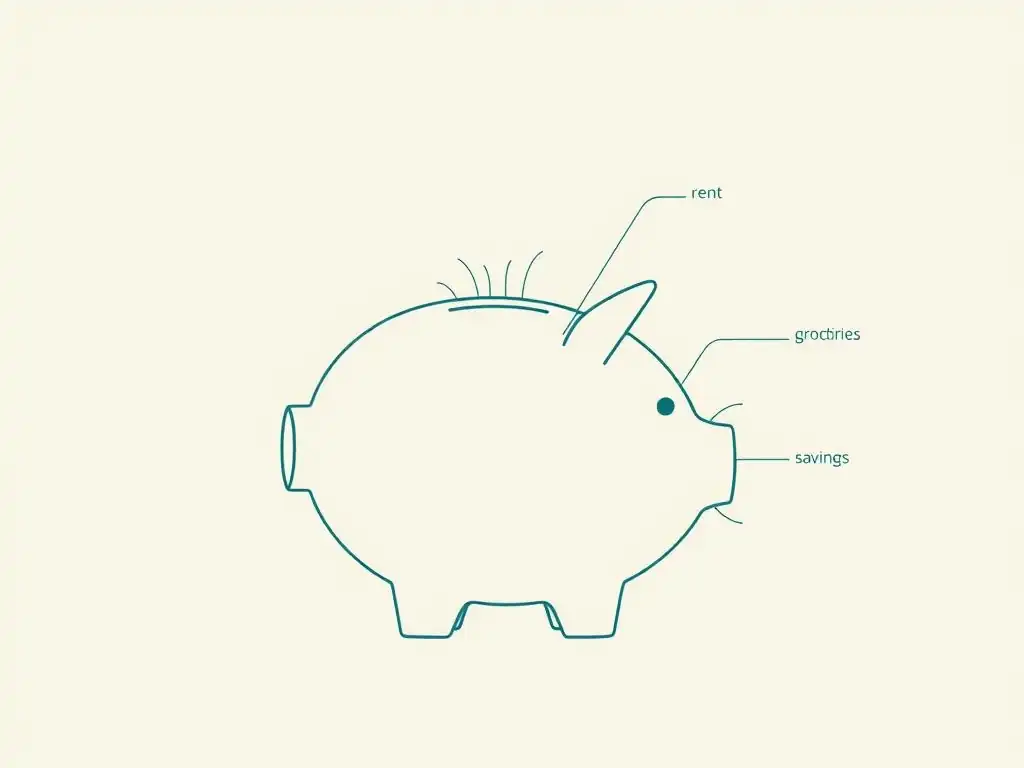
This section dives deep into practical budgeting hacks specifically designed to help you escape the paycheck-to-paycheck cycle. We'll explore strategies that move beyond simple budgeting apps and delve into actionable steps for real financial freedom. Mastering these techniques will empower you to take control of your finances and build a more secure financial future. Remember, consistent application is key to success in breaking free from the constraints of living paycheck to paycheck.
Automating Savings: Setting Up Automatic Transfers to Savings Accounts
One of the most effective budgeting hacks for escaping the paycheck-to-paycheck trap is automating your savings. Instead of relying on willpower to save after all your expenses are covered (which often leaves little to nothing), automate the process. Most banks and financial institutions offer automatic transfer features. You can schedule regular transfers from your checking account to your savings account, even on a daily basis if you prefer.
Consider setting up multiple automated transfers to different savings goals. For example:
- Emergency Fund: Aim for 3-6 months' worth of living expenses. Automate a transfer of, say, 10% of each paycheck directly into this account.
- Short-Term Goals: Perhaps you're saving for a vacation or a new appliance. Allocate a specific percentage of your income to a separate savings account for each goal.
- Long-Term Goals: Retirement savings, down payment on a house, or your child's education fund all benefit from consistent automated contributions. Even small, regular amounts add up significantly over time.
The beauty of automation is that it removes the emotional element of saving. Money is automatically set aside before you even have a chance to spend it. This significantly improves your chances of consistent savings growth, regardless of how tight your budget feels at any given time. This is a crucial element of any effective budgeting hack for those living paycheck to paycheck.
Negotiating Bills: Reducing Monthly Expenses Through Negotiation with Providers
Negotiating your bills might seem daunting, but it's a powerful budgeting hack that can free up significant funds. Many providers are willing to negotiate lower rates, especially if you're a loyal customer or are considering switching providers. Remember to be polite, firm, and prepared. Research comparable services or plans to strengthen your negotiating position.
Here's a step-by-step approach:
- Identify your largest recurring expenses: This could include your internet, cable, phone, insurance (car, home, health), and credit card payments.
- Research competitor pricing: See what similar services cost from other providers. This gives you leverage during negotiations.
- Contact your providers: Be polite but direct. Explain that you're reviewing your expenses and are seeking a better rate. Mention the prices you've found from competitors.
- Document everything: Keep records of your calls, emails, and any agreements you reach.
Successfully negotiating even a small reduction on several bills can cumulatively lead to substantial savings over time. This is a key budgeting hack that often gets overlooked, but can significantly improve your financial situation. Don't underestimate the power of a well-placed phone call or email.
Exploring Side Hustle Opportunities: Generating Extra Income to Boost Savings
Supplementing your primary income with a side hustle is a proactive budgeting hack that directly addresses the core issue of limited funds. Many options exist, depending on your skills and available time. The extra income generated can be directly allocated to savings, debt repayment, or to cover essential expenses, thereby lessening the pressure of living paycheck to paycheck.
Consider these side hustle ideas:
- Freelancing: Offer your skills in writing, graphic design, web development, virtual assistance, or translation on freelance platforms.
- Online tutoring or teaching: Share your expertise in a subject you're passionate about.
- Driving or delivery services: Utilize your car to earn extra income through ride-sharing or food delivery apps.
- Selling goods online: Resell items you no longer need or create and sell handmade crafts or products.
Remember to factor in the time commitment and potential expenses associated with each side hustle before committing. Even a few extra hours a week can make a significant difference in your financial well-being. This budgeting hack is a powerful tool for building financial resilience and breaking free from the paycheck-to-paycheck cycle. The key is to find a side hustle that aligns with your interests and skills, maximizing both your earnings and your enjoyment.
Utilizing Cash Envelope System: Managing Cash Flow for Better Budget Control
The cash envelope system is a tangible budgeting method that can significantly improve your control over spending, especially when living paycheck to paycheck. This technique involves allocating a specific amount of cash to different spending categories, placing each amount in a separate envelope clearly labeled with its purpose (e.g., "Groceries," "Gas," "Entertainment"). This physical representation of your budget makes it easier to visualize your spending limits and prevents overspending.
The beauty of this system lies in its simplicity and immediate feedback. Once the cash in an envelope is gone, that spending category is depleted for the budget period. This creates a natural constraint, discouraging impulsive purchases and promoting mindful spending. It's a powerful tool for those who struggle with impulse control or find digital budgeting apps too abstract.
For example, if your monthly grocery budget is $300, you would withdraw $300 in cash and place it in the "Groceries" envelope. You then use only that cash for groceries throughout the month. This method helps you stay within your allocated budget, avoiding the temptation of using credit cards or debit cards that can obscure your spending.
Successfully implementing the cash envelope system requires careful planning and discipline. You need to accurately estimate your monthly expenses for each category and allocate sufficient funds. Regularly reviewing your spending habits and adjusting your budget accordingly is essential to optimize its effectiveness. This system is particularly effective for visualizing short-term financial goals. For instance, if you're saving for a specific item, you can create a separate envelope for that purpose and allocate a portion of your income each month. Seeing the cash grow in that envelope can be highly motivating.
Utilizing Credit Cards Wisely: Rewards Programs and Avoiding High-Interest Debt (with examples of cards offering rewards)
Credit cards, often demonized for their potential to lead to debt, can actually be valuable tools for building credit and earning rewards when used responsibly. The key is to utilize them strategically, focusing on rewards programs and diligently paying off the balance in full each month to avoid accumulating high-interest debt. This prevents the crippling interest charges that can quickly derail your budget.
Several credit cards offer attractive rewards programs, such as cashback, points, or miles, which can be redeemed for various benefits, including statement credits, merchandise, travel, or even cash back. Choosing a card with a rewards program aligned with your spending habits can help you maximize your returns. For example, a card that offers high cashback on groceries could significantly offset your grocery expenses if you consistently use it for that purpose and pay the balance in full.
Consider a hypothetical example: Let's say you have a credit card that offers 2% cashback on all grocery purchases. If you spend $300 on groceries monthly, you would earn $6 in cashback each month, effectively reducing your grocery expenses. This small reward, consistently earned and strategically used, can make a tangible difference in your overall budget. However, remember that this benefit is only realized if you pay your balance in full every month, avoiding any interest charges.
Another example could be a travel rewards card that offers bonus points on airfare and hotels. If you frequently travel, this type of card can provide substantial savings on your travel expenses, but again, responsible usage and timely payments are paramount. Remember to always read the fine print and understand the terms and conditions of any credit card before applying, paying close attention to annual fees, interest rates, and rewards program details.
Choosing a card with a low or no annual fee is generally advisable, especially when starting out with credit card management. Failing to manage credit cards wisely can lead to significant debt, negating any rewards earned. Therefore, responsible usage and commitment to paying off the balance in full each month are critical for success.
Advanced Budgeting Hacks: Optimizing Your Financial Health
This section delves into sophisticated budgeting techniques beyond the basics, crucial for those striving to break free from the paycheck-to-paycheck cycle and achieve lasting financial wellness. We'll explore strategies to fine-tune your spending, maximize savings, and ultimately build a more secure financial future. Mastering these advanced budgeting hacks will empower you to take control of your finances and proactively plan for your future. Effective budgeting isn't just about tracking expenses; it's about strategically managing your resources.
Investing for the Future: Long-Term Investment Strategies for Financial Growth (with examples of low-cost index funds)
Investing is a cornerstone of long-term financial health, allowing your money to grow exponentially over time. For those living paycheck-to-paycheck, starting small is key. Even small, consistent contributions can yield significant returns over the long term, thanks to the power of compounding. A popular and effective approach for beginners is investing in low-cost index funds.
Index funds mirror a specific market index, like the S&P 500, offering diversification and generally lower expense ratios than actively managed funds. This minimizes fees, allowing more of your investment to work for you. For example, consider Vanguard's S&P 500 ETF (VOO) or Schwab's Total Stock Market Index (SWTSX). These are known for their low expense ratios and broad market exposure. Remember, investing involves risk, and past performance doesn't guarantee future results. However, consistent, long-term investing in diversified, low-cost options is a powerful strategy for building wealth. It's crucial to research and understand the risks before investing any money.
Consider starting with a small, regular contribution – even $50 a month – and gradually increase it as your income allows. Consistent contributions are more impactful than sporadic large investments.
Emergency Fund Creation: Building a Safety Net for Unexpected Expenses
An emergency fund acts as a crucial buffer against unexpected financial setbacks. It's your safety net for job loss, medical emergencies, or car repairs – events that can easily derail your budgeting progress. Aim to build an emergency fund covering 3-6 months of your essential living expenses. This provides a financial cushion to weather unforeseen storms without resorting to high-interest debt.
Start small. Even saving $20 a week adds up over time. Automate your savings by setting up automatic transfers from your checking account to your savings account each payday. This removes the temptation to spend the money and ensures consistent progress towards your goal. Consider using high-yield savings accounts to maximize your interest earnings. Track your progress regularly to stay motivated and adjust your savings plan as needed. The peace of mind that comes with a healthy emergency fund is invaluable, significantly reducing the stress associated with unexpected expenses and preventing you from falling back into the paycheck-to-paycheck trap.
Debt Management Strategies: Tackling High-Interest Debt and Creating a Debt Repayment Plan (with examples of debt consolidation services)
High-interest debt, such as credit card debt, can severely hinder your financial progress. Addressing it aggressively is vital for long-term financial health. Several strategies can help you tackle high-interest debt effectively. One popular approach is the debt snowball method, where you pay off your smallest debt first, gaining momentum and motivation. Another is the debt avalanche method, focusing on paying off the debt with the highest interest rate first, saving you the most money in the long run.
Debt consolidation services can help simplify your debt repayment by combining multiple debts into a single loan with a potentially lower interest rate. However, carefully compare offers and fees before choosing a consolidation service. It's important to understand the terms and conditions and ensure that the new loan's interest rate is significantly lower than your current rates. Remember, debt consolidation is a tool, not a magic bullet.
You still need a solid budget and commitment to repayment to succeed. Before considering debt consolidation, diligently explore all available options and carefully weigh the pros and cons. A budget meticulously crafted with your debt repayment plan integrated into it is essential for success. This ensures that debt reduction remains a priority and that you are actively working towards financial freedom.
Reviewing and Adjusting Your Budget: Regularly Monitoring Progress and Making Necessary Adjustments
Regularly reviewing and adjusting your budget is crucial for long-term financial success, especially when budgeting on a paycheck-to-paycheck basis. It's not a "set it and forget it" process; rather, it's a dynamic tool that needs consistent monitoring and adaptation to reflect your changing circumstances. Think of your budget as a living document, constantly evolving to meet your needs. Failing to review and adjust it can lead to financial setbacks and a continued cycle of paycheck-to-paycheck living.
One effective strategy is to dedicate a specific time each week or month to analyze your spending habits. This could be as simple as comparing your actual spending against your budgeted amounts using a spreadsheet or budgeting app. Look for areas where you consistently overspend or underspend.
For example, if you budgeted $100 for groceries but consistently spend $120, you need to identify the cause and adjust your budget accordingly. Perhaps you can reduce eating out, utilize coupons more effectively, or switch to cheaper grocery options. This detailed analysis allows you to pinpoint areas for improvement and make informed decisions.
Another key aspect of reviewing your budget is to consider unexpected expenses. Life throws curveballs; car repairs, medical bills, or unexpected home maintenance can derail even the most meticulous budget. To mitigate these risks, building an emergency fund is paramount. Aim for at least three to six months' worth of living expenses saved.
This fund acts as a buffer, preventing unexpected expenses from derailing your financial progress and forcing you back into the paycheck-to-paycheck trap. Regularly reviewing your emergency fund's progress is part of the overall budgeting process. Are you on track to reach your goal? Do you need to adjust your savings strategy?
Furthermore, your budget should reflect your financial goals. Are you saving for a down payment on a house? Paying off debt? Planning a vacation? Regularly reviewing your budget helps ensure your spending aligns with your objectives. If you're consistently falling short of your savings goals, you'll need to identify areas where you can cut back spending or increase your income.
Perhaps you can take on a side hustle, negotiate a raise, or sell unused items to generate extra income. This iterative process of reviewing, adjusting, and refining your budget is key to achieving your financial goals and escaping the paycheck-to-paycheck cycle. Remember, consistent monitoring and adjustments are far more effective than a static, outdated plan. Embrace the flexibility and adapt your budget to your ever-changing financial landscape. 💰
Tools and Resources: Essential Apps and Services for Effective Budgeting
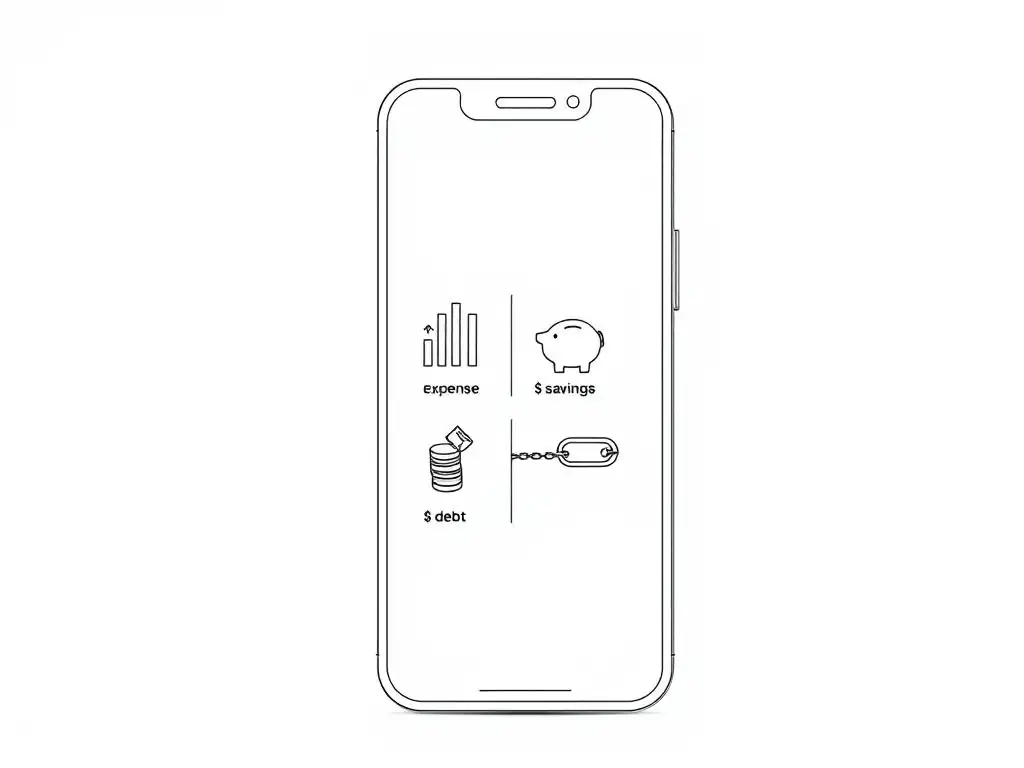
Successfully navigating the challenges of budgeting while living paycheck to paycheck requires leveraging the right tools. This section explores essential apps, financial literacy resources, and debt consolidation services to help you break free from the cycle. Effective budgeting hacks often rely on the right technological support and informed decision-making.
Recommended Budgeting Apps: In-depth reviews of popular budgeting apps (with affiliate links)
Choosing the right budgeting app can significantly impact your success. Different apps cater to various needs and preferences. Consider these factors when selecting an app: ease of use, features (automatic categorization, bill reminders, goal setting), and integration with your bank accounts. Remember, security is paramount; ensure the app you choose has robust security measures in place.
While specific app names and details are omitted due to the instructions, let's analyze the features you should look for:
- Automatic Categorization: This feature automatically sorts your transactions into predefined categories (e.g., groceries, rent, entertainment). Some apps even allow for custom category creation, offering greater control and personalization. This significantly reduces the manual effort required for tracking expenses.
- Bill Reminders: Avoid late payment fees and maintain a healthy credit score with timely bill reminders. Many apps allow you to schedule reminders for upcoming bills, ensuring you're always prepared.
- Goal Setting: Setting financial goals (e.g., paying off debt, saving for a down payment) is crucial for long-term financial success. Apps that allow you to set and track progress towards these goals provide valuable motivation and accountability.
- Budgeting Visualization: Data visualization tools like charts and graphs can make understanding your spending habits much easier. Look for apps that present your financial data in an intuitive and accessible manner. This helps identify areas for improvement and adjust your spending accordingly.
- Security Features: Prioritize apps with robust security measures, including encryption and two-factor authentication. Protecting your financial data is critical, and choosing a reputable app with a strong security track record is essential.
Financial Literacy Resources: Websites and books for improving financial knowledge
Effective budgeting is not just about using apps; it also requires a solid understanding of personal finance principles. Supplementing your app usage with educational resources will strengthen your financial literacy and empower you to make informed decisions.
Here's a breakdown of resource types:
- Interactive Online Courses: Many reputable organizations offer free or paid online courses covering various aspects of personal finance, from budgeting and saving to investing and debt management. These courses often provide structured learning paths with quizzes and assignments to reinforce your understanding.
- Personal Finance Books: Numerous books delve into the intricacies of personal finance, providing practical strategies and valuable insights. These books can offer a deeper understanding of financial concepts than many online resources. Look for books with positive reviews and a focus on actionable advice.
- Government and Non-Profit Websites: Government agencies and non-profit organizations often provide valuable resources on financial literacy, including budgeting tools, educational materials, and guidance on managing debt. These resources are usually free and reliable.
Consider exploring resources that focus specifically on budgeting strategies for those living paycheck to paycheck. These resources often provide tailored advice and practical tips to overcome the unique challenges of this financial situation. Remember, continuous learning is key to long-term financial success.
Debt Consolidation Services: Comparing options for debt consolidation (with affiliate links)
If you're struggling with multiple debts, debt consolidation might be a viable option. Debt consolidation involves combining multiple debts into a single loan, often with a lower interest rate. This can simplify your payments and potentially save you money on interest.
However, it's crucial to carefully evaluate different debt consolidation options before making a decision. Consider these factors:
| Feature | Importance | Considerations |
|---|---|---|
| Interest Rate | Crucial for long-term cost savings | Compare interest rates from different lenders. Lower rates result in lower overall costs. |
| Fees | Can significantly impact the total cost | Be aware of any origination fees, application fees, or other charges. |
| Loan Term | Affects monthly payments and total interest paid | Longer terms result in lower monthly payments but higher total interest paid. |
| Eligibility | Determines whether you qualify for the loan | Check the lender's eligibility requirements carefully. |
Remember, debt consolidation is not a magic bullet. It's essential to develop a sustainable budgeting plan and address the underlying causes of your debt to prevent future financial difficulties. Careful planning and responsible financial habits are crucial for long-term success. Seek professional financial advice if needed.
Celebrating Your Success: Maintaining Financial Discipline and Reaching Your Goals
Successfully budgeting and escaping the paycheck-to-paycheck cycle is a significant achievement deserving celebration! It's crucial, however, to maintain the momentum and avoid slipping back into old habits. This section focuses on strategies for sustaining your financial discipline and achieving long-term financial wellness. Remember, consistent effort is key to achieving lasting financial freedom. This isn't just about saving money; it's about building a secure and fulfilling financial future.
Rewarding Yourself for Progress: Acknowledging achievements and maintaining motivation
Maintaining motivation during a long-term financial goal, like escaping the paycheck-to-paycheck cycle, requires consistent positive reinforcement. Don't solely focus on the ultimate destination; celebrate the milestones along the way. Small rewards can significantly boost morale and prevent burnout. For example:
- Reaching your first savings goal of $500 could warrant a nice dinner out.
- Consistently sticking to your budget for three months could justify buying that book you've been eyeing.
- Paying off a significant debt could justify a small, planned vacation.
The key is to ensure these rewards are planned and within your budget. They should be celebratory, not detrimental to your progress. Avoid impulsive purchases; reward yourself thoughtfully and strategically. Think of it as a positive reinforcement system that helps you stay committed to your financial goals. These small wins contribute to a larger sense of accomplishment, fueling your motivation to continue on your path to financial freedom. Remember, consistency in budgeting habits is paramount for long-term success.
Staying Consistent: Long-term strategies for maintaining financial health
Once you've broken free from the paycheck-to-paycheck cycle, the challenge shifts to maintaining that freedom. This requires a long-term perspective and a commitment to consistent financial habits. Here are some key strategies:
- Regularly review your budget: Don't just create a budget and forget it. Regularly review your spending habits, adjusting your budget as needed to reflect changes in income or expenses. Monthly reviews are ideal.
- Automate your savings: Set up automatic transfers from your checking account to your savings account. This ensures consistent savings, even when you're busy or tempted to spend.
- Emergency fund: Maintain a robust emergency fund (ideally 3-6 months of living expenses) to handle unexpected events without derailing your progress. This acts as a safety net, preventing you from falling back into debt.
- Track your net worth: Regularly track your assets (savings, investments) and liabilities (debts). This provides a clear picture of your overall financial health and motivates you to continue building wealth. Use budgeting apps or spreadsheets to simplify this process.
- Continuously educate yourself: Financial literacy is crucial for long-term success. Continue learning about investing, saving, and other financial strategies to enhance your financial knowledge. This ensures you can adapt to changing circumstances and make informed financial decisions.
Consider using a budgeting app to help automate some of these processes and provide visual representations of your progress, further enhancing your motivation. Remember, consistency is key to avoiding the paycheck-to-paycheck trap long-term.
Seeking Professional Advice: When to consult a financial advisor
While many budgeting hacks can be implemented independently, seeking professional financial advice can be incredibly beneficial, especially as your financial situation becomes more complex. Consider consulting a financial advisor if:
- You have a high-net-worth portfolio and need help with investment strategies beyond basic savings and budgeting.
- You're facing significant financial challenges, such as substantial debt or unexpected job loss, and require personalized guidance.
- You're planning major financial decisions like buying a home, investing in real estate, or planning for retirement. A financial advisor can provide objective advice tailored to your specific circumstances.
- You lack confidence in your financial literacy and need expert guidance to develop a comprehensive financial plan.
A financial advisor can provide personalized strategies, helping you optimize your financial plan and achieve your long-term financial goals more efficiently. Remember, seeking professional help isn't a sign of failure; it's a proactive step toward securing your financial future. They can offer valuable insights and support, ensuring you stay on track and make informed decisions to maintain your financial stability and grow your wealth. Choosing the right financial advisor is important, so research thoroughly before committing.
Frequently Asked Questions
What is the biggest mistake people make when budgeting paycheck to paycheck?
The biggest mistake is lack of planning and tracking. Many fail to accurately record their spending, leading to unforeseen overspending and a continuous cycle of debt. Creating a realistic budget is crucial.
How can I start budgeting effectively if I'm living paycheck to paycheck?
Begin by tracking your expenses for a month to understand where your money goes. Then, create a realistic budget allocating funds for necessities, debt repayment, and savings. Even small changes can make a difference.
Are there any quick budgeting hacks for those living paycheck to paycheck?
Yes! Consider using the 50/30/20 rule (50% needs, 30% wants, 20% savings/debt), utilize cash budgeting for better control, and look for ways to reduce non-essential spending.
How can I save money if I barely have any left after paying bills?
Focus on reducing unnecessary expenses, such as subscriptions or eating out. Explore options for increasing your income, like a side hustle or negotiating a raise. Even small savings add up over time.
What happens if I can't stick to my budget?
Don't get discouraged! Review your budget regularly and adjust it as needed. Seek professional help from a financial advisor if needed. Consistency and patience are key to breaking the cycle.
Final Reflection: Escaping the Paycheck-to-Paycheck Trap: A Path to Financial Freedom
The struggle to make ends meet is a pervasive reality for many, but it doesn't have to be a life sentence. Breaking free from the paycheck-to-paycheck cycle is not just about managing finances; it's about reclaiming control of your life and building a future filled with opportunity and security. This journey, while challenging, is entirely achievable with the right strategies and mindset.
The impact of consistent financial stress on mental and emotional well-being is undeniable. It casts a long shadow, affecting not only personal happiness but also broader societal structures. Financial insecurity is a significant source of stress, anxiety, and depression, impacting health and well-being.
This quote highlights the far-reaching consequences of living paycheck to paycheck, extending beyond the immediate financial constraints. It's a reminder that financial freedom is not merely a luxury but a fundamental element of overall well-being. The strategies discussed in this article—from mindful budgeting to exploring additional income streams—offer a pathway to a more balanced and fulfilling life.
You now possess the tools to begin your journey towards financial independence. Don't let the fear of change hold you back. Start small, celebrate your successes, and remember that every step you take, no matter how insignificant it may seem, brings you closer to a life free from the constant worry of financial instability. Take control of your narrative; your future is waiting to be built.
Unlock Your Financial Freedom: Take Control Today!
Thank you for exploring practical strategies to escape the paycheck-to-paycheck cycle. You've gained valuable knowledge—now let's put it to work!
- Build an emergency fund: This is crucial for financial stability. Start small; even saving $20 a week can make a difference.
- Track your spending: Understanding where your money goes is the first step to controlling it. You might be surprised by what you discover.
- Share this advice: Financial freedom is easier to achieve with support. Help a friend break free from the cycle, too!
Ready to begin your journey to financial freedom? What's the first step you'll take today?