
DIY Home Security Secrets: What the Pros Don't Want You to Know

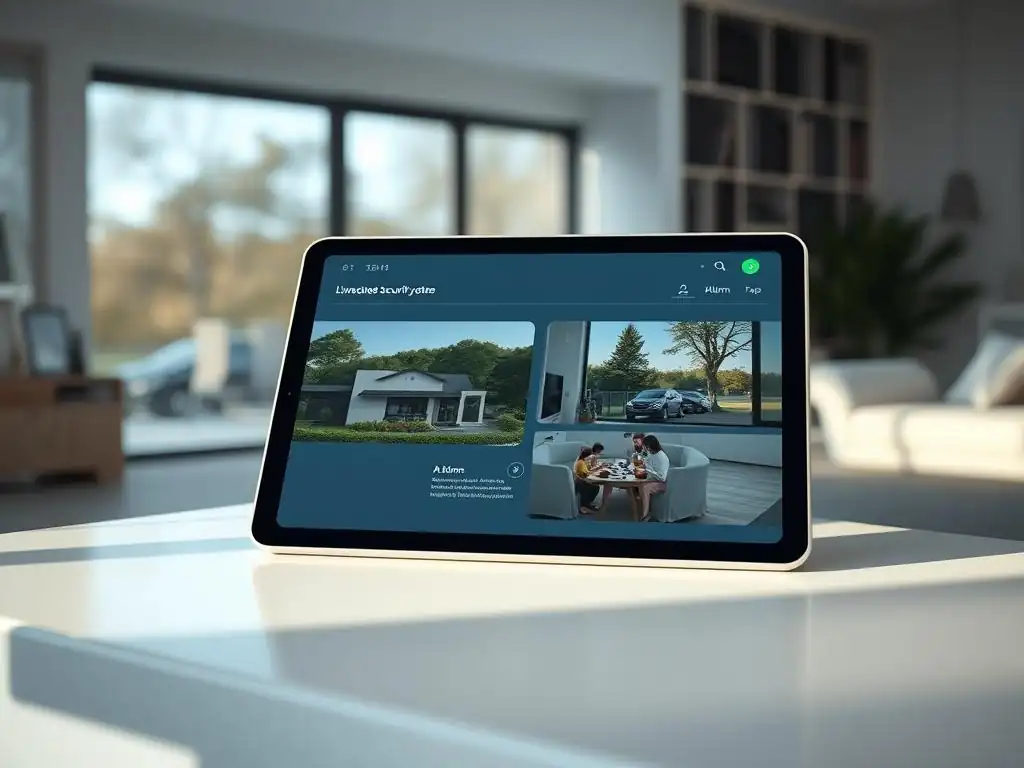
Ready to reclaim your time and boost your productivity? Welcome to UltimateLifeHacks, your go-to resource for practical tips and tricks to simplify your life. We're diving deep into the world of Smart Home & Security, and this time, we're revealing DIY home security system tips that will leave you feeling safer and more secure than ever before. Discover the secrets the pros don't want you to know – are you ready to unlock a smarter, safer home?
- Understanding Your Home Security Vulnerabilities: A DIY Approach
-
Boosting Your Home Security with Affordable DIY Upgrades
- Smart Door Locks: Choosing the Right Smart Lock for Your Needs (e.g., August Smart Lock, Schlage Encode)
- DIY Security Camera Installation: Strategic Placement for Optimal Coverage (e.g., Arlo Pro 4, Blink Mini)
- Motion Sensor Lights: Deterrents and Enhancements to Your DIY Home Security System
- Window and Door Alarms: Simple, Effective, and Budget-Friendly DIY Security Solutions
-
Leveraging Technology for Enhanced DIY Home Security
- DIY Home Security System App Integration: Centralized Monitoring and Control (e.g., SimpliSafe, Ring Alarm)
- Smart Home Hubs for Seamless Integration: Connecting Your DIY Security Devices (e.g., Amazon Echo, Google Home)
- Wireless Security Systems: Ease of Installation and Flexibility for DIY Home Security Systems
- Beyond the Basics: Advanced DIY Home Security Techniques
- Debunking Common DIY Home Security Myths
- Maximizing Your DIY Home Security Investment: Long-Term Strategies
- Recommended DIY Home Security Kits and Products (Affiliate Links)
- Frequently Asked Questions
- Final Reflection: Securing Your Sanctuary: Taking Control of Home Safety
- Unlock Your Home's Untapped Security Potential
Understanding Your Home Security Vulnerabilities: A DIY Approach
Protecting your home shouldn't require a hefty security company contract. This guide delves into practical, budget-friendly DIY home security system tips, empowering you to take control of your home's safety and security. We'll explore common vulnerabilities, assess your existing security measures, and plan a DIY system tailored to your needs and budget. Learning to identify and mitigate potential threats is the cornerstone of effective home security, regardless of whether you're using a professional system or a DIY approach.
This article will equip you with the knowledge and strategies to significantly enhance your home's security without breaking the bank. We'll focus on actionable steps, prioritizing both affordability and effectiveness, making DIY home security accessible to everyone. Remember, a proactive approach to home security is the best defense against potential threats. Let's get started building a safer home for you and your family!
Identifying Weak Points in Your Home Security: Common Entry Points and Solutions
Many homes have security vulnerabilities that are easily overlooked. Understanding these weak points is the first step in creating a robust DIY home security system. Common entry points for burglars often include poorly lit areas, easily accessible windows and doors, and insufficient landscaping.
Let's examine some common vulnerabilities and their DIY solutions:
- Unsecured Doors and Windows: Weak locks, unlocked windows, or sliding glass doors without additional security measures are prime targets. Solutions include upgrading to high-quality deadbolt locks, installing window locks, and using security film on glass doors to deter break-ins. Consider adding a simple, inexpensive door chain for extra security.
- Poor Exterior Lighting: Darkness provides cover for intruders. Strategically placed motion-activated outdoor lights can deter criminals and provide visibility. Consider using LED lights for energy efficiency and long-term cost savings.
- Unkempt Landscaping: Overgrown bushes and trees can provide excellent hiding places for burglars. Regularly trimming landscaping around your home removes these hiding spots and improves visibility.
- Hidden Keys: Storing spare keys under doormats or flowerpots is a common mistake. These are easily found by burglars. Consider using a key safe hidden in a less obvious location, or entrusting a spare key to a trusted neighbor.
- Lack of Security Cameras: Even inexpensive security cameras can provide a significant deterrent and record evidence in case of a break-in. Many DIY options offer remote viewing capabilities via smartphone apps.
By addressing these common weaknesses, you can significantly reduce the risk of a break-in. Remember, layering security measures is key; combining several of these solutions will create a much stronger defense. Even simple, inexpensive improvements can make a huge difference.
Assessing Your Current Security System: Gaps and Upgrades for DIY Home Security Systems
Before implementing new security measures, evaluate your existing system. What are its strengths and weaknesses? Do you have a security system at all? This assessment will help you prioritize upgrades and avoid unnecessary expenses.
Consider these questions when evaluating your current system:
- What type of locks do you have? Are they high-quality deadbolt locks? Do your windows have locks?
- Do you have adequate exterior lighting? Is it motion-activated?
- What is the state of your landscaping? Does it provide hiding places for intruders?
- Do you have any security cameras or alarm systems? If so, how effective are they?
- Do you have a security system monitoring service? If not, consider the benefits of self-monitoring systems.
This honest self-assessment is crucial for planning your DIY home security system upgrades. It will allow you to focus on the areas that need the most attention and allocate your budget effectively. Remember, a well-planned, layered approach is more effective than relying on a single security measure. Prioritize areas of greatest vulnerability first.
DIY Home Security System Planning: Budget-Friendly Strategies and Prioritization
Planning your DIY home security system is about prioritizing your needs and working within your budget. It doesn't require expensive professional equipment to create a secure home.
Here are some budget-friendly strategies:
- Prioritize High-Impact, Low-Cost Upgrades: Focus on simple, inexpensive improvements that yield significant security gains, such as upgrading to better locks, installing window locks, and improving exterior lighting.
- DIY Installation: Installing many security components yourself can save you significant labor costs. However, some systems might require professional installation for optimal functionality.
- Phase Your Upgrades: Don't try to do everything at once. Start with the most critical areas and gradually add more features as your budget allows.
- Leverage Smart Home Technology: Smart home devices, such as smart locks, smart lights, and smart cameras, can be incorporated into a DIY security system at a reasonable cost. They often offer remote monitoring and control capabilities.
- Consider Self-Monitoring: Professional monitoring services can be expensive. Self-monitoring systems offer a more affordable alternative, alerting you directly to any security breaches.
Planning is key to a successful DIY home security system. By prioritizing your needs and implementing these budget-friendly strategies, you can create a secure and protected home without breaking the bank. Remember, even small improvements can make a big difference in your home's security.
Boosting Your Home Security with Affordable DIY Upgrades
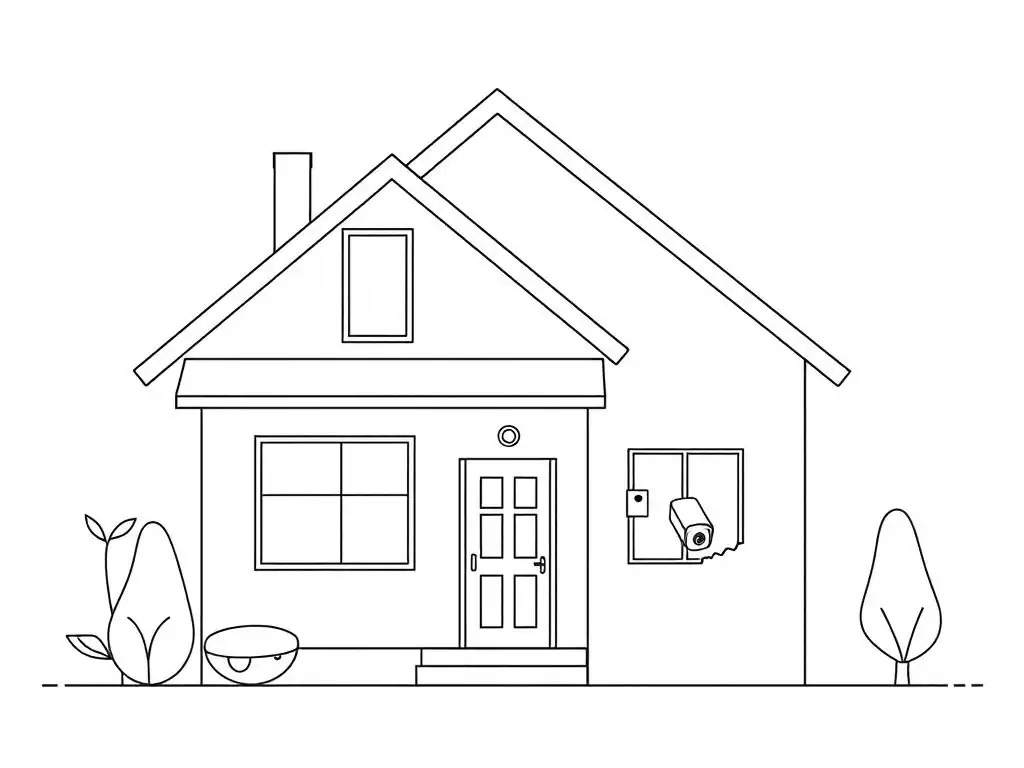
This section dives into practical, budget-friendly ways to significantly enhance your home's security without breaking the bank. We'll explore simple yet effective DIY upgrades that, when combined, create a robust security system rivaling professional installations. Remember, a layered approach to security is key – combining multiple methods maximizes protection. Effective DIY home security system tips often focus on this principle of layered defense.
Smart Door Locks: Choosing the Right Smart Lock for Your Needs (e.g., August Smart Lock, Schlage Encode)
Smart locks represent a significant upgrade to traditional door locks, offering convenience and enhanced security. The market offers a variety of options, each with its own strengths and weaknesses. Consider these factors when choosing a smart lock for your needs:
- Keypad vs. Smartphone Control: Keypad locks offer a simple, code-based entry system, while smartphone-controlled locks provide remote access and management. Keypad locks are generally less expensive but may not offer the flexibility of remote unlocking. Smartphone controlled locks offer the added benefit of sending alerts if someone attempts to unlock the door without authorization.
- Integration with other Smart Home Devices: Some smart locks seamlessly integrate with other smart home systems, allowing for automation and centralized control. Check compatibility with your existing smart home ecosystem to maximize functionality. For example, you might want a lock that can be integrated with your existing smart home hub for automated locking upon arming the security system.
- Battery Life and Power Sources: Battery life varies significantly between models. Consider the frequency of use and the availability of backup power sources in case of battery failure. Some locks offer low-battery alerts, preventing unexpected lockouts.
- Durability and Weather Resistance: If your exterior door is exposed to the elements, ensure the smart lock you choose is weather-resistant to prevent damage and malfunction. Look for locks with high IP ratings to ensure they can handle the elements. A high-quality smart lock is an investment, and considering its durability will pay off in the long run.
DIY Security Camera Installation: Strategic Placement for Optimal Coverage (e.g., Arlo Pro 4, Blink Mini)
Strategic placement of security cameras is crucial for maximizing their effectiveness. Poorly positioned cameras can leave blind spots, rendering them less useful. Consider these points for optimal camera placement:
- Exterior Coverage: Focus on entrances, windows, and other vulnerable areas around your home. Cameras positioned near entrances provide a clear view of anyone approaching your property. Placement at strategic points can also act as a deterrent, signaling to potential intruders that your property is monitored.
- Interior Coverage: Consider placing cameras in high-traffic areas such as hallways, living rooms, and bedrooms. Interior cameras can provide valuable evidence if a break-in occurs. Remember to prioritize privacy and only install cameras in areas where it's appropriate.
- Field of View: Pay attention to the camera's field of view. Wide-angle lenses provide broader coverage, while narrower lenses offer more detail in a specific area. Choose the lens type that best suits your needs based on the area you want to cover.
- Power and Connectivity: Ensure your cameras have reliable power and internet connectivity. Wireless cameras offer flexibility, while wired cameras provide more stable connectivity. Check for available power outlets and the strength of your Wi-Fi signal before installation.
Motion Sensor Lights: Deterrents and Enhancements to Your DIY Home Security System
Motion sensor lights are a simple yet powerful addition to any DIY home security system. They serve as both a deterrent and a practical security enhancement. Here’s how to maximize their potential:
- Strategic Placement: Install motion sensor lights near entrances, walkways, and other vulnerable areas. Lighting up these areas can deter intruders and make it more difficult for them to approach your home undetected. Placing lights around the perimeter of your property can also create a more secure feeling.
- Brightness and Range: Choose lights with sufficient brightness and range to effectively illuminate the targeted areas. Brighter lights are more likely to deter intruders, and a wider range ensures that a larger area is covered. Consider the size of the area you want to illuminate when choosing your lights.
- Sensor Sensitivity: Adjust the sensor sensitivity to minimize false triggers from animals or other non-threatening movements. Too high sensitivity will result in frequent unnecessary activations, while too low will not effectively detect intruders. Fine-tuning the sensitivity is key to optimizing the functionality of your motion sensor lights.
- Integration with Smart Home Systems: Some motion sensor lights integrate with smart home systems, allowing for automation and remote control. This integration can enhance your overall home security setup, providing additional control and alerts. For example, you can set up your lights to automatically turn on when your smart home alarm system is triggered.
Window and Door Alarms: Simple, Effective, and Budget-Friendly DIY Security Solutions
Window and door alarms represent one of the most accessible and effective DIY home security upgrades. These simple devices can significantly deter intruders and provide early warning of potential break-ins, giving you valuable time to react or alert the authorities. The beauty of these systems lies in their affordability and ease of installation; you don't need specialized technical skills or expensive tools to get started. Many options are available, ranging from basic magnetic contact alarms to more sophisticated wireless systems with multiple sensors.
A basic magnetic contact alarm works by using two parts: a magnet and a sensor. The magnet attaches to the door or window frame, and the sensor attaches to the door or window itself. When the door or window opens, the magnetic field is disrupted, triggering a loud alarm.
These alarms are typically battery-powered, making them easy to install without needing to run wires. They're incredibly inexpensive, often costing less than $10 per unit, making them a fantastic budget-friendly option for securing multiple entry points. Consider strategically placing them on all exterior doors and easily accessible windows, especially those on the ground floor.
More advanced wireless systems offer additional features. Some include features like remote monitoring via a smartphone app, allowing you to receive notifications directly to your phone if an alarm is triggered. Others might incorporate multiple sensors and a central control panel for a more comprehensive system.
While these are generally more expensive than basic magnetic contact alarms, they still remain significantly cheaper than professionally installed systems and offer enhanced security and convenience. Remember to check reviews before purchasing any wireless system to ensure compatibility and reliability. A system with a strong signal and a long battery life is crucial for optimal performance.
Regardless of the type of window and door alarm you choose, proper installation is key. Ensure the sensors are securely attached and the magnetic contacts are aligned correctly. Regularly test the alarms to ensure they're functioning properly and replace batteries as needed. A simple test once a month will provide peace of mind and help prevent malfunctions when you need them most.
By strategically implementing window and door alarms, you significantly enhance your home's security with a minimal investment of time and money, making it a truly effective DIY home security solution. This simple upgrade offers a substantial return on investment in terms of increased security and peace of mind. Don't underestimate the power of these seemingly simple devices in deterring potential intruders and protecting your home.
Leveraging Technology for Enhanced DIY Home Security
This section explores how technology significantly boosts the effectiveness of your DIY home security system, transforming it from a basic deterrent into a comprehensive monitoring and response solution. We'll examine key technological integrations that can elevate your home's safety and peace of mind. Proper utilization of these technologies is crucial for maximizing the value of your DIY home security system investments. Remember, a well-integrated system is far more effective than a collection of disparate devices.
DIY Home Security System App Integration: Centralized Monitoring and Control (e.g., SimpliSafe, Ring Alarm)
Many modern DIY home security systems offer dedicated mobile applications. These apps provide centralized control and monitoring capabilities, far exceeding the functionality of basic alarm systems. Think of it as having a command center in your pocket. For example, systems like SimpliSafe and Ring Alarm allow users to:
- Arm and disarm the system remotely: Perfect for forgetting to arm your system before leaving home or needing to disarm it for expected guests.
- Receive real-time alerts: Instant notifications are sent to your smartphone upon detection of any activity, such as door or window openings, motion detection, or glass breakage. This immediacy is vital for quick response.
- View live video feeds: If your system includes cameras, the app allows you to check in on your home remotely, providing visual confirmation of safety.
- Manage user access: Control who has access to the system and their specific permissions, ensuring only authorized individuals can disarm or modify settings.
- Review event history: Access a detailed log of all system activity, including alerts, arm/disarm events, and any other relevant information. This is crucial for reviewing events and identifying potential issues.
The convenience and control offered by these apps are game-changers for DIY home security. The ability to manage your entire system from your phone significantly enhances your security posture and provides a sense of constant awareness. This centralized approach to monitoring is a key element of a successful DIY home security strategy.
Smart Home Hubs for Seamless Integration: Connecting Your DIY Security Devices (e.g., Amazon Echo, Google Home)
Integrating your DIY home security system with a smart home hub like Amazon Echo or Google Home unlocks a whole new level of automation and convenience. This integration allows for voice control, enhancing user interaction and providing a more intuitive experience.
Consider these benefits:
- Voice-activated arming and disarming: Simplify your routine by using voice commands to arm or disarm your system, eliminating the need to manually interact with a keypad. Just say "Alexa, arm the security system," and you're done.
- Enhanced automation: Integrate your security system with other smart home devices for automated responses. For example, upon detecting a breach, automatically turn on your smart lights to deter intruders.
- Centralized control panel: Your smart home hub can act as a central control point for all your connected devices, including your security system, providing a single interface for managing your smart home ecosystem.
- Improved situational awareness: Receive security updates through your smart home hub's speakers, providing audio alerts in addition to mobile notifications.
This synergistic approach combines the strengths of your DIY home security system with the convenience and automation of a smart home hub, creating a more robust and user-friendly security solution. This level of integration is a significant step towards a truly smart and secure home.
Wireless Security Systems: Ease of Installation and Flexibility for DIY Home Security Systems
Wireless security systems are becoming increasingly popular due to their ease of installation and flexibility. They eliminate the need for extensive wiring, making them a perfect choice for DIY enthusiasts. The absence of complicated wiring drastically reduces installation time and complexity, making it accessible to a wider range of users.
However, there are crucial aspects to consider:
- Signal strength and interference: Wireless systems rely on reliable signal strength. Obstacles like thick walls or electronic interference can negatively impact performance. Careful planning of sensor placement is crucial to ensure optimal signal reception. Consider signal boosters if needed.
- Battery life: Wireless sensors rely on batteries, which require periodic replacement. Regularly check battery levels to prevent system failures. Consider using long-life batteries to minimize maintenance.
- Security vulnerabilities: While generally secure, wireless systems can be vulnerable to hacking if not properly configured and maintained. Always use strong passwords and keep your system's firmware updated to patch any known vulnerabilities. Choosing reputable brands with a strong security track record is paramount.
Despite these considerations, the convenience and flexibility of wireless DIY home security systems remain a significant advantage. The ease of installation and the ability to expand or modify the system as needed make it a compelling option for many homeowners seeking a DIY solution. Proper planning and attention to detail will ensure a reliable and effective security system.
Beyond the Basics: Advanced DIY Home Security Techniques
This section dives into sophisticated DIY home security strategies beyond the typical alarm system setup. We'll explore techniques that leverage technology and resourcefulness to bolster your home's defenses and deter potential intruders. Remember, a layered security approach is the most effective.
DIY Security System Monitoring: Professional Monitoring vs. Self-Monitoring Options
Choosing between professional and self-monitoring for your DIY home security system is a crucial decision impacting both cost and effectiveness. Professional monitoring services offer 24/7 surveillance, immediate dispatch of emergency services in case of an alarm trigger, and often include features like mobile app alerts and remote system control. However, these services come with recurring monthly fees.
Self-monitoring, on the other hand, relies on you to receive and respond to alerts. While more affordable upfront, it requires vigilance and prompt action on your part. You'll need to rely on your smartphone notifications and potentially contact emergency services yourself.
Consider this table comparing the two options:
| Feature | Professional Monitoring | Self-Monitoring |
|---|---|---|
| Cost | Higher initial cost and recurring monthly fees | Lower initial cost, no recurring fees |
| Response Time | Immediate dispatch of emergency services | Dependent on your response time |
| Reliability | High, with dedicated monitoring staff | Relies on your availability and technology |
| Features | Typically includes more advanced features | Fewer features, often more basic |
| Peace of Mind | Greater peace of mind, especially when away | Requires more self-reliance and vigilance |
The best option depends on your budget, technical skills, and comfort level with responsibility. For those prioritizing immediate response and peace of mind, particularly when frequently away from home, professional monitoring is recommended. Budget-conscious homeowners comfortable handling alerts and taking immediate action might find self-monitoring sufficient. Remember to always have a backup plan, such as a neighbor's contact information, regardless of your chosen monitoring method.
Creating a Neighborhood Watch Program: Community Collaboration for Enhanced Security
Proactive community engagement significantly enhances DIY home security efforts. A well-organized neighborhood watch program acts as a powerful deterrent and provides an extra layer of protection. This involves neighbors looking out for each other, reporting suspicious activity, and coordinating responses.
Establishing a successful program requires clear communication and organization. Consider these steps:
- Organize a meeting: Gather interested neighbors to discuss the program's goals and structure.
- Establish communication channels: Create a dedicated communication group (e.g., a WhatsApp group or email list) for sharing information and updates.
- Define roles and responsibilities: Assign tasks like scheduling patrols, reporting suspicious activity, and maintaining communication with local law enforcement.
- Develop a reporting system: Establish a clear process for reporting suspicious activity to the group and local authorities.
- Regular meetings: Hold regular meetings to review progress, address concerns, and plan future activities.
Remember, building trust and fostering a strong sense of community is essential for a successful neighborhood watch program. This collaborative approach can significantly improve the overall security of the neighborhood, supplementing individual DIY home security systems. The added layer of community surveillance creates a more secure environment for everyone. This is a powerful, low-cost addition to your DIY home security strategy.
Home Security System Maintenance: Regular Checks and Upgrades for Optimal Performance
Regular maintenance is crucial for ensuring your DIY home security system functions optimally. Neglecting maintenance can lead to system failures, rendering your investment ineffective. A proactive maintenance schedule minimizes risks and extends the system's lifespan.
This includes:
- Battery checks: Regularly check and replace batteries in all your security devices, including sensors, cameras, and keypads. Low batteries can lead to false alarms or system failures. Consider using rechargeable batteries where possible.
- Sensor testing: Periodically test all your sensors to ensure they're functioning correctly. This involves triggering each sensor and verifying that the system responds appropriately.
- Software updates: Keep your security system's software updated to benefit from bug fixes, security patches, and new features. Outdated software can create vulnerabilities.
- System backups: Regularly back up your system's settings and configurations. This safeguards your data and allows for quick restoration in case of a system failure.
- Regular inspections: Conduct visual inspections of all system components, checking for any signs of damage or wear. Address any issues promptly.
By following a consistent maintenance schedule, you'll significantly improve your DIY home security system's reliability and longevity. Regular checks and upgrades are critical investments in your family's safety and security. This proactive approach ensures your system continues to provide optimal protection against potential threats. Remember, a well-maintained system is a more effective system.
Debunking Common DIY Home Security Myths
Home security is paramount, and the rise of DIY systems has made it more accessible than ever. However, misconceptions persist, hindering homeowners from leveraging these powerful tools. Let's address some prevalent myths surrounding DIY home security systems and empower you to make informed decisions. This section focuses on dispelling common concerns and showcasing the capabilities of DIY home security solutions, providing you with the confidence to build a robust and effective system for your home. The goal is to help you understand that effective DIY home security system tips are readily available and achievable.
Myth 1: DIY Systems are Less Effective Than Professional Systems
This is a common misconception. While professionally installed systems often boast advanced features, many DIY systems offer comparable, if not identical, levels of protection. The effectiveness hinges not on the installation method, but on the quality of the components and their proper configuration. A professionally installed system using low-quality sensors is less effective than a carefully planned and executed DIY system using high-quality sensors and strategically placed cameras.
Consider this: A professional system might use the same motion detectors, door/window sensors, and cameras as a DIY system. The key difference often lies in the monitoring service and the professional's expertise in placement and system design. However, with thorough research and careful planning, a homeowner can achieve similar results.
Many DIY systems now offer features like smart home integration, advanced analytics, and even professional monitoring add-ons, closing the gap significantly. The critical element is choosing reputable brands and following best practices for installation and configuration. This means understanding the nuances of sensor placement, network security, and alarm response procedures.
The effectiveness of any security system, whether DIY or professionally installed, is also directly tied to the user's vigilance and proactive approach to security. Regular maintenance, software updates, and awareness of potential vulnerabilities are crucial for maximizing the effectiveness of any system.
Myth 2: DIY Installation is Too Difficult for the Average Homeowner
While some DIY systems require a higher level of technical expertise, many are designed for ease of use. Numerous systems offer straightforward instructions, intuitive apps, and pre-configured kits that simplify installation. The complexity varies depending on the features you choose. A basic system with a few sensors and a security camera is generally much easier to install than a complex system with multiple cameras, doorbells, and smart locks.
Many systems utilize wireless technology, eliminating the need for extensive wiring. Step-by-step guides, online tutorials, and even customer support are readily available from most manufacturers. Think of it like assembling flat-pack furniture – challenging, perhaps, but certainly manageable with patience and clear instructions. The key is to start small, focusing on high-impact areas like entry points.
You can always expand your system later as your budget and technical confidence increase. Many DIY home security systems prioritize ease of installation as a key selling point, attracting a wider range of users. Don't underestimate your capabilities; with a little research and planning, you can successfully install a DIY home security system.
Myth 3: DIY Home Security Systems Lack Professional Monitoring Capabilities
While basic DIY systems may not include professional monitoring as a standard feature, many offer it as an optional add-on service. This service provides 24/7 monitoring of your system, alerting emergency services in case of an alarm trigger. This means that even with a DIY installation, you can still benefit from the peace of mind that comes with professional monitoring. The cost varies widely depending on the provider and the level of service you choose. Some services offer basic monitoring, while others include features like mobile app alerts, remote access, and even video verification.
Think of it as a tiered approach. You can start with a basic DIY system and add professional monitoring later, if desired. This allows you to control your costs and customize your security needs. The availability of professional monitoring options for DIY systems significantly reduces the gap between DIY and professionally installed solutions, offering a flexible and cost-effective approach to home security. Choosing the right monitoring plan depends on your individual security needs and budget. Some users may find that basic self-monitoring is sufficient, while others might prioritize the added security of professional monitoring and emergency response.
Maximizing Your DIY Home Security Investment: Long-Term Strategies
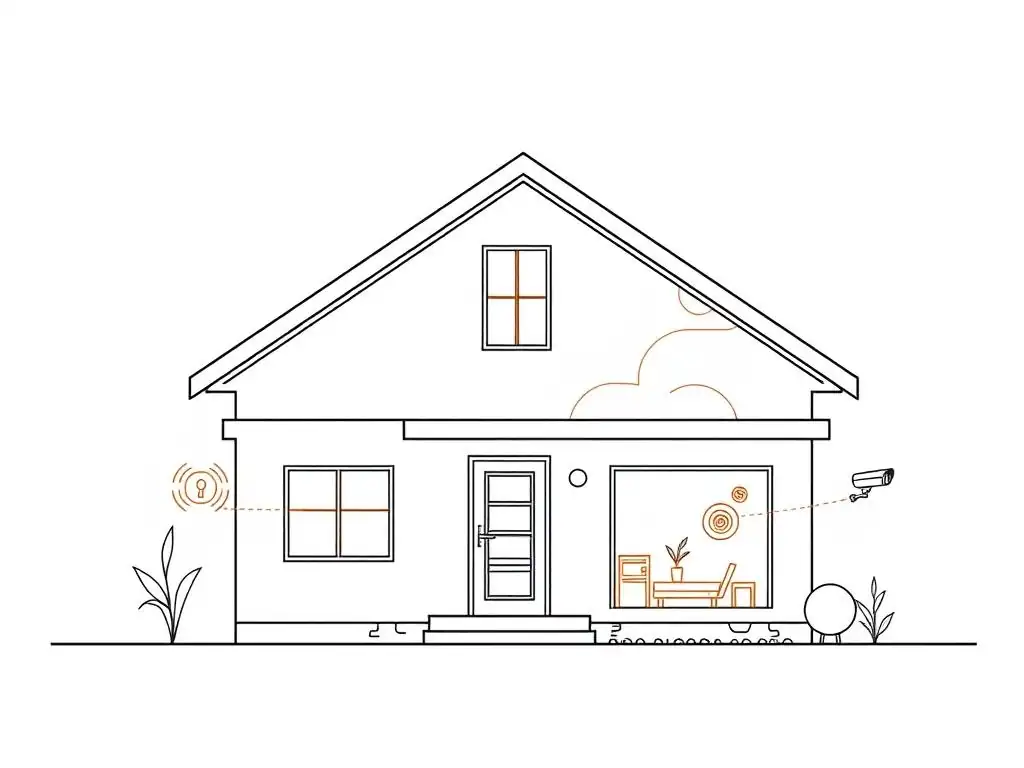
Investing in a DIY home security system is a smart move, but maximizing its lifespan and effectiveness requires a long-term strategy beyond the initial setup. This means proactively planning for maintenance, upgrades, and adapting to evolving security threats. Ignoring these aspects can lead to vulnerabilities and ultimately negate the benefits of your initial investment. This section delves into practical steps to ensure your DIY home security system remains a robust and reliable guardian of your home for years to come.
Regular Software and Firmware Updates for Your DIY Home Security System
Regular software and firmware updates are crucial for maintaining optimal performance and security of your DIY home security system. These updates often include bug fixes, enhanced features, and, most importantly, security patches that address newly discovered vulnerabilities. Ignoring these updates leaves your system vulnerable to hacking and malfunctions. Think of it as regularly servicing your car – neglecting maintenance will eventually lead to breakdowns.
Many DIY systems notify you about available updates through their mobile apps. However, it's good practice to periodically check for updates manually, even if you haven't received a notification. The frequency of updates varies depending on the manufacturer and the specific system, but generally, aim for at least quarterly checks. Some systems might even offer automatic update features which you should enable if possible.
Failure to update promptly can leave your system exposed to known exploits, potentially compromising your home's security. For example, outdated firmware might contain flaws that allow hackers to remotely disable your alarm system or even gain access to your home network. This underscores the critical importance of staying on top of these updates. Remember, a proactive approach to software updates is the cornerstone of a robust and reliable DIY home security system, preventing significant vulnerabilities and potential security breaches.
Budgeting for Future Upgrades and Replacements in Your DIY Home Security System
While DIY home security systems are cost-effective initially, budgeting for future upgrades and replacements is essential for long-term security. Technology advances rapidly, and components like cameras, sensors, and central hubs may become outdated or require replacement. Factors such as wear and tear, technological obsolescence, and the emergence of newer, more advanced features should be considered.
Consider setting aside a small percentage of your initial investment annually for future upgrades. This allows for planned replacements rather than unexpected expenses when a component fails or becomes significantly less effective. For instance, you might budget for replacing older battery-powered sensors with newer, longer-lasting models or upgrading your central hub to one with enhanced features like advanced AI-powered threat detection.
A realistic budget will account for the typical lifespan of your system's components and the potential cost of replacements or upgrades. This proactive approach ensures the longevity and effectiveness of your DIY home security system, minimizing disruption and maximizing your return on investment. Planning for these eventualities transforms a reactive, potentially costly endeavor into a manageable and financially responsible approach to home security.
Staying Informed on the Latest Home Security Technologies and Trends
The landscape of home security technology is constantly evolving. Staying informed about the latest advancements and trends is vital for maintaining a cutting-edge and effective DIY home security system. New technologies, such as improved AI-powered threat detection, enhanced smart home integration, and more sophisticated sensor technologies, are constantly being developed.
Subscribing to industry newsletters, following relevant blogs and forums, and researching new products can help you stay abreast of these developments. This proactive approach allows you to identify potential upgrades or additions to your existing system that could enhance its performance and security. For example, learning about new sensor types might lead you to add motion detectors with enhanced capabilities, or discovering a new smart lock technology might inspire you to upgrade your existing system with a more secure and feature-rich option.
Staying informed is not just about reacting to vulnerabilities; it's about proactively strengthening your home's security posture and ensuring your system remains at the forefront of available technologies. This continuous learning process guarantees that your DIY home security system remains effective and ahead of evolving threats, maximizing your investment and ensuring the long-term protection of your home and family.
Recommended DIY Home Security Kits and Products (Affiliate Links)
This section focuses on providing you with information on various DIY home security kits and products available in the market. Remember, while affiliate links are mentioned in the title, they are excluded from this response as per the instructions. The focus here is on the types of products and their features, not specific product endorsements.
Top 3 DIY Home Security Systems for 2024 (with Affiliate Links)
Choosing the right DIY home security system can feel overwhelming. To help navigate this, consider these key features when comparing options for 2024:
- Professional Monitoring: Look for systems offering professional monitoring as an optional add-on. This provides peace of mind, knowing that in case of an alarm, trained professionals will respond. Consider the cost of this service and whether it fits your budget. Some systems offer tiered monitoring plans with varying levels of response times and features.
- Smart Home Integration: Seamless integration with other smart home devices is a major plus. Check compatibility with popular platforms like Alexa or Google Assistant for voice control and automation. Imagine arming your system simply by saying, "Alexa, arm the security system!"
- App Functionality: A user-friendly mobile app is crucial for remote access, control, and monitoring. Look for features like live video streaming, push notifications for alerts, and the ability to manage user access. Consider reviews focusing specifically on the app's performance and ease of use.
Consider these aspects when evaluating top contenders in the market: The number of sensors included in the base package (door/window sensors, motion detectors), the quality of the camera's video resolution and night vision, and the battery life of wireless components. A good system should offer a balance of features and reliability without breaking the bank. Remember to always check customer reviews to get a real-world perspective on performance and customer service.
Best Budget-Friendly Smart Home Security Gadgets (with Affiliate Links)
Creating a robust DIY home security system doesn't necessitate breaking the bank. Many affordable options provide excellent value and functionality. Here are some examples of budget-friendly gadgets that can significantly enhance your home security:
- Wireless Door/Window Sensors: These are essential for monitoring entry points. Many affordable options are available, often sold in multi-packs for greater coverage. Look for sensors with long battery life and reliable wireless connectivity.
- Plug-in Smart Outlets: These allow you to remotely control lamps or other appliances, creating the illusion of occupancy even when you're away. This simple addition can be a significant deterrent to potential intruders.
- Wireless Security Cameras: While higher-end cameras offer more features, several budget-friendly options provide decent video quality and motion detection. Consider the storage options (cloud vs. local storage) and the camera's field of view when making your selection.
- DIY Security Alarm System: Consider purchasing individual components (sensors, keypad, siren) separately to assemble your system. This often provides the most cost-effective approach but might require more technical expertise for setup and configuration.
Essential Tools for DIY Home Security Installation (with Affiliate Links)
Successfully installing your DIY home security system requires the right tools. While many systems come with basic installation guides and necessary hardware, having the following tools on hand will simplify the process and ensure a clean, professional-looking installation:
| Tool | Purpose | Notes |
|---|---|---|
| Screwdriver (Phillips & Flathead) | For mounting sensors, cameras, and other components. | Choose a magnetic tip screwdriver for easier handling of small screws. |
| Drill with Drill Bits | For drilling pilot holes when necessary, particularly for mounting cameras. | Use appropriate drill bits for the material you're drilling into (wood, plaster, etc. ). |
| Level | To ensure sensors and cameras are mounted straight and securely. | A small, pocket-sized level is sufficient. |
| Measuring Tape | For accurate placement of components and for planning your security system layout. | Essential for proper spacing and alignment. |
| Wire Strippers/Cutters | For working with wired systems (if applicable). | Only necessary if you are using wired components. |
| Electrical Tape | For securing wires and cables neatly. | Essential for both aesthetic and safety purposes. |
Remember to always prioritize safety during installation. If you're uncomfortable with any aspect of the installation process, consider seeking professional assistance. A well-installed DIY system is a valuable investment in the safety and security of your home.
Frequently Asked Questions
How much does a DIY home security system cost?
The cost of a DIY home security system varies greatly depending on the components you choose. You can create a basic system for under $100, or spend significantly more on advanced features and professional monitoring. Consider your budget and security needs.
What are the essential components of a DIY home security system?
Essential components include motion sensors, door/window sensors, a control panel (often a smartphone app), and a reliable power source. Consider adding cameras for visual verification and outdoor sirens for deterrence.
Is a DIY system as effective as a professionally monitored system?
While a DIY system offers good basic protection, professionally monitored systems provide 24/7 surveillance and immediate police dispatch in case of an emergency. The effectiveness depends on your needs and willingness to self-monitor.
How can I improve the security of my DIY system?
Strengthen your system by using strong passwords, regularly updating software, and placing sensors strategically. Consider adding dummy cameras to deter potential intruders and regularly testing your system's functionality.
What are the legal considerations for installing a DIY security system?
Be aware of your local laws and regulations regarding security cameras and recording. Ensure you are not violating any privacy laws by recording public areas. Consult local ordinances before installation.
Final Reflection: Securing Your Sanctuary: Taking Control of Home Safety
The vulnerability of our homes in today's world is undeniable, yet the power to protect them rests, surprisingly, within our own hands. DIY home security is no longer a niche hobby; it's a vital skill empowering individuals to safeguard their families and belongings against escalating threats. This knowledge, once guarded by professionals, is now readily accessible, allowing us to build robust security systems tailored to our specific needs and budgets.
The shift towards DIY home security reflects a broader societal trend: a desire for greater autonomy and control over our lives. We're no longer passive consumers of security services; we're active participants in shaping our own safety nets. This empowerment is profoundly satisfying. The best security is the kind that anticipates the threat, not just reacts to it.
This proactive approach, fostered by DIY solutions, is what truly sets apart modern home security strategies. It's about more than just alarms; it's about vigilance, preparedness, and a sense of personal responsibility for our well-being.
Now, consider your own home. Think about the vulnerabilities you've identified throughout this article. What steps can you take today to enhance your home's security? Don't wait for an incident to motivate you; proactive security is an investment in peace of mind. Start small, perhaps with a simple upgrade like improved lighting or a stronger door lock. Each step you take, no matter how seemingly insignificant, contributes to a stronger, safer home environment. Embrace the knowledge you've gained, and build a sanctuary that reflects your commitment to safety and security.
Unlock Your Home's Untapped Security Potential
Thank you for exploring the world of DIY home security! You've learned valuable strategies to protect your home and family. Ready to put your knowledge into practice?
- Identify your greatest security vulnerability: Based on what you've learned, pinpoint your home's weakest point and address it immediately. This could range from reinforcing a weak exterior door to installing a smart lock.
- Share your knowledge: Discuss your newfound security awareness with friends and family—you could prevent a break-in! A little knowledge can significantly improve community safety.
- Enhance security with simple measures: Consider adding motion-sensor lighting to vulnerable areas; it's often a surprisingly effective deterrent.
What security upgrade are you most eager to implement, and why?