
The Future of Home Security: Exploring Advanced Professional Options

Ready to unlock a world of effortless efficiency and enhanced security? UltimateLifeHacks is your gateway to smarter living, packed with practical tips and game-changing strategies. But first, let's delve into the crucial topic of Professional home security systems. Are you truly protected, or just feeling safe? Discover how advanced technology is revolutionizing home security in our latest article, "The Future of Home Security: Exploring Advanced Professional Options," and prepare to transform your home into an impenetrable fortress. Let's get started!
- Understanding the Need for Professional Home Security Systems
-
Key Features of Top-Tier Professional Home Security Systems
- 24/7 Professional Monitoring: The ADT Advantage and Alternatives
- Smart Home Integration: Connecting Your Security System to Your Smart Home Hub
- Advanced Sensors and Detection: Motion Sensors, Door/Window Sensors, and More
- Video Surveillance and Remote Access: Viewing Your Property from Anywhere
- AI-Powered Security Features: Facial Recognition, Intrusion Detection, and Smart Alerts
- Comparing Leading Professional Home Security System Providers
- SimpliSafe vs. Ring Alarm Pro: Features, Pricing, and Performance
- Frontpoint Security System Review: Strengths and Weaknesses
- Choosing the Right Professional Home Security System for Your Needs
- Maximizing Your Home Security Investment: Additional Tips and Strategies
- The Future of Professional Home Security Systems: Emerging Trends
- Frequently Asked Questions about Professional Home Security Systems
-
Frequently Asked Questions
- What makes a professional home security system different from a DIY system?
- How much does a professional home security system typically cost?
- What are the key features to look for in a professional home security system?
- How do I choose the right professional home security system provider?
- Is professional installation necessary for a home security system?
- Final Reflection: Securing Our Tomorrow, Today
- Unlock Your Home's Potential: Enhance Your Security Today!
Understanding the Need for Professional Home Security Systems
The modern home is a hub of valuable possessions and irreplaceable memories. Protecting this sanctuary from intrusion and damage is paramount, demanding more than just a simple lock on the door. This article delves into the evolving landscape of home security, focusing specifically on the advantages and intricacies of professional home security systems.
We'll explore why investing in a professionally installed and monitored system is a crucial step towards safeguarding your family, your belongings, and your peace of mind. In a world increasingly reliant on technology, choosing the right professional system is no longer a luxury but a necessity for effective security and preventative measures against escalating threats.
This guide will equip you with the knowledge to make an informed decision, allowing you to navigate the complexities of the market and select a system tailored to your specific needs and budget. We will examine the key features that differentiate professional systems from DIY options, highlighting the benefits of professional installation, monitoring, and ongoing support.
Rising Crime Rates and the Importance of Deterrence
Crime statistics reveal a concerning trend: [specific information pending on regional crime rate increases]. This rise underscores the critical need for robust security measures. A professionally installed security system acts as a powerful deterrent. Visible security cameras and signage significantly reduce the likelihood of attempted burglaries.
Potential intruders are far less likely to target a home protected by a visible and known security system, thus decreasing the chances of becoming a victim. Moreover, professional systems often incorporate advanced features designed specifically to deter criminals, such as bright exterior lighting triggered by motion sensors, and loud alarms that alert neighbors and authorities. The psychological impact of a professional security system is undeniable – it sends a clear message that your home is protected and not an easy target. 📈
Protecting Your Family and Assets: A Comprehensive Approach
A professional home security system offers far more than just basic alarm functionality. It provides a comprehensive approach to safeguarding your family and assets. This includes features such as:
- 24/7 Professional Monitoring: In the event of a break-in or other emergency, professional monitoring services immediately alert emergency services, significantly reducing response times and improving the chances of apprehending perpetrators and recovering stolen property.
- Advanced Sensors and Detectors: Beyond simple door and window sensors, professional systems often integrate smoke detectors, carbon monoxide detectors, and even flood sensors, providing comprehensive protection against a wider range of threats.
- Remote Access and Control: Many professional systems offer smartphone apps that allow you to monitor your home security, arm and disarm the system remotely, and receive real-time alerts, giving you peace of mind wherever you are. This remote access becomes especially valuable when you're traveling or away from home.
- Video Surveillance and Recording: High-definition cameras provide visual evidence in case of an incident, aiding in investigations and potentially leading to the apprehension of criminals. Cloud-based storage ensures that your recordings are safe and readily accessible.
Beyond Basic Alarm Systems: The Power of Advanced Technology
Professional home security systems leverage cutting-edge technology to enhance protection and provide additional features. This often includes:
- AI-Powered Analytics: Some systems utilize artificial intelligence to analyze video footage and identify potential threats, such as unusual activity or suspicious individuals, sending targeted alerts to homeowners and monitoring services.
- Smart Home Integration: Many professional systems seamlessly integrate with other smart home devices, allowing for automated responses to security events and creating a cohesive smart home ecosystem. For example, lights can automatically turn on when a motion sensor is triggered.
- Geofencing: This technology allows the system to automatically arm or disarm based on your location, providing an extra layer of convenience and security.
- Enhanced Security Protocols: Professional systems typically utilize advanced encryption and security protocols to protect your data and prevent unauthorized access. This ensures that your personal information and security settings remain confidential and secure.
The integration of these advanced technologies elevates professional home security systems beyond basic alarm systems, transforming them into proactive and intelligent guardians of your home and family. Choosing a system with these features ensures you are investing in the best available protection for your most valuable assets.
Key Features of Top-Tier Professional Home Security Systems
Professional home security systems offer a significant upgrade from DIY solutions, providing enhanced protection and peace of mind. Several key features distinguish these systems, making them a worthwhile investment for those prioritizing robust security measures. Understanding these features is crucial when choosing a system that best suits your individual needs and budget.
We'll explore some of the most important aspects that differentiate professional systems from basic alarm systems. The focus will be on features that provide a higher level of security and smart home integration capabilities. This will help you make informed decisions when selecting a professional home security system.
24/7 Professional Monitoring: The ADT Advantage and Alternatives
24/7 professional monitoring is arguably the most critical feature of a top-tier professional home security system. This service provides continuous surveillance of your property, ensuring rapid response in case of an emergency. Companies like ADT are well-known for their extensive monitoring networks and quick response times. Their monitoring centers employ trained professionals who are equipped to handle various situations, from burglar alarms to medical emergencies.
The ADT advantage lies in their established infrastructure and reputation for reliability. However, several other reputable companies offer equally robust professional monitoring services, often with competitive pricing and feature packages. Choosing the right provider often depends on factors like geographic coverage, response time guarantees, and the specific features offered within their monitoring plans. Consider factors such as:
- Response Time Guarantees: Look for providers who guarantee a rapid response to alarms, specifying the average time it takes for them to contact emergency services.
- Communication Methods: Check if the monitoring center uses multiple communication methods (phone, text, email) to contact you and emergency services.
- Mobile App Integration: A robust mobile app allows you to monitor your system remotely and receive real-time alerts.
- Emergency Services Dispatch: Verify the provider's ability to directly dispatch police, fire, or medical services in case of an emergency.
The selection of a professional monitoring service is a vital decision in securing your home. Don't underestimate the value of a reliable monitoring center that can act as your vigilant guardian, day and night. Thoroughly research different options and compare their service level agreements before making a commitment. This proactive approach ensures you receive the best protection for your family and property.
Smart Home Integration: Connecting Your Security System to Your Smart Home Hub
Modern professional home security systems often seamlessly integrate with your existing smart home ecosystem. This integration expands functionality and convenience, allowing you to control various aspects of your home security through a central hub or app. This interconnectedness enhances both security and user experience.
For instance, you might arm/disarm your security system, receive notifications about triggered sensors, and even control smart lighting and locks directly through your security system's app or compatible smart home platform. This level of integration offers a sophisticated and convenient approach to home security management. The ability to remotely monitor your home, receive alerts, and control other smart devices adds a layer of proactive security and convenience.
Consider these aspects of smart home integration:
- Compatibility: Ensure your chosen system is compatible with your existing smart home devices and platforms (e.g., Amazon Alexa, Google Home, Apple HomeKit).
- App Functionality: A user-friendly app with intuitive controls and real-time notifications is crucial for effective remote management.
- Automation Options: Explore systems that offer automation features, such as automatically turning on lights when a sensor is triggered or locking doors remotely.
- Data Privacy: Understand the data privacy policies of both your security system provider and your smart home platform.
This integration offers more than just convenience; it enhances security by allowing for proactive responses and remote management. A well-integrated system can provide a comprehensive and streamlined approach to home protection and automation.
Advanced Sensors and Detection: Motion Sensors, Door/Window Sensors, and More
Beyond basic door and window sensors, professional systems incorporate a range of advanced sensors to enhance detection capabilities. These advanced sensors provide a more comprehensive and nuanced approach to security. Motion sensors, for example, can detect movement within the protected area, triggering an alarm even if doors or windows remain untouched.
Some systems utilize sophisticated technology like glass-break sensors, which specifically detect the sound of breaking glass, offering an added layer of protection against forced entry. Furthermore, many professional systems utilize environmental sensors, detecting things like smoke, carbon monoxide, or water leaks, extending their functionality beyond basic security. These features not only enhance security but also contribute to overall home safety and well-being.
Let's delve into some sensor specifics:
- Motion Sensors: These sensors utilize passive infrared (PIR) technology to detect changes in heat signatures, triggering an alarm when movement is detected. Consider the range and sensitivity of the sensors.
- Door/Window Sensors: These are the basic building blocks, detecting when doors or windows are opened or closed. Look for sensors with tamper alerts to detect if someone attempts to disable them.
- Glass-Break Sensors: These sensors detect the high-frequency sounds of breaking glass, providing an early warning of forced entry attempts.
- Environmental Sensors: These sensors detect smoke, carbon monoxide, water leaks, or even temperature fluctuations, providing early warnings about potential hazards.
The diversity and sophistication of sensors available in professional home security systems significantly enhance their effectiveness in detecting threats and protecting your home. Choosing a system with a comprehensive range of sensors is essential for maximizing protection.
Video Surveillance and Remote Access: Viewing Your Property from Anywhere
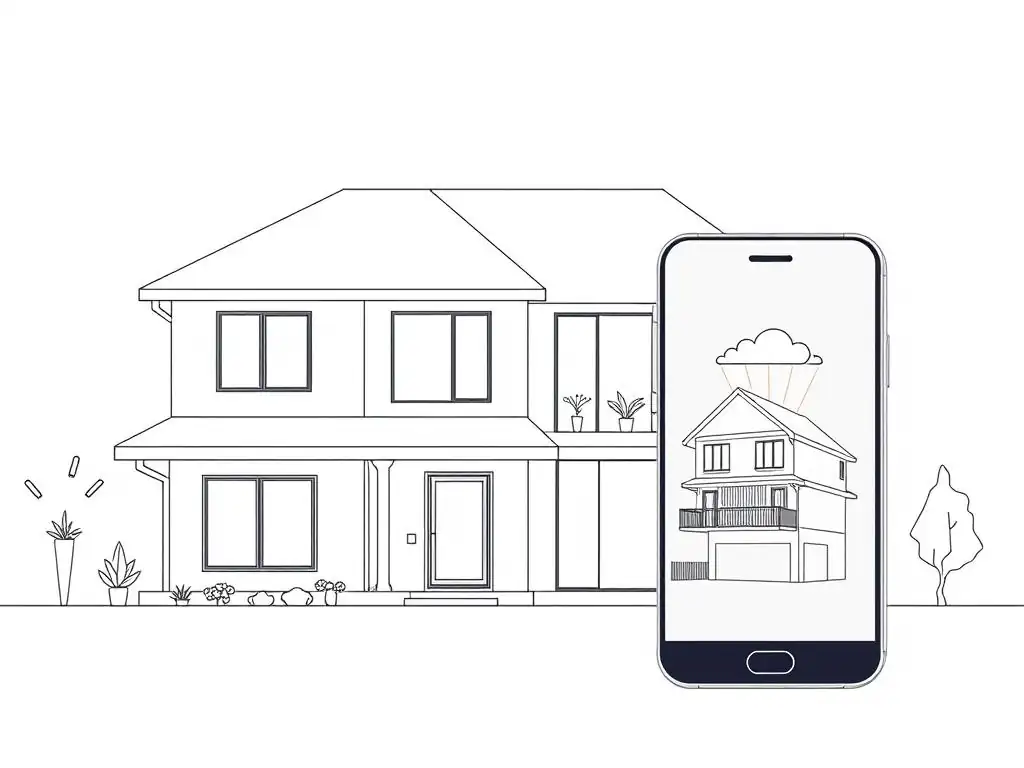
High-definition video surveillance is a cornerstone of modern professional home security systems. Gone are the days of grainy, unreliable footage. Top-tier systems now offer crystal-clear, 1080p or even 4K resolution video feeds from multiple cameras strategically placed around your property. This allows for detailed monitoring of all entry points, as well as key areas like driveways, backyards, and pools. Many systems also provide night vision capabilities, ensuring continuous monitoring regardless of lighting conditions. This is crucial for deterring potential intruders and providing irrefutable evidence in case of a security breach.
The ability to remotely access your video feeds via a smartphone app is equally important. This empowers homeowners to check in on their property anytime, anywhere. Whether you're at work, on vacation, or simply running errands, you can maintain constant vigilance over your home. Many professional systems offer features like real-time notifications, enabling immediate alerts when motion is detected or unusual activity is identified.
This proactive approach allows for quicker response times in case of an emergency, significantly increasing the effectiveness of your security system. The convenience and peace of mind offered by remote access are invaluable assets for today's busy homeowners. Furthermore, some advanced systems provide cloud storage for recorded footage, ensuring that your video data is safe and accessible even if your system is compromised.
AI-Powered Security Features: Facial Recognition, Intrusion Detection, and Smart Alerts
Artificial intelligence is rapidly transforming the home security landscape. Professional systems are incorporating AI-powered features that enhance both security and user experience. Facial recognition technology, for instance, is becoming increasingly sophisticated. It allows the system to differentiate between family members and strangers, reducing the number of false alarms triggered by familiar faces. This is a significant improvement over older systems that relied on simple motion detection, often generating unnecessary alerts.
Intrusion detection is another area where AI is making a difference. Advanced algorithms analyze video feeds in real-time to identify potentially threatening activities, such as forced entry or suspicious loitering. This allows the system to prioritize alerts and provide more accurate assessments of the situation. Instead of simply alerting you to motion, the system can identify the type of motion and determine if it warrants immediate attention. This intelligent approach minimizes false alarms and ensures that you're only alerted to genuine threats.
Smart alerts are crucial for maximizing the effectiveness of your security system. AI-powered systems can customize alerts based on your specific needs and preferences. For instance, you can receive immediate notifications for specific events, such as a door being forced open or a person approaching a window, while ignoring less critical events like a pet moving in the backyard.
This personalized approach reduces alert fatigue and ensures that you're only notified of truly important events. The combination of facial recognition, advanced intrusion detection, and smart alerts provides a comprehensive and highly effective security solution, significantly improving the overall protection of your home and family.
Comparing Leading Professional Home Security System Providers
This section delves into a direct comparison of two prominent players in the professional home security systems market: ADT Pulse and Vivint Smart Home. Understanding their strengths and weaknesses is crucial for making an informed decision about which system best suits your needs and budget. We'll analyze key features, pricing models, and customer service experiences to offer a comprehensive overview. Choosing the right professional home security system is a significant investment, so careful consideration is paramount.
ADT Pulse vs. Vivint Smart Home: A Detailed Comparison
ADT Pulse and Vivint Smart Home represent established brands with extensive experience in the home security industry. Both offer comprehensive packages encompassing various features, but their approaches and pricing structures differ significantly.
| Feature | ADT Pulse | Vivint Smart Home |
|---|---|---|
| Professional Monitoring | 24/7 professional monitoring included in most plans | 24/7 professional monitoring included in most plans |
| Equipment | Wide range of sensors, cameras, and control panels | Extensive smart home integration, including cameras, door/window sensors, and smart locks |
| Smart Home Integration | Good integration with various smart devices | Excellent integration, often considered a leader in this area |
| Contract Length | Typically longer-term contracts | Contracts often available, but varying lengths |
| Pricing | Varies greatly depending on the chosen package and equipment | Varies greatly depending on the chosen package and equipment |
| Customer Service | Generally well-regarded, but experiences can vary | Generally well-regarded, but experiences can vary |
ADT Pulse often emphasizes its long history and established network of local professionals for installation and support. This can be advantageous for those prioritizing local service and immediate response times. However, their contracts tend to be longer, potentially leading to higher overall costs over time.
Vivint Smart Home, on the other hand, frequently highlights its advanced smart home integration capabilities. Their systems often seamlessly integrate with a wider array of smart devices, offering a more holistic smart home experience. While their pricing can be competitive, their contracts also vary. The focus on smart home technology might be less appealing to users primarily interested in basic security features.
Choosing between ADT Pulse and Vivint Smart Home ultimately depends on individual priorities. Consider whether robust smart home integration is essential or if a more traditional approach with strong local support is preferred. Carefully review the specific packages and pricing offered by each provider to determine the best fit for your budget and security needs. Remember to factor in the length of the contract and any potential early termination fees.
SimpliSafe vs. Ring Alarm Pro: Features, Pricing, and Performance
This section compares two popular DIY professional home security systems: SimpliSafe and Ring Alarm Pro. While both offer self-installation and professional monitoring options, their features, pricing, and overall performance differ. This comparison aims to highlight the key distinctions to aid in making an informed purchase decision. Both are strong contenders in the market for professional home security systems, but cater to slightly different needs.
SimpliSafe vs. Ring Alarm Pro: Features, Pricing, and Performance
SimpliSafe emphasizes ease of use and a modular approach, allowing users to customize their systems based on their specific requirements. Their sensors are known for their reliability, and their app provides a user-friendly interface for monitoring and managing the system. However, their smart home integration is less extensive than some competitors.
Ring Alarm Pro, on the other hand, leverages the established Ring ecosystem, offering seamless integration with other Ring devices like cameras and doorbells. This integrated approach provides a comprehensive security solution, but can be more expensive than SimpliSafe's modular approach. The Ring Alarm Pro's built-in Eero Wi-Fi extender is a key differentiator, addressing potential network connectivity issues.
Both systems offer professional monitoring, but the specific features and pricing within their plans vary. Carefully compare the different tiers and options available to ensure you select a plan that adequately meets your needs and budget. Consider factors such as the number of sensors, cameras, and the level of professional monitoring included. Reading customer reviews can also provide valuable insights into real-world experiences with each system. Remember to factor in the cost of additional sensors or accessories that you might need to expand your system's coverage.
Frontpoint Security System Review: Strengths and Weaknesses
Frontpoint Security represents another significant player in the realm of professional home security systems. This section provides a detailed review of their system, highlighting its strengths and weaknesses to assist you in your decision-making process. We'll examine key features, customer service, and pricing to provide a comprehensive evaluation.
Frontpoint Security System Review: Strengths and Weaknesses
Frontpoint distinguishes itself through its wireless system, eliminating the need for professional installation in most cases. This DIY approach makes it a convenient option for many users. However, this wireless nature might be a concern for some users looking for the ultimate in security, although Frontpoint's cellular backup ensures continued operation even during power outages.
One of Frontpoint's strengths lies in its flexible pricing plans and the absence of long-term contracts. This allows users to tailor their security solution to their specific needs and budget without being locked into a lengthy commitment. This flexibility is a significant advantage compared to some competitors.
On the other hand, Frontpoint's smart home integration capabilities are not as extensive as some other systems. While it offers integration with certain smart devices, the level of integration might not be as robust as what is offered by Vivint or other systems that heavily emphasize smart home features. This is a crucial point to consider if seamless smart home control is a high priority.
Customer service experiences with Frontpoint vary. While many users report positive interactions, others have noted inconsistencies in response times and issue resolution. Therefore, it's essential to carefully examine user reviews and consider this aspect before making a purchasing decision. Remember that reliable customer support is critical for a professional home security system.
Choosing the Right Professional Home Security System for Your Needs
This section focuses on guiding you through the crucial decision-making process of selecting a professional home security system that perfectly aligns with your unique needs and circumstances. Ignoring this step can lead to an ineffective or overly expensive system. Let's delve into the key factors to consider:
Assessing Your Home Security Risks and Requirements
Before investing in any professional home security system, a thorough risk assessment is paramount. This involves identifying potential vulnerabilities in your home and lifestyle. Consider these questions:
- Location: Are you in a high-crime area? Statistics on local crime rates can inform your choice of system features.
- Home Structure: Do you have multiple entry points? A larger home will necessitate more sensors and potentially more sophisticated monitoring.
- Lifestyle: Are you frequently away from home? Do you have pets? Your lifestyle significantly influences the features you need (e.g., pet-immune motion sensors, 24/7 professional monitoring).
- Family Composition: Do you have children or elderly family members living with you? Specific features like medical alert systems might be essential.
Understanding these factors allows you to prioritize system features. For instance, a homeowner in a high-crime area might prioritize outdoor cameras and perimeter sensors, while someone frequently traveling might opt for robust remote access and mobile app control. A detailed assessment ensures you don't overspend on unnecessary features or underspend on crucial ones. Remember, professional security isn't a one-size-fits-all solution.
Budget Considerations: Pricing Models and Long-Term Costs
Choosing a professional home security system involves careful financial planning. Costs vary significantly depending on several factors:
| Feature | Cost Range (USD) | Notes |
|---|---|---|
| Initial Setup Fee | $0 - $300+ | Varies widely depending on the system and installation complexity. |
| Monthly Monitoring Fee | $20 - $60+ per month | Covers 24/7 professional monitoring, emergency response, etc. |
| Equipment Costs | $100 - $1000+ per item | Includes sensors, cameras, control panels, and additional equipment. |
| Contract Length | 12 - 36 months (typical) | Longer contracts may offer lower monthly fees but less flexibility. |
It's crucial to look beyond the initial purchase price. Factor in the ongoing monthly monitoring fees, potential equipment upgrades, and the total cost over the contract period. Some companies offer flexible payment plans or equipment financing options, so explore those possibilities. Compare the total cost of ownership across different systems to make an informed decision. Don't be swayed solely by low upfront costs; the long-term expenses can significantly outweigh the initial savings.
Professional Installation vs. DIY Setup: Weighing the Pros and Cons
The choice between professional installation and DIY setup is a significant factor in your decision.
Professional Installation:
- Pros: Guaranteed proper functionality, expert troubleshooting, seamless integration, potentially faster setup, warranty coverage.
- Cons: Higher upfront costs, scheduling constraints, reliance on the installer's availability.
DIY Setup:
- Pros: Lower upfront costs, flexibility in scheduling, increased control over the installation process.
- Cons: Potential for incorrect installation, troubleshooting difficulties, possible voiding of warranties due to improper setup, increased risk of system malfunction.
Consider your technical skills and comfort level. If you're not technically inclined, professional installation offers peace of mind. However, if you're comfortable with technology and are willing to invest time in learning the system, a DIY setup can save you money. Carefully weigh these factors based on your individual capabilities and risk tolerance. Remember, a poorly installed system, even a high-end one, is ineffective and potentially a waste of money. Choosing the right installation method directly impacts the system's effectiveness and your overall satisfaction.
Contract Terms and Flexibility: Understanding the Fine Print
Choosing a professional home security system involves more than just selecting features; understanding the contract's fine print is crucial. Many companies offer various contract lengths, typically ranging from 24 to 36 months. Longer contracts often come with lower monthly fees, but they can limit your flexibility. Carefully review the early termination fees, which can be substantial if you decide to switch providers before the contract expires. Consider your lifestyle and potential future plans.
Are you likely to move within the next few years? If so, a shorter contract might be more suitable, despite potentially higher monthly costs. Don't hesitate to negotiate; some companies are willing to adjust contract terms or offer incentives for longer commitments. Reading the contract thoroughly, or having a legal professional review it, will protect you from unexpected charges or limitations. Pay close attention to clauses concerning price increases, service changes, and equipment ownership.
Understanding these details empowers you to make an informed decision that aligns with your budget and long-term needs. For example, some contracts may stipulate that you are responsible for the equipment's cost if you terminate early, while others might allow you to keep the equipment. This information is vital in comparing different providers and determining the overall value proposition. Professional home security system providers strive to offer competitive terms, but thorough scrutiny is always recommended. Ultimately, the best contract is one that balances affordability with the freedom to adapt to changing circumstances.
Choosing a professional home security system requires a thorough understanding of contract details. Scrutinize clauses regarding service level agreements (SLAs), ensuring they clearly define response times in case of emergencies. A robust SLA is essential for peace of mind, knowing that assistance will arrive swiftly when needed. Furthermore, understand the details surrounding equipment maintenance and replacements. Will the company cover repairs or replacements for malfunctioning equipment?
What is the procedure for requesting service? Clarify these points to avoid unexpected costs or delays in service restoration. Many companies offer warranties on their equipment, but the duration and coverage can vary. A comprehensive warranty provides extra security, reducing the financial burden of potential repairs or replacements. Also, investigate the contract’s stipulations concerning data privacy and security.
Ensure the company adheres to strict data protection regulations and has robust measures in place to protect your personal information. Transparency and clear communication regarding data handling practices are paramount. Remember, the contract is a legally binding agreement, so understanding its nuances is paramount to a positive experience with your professional home security system. Don't be afraid to ask questions and seek clarification on any unclear terms. This proactive approach ensures a smooth and trouble-free experience throughout the contract period.
Maximizing Your Home Security Investment: Additional Tips and Strategies
This section explores strategies beyond the core professional home security system to further enhance your home's safety and security. Investing in a professional system is a significant step, but maximizing its effectiveness requires a layered approach. Think of your security as a comprehensive ecosystem, where each component works in synergy with the others. This holistic approach ensures optimal protection and peace of mind. We'll examine several key additions that can significantly improve your overall security posture.
Integrating Smart Locks and Keyless Entry Systems
Smart locks offer a significant upgrade to traditional key-based systems. They provide convenience and enhance security simultaneously. Instead of relying on physical keys that can be lost or stolen, smart locks utilize keypads, smartphone apps, or biometric scanners for access. This eliminates the risk of lockouts and reduces the vulnerability of unauthorized entry. Many models offer features such as automated locking, remote access control, and activity logs, providing valuable data for monitoring and security assessments. Consider the different types available:
- Keypad Locks: These offer a simple, code-based entry system, ideal for families where multiple members need access. However, remember to change the code regularly and avoid easily guessable combinations.
- Smartphone-Enabled Locks: These locks integrate seamlessly with your smartphone, allowing you to lock/unlock your doors remotely, grant temporary access to guests, and receive notifications of any activity. This provides excellent control and flexibility.
- Biometric Locks: Utilizing fingerprint or facial recognition, these offer the highest level of security, as unauthorized access is virtually impossible. However, they can be more expensive than other options.
Choosing the right smart lock depends on your specific needs and budget. Consider factors like ease of installation, compatibility with your existing system, and the level of security features offered. Remember, even with a smart lock, maintaining good physical security practices, such as reinforcing your doors and frames, remains crucial. A strong lock on a weak door is still vulnerable.
Utilizing Security Lighting and Outdoor Cameras
Effective outdoor lighting and strategically placed cameras are crucial components of any robust home security system. Motion-activated lights deter intruders by illuminating potential hiding places and creating a visible deterrent. Combine this with high-definition outdoor cameras that offer night vision and motion detection for comprehensive surveillance. Consider these key aspects:
| Feature | Importance | Considerations |
|---|---|---|
| Placement | Strategic placement maximizes coverage and minimizes blind spots. | Consider corners, pathways, and areas around windows and doors. |
| Lighting Type | Choose bright, energy-efficient lighting (LEDs are ideal). | Consider the aesthetic impact and potential for light pollution. |
| Camera Resolution | Higher resolution provides clearer images for identification and evidence. | Opt for cameras with wide-angle lenses for broader coverage. |
| Night Vision | Essential for capturing activity in low-light conditions. | Look for cameras with infrared (IR) night vision for optimal performance. |
| Motion Detection | Alerts you to potential threats in real-time. | Adjust sensitivity to minimize false alarms. |
| Cloud Storage | Securely stores your video footage for review and evidence if needed. | Check storage limits and pricing plans. |
Remember that well-lit areas are less appealing to potential intruders. The combination of bright lighting and camera surveillance creates a powerful deterrent, significantly reducing the risk of break-ins. Properly positioned cameras can also provide valuable evidence in case of an incident. This data can be crucial for law enforcement investigations.
Creating a Neighborhood Watch Program: Community Involvement for Enhanced Security
While a professional home security system protects your property, community involvement significantly enhances overall neighborhood security. A well-organized neighborhood watch program acts as an additional layer of protection, fostering a sense of community and shared responsibility. Here's how to contribute:
- Organize Meetings: Start by organizing meetings with your neighbors to discuss security concerns and establish communication channels.
- Establish Communication: Create a communication network (e.g., a neighborhood WhatsApp group or email list) for sharing information about suspicious activity.
- Regular Patrols: Organize informal patrols, especially during evenings and weekends, to increase visibility and deter potential criminals.
- Report Suspicious Activity: Promptly report any suspicious activity to the local authorities. Even seemingly minor incidents can be valuable pieces of information.
- Share Information: Share security tips and best practices with your neighbors to improve overall awareness and preparedness.
A strong neighborhood watch program builds a sense of community and mutual support, making your neighborhood a less attractive target for criminals. This collaborative approach, combined with individual home security systems, creates a robust and effective security network. Remember, a proactive community is a safer community. The benefits extend far beyond just crime prevention; it fosters stronger relationships and a more welcoming environment for everyone.
Regular System Maintenance and Updates: Ensuring Optimal Performance
Regular maintenance is crucial for keeping your professional home security system running smoothly and effectively. Think of it like a car – regular servicing ensures optimal performance and prevents costly breakdowns down the line. Neglecting maintenance can lead to system failures at the most critical times, rendering your investment ineffective. This includes both hardware and software components.
For hardware, this means regularly checking for physical damage to sensors, cameras, and control panels. Look for loose wires, cracks, or any signs of wear and tear. Dust accumulation can also interfere with sensor functionality, so a gentle cleaning with a soft cloth is recommended. Consider creating a simple checklist to ensure you don't miss any crucial components during your inspections. A yearly professional check-up is also highly recommended to identify and address potential issues before they escalate. This proactive approach can significantly extend the lifespan of your system.
Software updates are equally important. These updates often include bug fixes, enhanced security features, and new functionalities that improve the overall performance and protection of your system. Failing to update your system leaves it vulnerable to known security exploits, potentially compromising your home's safety. Most professional systems automatically notify you about available updates, but it's good practice to manually check periodically to ensure you're running the latest version.
This proactive approach ensures that your system is always operating at peak efficiency and is protected against emerging threats. Remember, the security landscape is constantly evolving, so staying up-to-date is paramount. Ignoring these updates is like leaving your front door unlocked – a serious security risk.
Beyond routine checks and updates, consider creating a detailed maintenance log. This log should record all maintenance activities, including dates, tasks performed, and any issues encountered. This documentation is invaluable for troubleshooting problems and for providing a history of your system's performance.
It also helps you identify any recurring issues, enabling you to address them proactively and prevent future problems. This diligent record-keeping is a testament to your commitment to maximizing the return on your investment in a professional home security system and safeguarding your family's well-being. A well-maintained system provides peace of mind, knowing that your home and loved ones are protected by a robust and reliable security solution.
The Future of Professional Home Security Systems: Emerging Trends
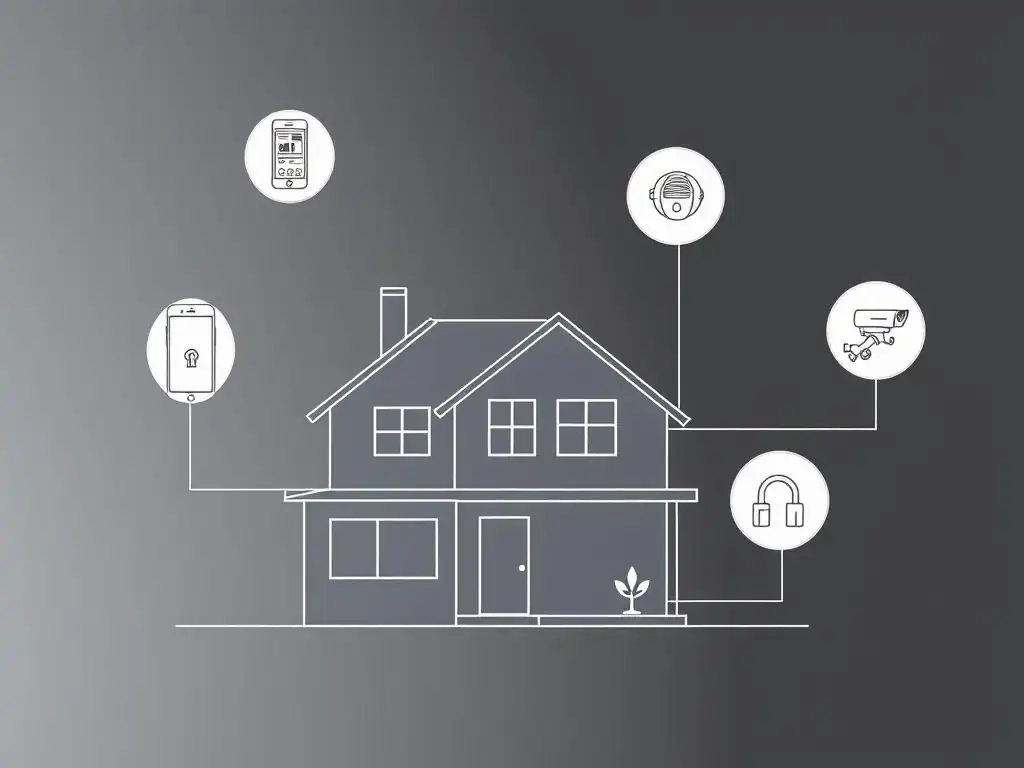
The landscape of professional home security systems is rapidly evolving, driven by advancements in technology and a growing demand for enhanced safety and convenience. This section explores key emerging trends shaping the future of home security, focusing on the integration of sophisticated technologies to provide unparalleled protection and peace of mind. We’ll delve into the specifics of how these trends are impacting the availability and functionality of professional home security systems.
Increased AI and Machine Learning Integration
Artificial intelligence (AI) and machine learning (ML) are revolutionizing professional home security systems, moving beyond basic motion detection to sophisticated threat assessment. Instead of simply triggering an alarm, AI-powered systems can analyze video footage in real-time, differentiating between actual threats (e.g., a burglar) and false positives (e.g., a pet or swaying tree branches). This drastically reduces the number of false alarms, a significant issue with older systems.
Furthermore, ML algorithms learn and adapt over time, improving their accuracy in identifying potential threats. For example, a system might learn to recognize the patterns of a regular visitor and ignore their movements, while simultaneously flagging unusual activity.
This improved accuracy translates to more efficient responses from monitoring services and law enforcement. Dispatchers can receive more precise information about the nature of a threat, leading to faster and more effective interventions. Moreover, AI can analyze data patterns to predict potential security vulnerabilities, enabling proactive measures to prevent incidents before they occur.
Consider this example: if the system detects a recurring pattern of attempted entry at a specific time, it might suggest reinforcing that entry point or adjusting security protocols. The integration of AI and ML isn't just about enhancing existing features; it's about building a proactive, predictive security system that learns and adapts to the unique needs of each homeowner. The future of professional home security systems lies in leveraging these capabilities to provide unparalleled security.
Biometric Authentication and Access Control
Biometric authentication represents a significant leap forward in home security, moving beyond traditional methods like keypads and key fobs. Professional home security systems are increasingly incorporating biometric technologies, such as fingerprint scanners, facial recognition, and even voice recognition, to grant access to the premises. This enhanced security eliminates the risk of lost or stolen keys, and significantly reduces the chances of unauthorized entry.
The integration of biometric authentication offers several advantages. Firstly, it provides a highly secure and personalized access control system. Each authorized individual is uniquely identified, eliminating the need for shared access codes or keys that can be easily compromised. Secondly, biometric systems offer convenience.
Users don't need to remember or carry keys or codes; their unique biological characteristics serve as their access credential. Thirdly, these systems offer greater control and flexibility in managing access permissions. Homeowners can easily grant or revoke access to specific individuals, tracking who enters and exits their property. The use of biometric technology is not limited to entry points; it can be integrated with other smart home devices, providing a seamless and secure experience.
For example, a homeowner might use their fingerprint to disarm the security system or control smart lighting. Data privacy and security are paramount concerns, however. Professional systems should employ robust encryption and data protection measures to ensure the responsible handling of sensitive biometric information.
Enhanced Cybersecurity Measures and Data Privacy
As professional home security systems become increasingly interconnected and reliant on cloud-based services, cybersecurity and data privacy are paramount. The future of these systems depends on robust security protocols to protect sensitive data from cyberattacks and unauthorized access. Professional providers are investing heavily in advanced encryption techniques, intrusion detection systems, and regular security audits to safeguard user data. This proactive approach is crucial to maintaining trust and ensuring that these systems truly provide peace of mind.
The industry is also embracing stricter data privacy regulations and best practices. Transparency regarding data collection, storage, and usage is becoming increasingly important. Homeowners need to understand how their data is being used and have control over their privacy settings.
The development of secure, privacy-focused professional home security systems is an ongoing process, demanding continuous improvement and adaptation to emerging threats. Features such as multi-factor authentication, regular software updates, and transparent data privacy policies are becoming essential elements of a truly secure and reliable professional home security system. Choosing a provider committed to robust cybersecurity measures and data privacy is crucial for homeowners who value the protection of their personal information.
Integration with Emergency Services and First Responders
Professional home security systems are rapidly evolving beyond simple intrusion detection. A crucial advancement is the seamless integration with emergency services and first responders. This integration goes far beyond a simple panic button. Modern systems leverage advanced technologies to provide immediate and accurate information to emergency dispatchers, significantly reducing response times and improving the chances of a successful intervention.
For instance, some systems utilize GPS tracking within the control panel to pinpoint the exact location of the emergency, even if the homeowner is unable to communicate clearly. This is especially critical in situations where a precise address might be difficult to convey, such as during a home invasion or a medical emergency. The system automatically transmits this location data along with other crucial information, such as the nature of the emergency (fire, medical, burglary), the number of occupants, and potentially even live video feeds from strategically placed cameras.
Furthermore, sophisticated systems can detect the presence of specific hazards, such as carbon monoxide or smoke, and automatically alert both the homeowner and emergency services. This proactive approach can be life-saving, particularly in situations where the homeowner might be incapacitated or unaware of the danger. The speed and accuracy of this automated alerting system dramatically improve response times and reduce the potential for catastrophic outcomes.
The integration extends beyond simple alerts; some systems offer two-way audio communication, allowing dispatchers to directly interact with the homeowner and assess the situation before first responders arrive on the scene. This direct communication streamlines the response and allows for a more effective and efficient deployment of resources.
The value of this integration cannot be overstated. For elderly individuals living alone, or families with young children, the peace of mind provided by a system that directly connects them to emergency services is invaluable. The enhanced response times and improved communication capabilities significantly increase the likelihood of a positive outcome in emergency situations, making these integrated professional home security systems a crucial component of modern home safety. The ongoing development in this area promises even more sophisticated and life-saving features in the future, further solidifying the importance of professional home security systems in protecting lives and property.
Frequently Asked Questions about Professional Home Security Systems
This section addresses common queries regarding professional home security systems, helping you understand the costs, benefits, and selection process involved in securing your home with advanced technology. Choosing the right system is a crucial step in ensuring your family's safety and peace of mind. Let's delve into the specifics.
How much does a professional home security system cost?
The cost of a professional home security system varies significantly depending on several factors. A basic system with limited sensors and features might start around $300 for the equipment, plus monthly monitoring fees ranging from $30 to $60. However, prices escalate quickly as you add more advanced features. Consider these key cost drivers:
- Number of sensors: More door/window sensors, motion detectors, and smoke detectors increase the upfront cost. A larger home naturally requires more sensors.
- Type of equipment: High-definition cameras, smart locks, and environmental sensors (for temperature and humidity) are more expensive than basic counterparts. Choosing professional-grade, weatherproof cameras, for instance, will significantly impact the total cost.
- Professional installation: While some systems offer DIY installation, professional installation adds to the overall expense but ensures proper functionality and placement of equipment. This is particularly important for complex systems with integrated features.
- Monitoring services: The monthly fee for professional monitoring is a recurring cost. Features such as 24/7 monitoring, mobile app access, and cellular backup (for systems without a landline) all influence this monthly fee. Some companies offer different tiers of monitoring packages, each with varying prices and service levels.
- Contracts and terms: Be aware of contract lengths and early termination fees. Longer contracts often come with lower monthly rates, but they can limit your flexibility if your needs change.
To get an accurate estimate, it's best to obtain quotes from multiple professional home security companies. Clearly outline your security needs and desired features to receive tailored pricing information. Remember that the initial investment should be weighed against the long-term benefits of enhanced security and peace of mind. This cost-benefit analysis should be central to your decision-making process.
What are the benefits of professional monitoring?
Professional monitoring provides significant advantages over DIY security systems that lack this crucial element. Investing in professional monitoring is an investment in your safety and security. Here are some key benefits:
- 24/7 surveillance: Professional monitoring centers operate around the clock, providing immediate response to triggered alarms. This constant vigilance is a significant deterrent to potential intruders.
- Rapid response: In case of a break-in, fire, or other emergency, the monitoring center immediately contacts emergency services (police, fire department, ambulance) and notifies you. This rapid response can be critical in emergencies, potentially saving lives and property.
- False alarm reduction: Many professional monitoring services utilize advanced technology to filter out false alarms, minimizing unnecessary emergency dispatches and associated fees. This reduces inconvenience and enhances the overall effectiveness of your system.
- Remote access and control: Most professional systems offer mobile app access, allowing you to check the status of your system, arm/disarm it remotely, and view live camera feeds from anywhere. This provides a level of control and peace of mind that is invaluable.
- Advanced features: Professional monitoring often incorporates additional features such as automated alerts, video verification (to confirm the nature of an alarm before dispatching emergency services), and integration with other smart home devices. These features enhance security and convenience.
How do I choose the right system for my home?
Selecting the appropriate professional home security system requires careful consideration of your specific needs and circumstances. Here's a step-by-step guide:
- Assess your needs: Consider the size of your home, the number of entry points, and your specific security concerns. Do you need cameras, environmental sensors, or other specialized features? Prioritize your needs to narrow down the choices.
- Research different providers: Compare various professional home security companies, examining their features, pricing, contract terms, customer reviews, and reputation. Look for companies with a proven track record and positive customer feedback.
- Consider the type of system: Decide between wired and wireless systems. Wireless systems offer greater flexibility and easier installation, while wired systems are generally considered more reliable.
- Check for professional installation: Professional installation is highly recommended to ensure proper functionality and system integration. This minimizes the risk of malfunctions and provides peace of mind.
- Read reviews and compare prices: Before making a final decision, thoroughly research the chosen system and company. Compare prices from multiple providers to find the best value for your money. Pay close attention to customer reviews to get a sense of the company's reliability and customer service.
- Don't hesitate to ask questions: Contact multiple providers to discuss your specific needs and ask detailed questions about their systems, features, and pricing. Clarify any ambiguities before signing a contract.
Choosing a professional home security system is a significant decision. By carefully considering these factors and engaging in thorough research, you can select the system that best meets your security needs and budget. Remember, your safety and peace of mind are invaluable.
What are the common security system vulnerabilities?
Professional home security systems, while offering robust protection, are not impervious to vulnerabilities. Understanding these weaknesses is crucial for maximizing the effectiveness of your system. One common vulnerability lies in weak passwords or easily guessable PIN codes. Many users opt for simple combinations, making them susceptible to brute-force attacks or social engineering tactics. This highlights the importance of using strong, unique passwords for all system components, including the control panel, app access, and any connected smart devices.
Another significant vulnerability stems from unpatched software and firmware. Security systems, like any software-driven technology, are vulnerable to exploits and malware. Manufacturers regularly release updates to address these vulnerabilities, yet many users neglect to install them promptly. Outdated software can create security gaps that hackers can exploit to gain unauthorized access. Regularly checking for and installing updates is paramount to maintaining a secure system.
Furthermore, physical vulnerabilities can compromise even the most advanced system. These include tampering with sensors, bypassing alarm systems through physical intrusion, or even disabling the system through power outages. Robust physical security measures, such as reinforced doors and windows, along with backup power solutions, are essential components of a comprehensive security strategy. Regularly testing the system's functionality and physical security components will identify any weaknesses.
Finally, insider threats represent a less obvious but equally significant vulnerability. This refers to unauthorized access or manipulation of the system by individuals with legitimate access, such as family members or employees. Strict access control measures, user account management, and regular monitoring of system activity can significantly mitigate this risk. Consider using multi-factor authentication whenever possible to add an extra layer of security.
How can I improve my home's overall security?
Improving your home's overall security involves a multifaceted approach that combines technological solutions with good security practices. A professional home security system forms the cornerstone of this strategy, but its effectiveness is amplified by supplementary measures. Firstly, consider physical security enhancements. This involves reinforcing doors and windows with stronger locks and frames, installing security film on windows to deter break-ins, and adding exterior lighting to illuminate potential entry points. Strategic landscaping can also deter intruders by eliminating hiding places.
Beyond physical security, establishing good security habits is crucial. This includes locking doors and windows even when you're home, being cautious about who you let into your home, and not openly displaying valuables that might attract thieves. Never leave spare keys in easily accessible locations, and consider using a safe or security box for important documents and jewelry. A well-lit exterior and a visible security system can act as a deterrent.
Furthermore, consider incorporating smart home technology beyond your security system. Smart locks, for instance, allow you to remotely lock and unlock your doors, even when you're away. Smart cameras can provide real-time monitoring of your property and alert you to any suspicious activity. These additions, when integrated with your professional security system, provide a comprehensive and layered approach to home security. Regularly reviewing and updating your security measures will ensure your home remains protected against evolving threats. Remember that a proactive approach, blending technology with responsible habits, is the most effective way to enhance your home's overall security.
Frequently Asked Questions
What makes a professional home security system different from a DIY system?
Professional systems offer 24/7 monitoring by trained professionals, faster response times in emergencies, and usually include more advanced features like cellular backup and professional installation. DIY systems often lack these crucial elements.
How much does a professional home security system typically cost?
The cost varies greatly depending on the features, contract length, and the company. Expect to pay a monthly monitoring fee plus an upfront cost for equipment and installation. Pricing ranges widely, so get multiple quotes.
What are the key features to look for in a professional home security system?
Essential features include professional monitoring, multiple sensor types (door/window, motion, etc.), remote access capabilities via a smartphone app, and reliable cellular backup in case of internet outage.
How do I choose the right professional home security system provider?
Research different companies, compare pricing and features, read customer reviews, and check for industry certifications and positive reputation. Consider your specific needs and budget when making your decision.
Is professional installation necessary for a home security system?
While some DIY systems exist, professional installation is highly recommended for optimal performance, security, and to ensure proper integration of all components. Professionals can also offer valuable advice on system placement and functionality.
Final Reflection: Securing Our Tomorrow, Today
The vulnerability of our homes remains a constant, yet our capacity to protect them is rapidly evolving. The advancements in professional home security systems detailed in this article aren't just technological marvels; they represent a crucial shift in how we approach safety and peace of mind in the 21st century. These systems are no longer luxury items, but essential tools for safeguarding our families and possessions in an increasingly interconnected world.
The impact of sophisticated security technologies extends far beyond individual homes; it's reshaping entire communities and influencing public policy. We're witnessing a societal shift towards proactive security measures, driven by both technological innovation and a growing awareness of potential threats. This evolution underscores the importance of informed decision-making when choosing a security system. Security is not a product; it's a process.
This quote highlights the ongoing nature of protecting our homes, requiring constant vigilance and adaptation to new challenges.
Consider the implications of this evolving landscape. What steps can you take to enhance your home's security? Are you actively engaging with the latest technologies and exploring the options available to you? Don't wait for a crisis to prioritize your safety. Take the time to research, compare, and choose a professional home security system that best suits your needs and budget. Your peace of mind is worth the investment, and the future of home security is in your hands.
Unlock Your Home's Potential: Enhance Your Security Today!
Thank you for exploring advanced home security options with us. You've gained valuable insights into professional protection. Ready to enhance your peace of mind?
- Schedule a free consultation with a security expert: This is the most impactful step to assess your needs and discover personalized solutions.
- Share this article with friends and family—their safety is important too!
- Explore our recommended security companies. (A link to a directory would appear here in a live version).
What's one surprising security feature you learned about today that you'd like to add to your home?