
Home Security Showdown: Comparing Top Professional Providers

Ready to unlock a safer, more efficient you? At UltimateLifeHacks, we're dedicated to simplifying your life with practical tips and game-changing strategies. This week, we're diving into a crucial aspect of home life: security. Our in-depth Best home security system comparison will help you navigate the options and choose the perfect system to protect your most valuable asset – your home. Discover which provider reigns supreme in our comprehensive showdown and transform your peace of mind. Let's get started!
- Choosing the Best Home Security System for Your Needs: A Comprehensive Comparison
- Top 3 Professional Home Security Systems Compared: ADT, Vivint, and SimpliSafe
- DIY vs. Professional Monitoring: Making the Right Choice for Your Home Security
-
Best Home Security System for Different Needs: Finding the Perfect Fit
- Best Home Security System for Apartments: Compact and Discreet Options
- Best Home Security System for Large Homes: Comprehensive Coverage and Features
- Best Home Security System for Families with Children: Child Safety Features
- Best Home Security System for Seniors: User-Friendly Interface and Emergency Response
- Maximizing Your Home Security Investment: Tips and Recommendations
-
Frequently Asked Questions
- What makes this article different from other home security system reviews?
- How did you select the home security systems included in the comparison?
- What are the key features to consider when choosing a home security system?
- Is professional monitoring really necessary for a home security system?
- How can I find the best home security system for my specific needs?
- Final Reflection: Securing Our Tomorrow, Today
- Secure Your Sanctuary: Take Control of Your Home's Safety Now!
Choosing the Best Home Security System for Your Needs: A Comprehensive Comparison
Finding the perfect home security system can feel overwhelming. The market is flooded with options, each promising top-tier protection and cutting-edge features. This comprehensive comparison of leading professional home security providers aims to cut through the noise, helping you make an informed decision based on your unique needs and budget.
We'll delve into crucial factors to consider before committing to a system, comparing key features and pricing structures to help you determine which provider offers the best value and protection for your home. Ultimately, this guide will empower you to choose the "best home security system" – the one that's best for you.
Understanding Your Home Security Needs: Factors to Consider Before Choosing a System
Choosing a home security system isn't a one-size-fits-all endeavor. Before diving into specific providers and their offerings, it's crucial to assess your individual circumstances. Several key factors significantly influence the type of system you'll need and the features you'll prioritize. Failing to consider these aspects upfront could lead to an inadequate or overly expensive solution. Let's examine some of the most important considerations:
Assessing Risk Levels: High-Value Items, Location, and Family Size
Your risk assessment should be a primary driver in your decision-making process. Consider the value of your possessions. A home with expensive jewelry or electronics will necessitate a more robust security system than a home with fewer valuable items. Your location also plays a crucial role; higher-crime areas naturally demand more comprehensive protection.
Family size is another key factor. A larger family may require more sensors and cameras to effectively monitor all areas of the home. For example, a family with young children might benefit from features like smart locks and panic buttons. A thorough risk assessment allows you to tailor your security needs effectively.
Budget Considerations: Professional Monitoring Costs vs. DIY Systems
The cost of a home security system can vary greatly depending on several factors, including the type of system (professional monitoring vs. DIY), the number of sensors and cameras, and the length of the contract. Professional monitoring services typically involve monthly fees, but they offer 24/7 monitoring and rapid response to emergencies. DIY systems, on the other hand, usually involve a one-time purchase cost, but you're responsible for monitoring and responding to any alerts.
Carefully weigh the benefits of professional monitoring against the cost savings of a DIY system to find the optimal balance for your budget. Consider creating a detailed budget that includes installation fees, monthly monitoring charges (if applicable), and potential costs for additional equipment or services.
Features Comparison: Smart Home Integration, Professional Monitoring, and DIY Options
Modern home security systems offer a wide array of features, extending beyond basic intrusion detection. Smart home integration is becoming increasingly popular, allowing you to control your security system and other smart devices through a single app. This integration can provide enhanced convenience and automation. Professional monitoring services provide peace of mind knowing that trained professionals are constantly monitoring your system and will dispatch emergency services if necessary.
DIY systems, while often more affordable, lack this professional oversight. Consider which features are essential for your needs and prioritize those when comparing different providers. A detailed feature comparison chart will be presented later in this article to facilitate this process.
Top 3 Professional Home Security Systems Compared: ADT, Vivint, and SimpliSafe
This section provides a detailed comparison of three leading professional home security systems: ADT, Vivint, and SimpliSafe. We'll analyze their features, pricing, customer reviews, and overall value to help you determine which system best suits your needs and budget. Finding the best home security system involves careful consideration of several factors, and this comparison aims to clarify those choices. We'll focus on key aspects to aid in your decision-making process for choosing the best home security system for your unique circumstances.
ADT Home Security System: Features, Pricing, and Customer Reviews
ADT is a long-standing name in home security, known for its extensive network of professional monitoring and installation services. Their systems typically include a range of sensors (door/window, motion), cameras, and keypads. Pricing varies significantly depending on the chosen package and add-ons, but generally falls within the higher price range compared to competitors. Expect a higher upfront cost for equipment and professional installation, but the comprehensive nature of the service often justifies this for many consumers seeking a premium security solution. Understanding the nuances of ADT's pricing is crucial for finding the best value.
ADT Smart Home Integration: Compatibility with Other Devices and Platforms
ADT offers robust smart home integration, boasting compatibility with a wide array of devices and platforms. This allows for seamless control and automation of your home security system alongside other smart home devices. For example, you can integrate with Amazon Alexa or Google Home for voice control, or connect with smart lighting systems for automated responses to triggered alarms. The extent of this integration varies by package, with higher-tier options offering more comprehensive compatibility. Specific devices and platform compatibility should be verified prior to purchase to ensure seamless integration with your existing smart home ecosystem.
ADT Professional Monitoring Services: Response Times, Features, and Costs
ADT’s professional monitoring is a key selling point. Their monitoring centers are staffed 24/7, providing rapid response times to triggered alarms. Features include dispatching emergency services (police, fire, medical) and providing around-the-clock support. The cost of professional monitoring is an ongoing monthly fee, added to the initial equipment cost. Different monitoring packages offer varying levels of service and features, impacting the monthly cost. Understanding these different service levels and their respective pricing is crucial for budget planning.
ADT Customer Reviews and Ratings: A Look at Real User Experiences
Customer reviews for ADT are mixed. While many praise the reliability of the professional monitoring and the responsive customer support, some complain about the high cost and complex contracts. Online review platforms show a range of experiences, highlighting the need for thorough research before committing. Analyzing these reviews, focusing on common themes regarding reliability, customer service responsiveness, and overall value, is crucial to forming an informed opinion. Consider looking at multiple review sites for a balanced perspective.
ADT Pros and Cons: Weighing the Benefits and Drawbacks
| Pros | Cons |
|---|---|
| Established brand and reputation | High initial cost and monthly fees |
| Professional installation and monitoring | Potentially complex contracts |
| Extensive smart home integration | Mixed customer reviews regarding support |
| Rapid emergency response times | Limited DIY options |
Vivint Home Security System: A Detailed Overview
Vivint presents a strong competitor in the professional home security market. They are known for their sleek, modern system design and user-friendly mobile app. Vivint emphasizes smart home integration and proactive security features, aiming for a more holistic and intuitive user experience than some competitors. The system generally offers a robust feature set, catering to a wide range of user needs.
Vivint Security Features: Sensors, Cameras, and Alarm Systems
Vivint offers a comprehensive suite of security features. Their systems include a variety of sensors (door/window, motion, glass break), high-definition cameras with features like night vision and motion detection, and advanced alarm systems with customizable alerts. The availability of specific features and add-ons depends on the chosen package and may influence the overall cost. Understanding the features included in each package is critical for selecting the best fit for your home security needs.
Vivint Professional Monitoring Options: Packages, Pricing, and Add-ons
Vivint provides professional monitoring services with various package options, each offering different features and pricing levels. Add-ons, such as smart home automation features and additional cameras, can be added to customize the system and increase the monthly cost. Understanding the pricing structure for different monitoring packages and add-ons is crucial for budgeting and selecting the optimal level of security. Careful consideration of your specific needs will help optimize your Vivint package selection.
Vivint User-Friendliness and App Functionality: Ease of Use and Mobile Access
Vivint's mobile app is widely praised for its user-friendliness and intuitive design. The app allows for easy system control, monitoring of cameras, and management of alerts, all from your smartphone or tablet. Remote access and control are key features enhancing convenience and peace of mind. The seamless integration with other smart home devices further enhances the user experience. Ease of use is a significant factor for many users, and Vivint generally scores highly in this area.
Vivint Customer Support and Service: Response Times and Availability
Vivint's customer support is generally well-regarded for its responsiveness and helpfulness. They offer multiple channels for support, including phone, email, and online chat. However, as with any large company, individual experiences may vary. Review sites offer a range of perspectives, highlighting the importance of independent research. Response times and availability of customer support should be considered as part of the overall evaluation.
Vivint Pros and Cons: A Comprehensive Assessment
| Pros | Cons |
|---|---|
| User-friendly app and interface | Monthly fees can be relatively high |
| Comprehensive smart home integration | Contract terms may be restrictive |
| Strong professional monitoring | Some user reviews report installation issues |
| Sleek and modern system design | Feature availability varies by package |
SimpliSafe Home Security System: In-Depth Analysis
SimpliSafe has carved a significant niche in the home security market by offering a flexible, DIY-installable system that doesn't require a long-term contract. This approach appeals to a broad range of consumers, from renters seeking short-term solutions to homeowners who value control and transparency. The system's modularity allows users to customize their protection based on their specific needs and budget, avoiding the often-expensive packages offered by traditional security companies. This customizable approach is a key differentiator in the "best home security system comparison" landscape.
SimpliSafe's focus on ease of use and straightforward pricing makes it a compelling option for tech-savvy individuals and those less comfortable with complex technological setups alike. Its reputation for reliability and responsive customer service further strengthens its position in the competitive home security market. The company consistently receives positive reviews for its user-friendly interface and the effectiveness of its monitoring services.
SimpliSafe System Components: Cameras, Sensors, Keypads, and Control Panel
SimpliSafe's system centers around a base station that acts as the central control hub. This communicates wirelessly with various sensors, including door and window sensors, motion detectors, and glass-break sensors. The system also offers a range of add-on components to enhance security, such as keypads for convenient arming and disarming, and various camera options, including indoor and outdoor cameras with features like night vision and two-way audio. These cameras often provide high-definition video and cloud storage for recorded footage.
The keypads allow for quick system control, while the base station provides a clear, visual indication of the system's status. SimpliSafe's modular design allows users to easily expand their system over time as their needs change, adding more sensors and cameras without needing to replace the entire setup. The system's components are known for their sleek, unobtrusive design, blending seamlessly into most home decors.
SimpliSafe Professional Monitoring Features: 24/7 Monitoring, Emergency Response
SimpliSafe's professional monitoring service is a crucial component of its overall security offering. The 24/7 monitoring provides peace of mind, knowing that trained professionals are constantly vigilant, ready to respond to any triggered alarms. In the event of an emergency, whether a burglary, fire, or medical event, the monitoring center will immediately contact emergency services and keep you informed throughout the process. The system's cellular backup ensures that the alarm signal will reach the monitoring center even if internet connectivity is disrupted.
This feature is particularly important during power outages, ensuring uninterrupted protection. SimpliSafe also offers various monitoring plans, allowing customers to choose the level of coverage that best suits their needs and budget. The ability to quickly and easily contact emergency services in times of need is a significant advantage in a "best home security system comparison".
SimpliSafe Pricing and Contract Terms: Understanding the Costs Involved
Unlike many competitors, SimpliSafe operates on a largely equipment-based pricing model. You purchase the security hardware upfront, and then you choose a monitoring plan that suits your needs. This eliminates the long-term contracts often associated with other professional monitoring services, providing more flexibility and control over your expenses. The upfront cost of the equipment depends on the number and type of sensors and cameras you choose.
Monitoring plans typically vary in price based on the level of coverage offered, such as professional monitoring with emergency dispatch, or simply self-monitoring. The absence of hidden fees and long-term contracts makes SimpliSafe's pricing transparent and predictable, a significant factor for many consumers comparing home security systems. Transparency in pricing is vital when evaluating the "best home security system comparison".
SimpliSafe Integration with Other Smart Home Devices: Seamless Connectivity
SimpliSafe offers integration with several popular smart home platforms and devices, enhancing its overall functionality and convenience. This allows for seamless control and automation of various aspects of your home security system. For example, you might be able to integrate SimpliSafe with smart assistants like Alexa or Google Assistant, enabling voice control of your alarm system.
Integration with other smart home devices might allow for automated actions based on specific events, such as automatically turning on lights when the alarm is triggered. While the extent of integration may vary depending on the specific devices and platforms used, SimpliSafe's commitment to smart home compatibility enhances its value proposition in the competitive market. This connectivity is a significant factor when considering the "best home security system comparison".
SimpliSafe Pros and Cons: Weighing the Advantages and Disadvantages
Pros: DIY installation, flexible and modular system, no long-term contracts, transparent pricing, reliable monitoring, strong reputation, user-friendly interface, good customer service, integration with some smart home devices.
Cons: Professional installation not offered (DIY only), limited professional support compared to some competitors, some features may require additional purchases, certain advanced features may not be as extensive as those offered by competitors. While SimpliSafe is a strong contender in a "best home security system comparison", it's crucial to weigh these factors against individual needs and priorities.
DIY vs. Professional Monitoring: Making the Right Choice for Your Home Security
Choosing between a DIY home security system and a professionally monitored one is a crucial decision impacting your home's safety and your peace of mind. This decision hinges on several factors, primarily cost, reliability, and the features each offers. Understanding these differences is key to selecting the best home security system for your needs. The "best" system isn't a one-size-fits-all solution; it depends entirely on your individual circumstances and priorities.
Cost Comparison: DIY vs. Professionally Monitored Systems
The initial investment for DIY systems is generally lower than professionally monitored alternatives. You purchase the equipment upfront and often pay a monthly subscription for features like cloud storage and mobile access. However, the long-term costs can vary significantly. Professionally monitored systems typically have higher upfront costs due to professional installation and equipment bundles. Monthly monitoring fees are also considerably higher, reflecting the 24/7 monitoring service and rapid response capabilities.
Let's illustrate with a hypothetical example:
| Feature | DIY System (Example) | Professional System (Example) |
|---|---|---|
| Initial Cost | $200 - $400 | $600 - $1200+ |
| Monthly Fee | $10 - $30 | $30 - $60+ |
| Professional Installation | No | Yes |
| 24/7 Monitoring | No | Yes |
While DIY systems offer lower initial costs, the lack of professional monitoring might necessitate additional expenses in the long run, such as purchasing extra equipment or relying on self-managed solutions for emergencies. The total cost of ownership needs careful consideration. For some, the added peace of mind offered by professional monitoring justifies the higher price tag.
Reliability and Response Times: A Critical Evaluation
Reliability is paramount in home security. DIY systems, while convenient, are reliant on your internet connection and your ability to respond to alerts. Internet outages can render the system useless, and a delayed response to an alarm could have serious consequences. Professionally monitored systems, however, provide a dedicated network and immediate response from a monitoring center. They're designed for redundancy, mitigating the risk of system failure due to internet connectivity issues.
Response times are a critical aspect of reliability. In a professional system, trained personnel are alerted immediately, and emergency services are dispatched promptly. This swift response significantly increases the likelihood of preventing or mitigating an intrusion. DIY systems rely on your ability to contact emergency services, which adds a crucial time delay.
Consider this scenario: a burglar breaks into your home. A professionally monitored system alerts the monitoring center instantly. The center verifies the alarm, contacts the authorities, and provides them with your address and details. A DIY system might alert you via a smartphone notification, but you might be out of reach or slow to respond. The difference in response time can be crucial.
Features and Functionality: Comparing Core Capabilities
Both DIY and professionally monitored systems offer a range of features, but their capabilities differ significantly. DIY systems typically offer basic features like door/window sensors, motion detectors, and cameras, often with limited customization. Professionally monitored systems often boast more sophisticated features such as:
- Advanced sensors: Glass break detectors, smoke detectors, carbon monoxide detectors, flood sensors.
- Professional-grade equipment: Higher-quality cameras with improved night vision and wider field of view.
- Integrated smart home capabilities: Seamless integration with other smart home devices.
- Cellular backup: Continued functionality even during internet outages.
- Geofencing: Automated arming and disarming based on your location.
Ultimately, the best home security system depends on your specific needs and budget. While DIY systems provide a cost-effective entry point, professionally monitored systems offer superior reliability, quicker response times, and a wider range of features. Weighing these factors carefully will help you make an informed decision and choose the system that best protects your home and family. This detailed comparison should aid in finding the best home security system comparison for your individual circumstances.
Ease of Use and Setup: A Beginner's Perspective
Choosing a home security system can feel overwhelming, especially if you're not tech-savvy. The ease of setup and ongoing usability should be a major factor in your decision, particularly when comparing DIY systems against professionally monitored options. DIY systems often boast simple, app-based installations, promising a quick and painless setup process. Many advertise a "plug-and-play" experience, requiring minimal technical knowledge.
However, the reality can be more nuanced. While some DIY systems truly live up to this promise, others might require some troubleshooting, particularly for users unfamiliar with networking or smart home technology. You might encounter issues with Wi-Fi connectivity, sensor placement, or app integration. This can lead to frustration, especially for beginners who lack the technical expertise to resolve these problems independently.
On the other hand, professionally installed systems generally involve a technician who handles the entire setup process. This eliminates the potential headaches associated with DIY installations. The professional will not only install the equipment but also ensure its proper functionality and integrate it seamlessly into your home network. This hands-on approach simplifies the process considerably, making it ideal for users who prefer a hassle-free experience. However, the convenience of professional installation often comes at a higher initial cost. Furthermore, scheduling the installation appointment might require coordinating with the provider's availability, potentially adding to the overall setup time.
Ultimately, the ease of use and setup depends on your comfort level with technology and your willingness to invest time in troubleshooting. If you're comfortable with basic tech and enjoy DIY projects, a DIY system might be a suitable option. However, if you prioritize simplicity and a hassle-free experience, the professional installation route offers significant advantages, despite the higher upfront cost. Consider your technical proficiency and time constraints when evaluating this crucial aspect of home security system selection. The "best" system isn't always the easiest to install; it's the system that best meets your individual needs and capabilities.
Best Home Security System for Different Needs: Finding the Perfect Fit
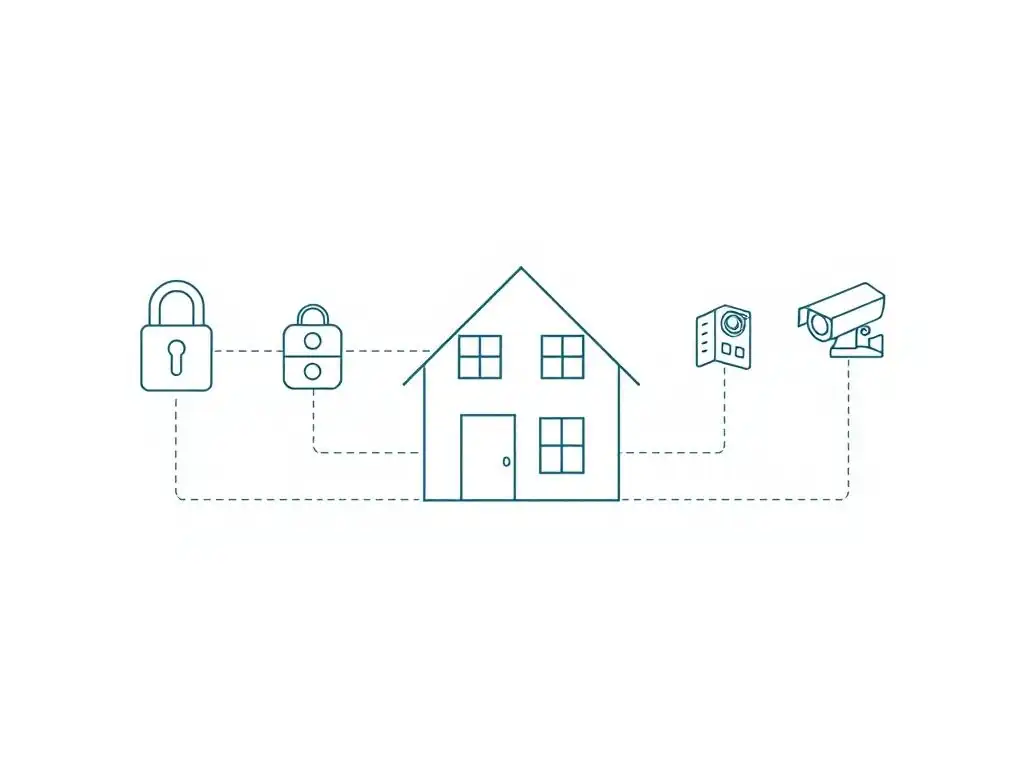
Choosing the best home security system isn't a one-size-fits-all proposition. The ideal system depends heavily on your specific needs and circumstances. This section breaks down the top choices based on common scenarios, helping you find the perfect fit for your home and lifestyle. We'll explore the best home security system options for different dwelling sizes and family structures, focusing on key features and considerations. Finding the right system significantly impacts your peace of mind and overall home security. This comparison will help you navigate the market effectively and choose a system that truly meets your requirements.
Best Home Security System for Apartments: Compact and Discreet Options
Apartments present unique challenges for home security. Space is often limited, and you might share walls with neighbors. Therefore, a compact and discreet system is crucial. Look for systems with smaller, easily concealable sensors and cameras. Wireless systems are particularly advantageous, eliminating the need for extensive wiring.
Consider systems offering features like:
- Compact Door/Window Sensors: These should be slim and unobtrusive, blending seamlessly into your apartment's aesthetic.
- Miniature Security Cameras: Discreet cameras, perhaps disguised as everyday objects, can provide crucial visual monitoring without being overly conspicuous.
- Keypad Options: A small, easily mounted keypad allows for quick arming and disarming of the system, without taking up valuable space.
- Mobile App Control: Essential for convenient management of your system from anywhere. The ability to receive instant alerts on your smartphone is a significant advantage.
Choosing a system with these features ensures comprehensive security without sacrificing your apartment's style or comfort. Remember to check your lease agreement for any restrictions on installing security equipment.
Best Home Security System for Large Homes: Comprehensive Coverage and Features
Securing a large home requires a more comprehensive approach. You'll need a system capable of covering extensive ground and potentially including multiple entry points. This means investing in a system with more sensors, cameras, and potentially additional features like outdoor security lighting.
Key considerations for large homes include:
- Multiple Sensor Zones: The ability to divide your home into distinct zones allows for more granular control over your security system. For example, you might disarm the downstairs sensors while keeping the upstairs armed at night.
- Extensive Wireless Network: A robust wireless network is essential for reliable communication between sensors and the central hub, especially across a large area.
- Outdoor Cameras: Strategically placed outdoor cameras provide an extra layer of security, deterring potential intruders and capturing evidence if an incident occurs. Consider cameras with night vision and motion detection.
- Professional Monitoring: For large homes, professional monitoring offers peace of mind, providing immediate response to alarms and potentially reducing insurance premiums. The added security provided by professional monitoring can be a significant advantage.
A well-designed system for a large home will provide total coverage, addressing all potential vulnerabilities and offering a high level of security.
Best Home Security System for Families with Children: Child Safety Features
Family safety is paramount. When choosing a home security system for a household with children, prioritize features designed to enhance child safety alongside security. This goes beyond basic intrusion detection; consider features that can help prevent accidents and provide additional peace of mind.
Look for systems with:
- Child-Friendly Controls: The system should be easy for adults to manage but also designed to prevent accidental activation or deactivation by children. Some systems offer separate user profiles with different access levels.
- Emergency Response Features: The ability to quickly contact emergency services directly through the system is crucial in case of an accident or emergency.
- Smart Home Integrations: Integration with smart home devices can add extra layers of child safety. For example, you could use smart locks to ensure doors are locked when needed, or smart sensors to detect if a child opens a cabinet containing dangerous items.
- Smoke and Carbon Monoxide Detectors: Integrating these crucial safety devices into your security system provides an added layer of protection for your family. The interconnectedness of these systems offers a holistic approach to safety.
Choosing a system with these features helps create a secure and safe environment for your children, combining traditional home security with proactive safety measures. Prioritizing these aspects ensures both the security of your home and the well-being of your family.
Best Home Security System for Seniors: User-Friendly Interface and Emergency Response
Choosing the right home security system for seniors requires careful consideration of factors beyond basic security features. Ease of use and quick access to emergency services are paramount. A system overloaded with complex features can be frustrating and even dangerous for older adults. The best systems for this demographic prioritize simplicity and reliability. We're looking for large, clearly labeled buttons, intuitive interfaces, and seamless integration with medical alert systems.
Many systems offer fall detection as a crucial feature. This technology automatically alerts emergency contacts if a fall is detected, providing vital assistance in potentially life-threatening situations. This is especially beneficial for seniors living alone who might not be able to reach a phone after a fall. Consider systems with mobile apps that allow family members to monitor activity and receive alerts, providing peace of mind for both the senior and their loved ones. The app should be user-friendly, even for those less tech-savvy. Large, clear icons and simple navigation are key.
The importance of professional monitoring cannot be overstated. In the event of a break-in or medical emergency, a professional monitoring service can dispatch emergency responders quickly, significantly improving response times and potentially saving lives. Look for systems with 24/7 professional monitoring, clear communication protocols, and a proven track record of reliable service. Consider the reputation of the monitoring company and their response times in emergency situations – independent reviews can be invaluable in this assessment.
Beyond the technology, consider the overall customer service experience. A reputable company will offer responsive customer support via phone, email, or online chat, addressing any technical issues or concerns promptly. For seniors, clear and patient assistance is crucial, especially when troubleshooting problems. A company known for its excellent customer service will provide a more positive and less stressful experience.
Consider companies with dedicated senior support lines or programs tailored to the needs of older adults. This proactive approach often translates to better overall system satisfaction and a higher degree of security and comfort. Remember, a user-friendly system is only as good as the support it offers.
Maximizing Your Home Security Investment: Tips and Recommendations
This section focuses on getting the most out of your home security investment, regardless of the provider you choose. A robust security system is more than just equipment; it's a comprehensive strategy for protecting your home and family. Let's explore key strategies to optimize your security and ensure long-term value.
Choosing the Right Security System Based on Your Budget
Budget significantly influences the type of home security system you can afford. While top-tier systems offer advanced features like AI-powered threat detection and professional monitoring, more budget-friendly options still provide excellent basic protection. Consider these factors when aligning your budget with your needs:
- Basic Packages: Entry-level systems often include door/window sensors, a control panel, and basic motion detectors. These are ideal for smaller homes or those on a tighter budget. They effectively deter intruders and provide alerts, but may lack advanced features. Expect to pay around [price range pending] per month for professional monitoring.
- Mid-Range Packages: These packages expand on basic features by adding more sensors, potentially including smart home integration (like lighting control or smart locks) and more sophisticated motion detection. You might also find options for outdoor cameras included in this tier. Monthly monitoring costs usually range from [price range pending].
- Premium Packages: High-end systems offer everything in mid-range packages plus advanced features like professional monitoring with faster response times, cellular backup (in case of internet outage), and potentially AI-powered features like facial recognition or advanced threat analysis. Expect higher monthly costs, typically starting at [price range pending].
Remember to factor in upfront costs like equipment purchase or installation fees, which can vary considerably between providers and package levels. Thoroughly compare the total cost of ownership (including monthly fees and potential add-on costs) before making a decision. Don't solely focus on the monthly price; consider the long-term value and features offered.
Understanding Contract Terms and Cancellation Policies
Before signing any contract, carefully review the terms and conditions, paying particular attention to cancellation policies and early termination fees. These details can significantly impact your overall cost and flexibility.
| Feature | Important Considerations |
|---|---|
| Contract Length | Typical contracts range from 1 to 3 years. Longer contracts might offer lower monthly rates but reduce flexibility. |
| Early Termination Fees | Understand the penalties for canceling the contract before its expiration. These can be substantial. |
| Equipment Ownership | Some providers lease equipment, while others allow purchase. Owning equipment offers more flexibility in the long run. |
| Price Increases | Contracts may include clauses allowing for price increases. Check for details on how and when these might occur. |
| Service Level Agreements (SLAs) | Understand the provider's guarantees regarding response times for alarms and technical support. |
It's crucial to read the fine print and ask clarifying questions before committing to a contract. Don't hesitate to compare cancellation policies across different providers to find the most flexible option that suits your needs. Consider negotiating contract terms if possible, especially if you're committing to a longer-term agreement.
Maintaining Your Home Security System: Regular Maintenance and Updates
Regular maintenance is vital for ensuring the continued effectiveness of your home security system. Neglecting maintenance can lead to malfunctions, security vulnerabilities, and potentially costly repairs. Here’s a maintenance checklist:
- Battery Checks: Regularly check and replace batteries in your sensors and other components. Low batteries can render your system ineffective. 🗓️ Schedule monthly checks!
- Software Updates: Keep your system's software updated to benefit from bug fixes, security patches, and new features. This helps maintain optimal performance and security. 🔄
- Sensor Testing: Periodically test all sensors (door/window, motion) to ensure they are functioning correctly. Most systems offer built-in test modes. ⚠️
- Professional Maintenance: Consider scheduling annual professional maintenance checks, especially for complex systems. Professionals can identify potential issues before they become major problems. 👨🔧
- Regular Inspections: Visually inspect all components for damage or wear and tear. Report any issues to your provider immediately. 👀
Proactive maintenance not only extends the lifespan of your system but also helps prevent costly repairs and downtime. A well-maintained system provides peace of mind knowing your home is effectively protected. Remember, a proactive approach to maintenance is a key component of a robust home security strategy. This contributes to the overall value of your investment and ensures long-term effectiveness.
Additional Security Measures: Beyond the Basic System
Investing in a professional home security system is a significant step towards protecting your home and family, but it shouldn't be the only measure you take. A layered approach to security offers the best protection. Think of your security system as the first line of defense; additional measures bolster its effectiveness and create a more robust security perimeter. This layered approach acts as a deterrent, making your home a less appealing target for potential intruders.
One crucial addition is robust exterior lighting. Motion-activated lights around your property, particularly near entry points like doors and windows, can significantly deter intruders. The sudden illumination and the noise it creates are often enough to scare them off. Consider installing high-lumen LED lights for maximum visibility and energy efficiency. Remember to check the bulbs regularly and replace them promptly to maintain optimal brightness. A poorly lit exterior negates the effectiveness of other security measures.
Beyond lighting, consider reinforcing your physical security. Solid core doors, reinforced door frames, and high-quality deadbolt locks are essential upgrades. These simple improvements can significantly increase the time it takes for an intruder to gain entry, giving your security system ample time to alert authorities. Furthermore, strategically placed security cameras, even those not directly connected to your professional system, can provide additional surveillance and act as a visual deterrent. These cameras could be placed in blind spots not covered by your main system, offering comprehensive coverage.
Finally, don't underestimate the power of community. Getting to know your neighbors and establishing a neighborhood watch program can create a strong sense of security. This collaborative approach allows for increased vigilance and quicker response times in case of suspicious activity.
Sharing contact information and agreeing on a system for reporting unusual occurrences can make a significant difference in deterring crime and improving overall neighborhood safety. A well-connected community can serve as an invaluable extra layer of security. Remember, a comprehensive home security strategy goes beyond just the main system; it's about creating a secure environment through various interconnected measures.
Frequently Asked Questions
What makes this article different from other home security system reviews?
This article focuses on a comparison of leading professional providers, not just individual systems. We analyze features, pricing, and customer service to help you choose the best fit for your needs and budget, not just a list of popular brands.
How did you select the home security systems included in the comparison?
We considered factors like market share, customer reviews, feature sets, and professional monitoring options. Only systems with a proven track record and widespread availability were included in our comprehensive analysis.
What are the key features to consider when choosing a home security system?
Key features include professional monitoring, the type of sensors offered (door/window, motion, etc.), smart home integration capabilities, and the overall cost, including equipment and monthly fees. Consider your specific needs and budget when making your decision.
Is professional monitoring really necessary for a home security system?
While DIY systems are cheaper upfront, professional monitoring offers critical benefits like immediate dispatch of emergency services and 24/7 support. It's an important consideration for enhanced security and peace of mind.
How can I find the best home security system for my specific needs?
Use our comparison to identify systems that match your budget and desired features. Consider factors like the size of your home, your lifestyle, and the level of security you require before making a final decision. Reading detailed reviews and contacting providers directly is also recommended.
Final Reflection: Securing Our Tomorrow, Today
The quest for home security is no longer a luxury; it's a fundamental necessity in our increasingly interconnected world. The rise in smart home technology and sophisticated security threats underscores the urgency of choosing the right protection for our families and our most valuable possessions. This article's comparison of leading home security providers highlights the crucial role informed decision-making plays in safeguarding our peace of mind.
The evolution of home security systems, from basic alarm systems to comprehensive smart home integrations, reflects a broader societal shift towards proactive safety measures. We are increasingly aware of our vulnerability, and the desire for control over our personal safety is a powerful driver in this market. The feeling of security is a fundamental human need, and the technology we use to achieve it is constantly evolving to meet those needs.
This quote encapsulates the ongoing dialogue between technological advancement and our inherent desire for safety and peace of mind. The choices we make regarding home security are not just about protecting our property; they are about creating a sense of well-being and control in our lives.
Now, consider your own home. What measures are you taking to ensure its safety? This article has provided a framework for comparison, but the ultimate decision rests with you. Take the time to assess your individual needs and vulnerabilities, research the options available, and choose a system that empowers you to feel safe and secure within the walls of your home. Your peace of mind is invaluable; invest in it wisely.
Secure Your Sanctuary: Take Control of Your Home's Safety Now!
Thank you for exploring professional home security options with us! We hope you found the information helpful in choosing the right system. Ready to move forward?
- Prioritize your home's security: Start by comparing quotes from reputable security providers, focusing on features that best address your specific needs and budget. Take advantage of any free trials offered to test the system's functionality.
- Share your experience: Tell your friends and family about your security upgrades—they may find this information valuable.
- Research further: Visit the websites of providers that interest you to learn more about their services and payment plans.
What security features are you most excited to install, and why? Share your thoughts in the comments below!