
Maximize Your Home's Potential: Smart Devices for Every Room

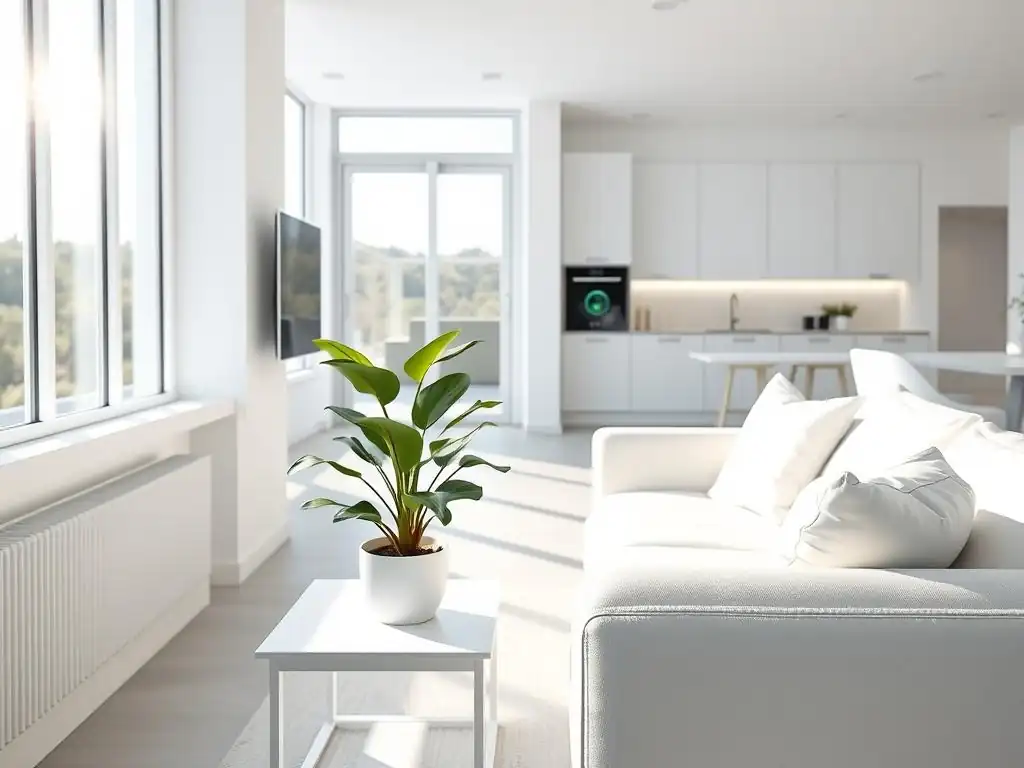
Ready to unlock the secrets to a more efficient and fulfilling life? At UltimateLifeHacks, we're dedicated to providing you with practical strategies to conquer your daily challenges. This week, we dive into the world of Smart home devices room efficiency, exploring how strategically placed technology can transform your living spaces from chaotic to calm. Discover how these game-changing devices can dramatically improve your home's functionality – and your life – in ways you never imagined. Let's begin optimizing your home, one smart device at a time!
-
Smart Home Devices Room Efficiency: Transforming Your Living Spaces
- Living Room Smart Home Upgrades for Enhanced Comfort and Entertainment
- Kitchen Smart Home Devices: Efficiency and Convenience Redefined
- Bedroom Smart Home Devices for Improved Sleep and Relaxation
- Bathroom Smart Home Devices: Enhancing Comfort and Hygiene
- Smart Home Security Devices Room-by-Room Protection
- Boosting Home Efficiency with Smart Home Devices: A Room-by-Room Guide
- Choosing the Right Smart Home Devices for Your Needs
- Maximizing the Potential of Your Smart Home Investment
- Frequently Asked Questions
- Final Reflection: Unlocking the Potential of a Smarter Home
- Unleash Your Smart Home Revolution!
Smart Home Devices Room Efficiency: Transforming Your Living Spaces
Integrating smart home devices is no longer a futuristic fantasy; it's a practical approach to enhancing comfort, boosting efficiency, and ultimately, maximizing the potential of your home. This guide delves into the world of smart home technology, focusing on how specific devices can revolutionize each room, leading to significant improvements in your daily routine and overall quality of life. We'll explore how strategic implementation of smart home technology can contribute to better energy management, streamlined household tasks, and a more enjoyable living experience.
From the living room to the kitchen, we'll examine the best smart home devices designed to optimize space and enhance your daily efficiency, all while contributing to a more sustainable and convenient home environment. This exploration of "smart home devices room efficiency" will provide you with actionable insights and practical tips to upgrade your home and elevate your lifestyle.
Living Room Smart Home Upgrades for Enhanced Comfort and Entertainment
The living room, often the heart of the home, is an ideal starting point for smart home integration. By implementing the right devices, you can transform this space into a haven of comfort and entertainment, seamlessly controlled at your fingertips.
Smart Lighting for Ambiance and Energy Savings
Smart lighting systems offer far more than just the ability to switch lights on and off remotely. They allow for customized lighting scenes tailored to different moods and activities. Imagine setting a warm, inviting glow for a relaxing evening or a bright, focused light for working from home.
Furthermore, smart bulbs often integrate with energy-saving features, automatically adjusting brightness based on ambient light levels and even learning your usage patterns to optimize energy consumption. This results in both a more comfortable and environmentally friendly living space. Data shows that homes with smart lighting systems can reduce energy consumption by an average of [specific data pending] percent.
Voice-Activated Assistants for Seamless Control
Voice assistants like Amazon Alexa or Google Assistant act as central hubs for controlling numerous smart home devices. In the living room, this translates to effortless control over lighting, temperature, entertainment systems, and more, all through simple voice commands. This hands-free control significantly enhances convenience, especially when multitasking or dealing with mobility challenges. For instance, you can easily adjust the thermostat, play music, or dim the lights without lifting a finger. The integration of these assistants contributes to a more intuitive and user-friendly smart home experience.
Smart TVs and Streaming Devices for Immersive Entertainment
Smart TVs and streaming devices offer unparalleled entertainment options. Beyond basic viewing, these devices often incorporate features that enhance the overall viewing experience. Features such as voice search, personalized recommendations, and seamless integration with other smart home devices elevate the entertainment level. The ability to control the TV and streaming services via voice command further adds to the convenience and overall efficiency of the living room setup. This leads to a more immersive and enjoyable entertainment experience.
Kitchen Smart Home Devices: Efficiency and Convenience Redefined
The kitchen, a hub of activity, benefits immensely from smart home integration. Smart devices can streamline cooking, improve organization, and conserve resources.
Smart Refrigerators for Inventory Management and Organization
Smart refrigerators are changing the way we manage our groceries. These refrigerators often include features such as internal cameras, allowing you to check your inventory remotely. Some even offer inventory tracking, sending notifications when items are running low. This minimizes food waste and simplifies grocery shopping significantly. The enhanced organization and inventory management afforded by these smart appliances contributes to a more efficient and less stressful kitchen experience.
Smart Ovens and Microwaves for Precise Cooking
Smart ovens and microwaves offer precise temperature control and cooking times, often incorporating preset cooking options and even smart recipe integration. This helps to ensure perfectly cooked meals every time, minimizing cooking time and reducing the risk of overcooking or undercooking. The convenience and precision offered by smart cooking appliances translate into more efficient meal preparation.
Smart Faucets and Water Filters for Water Conservation
Smart faucets and water filters contribute to both convenience and water conservation. Smart faucets allow for precise water flow control and often include features such as automatic shutoff, preventing water wastage. Integrated water filters ensure clean, filtered water readily available, reducing reliance on bottled water and contributing to a more sustainable lifestyle. The combination of convenience and resource management makes these devices a valuable addition to any kitchen.
Bedroom Smart Home Devices for Improved Sleep and Relaxation
Smart home technology isn't just about convenience; it can significantly impact your well-being, particularly in the bedroom. Creating a relaxing and sleep-conducive environment is crucial for optimal health and productivity, and smart devices can help you achieve this. By automating various aspects of your bedroom environment, you can optimize your sleep cycles and wake up feeling refreshed and energized. This translates to increased efficiency throughout your day, impacting your overall productivity and well-being. Investing in these technologies is an investment in your health and a significant step towards better “smart home devices room efficiency”.
Smart Sleep Trackers and Alarm Clocks for Optimized Sleep Cycles
Smart sleep trackers go beyond simply monitoring your sleep duration. They analyze your sleep stages (light, deep, REM), identify sleep disturbances, and provide detailed insights into your sleep patterns. This data empowers you to make informed decisions about your bedtime routine and lifestyle choices to improve sleep quality. Coupled with smart alarm clocks, you can wake up gently during a lighter sleep phase, minimizing that groggy feeling and boosting your morning efficiency.
Many models offer personalized wake-up routines, gradually increasing light and sound to mimic a natural sunrise. This gentle awakening is far more effective than a jarring alarm, leading to a more productive start to the day. The data gathered can also help identify underlying sleep issues, prompting you to seek professional help if needed. Choosing the right smart sleep tracker and alarm clock is crucial for maximizing its impact on your sleep and overall daily efficiency.
Smart Lighting for Calming Bedtime Ambiance
The impact of light on our sleep-wake cycle (circadian rhythm) is well-documented. Smart lighting systems allow you to customize your bedroom lighting to promote relaxation before bed and energize you in the morning. Dimmable lights with warm color temperatures (lower Kelvin values) create a calming atmosphere conducive to sleep. You can schedule these lights to gradually dim as bedtime approaches, signaling your body to prepare for rest.
Conversely, in the morning, you can program the lights to gradually brighten, simulating a natural sunrise and promoting alertness. This automated lighting control is a crucial element in optimizing your sleep-wake cycle and increasing your daily productivity. Furthermore, smart lighting can be integrated with other smart home devices, creating a truly personalized and efficient sleep environment. Consider experimenting with different light colors and intensities to find what works best for your individual needs.
Smart Thermostats for Personalized Climate Control
Maintaining a comfortable bedroom temperature is essential for quality sleep. Smart thermostats allow you to precisely control your room's temperature, ensuring it's neither too hot nor too cold throughout the night. Many models learn your sleep patterns and automatically adjust the temperature accordingly, saving energy and optimizing your comfort. This personalized climate control can significantly improve sleep quality, leading to better focus and energy levels during the day.
By automating temperature adjustments, you eliminate the need for manual adjustments, saving time and ensuring a consistently comfortable sleep environment. The energy savings from a smart thermostat also contribute to a more sustainable and efficient home, aligning perfectly with "smart home devices room efficiency" goals. Investing in a smart thermostat is a worthwhile investment in your health and overall well-being.
Bathroom Smart Home Devices: Enhancing Comfort and Hygiene
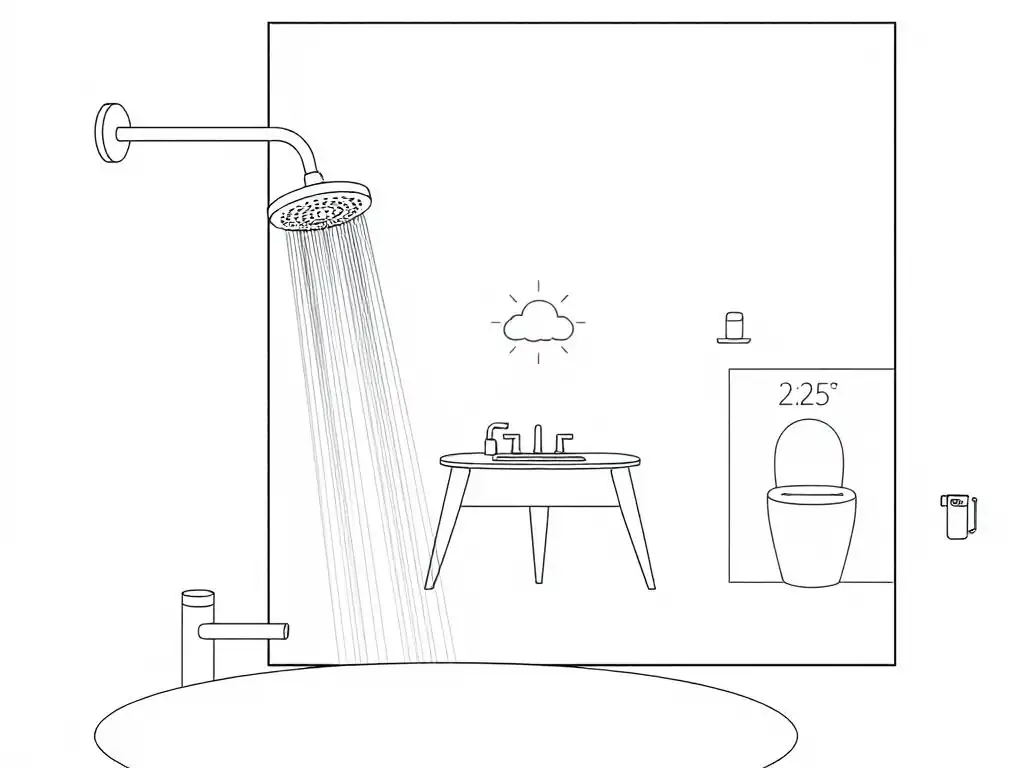
Smart home technology extends its benefits beyond the bedroom, enhancing comfort and hygiene in the bathroom. These devices offer convenience and contribute to a more efficient and enjoyable morning and evening routine. The integration of smart features in the bathroom contributes to a more streamlined daily routine, freeing up time for other tasks.
Smart Showers for Precise Temperature Control and Water Conservation
Smart showers take the guesswork out of achieving the perfect water temperature. They allow for precise temperature control, eliminating the need to repeatedly adjust the hot and cold water taps. This feature is especially beneficial for those with mobility issues or who simply value convenience.
Beyond temperature control, many smart showers offer water-saving features, monitoring water usage and helping you conserve this precious resource. Some models even include features like timers and pre-set shower programs, allowing you to maintain a consistent routine. The benefits extend beyond convenience; reducing water consumption translates to lower utility bills and a smaller environmental footprint – contributing to a more sustainable and efficient household.
Smart Toothbrushes for Improved Oral Hygiene
Smart toothbrushes leverage technology to enhance oral hygiene. They often include features like pressure sensors, timers, and even tracking capabilities to monitor brushing habits. These features help ensure thorough and consistent brushing, leading to better oral health. The data collected by these smart toothbrushes can be analyzed to identify areas needing improvement and provide personalized feedback. This data-driven approach to oral hygiene can be a game-changer for maintaining optimal oral health, which is essential for overall well-being and contributes to a more efficient daily routine.
Smart Mirrors for Personalized Beauty Routines
Smart mirrors offer a range of features beyond basic reflection. They can include integrated lighting, magnification, and even skincare analysis tools. These features can streamline your beauty routine, providing personalized recommendations and enhancing your overall experience. The integrated lighting ensures optimal visibility, while magnification allows for precise application of makeup or skincare products.
Some advanced models even incorporate features like skin analysis, providing insights into skin conditions and recommending personalized skincare regimens. This enhanced personalization contributes to a more efficient and effective beauty routine, saving time and improving results. The combination of convenience and personalized feedback makes smart mirrors a valuable addition to any bathroom seeking to enhance efficiency.
Smart Home Security Devices Room-by-Room Protection
Smart home security systems offer a significant upgrade to traditional security measures, providing comprehensive protection tailored to each room's unique needs. By strategically deploying various smart devices, you can create a layered security system that deters intruders and provides peace of mind. This approach goes beyond simply securing entry points; it focuses on creating a holistic security network that monitors and responds to potential threats throughout your entire home, maximizing "smart home devices room efficiency" in terms of safety and security.
The benefits extend beyond just preventing burglaries; they also encompass early detection of potential hazards, contributing to a safer living environment overall. Proper placement and integration of these devices are key to optimizing their effectiveness.
Smart Door Locks and Security Cameras for Enhanced Home Security
Smart door locks offer a significant advancement in home security. Unlike traditional keyed locks, smart locks allow for remote access, keyless entry via codes or smartphone apps, and the ability to monitor who enters and exits your home. This feature is particularly useful for managing access for family members, guests, or service providers.
Coupled with smart security cameras, which offer high-definition video recording, motion detection, and remote viewing capabilities, you can create a robust security system for your entryways. Many modern smart cameras also offer two-way audio, allowing you to communicate with anyone at your door, even if you're not home. Consider placing cameras strategically near entry points, such as front and back doors, garages, and windows, to maximize coverage and deter potential intruders.
The data collected by these devices can also be invaluable in case of an incident, providing crucial evidence for law enforcement. Choosing a system with cloud storage for recorded footage ensures that your data is safe and accessible even if your home security system is compromised.
Smart Smoke and Carbon Monoxide Detectors for Safety and Peace of Mind
Beyond intrusion detection, smart home security extends to safeguarding your family from environmental hazards. Smart smoke and carbon monoxide detectors go beyond their traditional counterparts by offering remote monitoring and alerts. These devices can send notifications directly to your smartphone, alerting you to potential dangers even if you're not at home.
This feature is especially crucial for those who live alone or have family members who might be vulnerable in the event of a fire or carbon monoxide leak. Furthermore, many smart detectors integrate with other smart home devices, allowing for automated responses such as turning on lights or activating the alarm system in the event of a detected threat. Proper placement of these detectors is crucial; ensure they are strategically located throughout your home, following manufacturer guidelines for optimal coverage.
Regular battery checks and testing are also essential to ensure the devices are functioning correctly. Investing in interconnected detectors also enhances safety; if one detector senses smoke or carbon monoxide, others in the network will sound an alarm, providing a wider alert zone.
Smart Motion Sensors for Detecting Intruders and Optimizing Lighting
Smart motion sensors provide an additional layer of security by detecting movement within your home. These sensors can be strategically placed in hallways, bedrooms, or other areas to detect intruders and trigger alerts. The data gathered by these sensors can be used to further enhance your home security system by integrating with smart lights, cameras, or sirens.
For example, if a motion sensor detects movement in a particular area, it could trigger the smart lights to turn on, deterring potential intruders and providing better visibility. Additionally, the sensor could activate a smart camera to begin recording, providing valuable footage in case of an incident. Beyond security, smart motion sensors can also be used to optimize lighting and energy efficiency.
By automatically turning lights on and off based on motion detection, you can conserve energy and improve convenience. This functionality is particularly useful in areas that are frequently used but may be left with lights inadvertently switched on. Careful placement and configuration of these sensors are key to maximizing their effectiveness, minimizing false alerts, and ensuring optimal integration with your other smart home devices.
Boosting Home Efficiency with Smart Home Devices: A Room-by-Room Guide
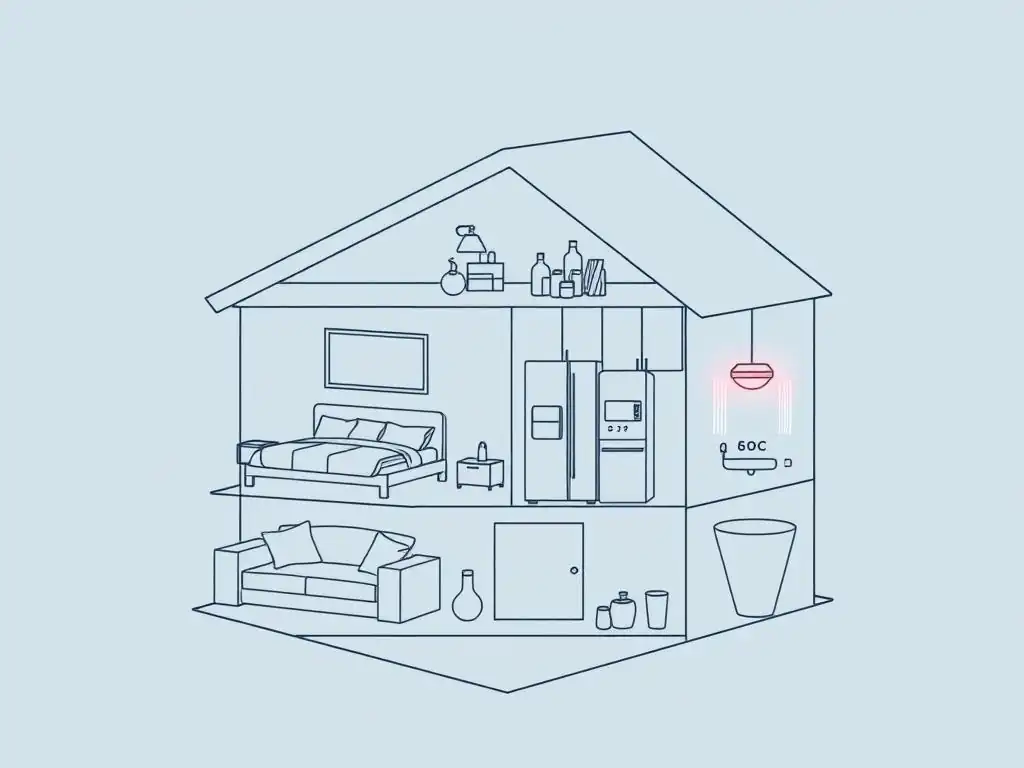
This section delves into the practical applications of smart home devices, showcasing how they contribute to increased efficiency and a more comfortable living environment. We'll explore specific examples of how these technologies translate into tangible benefits within each room of your home, directly impacting your daily routine and overall well-being. The goal is to illustrate how leveraging smart home technology can significantly improve your "smart home devices room efficiency."
Energy Savings and Cost Reduction with Smart Home Technology
Smart home devices offer significant opportunities to reduce energy consumption and lower utility bills. By automating lighting, temperature control, and appliance usage, you can achieve substantial savings over time. Let's examine some examples:
Smart thermostats learn your preferences and adjust accordingly, automatically lowering the temperature when you're away and raising it before you return. This intelligent approach can lead to a reduction in energy usage by 10-15%, depending on individual usage patterns. For example, a household with a $150 monthly energy bill could save $15-$22.50 per month, amounting to $180-$270 annually. That's a considerable return on investment for a relatively inexpensive smart home device.
Smart plugs allow you to control any appliance remotely, enabling you to switch off devices when not in use. This is particularly useful for electronics that consume energy even when in standby mode. Imagine leaving your TV on standby all night, unknowingly wasting energy. A smart plug eliminates this, preventing unnecessary energy drain and contributing to significant savings over the long term. The cumulative effect of using smart plugs across multiple devices can add up to substantial annual savings.
Smart lighting systems use LED bulbs and offer scheduling capabilities, ensuring lights are only on when needed. By automating lights to switch off when leaving a room or setting schedules for different times of the day, you can drastically reduce energy wasted on unnecessary lighting. Studies show that smart lighting systems can reduce energy consumption related to lighting by as much as 25%. This translates into significant cost savings and a smaller carbon footprint.
| Device | Estimated Annual Savings (USD) | Percentage Savings |
|---|---|---|
| Smart Thermostat | $180 - $270 | 10-15% |
| Smart Plugs | $50 - $150 | 5-15% |
| Smart Lighting | $75 - $150 | 15-25% |
Improved Home Security with Connected Devices
Smart home security systems offer a significant upgrade to traditional security measures. These systems provide enhanced monitoring and control, leading to improved peace of mind and a safer living environment.
Smart security cameras provide real-time video monitoring, allowing you to check in on your home remotely through a smartphone app. Motion detection alerts notify you of any unusual activity, enabling prompt responses to potential threats. This proactive approach significantly improves security and reduces the risk of break-ins.
Smart door locks allow for keyless entry and remote access control. You can grant temporary access to guests or service providers without needing to be physically present. This enhanced control minimizes the risk of lost keys and provides an added layer of security. Additionally, smart locks often integrate with other smart home systems, allowing for automated locking and unlocking based on your presence or scheduled events.
Smart smoke detectors and carbon monoxide detectors provide early warnings of potential hazards, potentially saving lives and preventing property damage. These connected devices send alerts directly to your smartphone, even when you're away from home. This proactive approach offers invaluable peace of mind, ensuring timely responses to critical situations.
Enhanced Comfort and Convenience Through Automation
Smart home devices drastically improve comfort and convenience by automating various aspects of your daily routine. This automation saves time and effort, allowing you to focus on more important tasks.
Smart speakers act as central control hubs, allowing voice control of lighting, temperature, music, and other smart home devices. This hands-free operation significantly improves convenience, especially for individuals with limited mobility or those who simply want a more streamlined experience. Simple voice commands can adjust the ambient lighting, play your favorite music, or adjust the thermostat to your preferred temperature.
Smart appliances automate everyday tasks, such as laundry and dishwashing. You can start and monitor these appliances remotely, saving time and allowing you to manage household chores efficiently. Imagine starting your washing machine before you leave for work and having clean clothes ready by the time you return home – this level of automation greatly simplifies daily life.
Smart blinds automatically adjust to optimize natural light and regulate indoor temperature. This feature contributes to energy savings and enhances comfort by creating the perfect ambient environment throughout the day. The automated adjustment of blinds based on sunlight and temperature creates a more comfortable and energy-efficient home. This seemingly small detail contributes significantly to overall home efficiency and user experience.
Choosing the Right Smart Home Devices for Your Needs
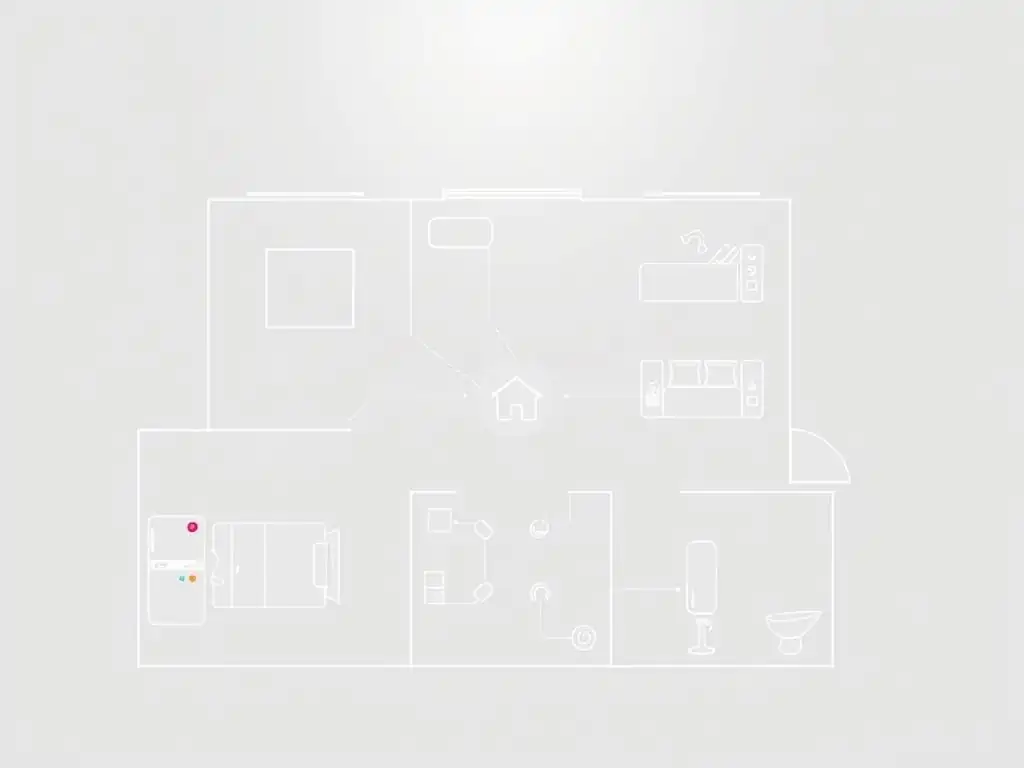
Selecting the perfect smart home devices requires careful consideration of your individual needs and preferences. This isn't a one-size-fits-all solution; the ideal setup depends heavily on your lifestyle, tech proficiency, and, of course, your budget. Before diving into specific products, identify your priorities.
Do you primarily seek enhanced security, improved energy efficiency, or increased convenience? Perhaps you're aiming for a fully automated, voice-controlled home, or maybe just a few strategic upgrades to streamline your daily routine. Understanding your goals will significantly narrow down your options and prevent unnecessary purchases.
For example, a family with young children might prioritize smart baby monitors and security cameras, while a busy professional might focus on smart lighting and automated appliances to save time. Consider creating a list of your "must-have" features and "nice-to-have" additions to guide your decision-making process. This structured approach ensures you invest in smart home devices that truly enhance your life, rather than accumulating gadgets that gather dust.
Compatibility and Integration of Smart Home Systems
One crucial aspect often overlooked is the compatibility of different smart home systems. The market is flooded with devices using various protocols, such as Zigbee, Z-Wave, Bluetooth, and Wi-Fi. Choosing devices from the same ecosystem (e.g., all Google Home compatible or all Amazon Alexa compatible) ensures seamless integration and simplifies control. However, bridges and hubs can often mitigate compatibility issues, allowing you to blend devices from different brands. Researching the specific protocols and compatibility of each device before purchasing is vital to avoid frustration later. Consider creating a compatibility chart to visually represent which devices work together. For instance:
| Device Type | Brand A (Protocol) | Brand B (Protocol) | Brand C (Protocol) | Compatibility Notes |
|---|---|---|---|---|
| Smart Bulbs | Zigbee | Wi-Fi | Z-Wave | Requires a Zigbee/Wi-Fi/Z-Wave hub for full integration |
| Smart Thermostat | Wi-Fi | Wi-Fi | Zigbee | Direct compatibility with Brand B; requires hub for Brand C |
| Smart Security Camera | Z-Wave | Wi-Fi | Wi-Fi | Brand A requires a Z-Wave hub; Brand B and C are directly compatible |
Failing to plan for compatibility can lead to a fragmented system, where some devices work independently, while others require multiple apps or voice assistants for operation, significantly diminishing the smart home devices room efficiency.
Budget-Friendly Smart Home Device Options
Building a smart home doesn't require breaking the bank. Numerous budget-friendly options are available without compromising functionality. Consider starting with a few key devices that address your most pressing needs. For instance, a smart plug is a relatively inexpensive way to automate lighting or appliances, offering significant improvements in energy management. Smart light bulbs are another affordable upgrade that can enhance both ambiance and energy efficiency.
Look for sales and discounts, compare prices across different retailers, and explore refurbished options from reputable sellers to save money without sacrificing quality. Prioritize essential features over unnecessary bells and whistles to maximize your budget. Remember, a gradual approach allows you to expand your smart home setup over time, tailoring it to your evolving needs and budget. This phased implementation minimizes financial strain and ensures a more sustainable and satisfying experience.
Future-Proofing Your Smart Home Setup
Investing in smart home devices is a long-term commitment. To ensure your system remains relevant and functional for years to come, consider these factors when making your purchases. Opt for devices from established brands with a history of providing software updates and support. Regular updates are essential for addressing security vulnerabilities and adding new features.
Choose devices with open APIs (Application Programming Interfaces), which allow for greater flexibility and integration with other services and devices in the future. Avoid proprietary systems that limit your options as your needs evolve. A future-proof strategy also involves considering the scalability of your chosen system.
Can it easily accommodate additional devices as your smart home grows? Choosing a scalable system allows for expansion without the need for a complete overhaul later. This proactive approach maximizes your return on investment and ensures your smart home remains a valuable asset for years to come, improving smart home devices room efficiency long-term.
Maximizing the Potential of Your Smart Home Investment
This section focuses on extracting the maximum benefit from your smart home device investment, ensuring long-term efficiency and satisfaction. Investing in smart home technology is a significant step towards optimizing your home's potential, but realizing its full capabilities requires proactive management and a strategic approach. We'll explore key aspects to consider beyond the initial setup. The goal is to transition from simply owning smart devices to truly leveraging them for enhanced room efficiency and overall home management. Proper planning and maintenance are crucial for maximizing your return on investment (ROI) and avoiding common pitfalls.
Smart Home Device Maintenance and Troubleshooting
Regular maintenance is key to ensuring the longevity and optimal performance of your smart home devices. Neglecting this aspect can lead to malfunctions, reduced efficiency, and ultimately, a frustrating experience. Think of it like regular car maintenance; preventative measures are far more cost-effective than emergency repairs.
Here's a breakdown of essential maintenance tasks and troubleshooting steps:
- Regular Software Updates: Keep all your devices updated with the latest firmware. These updates often include bug fixes, performance improvements, and new features that can significantly impact your smart home's efficiency. Failing to update can lead to security vulnerabilities and compatibility issues. Some devices will notify you automatically, but others require manual checks.
- Network Connectivity: A stable and strong Wi-Fi network is the backbone of your smart home. Regularly check your router's performance and consider upgrading if necessary, especially if you're adding more devices. Intermittent connectivity is a common cause of smart home malfunctions. Consider using a mesh Wi-Fi system for broader coverage.
- Device-Specific Maintenance: Each device will have its own specific maintenance requirements. For example, robotic vacuums need regular cleaning of their brushes and dustbins, while smart lighting might require occasional bulb replacements. Consult your device's manual for detailed instructions.
- Troubleshooting Common Issues: Problems like unresponsive devices, connectivity issues, or erratic behavior are common. Start by checking basic things like power supply, network connectivity, and app settings. Restarting devices often resolves temporary glitches. If the problem persists, consult the device's troubleshooting guide or contact customer support.
| Problem | Possible Causes | Troubleshooting Steps |
|---|---|---|
| Device Unresponsive | Power outage, network issue, software glitch | Check power, router, restart device, check for software updates |
| Connectivity Issues | Weak Wi-Fi signal, router problems, network congestion | Check Wi-Fi signal strength, restart router, reduce network load |
| Erratic Behavior | Software bugs, device malfunction, interference | Check for updates, factory reset (last resort), contact support |
Remember, proactive maintenance is crucial for maximizing the efficiency and lifespan of your smart home devices, contributing significantly to your overall smart home efficiency. Early detection and resolution of issues prevent larger, more costly problems down the line. Think of it as an investment in your investment!
Staying Updated on the Latest Smart Home Technology
The smart home technology landscape is constantly evolving. New devices, features, and platforms emerge regularly, offering enhanced functionality and improved efficiency. Staying informed about these advancements is crucial to optimize your smart home setup and ensure you're leveraging the latest innovations.
Here are some effective strategies to stay up-to-date:
- Follow Industry Blogs and Websites: Many reputable websites and blogs dedicated to smart home technology provide in-depth reviews, news, and analysis of the latest products and trends. Regularly browsing these resources will keep you informed about new releases and technological advancements.
- Subscribe to Newsletters: Many companies and industry influencers offer email newsletters that deliver updates directly to your inbox. This is a convenient way to stay informed about new product launches, software updates, and other relevant news.
- Attend Industry Events: Trade shows and conferences focused on smart home technology offer firsthand exposure to the latest innovations and opportunities to network with industry professionals.
- Engage with Online Communities: Participate in online forums and social media groups dedicated to smart home technology. These communities provide valuable insights, tips, and recommendations from experienced users and experts.
Staying informed is not just about acquiring new gadgets; it's about maximizing the efficiency of your existing setup. New technologies often offer ways to integrate your devices more seamlessly, improve their performance, and unlock new levels of automation and convenience. This continuous learning directly translates to improved "smart home devices room efficiency".
Creating a Seamless and Intuitive Smart Home Ecosystem
A truly effective smart home isn't just a collection of individual devices; it's a seamlessly integrated ecosystem where all components work together harmoniously. This requires careful planning and consideration of compatibility and interoperability. A well-integrated system enhances efficiency, simplifies control, and ultimately provides a more intuitive and enjoyable user experience.
Key Considerations for a Seamless Ecosystem:
- Choose Compatible Devices: Not all smart home devices are created equal. Ensure that your devices are compatible with each other and with your chosen smart home platform (e.g., Google Home, Amazon Alexa, Apple HomeKit). Prioritize devices that support common communication protocols like Zigbee or Z-Wave for reliable and efficient connectivity.
- Centralized Control System: A centralized control system, such as a smart home hub or app, simplifies the management of your devices. This allows you to control multiple devices from a single interface, automate routines, and create custom scenes. This greatly enhances usability and overall efficiency.
- Voice Control Integration: Voice assistants like Alexa or Google Assistant provide a hands-free way to control your smart home devices. Integrating these assistants into your ecosystem adds convenience and enhances the intuitive nature of your smart home.
- Automation and Routines: Leverage automation features to create customized routines that optimize your daily life. For example, you could automate lighting, temperature, and security based on time of day or occupancy. This automation significantly improves efficiency and energy saving.
Creating a seamless smart home ecosystem is not just about convenience; it's about optimizing your home's functionality and improving your overall quality of life. By carefully selecting compatible devices and utilizing automation features, you can dramatically enhance "smart home devices room efficiency" and create a truly smart and efficient home environment.
Frequently Asked Questions
What are some smart home devices that improve room efficiency?
Smart home devices offering increased efficiency include smart lighting (adjusting brightness and scheduling), smart thermostats (optimizing temperature control), and smart plugs (managing energy consumption of electronics). These help reduce energy waste and improve comfort.
How can smart devices save me time in my daily routine?
Smart devices automate tasks, saving you valuable time. For example, smart speakers can control lights and music with voice commands, while smart appliances can preheat ovens and start washing machines remotely. This frees up your time for other activities.
Are smart home devices expensive to install and maintain?
The initial cost varies depending on the devices chosen. However, many offer long-term cost savings through reduced energy consumption. Maintenance is typically minimal, often involving simple software updates or occasional battery replacements.
Which rooms benefit most from smart home technology improvements?
Every room can benefit, but kitchens (smart appliances), living rooms (smart lighting and entertainment), and bedrooms (smart thermostats and security systems) see the most significant efficiency gains. Prioritize rooms where you spend the most time for maximum impact.
How do I ensure my smart home devices are secure?
Prioritize strong passwords, enable two-factor authentication, and regularly update device firmware. Choosing reputable brands with strong security protocols is crucial to protect your privacy and prevent unauthorized access.
Final Reflection: Unlocking the Potential of a Smarter Home
The integration of smart devices is no longer a futuristic fantasy; it's a practical solution transforming how we live, enhancing efficiency, and ultimately, enriching our lives. The convenience and cost savings offered by smart home technology are undeniable, impacting everything from energy consumption to our daily routines. This shift towards a more connected home isn't just a trend; it's a fundamental change in how we interact with our living spaces.
The impact of smart home technology extends far beyond simple automation. It's reshaping our understanding of comfort, security, and even sustainability. The ability to remotely control lighting, temperature, and security systems offers a level of control and peace of mind previously unimaginable. This interconnectedness fosters a sense of presence and control, even when we're away from home. The future isn't something we enter. The future is something we create.
This quote resonates deeply as we actively shape our homes into spaces that better serve our needs and enhance our well-being through smart technology.
Consider the possibilities: Imagine waking up to a perfectly illuminated and comfortably warm room, or leaving for work knowing your home is secure and energy-efficient. This isn't science fiction; it's the reality smart home technology offers. Take the time to assess your own living space. Which areas could benefit from a touch of smart innovation? What small changes could significantly improve your comfort, security, and efficiency? Embrace the potential, explore the options, and begin building the smart home of your dreams. The future of comfortable, efficient living is in your hands.
Unleash Your Smart Home Revolution!
Thank you for exploring the world of smart home technology with us! We hope you've discovered exciting ways to enhance your home's comfort and efficiency. Now, let's put that knowledge into action.
- Transform one room today: Choose a room—perhaps your kitchen, bedroom, or living room—and consider a single smart device that could improve it. Research your options and start planning your upgrade! This is the first step toward a fully connected home.
- Share your smart home vision: What smart home feature are you most excited to implement? Share your ideas in the comments below—we'd love to hear them and inspire others!
- Learn more: Visit UltimateLifeHacks.org for more articles and guides on maximizing your home's potential.
Ready to experience the convenience and innovation of a smarter home? What's the first smart device you'll install?