
Childproof Your Home: Automation Hacks for a Safe Environment

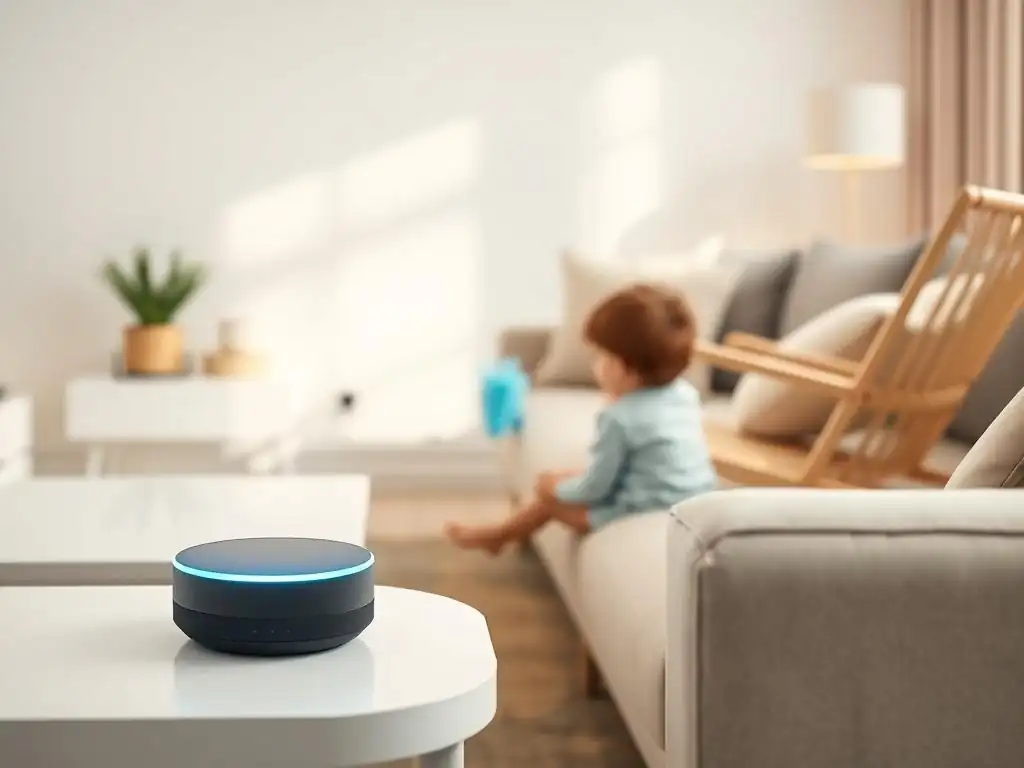
Welcome to UltimateLifeHacks, where we unlock the secrets to a more efficient and fulfilling life. Are you ready to reclaim your precious time and energy? We're diving deep into home safety with our latest article on Automating Childproofing. Discover ingenious ways to seamlessly integrate safety measures into your daily routine, transforming your home into a secure haven for your little ones without sacrificing your sanity. Learn how to effortlessly automate childproofing and create a truly safe and efficient environment – read on to discover the transformative power of smart home technology for family safety!
- Automate Childproofing Home Safety: Smart Solutions for Peace of Mind
- Beyond the Basics: Advanced Automation for Childproofing
- Creating a Truly Childproof Smart Home: Practical Tips and Considerations
- Frequently Asked Questions (FAQs) about Automating Child Safety
- Frequently Asked Questions
- Final Reflection: Building a Future Where Safety is Automated
- Unlock a Safer Home: Simple Steps to Peace of Mind
Automate Childproofing Home Safety: Smart Solutions for Peace of Mind
Becoming a parent is a joyous journey, filled with countless moments of love and laughter. However, it also brings forth a new level of responsibility: ensuring the safety and well-being of your little ones. Childproofing your home is a crucial step in this process, transforming your living space into a safer environment for your children to explore and grow.
This article explores how you can leverage the power of home automation to enhance your childproofing efforts, creating a safer home with less stress and greater peace of mind. We'll delve into practical, actionable strategies using smart technology to automate key aspects of childproofing, focusing on solutions that offer convenience and robust safety features.
By automating certain childproofing measures, you can significantly reduce the risk of accidents and create a more secure environment for your family. This shift towards automated childproofing is not just about convenience; it's about proactively mitigating risks and building a safer home for your children.
Smart Locks: Securing Access to Hazardous Areas
Smart locks represent a significant advancement in home security and childproofing. They offer a level of control and monitoring far beyond traditional key-based systems, allowing for granular management of access to potentially hazardous areas within your home.
Automating Door Locks for Enhanced Child Safety
Automating door locks provides an additional layer of protection against accidental access to dangerous areas such as the laundry room (containing cleaning supplies), the garage (with tools and chemicals), or even medicine cabinets. By using a smart lock, you can easily lock these areas remotely, preventing unsupervised access by children. This eliminates the worry of constantly checking and rechecking door locks.
Smart Lock Features for Childproofing: Key Considerations
Several features make smart locks particularly effective for childproofing. Look for locks with features such as:
- Keypads with customizable PINs: Avoid using easily guessable PINs.
- Remote locking/unlocking: Control access from anywhere using a smartphone app.
- Activity logs: Monitor who accessed a particular area and when.
- Auto-locking functionality: The door automatically locks after a set period.
- Integration with other smart home devices: Allows for seamless integration into a larger home security system.
Choosing the Right Smart Lock for Your Childproofing Needs
Selecting the appropriate smart lock involves careful consideration of your specific needs and preferences. Factors to consider include the type of lock (deadbolt, door handle), compatibility with your existing doors, and the features offered (keypad, fingerprint scanner, etc.). Researching and comparing different models before making a purchase is essential to ensure you choose a lock that meets your childproofing requirements. Remember to always prioritize security and reliability when choosing a smart lock.
Smart Outlets: Controlling Power to Dangerous Appliances
Smart outlets provide another crucial tool in the automation of childproofing. By controlling the power supply to potentially dangerous appliances, you can significantly reduce the risk of accidents.
Preventing Electrical Hazards with Smart Outlets
Smart outlets allow you to remotely control the power to appliances like hair dryers, space heaters, and irons. This prevents children from accessing and potentially harming themselves with these devices. The ability to schedule power-off times for these appliances adds another layer of safety.
Scheduling Power Off: A Proactive Childproofing Approach
Scheduling power-off periods for appliances during times when children are unsupervised is a proactive approach to childproofing. For example, you can schedule the power to a hair dryer to automatically turn off overnight or when children are playing in the bathroom. This eliminates the risk of the appliance being left on unattended. This scheduling feature provides an extra layer of security and peace of mind, reducing the likelihood of accidents.
Remote Control of Appliances: Enhanced Child Safety Measures
The remote control feature of smart outlets offers enhanced safety measures. If you leave the house and remember you left an appliance on, you can remotely switch it off using your smartphone, preventing potential hazards. This remote access capability provides significant flexibility and control, giving you the ability to manage your home's safety remotely. This level of control offers significant peace of mind, particularly when you are away from home.
Smart Sensors: Detecting Potential Dangers
Smart sensors represent a cornerstone of automated childproofing, offering real-time monitoring and alerts to potential hazards within your home. These devices passively monitor the environment, providing crucial information that allows you to proactively address safety concerns before they escalate into accidents. The range of available smart sensors is vast, catering to different needs and budgets. Effective implementation involves strategically placing sensors in high-risk areas, creating a comprehensive safety net.
Choosing reliable, high-quality sensors is paramount, as faulty devices can lead to false alarms or, worse, missed alerts. Regular testing and maintenance of these systems are equally crucial to ensuring their continued effectiveness. Thinking proactively about potential dangers, rather than reactively addressing incidents, is key to leveraging the full potential of smart sensor technology for childproofing.
This proactive approach shifts the focus from damage control to preventative measures, significantly enhancing your family's safety and peace of mind. Consider your child's developmental stage and mobility when determining sensor placement. A crawling infant will require different sensor placement than a mobile toddler.
Door and Window Sensors: Real-Time Alerts for Increased Security
Door and window sensors are an excellent starting point for automating childproofing. These small, easily installed devices alert you instantly when a door or window is opened. This is particularly useful for securing exterior doors and windows, preventing unsupervised exits.
Imagine the peace of mind knowing you'll receive an immediate notification if your toddler unexpectedly opens a window or slips out of a back door. Many systems integrate with smart home hubs, allowing you to receive alerts directly to your smartphone, regardless of your location. Furthermore, some advanced systems can even trigger a visual alert, such as flashing lights, in addition to the audible alarm.
This dual-alert system is incredibly beneficial for those with hearing impairments or in noisy environments. Consider installing these sensors on all exterior doors and windows, as well as any interior doors leading to potentially hazardous areas, such as the garage or basement. The data collected by these sensors can also be analyzed over time to identify patterns in your child’s behavior and potential safety risks.
Motion Sensors: Monitoring High-Risk Areas
Motion sensors provide a broader level of surveillance, detecting movement in specific areas of your home. These are invaluable for monitoring high-risk zones like staircases, swimming pools (if applicable), or areas containing potentially dangerous items such as cleaning supplies or sharp objects. The sensors can be strategically placed to trigger alerts if your child enters these restricted zones. This allows for immediate intervention, preventing potential accidents before they occur.
Motion sensors offer a more passive form of monitoring compared to cameras, respecting your child's privacy while still providing a critical layer of safety. When integrating motion sensors into your childproofing strategy, consider the sensitivity settings. Adjusting the sensitivity can minimize false alarms caused by pets or minor movements while still effectively detecting significant activity. Pairing motion sensors with smart cameras allows for a more comprehensive monitoring system, providing both visual and motion-based alerts.
Smart Smoke and Carbon Monoxide Detectors: Early Warning System for Family Safety
Smart smoke and carbon monoxide detectors are not just about childproofing; they're essential for the overall safety of your entire family. These advanced detectors go beyond traditional models by providing immediate alerts to your smartphone, even when you're away from home. The early warning system offered by these interconnected devices is invaluable, giving you crucial time to react in the event of a fire or carbon monoxide leak.
Many models also include interconnected features, meaning that if one detector senses danger, all connected detectors will sound simultaneously, maximizing the chances of alerting everyone in the house. Beyond immediate alerts, some smart detectors offer features like self-testing and low-battery notifications, ensuring consistent and reliable functionality. Regular maintenance and testing of these detectors are crucial, and the smart features often include reminders to facilitate this process.
Choosing detectors with long battery life and reliable connectivity is key to ensuring their effectiveness. Investing in these smart detectors is an investment in your family's safety and peace of mind. The early warning system they provide can be the difference between a minor incident and a major tragedy.
Beyond the Basics: Advanced Automation for Childproofing
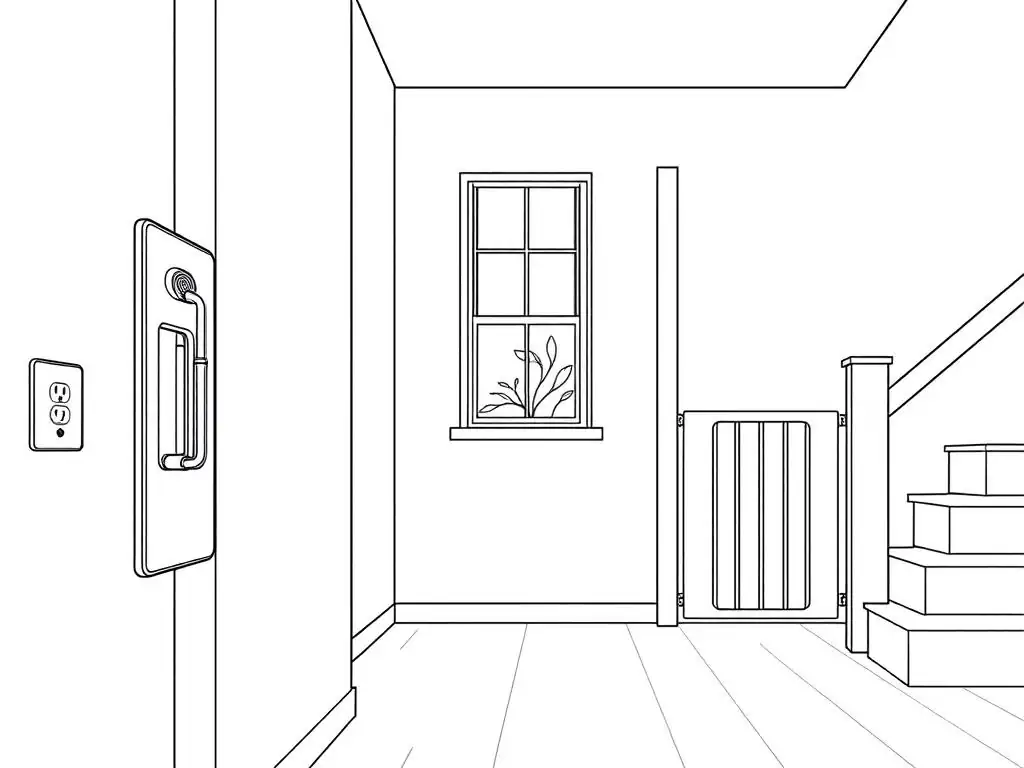
This section delves into sophisticated automation strategies that go beyond basic childproofing measures, enhancing home safety significantly. We'll explore how smart technology can provide an extra layer of security and peace of mind for parents. The focus will be on leveraging automation to proactively monitor and respond to potential hazards, minimizing risks and maximizing the safety of your children. Effective "Automate childproofing home safety" strategies often involve a combination of these advanced techniques.
Smart Cameras: Remote Monitoring and Surveillance
Smart cameras offer unparalleled capabilities for remotely monitoring children and their surroundings. These devices aren't just about recording; they offer proactive safety features that traditional cameras lack. Their application in childproofing is transformative, allowing parents to keep a watchful eye even when they're not physically present.
Live Feed Monitoring: Keeping an Eye on Children at All Times
Live feed monitoring is a cornerstone of smart camera childproofing. Imagine being able to check in on your toddler playing in the living room from your office, or monitoring your teenager's study habits from across town. This constant visual access provides reassurance and allows for immediate intervention if necessary. Many smart cameras offer high-definition video, night vision, and two-way audio, enabling interaction with your child remotely. This real-time monitoring significantly reduces parental anxiety and enhances overall safety.
Smart Camera Features for Enhanced Child Safety
Beyond live viewing, many smart cameras include features specifically designed to improve child safety. These include:
- Motion detection: Alerts you instantly when movement is detected in a designated area, helping you identify potential hazards or unusual activity.
- Sound detection: Some cameras can detect sounds like crying or shouting, triggering immediate notifications. This is particularly useful for infants and young children who may not be able to communicate their needs effectively.
- Person detection: More advanced cameras can differentiate between people and objects, minimizing false alerts and focusing your attention on relevant events.
- Activity zones: Define specific areas within the camera's view to monitor closely, focusing your attention on high-risk locations. For example, you might set an activity zone around a pool or staircase.
- Cloud storage: Securely store your camera footage in the cloud, offering a backup in case of local device failure. This provides a valuable record for review and potential future use.
Choosing the Right Smart Camera for Childproofing
Selecting the appropriate smart camera requires careful consideration. Factors to consider include:
| Feature | Importance for Childproofing | Example |
|---|---|---|
| Video Resolution | Higher resolution provides clearer images for better monitoring | 1080p or higher |
| Night Vision | Essential for monitoring during nighttime hours | Infrared night vision |
| Two-Way Audio | Allows for communication with your child remotely | Ability to speak to your child |
| Motion Detection | Crucial for detecting potential hazards | Sensitivity adjustments |
| Cloud Storage | Provides a secure backup of recorded footage | Cloud storage plans with varying capacity |
| Data Privacy | Ensure the camera complies with relevant privacy regulations | Look for reputable brands with strong privacy policies |
Choosing a camera with robust features tailored to child safety is crucial for effective "Automate childproofing home safety" strategies.
Automated Security Systems: Comprehensive Home Protection
Integrating childproofing measures into a broader home security system offers significant advantages. This holistic approach combines various safety elements for a more comprehensive and effective solution.
Integrating Childproofing Measures into Your Home Security System
A sophisticated home security system can incorporate numerous childproofing elements:
- Door and window sensors: These sensors alert you if a door or window is opened unexpectedly, potentially indicating unauthorized entry or a child accessing a restricted area.
- Smart locks: Allow you to remotely lock and unlock doors, ensuring that children cannot leave the house unsupervised.
- Smoke and carbon monoxide detectors: These vital safety devices can be integrated into your system, providing immediate alerts in case of emergencies.
- Smart plugs: Control power to potentially hazardous appliances or outlets, preventing children from accessing them.
- Water leak detectors: Detect leaks early, preventing water damage and protecting children from potential hazards associated with water.
Setting Up Automated Alerts and Notifications
Configuring your security system to send timely alerts is crucial. Customize notifications to receive alerts for specific events, such as:
- Door/window openings: Receive alerts when doors or windows are opened in designated areas.
- Smoke/CO detection: Immediate alerts in case of fire or carbon monoxide leaks.
- Tampering with security devices: Alerts if someone attempts to disable or remove your security sensors.
Professional Monitoring Services: Added Layer of Child Safety
Professional monitoring services provide an additional layer of security. In the event of an emergency, a monitoring center will be immediately alerted, dispatching emergency services as needed. This proactive approach can significantly reduce response times in critical situations, enhancing the overall safety of your home and your children. This is a key aspect of successfully automating childproofing home safety.
Creating a Truly Childproof Smart Home: Practical Tips and Considerations
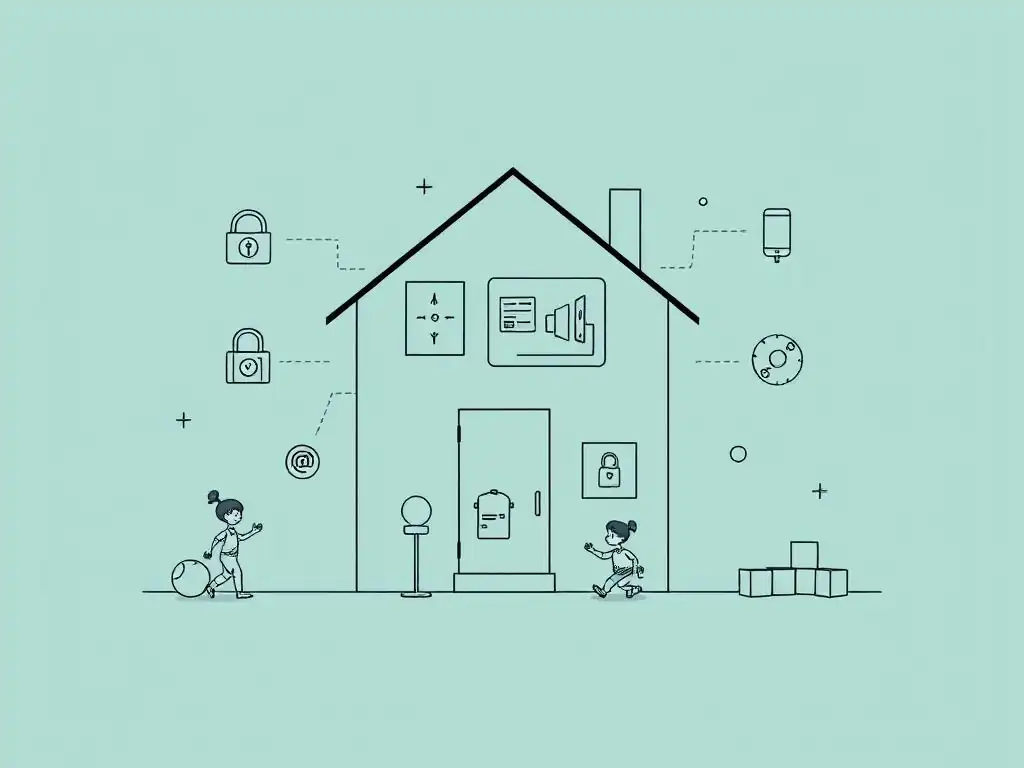

This section delves into the practical aspects of automating childproofing, moving beyond simply installing smart devices to creating a holistic, secure, and age-appropriate smart home environment. Successfully automating childproofing requires careful planning and consideration of various factors, ensuring that technology enhances safety without compromising privacy or affordability. The goal is to seamlessly integrate smart home features into your existing childproofing strategies, creating a safer and more efficient home management system. Remember, technology is a tool; its effectiveness depends on how thoughtfully it's implemented.
Choosing Age-Appropriate Smart Home Devices
Selecting the right smart home devices is crucial for effective and safe childproofing. Different age groups present unique challenges and require tailored solutions. For toddlers, focus on simple, robust devices that are difficult to damage or misuse. For older children, more sophisticated systems with parental controls can be implemented. Consider these factors:
- Toddlers (0-3 years): Smart door locks with keypad access (avoiding complex apps) and smart baby monitors with high-quality video and audio are excellent choices. Avoid devices with small, detachable parts that pose a choking hazard. Simple smart plugs for controlling essential lights and outlets can also be beneficial, allowing for remote control without complicated interfaces. Prioritize durability and ease of use for this age group.
- Preschoolers (3-5 years): As children become more mobile and curious, consider adding smart sensors to detect door and window openings. This provides real-time alerts, enabling swift responses to potential escapes or intrusions. Introduce age-appropriate smart speakers with parental controls, enabling educational content access and limiting exposure to inappropriate material.
- Older Children (6+ years): At this stage, more complex smart home systems can be introduced, with greater emphasis on parental control and monitoring capabilities. Smart thermostats can be integrated to prevent accidental temperature adjustments, and smart lighting systems can create automated routines for bedtime or wake-up times. However, always prioritize open communication and education about responsible technology use.
Consider the following table for a quick comparison:
| Age Group | Suitable Devices | Considerations |
|---|---|---|
| Toddlers (0-3) | Smart door locks (keypad), Smart baby monitors | Durability, simplicity, choking hazard prevention |
| Preschoolers (3-5) | Door/window sensors, Smart speakers (parental controls) | Ease of use, age-appropriate content, safety features |
| Older Children (6+) | Smart thermostats, Smart lighting, Smart locks (app-based) | Parental controls, education on responsible technology use |
Remember to always prioritize safety and age-appropriateness when selecting smart home devices for your childproofing strategy. Thorough research and careful selection are key to maximizing the benefits of automation while minimizing potential risks.
Ensuring Privacy and Data Security in a Smart Home Environment
Integrating smart home devices for childproofing necessitates a strong focus on privacy and data security. These devices collect data, and it's crucial to understand how this data is handled and protected. Consider the following best practices:
- Strong Passwords and Two-Factor Authentication: Employ strong, unique passwords for all accounts and enable two-factor authentication wherever possible. This adds an extra layer of security, making it significantly harder for unauthorized individuals to access your system.
- Regular Software Updates: Keep all smart home devices and their associated software updated. Updates often include security patches that address vulnerabilities and protect against potential breaches.
- Data Encryption: Choose devices that utilize robust data encryption protocols. This ensures that your data is protected even if it is intercepted.
- Privacy Settings: Carefully review and adjust the privacy settings of each device. Minimize data collection where possible and limit access to only necessary features.
- Choose Reputable Brands: Opt for established brands with a proven track record of security and privacy. Research the company's privacy policies and data handling practices before making a purchase.
Failing to address privacy and security concerns can compromise the very safety you're trying to achieve. A secure smart home is a safe smart home.
Budget-Friendly Childproofing Automation Options: Affordable Solutions
Implementing childproofing automation doesn't require breaking the bank. Many affordable options exist that effectively enhance home safety without excessive expenditure.
- Smart Plugs: These are inexpensive and allow remote control of lamps and other appliances, preventing accidental access by children. You can schedule lights to turn on and off automatically, creating a sense of security and routine.
- Motion Sensors: Affordable motion sensors can be used to trigger alerts when movement is detected in restricted areas, like the kitchen or stairway. This provides an early warning system for potential hazards.
- Door/Window Sensors: Basic door and window sensors can be acquired at relatively low cost, providing alerts when these openings are unexpectedly accessed.
- DIY Smart Home Solutions: Explore open-source platforms and DIY projects for creating custom solutions tailored to your specific needs and budget. This requires more technical expertise but can yield significant cost savings.
By strategically selecting affordable components and focusing on essential features, you can build a robust and cost-effective smart home childproofing system. Prioritize the most critical safety aspects first and gradually expand your system as your budget allows. Remember, even small steps towards automation can significantly improve your home's safety.
Integrating Existing Systems: Seamless Childproofing with Your Current Setup
Integrating smart home childproofing into your existing setup doesn't require a complete overhaul. Many systems can be adapted or augmented to enhance safety without significant investment. For instance, if you already have a smart lighting system, you can program specific routines to ensure lights are always on in potentially hazardous areas like stairwells, even during the day. This simple addition significantly improves visibility and reduces tripping hazards.
Furthermore, existing smart locks can be leveraged for childproofing. Instead of relying solely on physical locks, you can utilize time-based access controls or even geofencing capabilities to ensure that doors and cabinets remain locked when children are unsupervised. This allows for a degree of flexibility while maintaining a high level of security. Remember, the goal is seamless integration—avoiding the need to learn entirely new systems.
Consider also how your existing security system can be repurposed for childproofing. Many systems include motion sensors, which can be strategically placed to alert you if a child ventures into a restricted area, such as the kitchen or a room containing cleaning supplies. This provides an early warning system, allowing you to intervene before any potential accidents occur. The key is to strategically place these sensors without creating a sense of excessive surveillance.
The focus should be on proactively identifying potential dangers rather than continuously monitoring children's every move. Think of it as a safety net, not a prison. Pairing these sensors with smart home automation allows for automated responses, such as sending a notification to your smartphone or activating a voice alert.
Finally, don't forget the potential of your existing smart speakers. By using voice commands, you can easily control many aspects of your smart home security. For example, you could verbally lock a cabinet containing cleaning supplies or adjust the temperature to prevent burns from hot surfaces. This hands-free approach can be particularly useful when your hands are full.
The ease and speed of voice control makes it a highly effective tool in preventing accidents in a home with young children. Remember to choose voice commands that are simple and easy for everyone in the family to understand and use, minimizing the chance of confusion or accidental activation. This integration of existing systems offers a cost-effective way to enhance home safety through automation.
Frequently Asked Questions (FAQs) about Automating Child Safety
This section addresses common concerns and questions surrounding the automation of childproofing measures within the home. We'll explore potential drawbacks, cost considerations, and security implications to provide you with a comprehensive understanding of this increasingly popular approach to home safety. Remember, while automation enhances safety, it should complement, not replace, traditional childproofing methods.
What are the potential drawbacks of using smart home devices for childproofing?
While smart home technology offers significant advantages in childproofing, it's crucial to acknowledge potential downsides. One major drawback is the reliance on technology. Power outages, internet connectivity issues, or device malfunctions can compromise the effectiveness of automated safety measures. Imagine a smart lock malfunctioning during a power surge – a concerning scenario for any parent. Therefore, a robust backup plan incorporating traditional childproofing methods is essential.
Another consideration is the complexity of setting up and maintaining these systems. While many smart devices are user-friendly, configuring multiple devices to work seamlessly together requires technical proficiency and time investment. Incorrect configuration could lead to unintended consequences, potentially negating the safety benefits. For example, improperly configured smart sensors could trigger false alarms, leading to parental fatigue and a diminished response to genuine threats.
Finally, there's the issue of potential vulnerabilities. Although manufacturers constantly work to enhance security, smart home devices remain susceptible to hacking or malfunctions. A compromised smart lock or baby monitor could pose significant security risks, emphasizing the need for robust passwords and regular software updates. This underscores the importance of choosing reputable brands with a strong commitment to security.
How much does it cost to automate childproofing measures in your home?
The cost of automating childproofing varies significantly depending on the specific devices chosen and the extent of automation implemented. A basic setup might involve purchasing a few smart plugs to control access to electrical outlets, costing around $50-$100. However, a more comprehensive system incorporating smart locks, door sensors, window sensors, and security cameras could easily exceed $1000. The price will also be influenced by the brand, features, and installation costs.
Consider the following cost breakdown example:
| Item | Estimated Cost (USD) |
|---|---|
| Smart Locks (2) | $200 - $400 |
| Smart Plugs (5) | $50 - $100 |
| Smart Door/Window Sensors (4) | $80 - $160 |
| Smart Security Camera | $100 - $300 |
| Total (Estimated Range): | $430 - $1000+ |
Remember that these are estimates, and actual costs may vary. Prioritize essential safety features first and gradually add more advanced automation as your budget allows. It's wise to create a detailed budget before purchasing any equipment to avoid exceeding financial limits. Also, factoring in any potential installation costs is crucial for a realistic cost assessment.
Are smart home devices secure enough to protect children?
The security of smart home devices is a critical concern when it comes to child safety. While technology offers enhanced security features, it's not foolproof. Manufacturers continuously improve security protocols, implementing measures such as encryption, two-factor authentication, and regular software updates. However, vulnerabilities can still exist, and diligent users should take proactive steps to mitigate risks.
Choosing reputable brands with a proven track record of security is paramount. Read reviews, check for certifications like UL or others relevant to your region, and prioritize devices with strong encryption and regular security updates. Always use strong, unique passwords for each device, and enable two-factor authentication whenever possible. Regularly update firmware to patch vulnerabilities and maintain optimal security.
Remember that security is a continuous process, requiring vigilance and proactive measures. Think of it as a layered approach—multiple security measures working together to enhance safety. This includes traditional childproofing methods in addition to the automated ones. A multi-layered approach is the most effective way to "automate childproofing home safety".
Frequently Asked Questions
Can I fully automate childproofing?
While complete automation is difficult, you can significantly automate many aspects. Smart locks, sensors, and cameras allow for remote monitoring and control, reducing manual checks. Partial automation offers substantial safety improvements.
What devices are best for automating childproofing?
Consider smart locks for cabinets and doors, outlet covers with sensors, smart cameras for monitoring, and baby monitors with movement detection. Integration with smart home hubs enhances control and coordination.
How much does automating childproofing cost?
The cost varies greatly depending on the chosen devices and level of automation. Expect to invest from a few hundred dollars for basic solutions to several thousand for a fully integrated smart home system. Prioritize your needs to stay within budget.
Is it difficult to install and set up automated childproofing systems?
Installation complexity depends on the chosen devices. Many systems are designed for DIY installation, with clear instructions. However, some complex setups might require professional assistance for optimal integration and functionality.
How do I ensure the security of my automated childproofing system?
Prioritize strong passwords and regular software updates for all connected devices. Choose reputable brands with robust security features. Regularly review your system's settings to maintain optimal security.
Final Reflection: Building a Future Where Safety is Automated
The relentless pace of technological advancement offers us unprecedented opportunities to enhance the safety and well-being of our children, and automating childproofing is no longer a luxury, but a necessity. We've explored practical, accessible automation solutions that transform the traditional approach to child safety, moving beyond simple locks and gates to a proactive, intelligent system that anticipates and mitigates potential hazards.
The shift towards automated childproofing reflects a broader societal change – a growing recognition of the power of technology to improve our lives, particularly in protecting the most vulnerable among us. This isn't just about convenience; it's about peace of mind, allowing parents to focus on nurturing and connecting with their children without the constant, nagging worry of potential accidents. The best way to find yourself is to lose yourself in the service of others,
– Mahatma Gandhi. This quote resonates deeply, as automating child safety allows parents to dedicate more time and energy to the invaluable task of raising their children.
Consider the possibilities: a future where smart homes seamlessly adapt to a child's developmental stages, automatically adjusting safety measures as they grow. Imagine a world where technology proactively identifies and addresses potential risks before they even arise. This isn't science fiction; it's the future we are building, one automated safety measure at a time. Take what you've learned here, explore the options available, and begin crafting a safer, more secure environment for your family. Embrace the power of automation to build a home where safety isn't just a priority, but a seamlessly integrated part of everyday life.
Unlock a Safer Home: Simple Steps to Peace of Mind
Thank you for learning about simple automation to childproof your home! We hope you found valuable information to help create a safer environment for your children. Now, let's put that knowledge into action.
Here are a few ways to get started:
- Prioritize one key area: Begin by focusing on a single room, such as the kitchen, or a specific hazard, like unsecured cabinets. Implement the relevant automation solutions from the article. This manageable step will build momentum and create a sense of accomplishment.
- Explore additional safety technology: Browse online for child safety devices compatible with your smart home system. You might discover options you hadn't considered before!
- Share your experiences: We'd love to hear about your progress, any challenges you encountered, or creative safety solutions you've discovered. Sharing your experiences can help other parents, too!
What's the one simple automation you're most excited to implement in your home today?