
Smart Home Hub Automation Hacks: Connect Your Devices

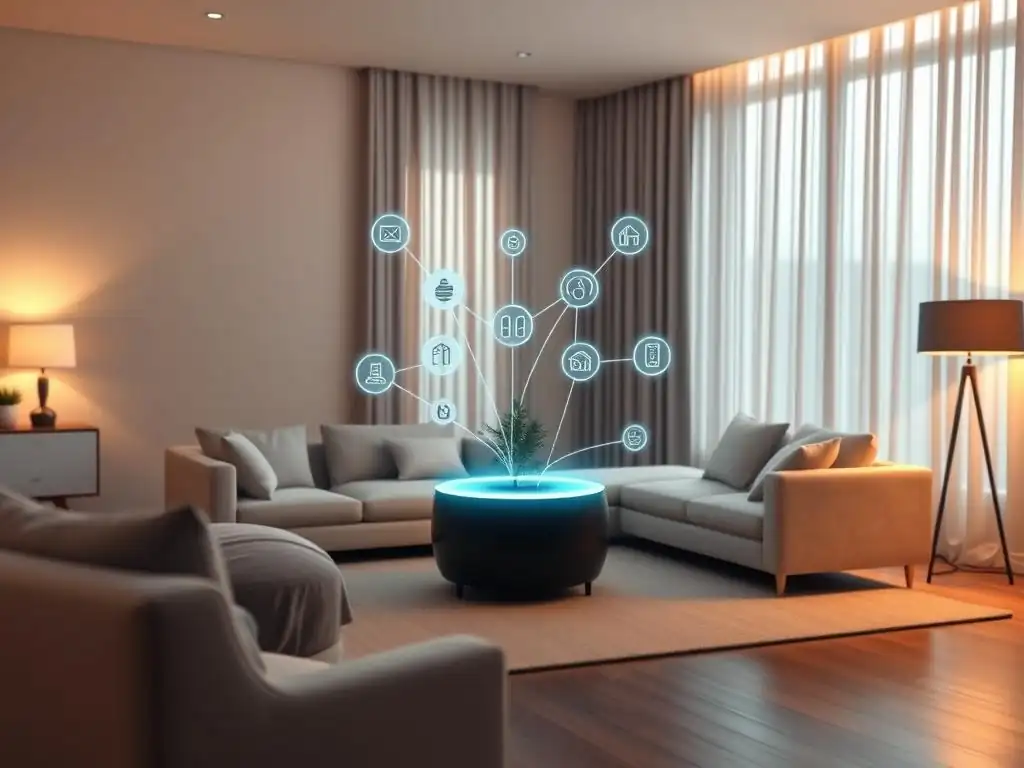
Tired of juggling endless to-do lists and feeling overwhelmed by your daily routine? At UltimateLifeHacks, we believe in reclaiming your time and energy. Discover how to effortlessly streamline your life with practical, game-changing tips and tricks. This week, we delve into the world of Smart home automation time savers, exploring ingenious ways to connect your devices and unlock unprecedented levels of efficiency. Ready to experience a more productive and fulfilling life? Let's dive in!
- Unleashing the Power of Smart Home Automation Time Savers
- Smart Home Automation Time Savers: Practical Applications
- Advanced Smart Home Automation Time Savers: Beyond the Basics
- Maximizing Your Smart Home Investment: Tips and Tricks
- Frequently Asked Questions
- Final Reflection: Unlocking Time: The Future of Smart Home Automation
- Unlock Your Smart Home's Full Potential!
Unleashing the Power of Smart Home Automation Time Savers
Smart home automation isn't just a futuristic fantasy; it's a practical reality offering significant time savings and increased efficiency in your daily life. This guide delves into the world of smart home automation, focusing specifically on how strategically connecting your devices via a central hub can dramatically improve your daily routine and free up valuable time. We'll explore the best ways to harness the power of smart home automation, transforming your home into a well-oiled, time-saving machine. From choosing the right hub to troubleshooting common setup issues, we'll equip you with the knowledge and practical steps to optimize your home's automation and reclaim precious moments in your day.
This article will help you understand how "smart home automation time savers" can revolutionize your home and lifestyle. Let's dive in! 🚀
Choosing the Right Smart Home Hub for Your Needs
Selecting the appropriate smart home hub is the cornerstone of a successful automated home. The right hub will seamlessly integrate your existing devices and offer the features you need, without unnecessary complexity or cost. Consider these crucial factors before making your purchase:
Compatibility with Your Existing Devices
Before purchasing any hub, meticulously check its compatibility list. Ensure the hub supports the smart devices you already own (lights, thermostats, security systems, etc.). Incompatibility can lead to frustration and wasted resources. A comprehensive compatibility check is crucial to avoid purchasing a hub that won't work with your existing technology. Consider creating a list of your current devices and comparing them to the compatibility lists of various hubs. This will prevent costly mistakes and ensure a smooth transition to a fully automated home.
Features and Functionality Comparison: Hubs vs. Individual Device Control
Many smart devices function independently, but a central hub offers unparalleled convenience and control. Compare the features offered by different hubs. Consider aspects like voice control integration (Alexa, Google Assistant), app-based control, scheduling capabilities, and automation routines (e.g., turning off lights at sunset). Think about whether you want a hub with advanced features like scene creation or geofencing. Weigh the benefits of centralized control against the simplicity of individually controlled devices. A thorough comparison will highlight the advantages of using a central hub for managing your smart home ecosystem.
Budget-Friendly Options for Smart Home Automation Beginners
Smart home automation doesn't have to break the bank. Several affordable hubs provide excellent functionality without the premium price tag. Research and compare budget-friendly options to find one that fits your needs and budget. Look for hubs with positive user reviews and strong compatibility with popular smart devices. Remember, a basic hub can still offer significant time-saving benefits, even without all the advanced features. Don't let the high cost of some hubs deter you from enjoying the benefits of smart home automation.
Setting Up Your Smart Home Hub: A Step-by-Step Guide
Setting up your smart home hub might seem daunting, but with a clear, step-by-step approach, it's surprisingly straightforward. This guide will walk you through the process, helping you connect your devices and begin enjoying the benefits of automation.
Connecting Your Wi-Fi Network
The first step involves connecting your hub to your home's Wi-Fi network. Most hubs use a simple app-based setup process. Follow the instructions provided by the manufacturer carefully. Ensure your Wi-Fi network is strong and stable to avoid connectivity issues. A weak Wi-Fi signal can significantly impact the performance of your smart home devices. Consider using a Wi-Fi extender if necessary to improve signal strength in areas of your home that may be experiencing weak coverage.
Adding Your First Smart Device
Once your hub is connected to Wi-Fi, you can begin adding your smart devices. Again, follow the manufacturer's instructions carefully. The process usually involves pairing the device with the hub through its app. Start with one or two devices to test the setup process before adding more. This allows you to troubleshoot any issues early on. Adding devices one by one will prevent potential conflicts and allow for a more streamlined setup process.
Troubleshooting Common Setup Issues
During setup, you might encounter some common issues. These can include Wi-Fi connectivity problems, device pairing difficulties, or app glitches. Consult the hub's user manual or online support resources for troubleshooting tips. Many manufacturers offer online forums and FAQs to assist users with common setup problems. Don't hesitate to seek help if you are experiencing difficulties. Remember, patience and persistence are key to successfully setting up your smart home hub.
Smart Home Automation Time Savers: Practical Applications
This section explores how smart home automation can significantly reduce time spent on mundane tasks and boost overall efficiency, acting as a genuine time saver in your daily routine. We'll delve into specific applications, showcasing the tangible benefits of integrating smart devices and automation systems. By leveraging these strategies, you can reclaim valuable time and streamline your home management. These smart home automation time savers will transform your home into a truly efficient and responsive environment.
Automating Lighting for Enhanced Convenience and Security
Smart lighting systems offer a powerful way to save time and improve home security. Instead of manually switching lights on and off, automation takes over, creating a more convenient and secure living space. This translates to less time spent fussing with switches and more time enjoying your home. The convenience and security features are significant contributors to improved quality of life.
Scheduling Lights Based on Time of Day
Scheduling lights is a cornerstone of smart home automation time savers. Imagine waking up to a gradually brightening living room, mimicking a natural sunrise, or having lights automatically switch on as the sun sets, eliminating the need to fumble for a switch in the dark. This simple automation saves time each day, adding up to significant time savings over the long term.
You can program specific schedules for each room, or even individual lights, depending on your needs and preferences. For example, you could schedule the kitchen lights to come on 15 minutes before your usual breakfast time, or your bedroom lights to dim and turn off an hour after you go to bed.
Geofencing for Automated Lighting Control
Geofencing takes automated lighting to the next level. Using your smartphone's location, your home's lighting system can automatically adjust based on your presence. As you approach your home, lights can activate, welcoming you with a bright and secure environment. Conversely, when you leave, lights can automatically turn off, conserving energy and enhancing security. This level of automation provides a seamless and intuitive experience, eliminating the need for manual control and maximizing energy efficiency. The time saved is subtle but consistent, adding up to considerable benefits over time.
Integrating Smart Lighting with Security Systems
Integrating your smart lighting with a security system adds another layer of protection and convenience. When your security system detects motion or an intrusion, lights can automatically flash or turn on, deterring potential intruders and alerting you to a potential threat. This proactive approach to security saves valuable time by providing immediate notification and potentially preventing a break-in. Moreover, you can schedule lights to randomly turn on and off while you're away, creating the illusion that someone is home – a powerful deterrent against burglaries.
Optimizing Your Home's Energy Consumption with Smart Automation
Smart home automation provides significant opportunities to reduce energy waste and save money. By automating various aspects of your home's energy consumption, you can optimize efficiency and lower your utility bills. This not only saves you money but also contributes to a more sustainable lifestyle. Smart home automation time savers in this area are particularly effective.
Smart Thermostat Integration for Energy Savings
Smart thermostats learn your preferences and adjust the temperature accordingly, optimizing energy use without compromising comfort. They can automatically lower the temperature when you're away and raise it before you arrive, ensuring your home is always at the perfect temperature when you need it. This intelligent approach to temperature control leads to significant energy savings, reducing your carbon footprint and saving you money on your energy bills. The time saved is indirect – you don’t need to manually adjust the thermostat.
Automated Appliance Control for Reduced Energy Waste
Automating appliance control allows you to switch off devices remotely or schedule their operation to optimize energy use. Imagine turning off your coffee maker from your phone before leaving for work, or scheduling your washing machine to run during off-peak hours when electricity rates are lower. These simple actions, enabled by smart home automation, add up to considerable energy savings and reduce your environmental impact. The time saved is minimal in each instance, but cumulatively it's substantial.
Monitoring Energy Usage in Real-Time
Real-time energy monitoring provides valuable insights into your home's energy consumption patterns. By tracking your energy usage, you can identify areas for improvement and make informed decisions to reduce waste. This data-driven approach to energy management helps you optimize your home's efficiency and save money. While it doesn’t directly save time, the insights gained allow for better long-term planning and prevent wasted energy in the future. This proactive approach is a key element of smart home automation time savers.
Enhancing Home Security with Automated Systems
Smart home automation offers significant improvements to home security, going beyond basic alarm systems. By connecting various security devices and automating their responses, you create a layered defense that significantly reduces vulnerabilities and enhances peace of mind. This interconnectedness allows for proactive security measures, rather than simply reactive ones.
The integration of different systems allows for a holistic approach, creating a more robust and effective security network. For example, the automated locking of doors at a specific time, coupled with motion-sensor activated lighting, can deter potential intruders. This proactive approach is a significant advantage over traditional security systems.
Furthermore, the ability to remotely monitor and control these systems adds another layer of security, allowing for immediate responses to potential threats, regardless of your physical location. This is particularly beneficial for those who frequently travel or spend time away from home. The convenience and increased security offered by smart home automation systems represent a significant upgrade in home protection.
Remote Access and Monitoring Capabilities
Remote access is a cornerstone of effective smart home security automation. Imagine being able to check on your home's security status from anywhere in the world – verifying that doors are locked, windows are closed, and everything is operating as it should. This capability offers immense peace of mind, especially when you are away from home.
Many smart home hubs provide mobile applications that allow users to remotely view live feeds from security cameras, check the status of smart locks, and receive real-time alerts. This constant vigilance, even when you're not physically present, is a powerful deterrent to potential intruders. The ability to remotely disarm or arm your security system is also a significant advantage, offering flexibility and convenience that traditional systems lack.
This feature is especially useful in situations where unexpected delays occur, eliminating the need to rush home to disarm the system. The convenience and security provided by remote access are significant contributors to the overall effectiveness of a smart home security setup.
Integrating Smart Locks and Security Cameras
The synergy between smart locks and security cameras is a prime example of smart home automation's power. Smart locks allow for keyless entry, eliminating the risk of lost or stolen keys. They can be controlled remotely, granting access to trusted individuals even when you're not home. This functionality is extremely useful for family members, house sitters, or service technicians.
When integrated with a smart home hub, these locks can be programmed to automatically lock at a certain time, providing an extra layer of security. Coupled with security cameras, the system becomes even more robust. Cameras provide visual monitoring, recording any suspicious activity.
This visual record can be crucial in the event of a break-in, providing law enforcement with valuable evidence. The combined functionality of smart locks and security cameras, orchestrated through a central hub, creates a comprehensive and highly effective security system. Smart home automation elevates security from a reactive measure to a proactive strategy.
Automated Alerts and Notifications for Enhanced Security
Real-time alerts and notifications are essential for a proactive security system. Smart home automation excels in this area, providing immediate updates on any potential security threats. For instance, a motion sensor triggered in the backyard will instantly send a notification to your smartphone, alerting you to potential intruders. Similarly, if a door or window is opened unexpectedly, you'll receive an immediate alert.
These notifications can be customized based on your preferences, allowing you to prioritize certain areas or events. The speed and precision of these alerts are crucial, enabling you to respond quickly to any potential threat. Automated alerts can be configured to send notifications to multiple devices, ensuring that you receive the information regardless of which device you are using.
This system significantly reduces response time, providing a crucial advantage in deterring or mitigating potential security breaches. The speed and customizability of automated alerts make them a critical component of a comprehensive smart home security strategy. This proactive approach significantly enhances security and peace of mind.
Advanced Smart Home Automation Time Savers: Beyond the Basics

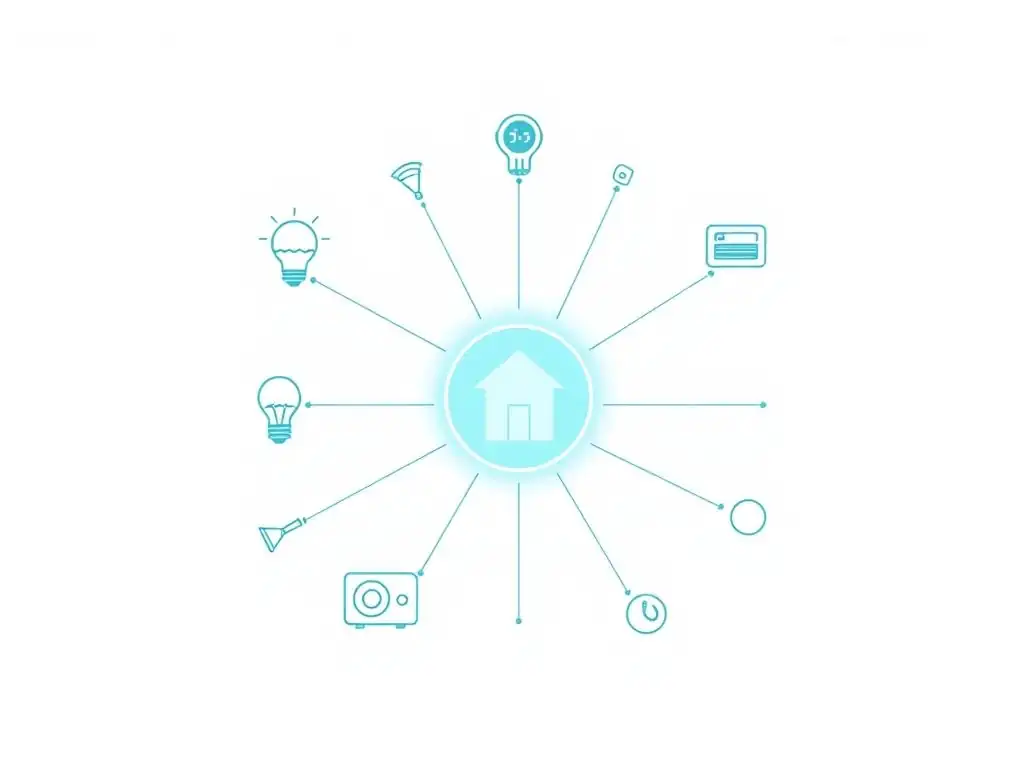
This section delves into sophisticated smart home automation strategies that go beyond simple device connections, maximizing your time savings and enhancing convenience. We'll explore how to create personalized routines, integrate with other systems, and leverage advanced features for a truly optimized smart home experience. These advanced techniques will elevate your "smart home automation time savers" to a whole new level.
Creating Personalized Automation Routines
Optimizing your smart home isn't just about connecting devices; it's about crafting personalized routines that anticipate your needs. This allows you to automate tasks based on your specific schedule and preferences, leading to significant time savings throughout your day. Think of it as creating a digital butler tailored to your lifestyle.
Using IFTTT or Similar Automation Platforms
IFTTT (If This Then That), along with similar platforms like Zapier and Stringify, provide a powerful framework for building complex automations. These platforms act as bridges, connecting disparate smart home devices and services that might not otherwise integrate directly. For example, you could configure a routine where "If" your phone leaves a designated geofence area ("This"), "Then" your smart lights turn off and your thermostat adjusts to energy-saving mode.
This simple automation saves energy and provides peace of mind. The possibilities are virtually limitless, allowing for intricate automation scenarios tailored to your unique needs. Experimentation is key to discovering the most beneficial automations for your specific lifestyle and devices.
Customizing Scenes for Specific Activities
Instead of controlling individual devices, create "scenes" that bundle multiple actions into a single command. For instance, a "Good Morning" scene could simultaneously turn on the lights, start your coffee maker, and adjust the thermostat to your preferred temperature. Similarly, a "Leaving Home" scene could lock the doors, turn off the lights, and set the security system. These pre-programmed scenes dramatically reduce the number of individual commands needed, streamlining your daily routines and saving you valuable time. Consider creating scenes for various activities like "Movie Night," "Relaxing Evening," or "Guest Arrival" to optimize your home environment for specific purposes.
Voice Control Integration with Smart Assistants
Integrating voice control with smart assistants like Alexa or Google Assistant adds another layer of convenience. Instead of manually initiating scenes or individual commands, you can simply use voice commands, hands-free and effortlessly controlling your smart home. Imagine saying "Alexa, goodnight," and triggering a routine that turns off the lights, sets the alarm, and locks the doors. This simple voice command replaces numerous individual actions, maximizing your time savings and enhancing ease of use. Voice control significantly reduces the cognitive load associated with managing your smart home, making it more intuitive and user-friendly.
Integrating Smart Home Automation with Other Systems
The true power of smart home automation lies in its ability to seamlessly integrate with other systems you already use, creating a holistic and interconnected ecosystem. This interconnectedness elevates your smart home from a collection of individual devices to a cohesive and responsive environment.
Connecting to Your Calendar and Location Services
By linking your smart home to your calendar and location services, you can automate tasks based on your schedule and whereabouts. For example, "If" an event is scheduled on your calendar, "Then" your smart lights could adjust to a specific setting, and your smart thermostat could pre-heat or cool your home accordingly. Similarly, your smart home could automatically activate a "Welcome Home" scene when your location services indicate you're approaching your house. This predictive automation anticipates your needs, enhancing convenience and optimizing your time.
Automating Tasks Based on Weather Conditions
Integrating weather data allows you to automate tasks based on external conditions. For example, "If" it's raining, "Then" your smart blinds could automatically close, preventing water damage. Or, "If" the temperature drops below a certain threshold, "Then" your smart thermostat could automatically adjust to maintain a comfortable indoor temperature. This proactive automation anticipates external factors, enhancing comfort and preventing potential problems. This kind of preventative automation can save you time and money in the long run.
Integrating with Smart Speakers and Voice Assistants
Smart speakers and voice assistants are the central hub for many smart home systems. Their integration isn't just about convenience; it's about creating a unified control center that consolidates all your smart home functions. This unified approach avoids the need to manage multiple apps and interfaces, streamlining your control and saving you considerable time. The ability to manage all aspects of your smart home through a single interface simplifies the entire process. Think of this as the central nervous system of your automated home.
Maximizing Your Smart Home Investment: Tips and Tricks
This section focuses on extracting the maximum value from your smart home automation investment. We'll explore practical strategies to enhance performance, extend the lifespan of your devices, and prepare for future growth. Remember, a smart home is only as good as its maintenance and planning. Properly managing your investment ensures a smooth, efficient, and time-saving experience, aligning perfectly with the core principles of smart home automation time savers.
Regular Maintenance and Updates for Optimal Performance
Regular maintenance is crucial for optimal performance and longevity of your smart home devices. Think of it as preventative care for your digital ecosystem. Neglecting updates and maintenance can lead to security vulnerabilities, system malfunctions, and ultimately, wasted time trying to troubleshoot problems. This directly contradicts the goal of using smart home automation for time savings.
Here's a simple maintenance checklist to integrate into your routine:
- Software Updates: Regularly check for and install firmware updates for all your smart home devices. These updates often include bug fixes, performance enhancements, and crucial security patches. Failing to update can leave your system vulnerable to hacking and malfunctions. Think of it like updating your phone's operating system—essential for security and functionality.
- Network Optimization: A strong and stable Wi-Fi network is the backbone of your smart home. Regularly monitor your network's performance, checking for signal strength and interference. Consider using a mesh Wi-Fi system for optimal coverage throughout your home, eliminating dead zones where devices might struggle to connect. This is a key element in achieving seamless smart home automation time savers.
- Device Cleaning: Dust and debris can accumulate on smart home devices, especially those with physical buttons or vents. Regularly clean your devices using a soft, dry cloth to prevent overheating and maintain optimal performance. This simple action can extend the life of your devices and prevent unexpected downtime.
- Routine Checks: Perform regular checks on your automated routines. Ensure that everything is functioning as expected and adjust schedules as needed to reflect changes in your lifestyle. A well-maintained routine is a cornerstone of maximizing the time-saving benefits of smart home automation time savers.
For example, consider a scenario where your smart lighting system is malfunctioning due to outdated firmware. The resulting inconvenience and time spent troubleshooting directly negate the time-saving benefits of automation. Proactive maintenance prevents such scenarios.
Future-Proofing Your Smart Home Setup for Seamless Expansion
Investing in a smart home is a long-term commitment. To maximize your return and ensure effortless expansion, future-proofing is paramount. This involves making strategic choices today to accommodate future technological advancements and lifestyle changes.
Consider these key aspects for future-proofing your smart home:
- Choosing Compatible Devices: Opt for devices that adhere to established open standards like Zigbee or Z-Wave. This ensures interoperability between devices from different manufacturers, allowing for greater flexibility and avoiding vendor lock-in. This avoids the frustration of incompatible devices hindering your expansion plans.
- Scalable Hubs and Systems: Select a smart home hub with a proven track record of supporting a large number of devices and offering regular software updates. This ensures your system can handle future expansions without performance bottlenecks.
- Modular Design: Prioritize modularity in your smart home setup. This allows you to easily add, remove, or replace devices as needed, adapting to your evolving needs and preferences. Think of it as building with Lego bricks—flexible and adaptable.
- Cloud-Based Solutions: Consider cloud-based platforms for managing your smart home. This provides centralized control and access from anywhere, even if you upgrade or replace hardware. This offers the added benefit of remote monitoring and management, further enhancing the time-saving aspects of smart home automation time savers.
For instance, choosing a hub that only supports a limited number of devices might restrict your expansion capabilities in the future. Investing in a scalable system ensures you can seamlessly add new devices without facing limitations. This contributes significantly to the long-term value and time-saving potential of your smart home investment.
Frequently Asked Questions
What is a smart home hub, and why should I care?
A smart home hub acts as a central control system for all your connected devices. It allows you to automate tasks, saving you time and improving efficiency. Think of it as a brain for your home.
How can smart home automation save me time?
Automation lets you schedule tasks like turning lights on/off, adjusting thermostats, and locking doors automatically. This eliminates manual actions, freeing up your valuable time. You can even automate routines based on your schedule or location.
What are some examples of time-saving smart home automations?
Imagine waking up to automatically brewed coffee and lights gently turning on. Leaving for work triggers the thermostat adjustment and locks the doors. Returning home activates lighting and entertainment systems. These are just a few examples!
Is setting up a smart home hub complicated?
Most smart home hubs are designed for user-friendly setup. Many offer intuitive apps and step-by-step guides. While the initial configuration might take some time, the long-term benefits outweigh the initial effort.
What devices are compatible with smart home hubs?
Most major brands of smart lighting, thermostats, locks, appliances, and security systems are compatible with popular smart home hubs. Check the hub's specifications to ensure compatibility before purchasing any new devices. Research is key to a successful smart home setup.
Final Reflection: Unlocking Time: The Future of Smart Home Automation
The relentless pace of modern life demands efficiency, and smart home automation offers a powerful solution. Integrating smart devices isn't just about convenience; it's about reclaiming precious time and energy, allowing us to focus on what truly matters. This ability to automate mundane tasks, from adjusting lighting to controlling thermostats, represents a significant shift in how we interact with our homes and manage our schedules.
The impact of smart home automation extends beyond individual convenience; it's reshaping our relationship with technology and our environment. We're moving towards a future where homes are not just spaces we inhabit, but responsive ecosystems that adapt to our needs. This shift underscores the importance of mindful integration—choosing devices and systems that align with our values and priorities. The future isn't something we enter. The future is something we create.
This quote resonates deeply as we consider the potential of smart home technology to shape a more efficient and fulfilling future for all.
Consider the time you currently spend on repetitive household tasks. Now, imagine that time repurposed for hobbies, family, or simply relaxation. You have the power to design a home that works for you, not the other way around. Explore the possibilities of smart home automation, experiment with different integrations, and discover the transformative potential of technology to enhance your daily life. Embrace the future, one automated task at a time.
Unlock Your Smart Home's Full Potential!
Thank you for exploring the world of smart home automation! We hope you've discovered some helpful tips to simplify your life. Now it's time to put your knowledge into practice.
- Start with one area: Focus on automating either your lighting, temperature control, or security system this week. Even small improvements can make a big difference!
- Create automated routines: Experiment with scheduling automated tasks, such as waking up or leaving for work. You'll be surprised how much time and energy you can save.
- Share your experience: Let us know in the comments which automation you're most excited to try, or any challenges you've faced. We love hearing your stories!
What smart home automation are you most eager to implement, and why?