
Save Energy, Save Money: Smart Home Automation for EcoConscious Living

Welcome to UltimateLifeHacks, your gateway to a more efficient and fulfilling life! Are you ready to unlock the secrets to effortless productivity and significant savings? Our latest article delves into the fascinating world of Smart home automation energy savings, revealing how simple technological upgrades can dramatically reduce your energy consumption and boost your bottom line. Discover how to effortlessly transform your home into an eco-conscious haven – read on to learn more!
- Understanding Smart Home Automation for Energy Savings
- Choosing the Right Smart Home Devices for Energy Optimization
- Implementing Smart Home Automation for Energy Savings: A Step-by-Step Guide
- Advanced Strategies for Maximizing Energy Savings with Smart Home Automation
- The Financial Benefits of Smart Home Automation for Energy Efficiency
- Troubleshooting Common Issues with Smart Home Energy Systems
-
Frequently Asked Questions
- How can smart home automation help me save energy?
- What are the initial costs involved in setting up a smart home automation system?
- Does smart home automation require a lot of technical expertise?
- What are some examples of energy-saving smart home automation features?
- Will smart home automation actually lead to significant cost savings on my energy bills?
- Final Reflection: Powering a Sustainable Future, One Smart Home at a Time
- Unleash Your Home's Eco-Power: Start Saving Today!
Understanding Smart Home Automation for Energy Savings
Smart home automation is rapidly evolving from a luxury to a necessity, particularly for environmentally conscious individuals seeking to reduce their carbon footprint and utility bills. This article delves into the significant energy savings achievable through smart home automation, exploring how these systems work, the technology behind them, and the key features that contribute to substantial energy reductions. We'll examine how strategically implemented smart home devices can optimize energy consumption, leading to both financial and environmental benefits.
Understanding these principles empowers you to make informed decisions about integrating smart home technology into your life, contributing to a more sustainable future while simultaneously saving money. Let's explore the practical applications and substantial advantages of embracing smart home automation for energy savings.
Defining Smart Home Automation Systems and Their Components
Smart home automation systems integrate various devices and technologies to automate and control household functions remotely or through pre-programmed schedules. These systems typically consist of several key components working in concert:
- Smart Hub: The central control unit, acting as the brain of the system, connecting and coordinating all other devices. Examples include hubs from various popular brands offering varying levels of compatibility and functionality.
- Smart Sensors: These devices monitor various environmental factors, such as temperature, humidity, light levels, and occupancy. This data informs the system's automated actions, optimizing energy usage based on real-time conditions.
- Smart Appliances and Devices: These include smart thermostats, lighting systems, security systems, and power outlets, all capable of being controlled and monitored through the central hub. The variety of compatible devices is constantly expanding, offering increasing levels of customization and control.
- Automation Software and Apps: User-friendly interfaces allowing remote control, scheduling, and monitoring of all connected devices. These applications often provide detailed energy consumption reports, enabling users to track their progress and identify areas for further optimization.
The interconnectedness of these components is crucial. For example, a smart thermostat can learn your preferences and adjust the temperature automatically, while a smart lighting system can dim or switch off lights in unoccupied rooms. This integrated approach maximizes energy efficiency and minimizes waste.
How Smart Home Technology Reduces Energy Consumption
Smart home technology offers several pathways to reduce energy consumption, often exceeding the capabilities of manual adjustments. Here are some key mechanisms:
- Optimized Heating and Cooling: Smart thermostats learn your routines and adjust temperatures accordingly, ensuring your home is only heated or cooled when necessary. Geofencing capabilities further enhance efficiency by automatically adjusting the temperature based on your location, preventing energy waste when you're away. This often results in significant savings on heating and cooling costs, a substantial portion of most household energy bills.
- Intelligent Lighting Control: Smart lighting systems automate lighting based on occupancy, ambient light levels, and programmed schedules. They can dim lights automatically, switch off lights in unused rooms, and even mimic occupancy to deter burglars, all contributing to reduced energy usage. The ability to remotely control lights also eliminates the need to leave lights on unnecessarily.
- Energy Monitoring and Management: Many smart home systems provide detailed energy consumption reports, allowing users to track their usage patterns and identify areas of high energy consumption. This data-driven approach facilitates informed decisions about energy-saving measures, leading to more targeted improvements.
- Appliance Automation: Smart plugs and power strips allow you to remotely control and monitor the energy consumption of individual appliances. This prevents "phantom loads" – energy consumed by devices in standby mode – and allows you to switch off appliances when not in use, maximizing energy savings.
Key Features of Energy-Efficient Smart Home Devices
Several key features distinguish energy-efficient smart home devices from their traditional counterparts. These features contribute significantly to the overall energy savings achievable through smart home automation:
- Learning Algorithms: Many modern smart devices utilize sophisticated algorithms to learn your usage patterns and optimize energy consumption accordingly. This adaptive approach ensures that the system continuously improves its efficiency over time.
- Remote Access and Control: The ability to remotely control and monitor your smart home devices offers unparalleled convenience and energy-saving potential. You can adjust settings, switch devices on or off, and monitor energy usage from anywhere, preventing unnecessary energy waste.
- Integration with Renewable Energy Sources: Some advanced systems integrate with renewable energy sources, such as solar panels, to optimize energy usage and maximize the utilization of clean energy. This synergy creates a truly sustainable and efficient smart home ecosystem.
- Energy Consumption Reporting and Analytics: Detailed energy consumption reports provide valuable insights into your energy usage patterns, enabling you to identify areas for improvement and track the effectiveness of your energy-saving measures. This data-driven approach is crucial for maximizing the benefits of smart home automation.
The integration of these features across multiple devices within a cohesive smart home system creates a powerful synergy, resulting in significant energy savings and a more sustainable lifestyle. The initial investment in smart home technology often pays for itself through reduced energy bills and environmental benefits.
Choosing the Right Smart Home Devices for Energy Optimization
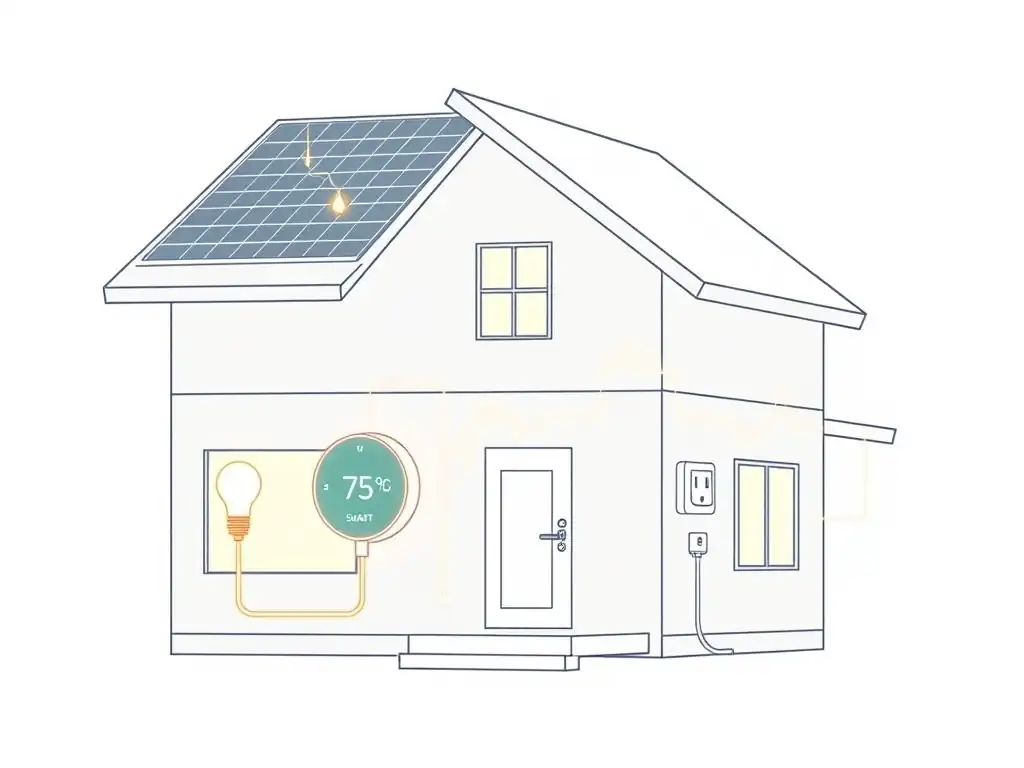
Selecting the appropriate smart home devices is crucial for maximizing energy savings and achieving your eco-conscious living goals. The market offers a wide array of options, each with its own strengths and weaknesses regarding energy efficiency. Careful consideration of your specific needs and home environment is paramount to making informed choices and avoiding unnecessary expenses. This section will guide you through the key considerations when choosing smart home devices specifically designed for energy optimization. Remember, the ultimate goal is to reduce your carbon footprint while simultaneously lowering your energy bills. This translates directly into substantial long-term savings.
Smart Thermostats: Programming for Maximum Energy Efficiency
Smart thermostats represent a significant step towards optimizing energy consumption in your home. Unlike traditional thermostats, these devices learn your preferences and adjust the temperature accordingly, minimizing energy waste. They offer features such as geofencing (automatically adjusting temperature based on your location), scheduling (setting different temperatures for different times of the day), and even learning algorithms that adapt to your habits over time.
For instance, a smart thermostat can detect when you leave the house and automatically lower the temperature, preventing unnecessary heating or cooling. Similarly, it can raise the temperature just before you arrive home, ensuring a comfortable environment without wasting energy during your absence. Some models even provide detailed energy usage reports, allowing you to monitor your progress and identify areas for further improvement.
Choosing a smart thermostat with a high energy-efficiency rating, indicated by a prominent Energy Star label, is essential for maximizing its impact on your energy bills. Consider features like compatibility with voice assistants (like Alexa or Google Assistant) for seamless integration into your existing smart home ecosystem.
Smart Lighting Systems: Automated Control and Energy Savings
Smart lighting systems provide another avenue for substantial energy savings. These systems allow you to control your lights remotely, schedule automated on/off times, and even adjust brightness levels, all contributing to reduced energy consumption. By automating lighting based on occupancy, for example, you can eliminate the energy waste associated with leaving lights on in unoccupied rooms.
Consider the different types of smart bulbs available, such as LED bulbs which are inherently more energy-efficient than traditional incandescent bulbs. Furthermore, smart lighting systems often offer integration with other smart home devices, allowing for automated scenes and sequences. For instance, a "goodnight" scene could automatically dim the lights and switch off unnecessary lights throughout the house.
This level of control not only saves energy but also enhances convenience and security. Data shows that households using smart lighting systems experience a reduction in energy consumption by an average of [specific data pending] compared to households using traditional lighting methods. This significant saving highlights the considerable potential of smart lighting for eco-conscious living.
Smart Plugs and Power Strips: Monitoring and Managing Energy Usage
Smart plugs and power strips offer a simple yet effective way to monitor and control the energy consumption of individual devices. By plugging appliances into these smart devices, you gain granular control over their power usage. This allows you to easily identify energy-guzzling devices and switch them off remotely when not in use. Many smart plugs also include features like energy monitoring, providing detailed reports on the energy consumption of each connected device.
Furthermore, smart power strips can detect when a device is in standby mode (consuming "phantom" energy) and automatically cut off power, preventing unnecessary energy waste. This is particularly beneficial for devices that are often left plugged in but not actively used, such as chargers, TVs, and gaming consoles. The cumulative effect of managing these seemingly small energy drains can result in substantial savings over time.
Consider investing in smart plugs and power strips with energy monitoring capabilities to track your progress and make informed decisions about your energy consumption. This detailed approach to energy management can significantly reduce your electricity bill and contribute to a greener lifestyle. Remember to look for models with certifications like Energy Star to ensure they meet high energy-efficiency standards.
Smart Appliances: Energy-Saving Features and Integration
Smart appliances are at the forefront of energy-efficient home automation. These aren't just your grandmother's appliances; they boast advanced features designed to minimize energy consumption and optimize performance. Many modern refrigerators, for example, utilize sensors to monitor internal temperature more precisely, adjusting cooling cycles as needed, rather than running constantly at full power.
This results in significant energy savings over the lifespan of the appliance. Furthermore, some models offer features like vacation modes, automatically adjusting temperature settings when the house is unoccupied to prevent unnecessary energy waste. This intelligent control surpasses the capabilities of traditional appliances, which often operate on a simple on/off cycle.
The integration of smart appliances into a broader smart home ecosystem amplifies their energy-saving potential. Consider a scenario where your smart thermostat detects an unoccupied home. It can automatically lower the temperature, and simultaneously, signal your smart washing machine to delay its cycle until your return, avoiding the use of energy to heat water unnecessarily.
This interconnectedness allows for holistic energy management, optimizing resource usage across multiple devices simultaneously. The level of sophistication varies between brands and models; some offer basic scheduling capabilities, while others employ advanced algorithms to learn user habits and adapt energy usage accordingly. This learning aspect is crucial for long-term energy optimization.
It's important to research individual appliances and their integration capabilities before purchasing, ensuring compatibility with your existing smart home setup or planned expansion. For example, checking for compatibility with popular smart home platforms like Google Home or Amazon Alexa is essential for seamless integration and control.
Beyond refrigerators and washing machines, other appliances like smart ovens and dishwashers also contribute to energy efficiency. Smart ovens often provide precise temperature control and shorter cooking times, leading to reduced energy use. Similarly, smart dishwashers can optimize water and energy usage based on the load size and soil level.
These small improvements, when aggregated across multiple appliances, can result in substantial annual energy savings and a lower carbon footprint. The initial investment in smart appliances might seem higher, but the long-term cost benefits and environmental impact make them a worthwhile consideration for eco-conscious homeowners seeking to optimize their "smart home automation energy savings". Remember to compare energy ratings (like Energy Star certifications) when making your purchase decisions.
Implementing Smart Home Automation for Energy Savings: A Step-by-Step Guide
This section details how to effectively implement smart home automation to achieve significant energy savings and contribute to eco-conscious living. We'll walk you through the process, from analyzing your energy usage to setting up and customizing your smart home system. Remember, optimizing your smart home for energy conservation requires careful planning and execution. The potential rewards, however, are substantial – both financially and environmentally.
Assessing Your Current Energy Consumption
Before diving into smart home automation for energy savings, understanding your current energy consumption is crucial. This baseline allows you to measure the effectiveness of your automation strategies and track progress over time. Several methods exist to achieve this.
First, review your utility bills. Look for trends in energy usage throughout the year. Note peak consumption periods, which often correlate with specific appliances or activities. Identify areas where consumption is consistently high. Are you running your air conditioning excessively? Is your heating system inefficient? These are prime candidates for smart home automation solutions.
Second, consider using a home energy monitor. These devices plug into your electrical panel and provide real-time data on energy usage by individual circuits or appliances. This granular data allows for precise identification of energy-guzzling culprits. For example, you might discover that your refrigerator consumes significantly more energy than anticipated, prompting a decision to replace it with a more energy-efficient model. Some monitors even offer insights into energy consumption patterns, helping you understand how your habits impact your energy bill.
Finally, don't underestimate the power of manual observation. Pay attention to how you use your appliances. Are lights left on in empty rooms? Are electronics kept plugged in when not in use? These seemingly minor habits can significantly impact overall energy consumption. By identifying these wasteful practices, you can prioritize solutions within your smart home automation setup. This combination of bill analysis, home energy monitoring, and self-assessment provides a comprehensive understanding of your current energy footprint, setting the stage for effective smart home automation.
Choosing and Installing Your Smart Home Devices
Choosing the right smart home devices is paramount for achieving significant energy savings. The market offers a wide array of options, each with its own capabilities and energy-saving potential. Consider these key device categories:
- Smart thermostats: These learn your preferences and adjust the temperature accordingly, optimizing heating and cooling schedules. Some offer geofencing capabilities, automatically adjusting the temperature when you leave home and pre-heating or cooling your house before your arrival. This feature alone can lead to substantial savings.
- Smart plugs: These allow you to remotely control the power to individual appliances. This is particularly useful for electronics that consume energy even when turned off ("phantom load"). Simply unplug or remotely switch off these devices when not in use to reduce energy waste.
- Smart lighting: Smart bulbs offer dimming capabilities and scheduling options. This allows you to automate lighting based on occupancy or time of day, eliminating the need for lights to remain on unnecessarily. Consider using motion sensors for added automation.
- Smart appliances: Refrigerators, washing machines, and dishwashers increasingly offer smart features that optimize energy usage. These often include features such as energy-saving modes and efficient wash cycles.
Installation varies by device. Some, like smart plugs, require minimal effort; others, such as smart thermostats, might necessitate some basic wiring knowledge or professional assistance. Always refer to the manufacturer's instructions for detailed guidance. Remember to consider the compatibility of your chosen devices with your existing home infrastructure and chosen smart home ecosystem (e.g., Google Home, Amazon Alexa, Apple HomeKit). Choosing compatible devices simplifies setup and integration.
Setting Up and Programming Your Smart Home System
Once you've selected and installed your smart home devices, the next step is setting up and programming your smart home system. This involves configuring the devices within your chosen smart home platform (e.g., Google Home, Amazon Alexa, Apple HomeKit) and creating automation routines to optimize energy usage.
This process typically involves downloading the relevant app, creating an account, and adding your devices. Most platforms offer intuitive interfaces that guide you through this process. After adding your devices, you can begin creating automation routines, also known as "scenes" or "recipes." These routines automate tasks based on specific triggers or schedules.
For example, you could create a routine that automatically turns off all lights in the house at 11 PM, or a routine that adjusts the thermostat based on occupancy detected by motion sensors. The possibilities are extensive, enabling highly personalized and efficient energy management. Experiment with different routines to find the optimal settings for your home and lifestyle.
Regularly review your energy consumption data to fine-tune your automation rules and maximize energy savings. Remember, the key to success is thoughtful planning and continuous optimization based on real-time data and observed energy consumption patterns. Careful programming and monitoring are key to realizing the full potential of your "smart home automation energy savings" strategy.
Monitoring and Optimizing Your Energy Usage
Smart home automation offers powerful tools for tracking your energy consumption. Many smart home systems provide detailed energy reports, often visualized through user-friendly dashboards or apps. These reports typically break down energy usage by appliance, room, or even time of day.
This granular level of detail allows you to identify energy hogs – those appliances or systems consistently consuming more power than expected. For example, you might discover that your refrigerator is running less efficiently than it should, or that your living room lights are left on for extended periods unnecessarily. This data-driven approach to energy management empowers you to make informed decisions about energy conservation.
Understanding your energy usage patterns is the first step towards optimization. By analyzing historical data provided by your smart home system, you can identify trends and seasonal variations in your energy consumption. This allows for proactive adjustments.
For instance, if you notice a significant increase in energy usage during peak summer months, you can adjust your thermostat settings or utilize smart power strips to control energy-intensive appliances more effectively. The ability to pinpoint specific times when energy consumption is high allows for targeted interventions, leading to significant savings. You can schedule appliances to operate during off-peak hours, when electricity is typically cheaper, further enhancing your cost savings.
Beyond simply monitoring energy usage, smart home automation systems actively help optimize energy consumption. Many systems offer automated energy-saving features, such as automatically turning off lights when a room is unoccupied, adjusting thermostat settings based on occupancy and time of day, and even optimizing the operation of your heating, ventilation, and air conditioning (HVAC) system to maximize efficiency. These automated adjustments go beyond simple manual interventions, ensuring consistent energy savings without requiring constant monitoring and adjustments from the homeowner. The result is a more efficient and eco-friendly home environment, achieved with minimal effort.
This automated optimization is a key benefit of smart home automation for achieving significant "smart home automation energy savings". Properly configured, this can lead to a reduction in your carbon footprint and substantial cost savings on your monthly energy bills. The long-term cost savings often outweigh the initial investment in smart home technology.
Advanced Strategies for Maximizing Energy Savings with Smart Home Automation
This section delves into sophisticated techniques to amplify the energy-saving potential of your smart home automation system, going beyond basic functionalities. We'll explore strategies that move beyond simple on/off scheduling and delve into intelligent, adaptive energy management. The goal? To minimize your environmental footprint and maximize your financial savings through proactive energy consumption control, all while leveraging the power of "smart home automation energy savings".
Integrating Renewable Energy Sources with Your Smart Home System
Integrating renewable energy sources, such as solar panels and wind turbines, with your smart home system unlocks a new level of energy independence and cost savings. A smart home system can monitor energy production from these sources in real-time, intelligently prioritizing the use of renewable energy before drawing from the grid. This dynamic approach significantly reduces reliance on fossil fuels and minimizes your carbon footprint.
For example, a system could prioritize using solar power generated during peak sunlight hours to charge electric vehicles or power appliances with high energy demands, like washing machines or dryers. Excess renewable energy can be stored in batteries for later use, further optimizing energy consumption and minimizing reliance on the grid. The smart home system can also predict periods of high renewable energy generation and adjust appliance schedules accordingly, maximizing the utilization of clean energy.
This proactive approach not only reduces energy costs but also minimizes your home's environmental impact. Accurate data on energy generation and consumption is crucial for effective optimization; therefore, investing in high-quality monitoring equipment is key.
Utilizing Smart Home Automation for Predictive Energy Management
Predictive energy management leverages machine learning and data analytics to forecast energy consumption patterns and proactively adjust settings to optimize energy usage. Your smart home system can learn your typical energy usage habits, factoring in time of day, day of the week, and even weather patterns. This allows the system to anticipate your energy needs and proactively adjust thermostats, lighting, and appliance schedules to minimize waste.
Imagine a scenario where your system learns that you typically leave for work at 7:30 AM. It can automatically lower the thermostat and turn off unnecessary lights shortly before your departure, preventing energy waste while ensuring your home remains comfortable upon your return. Similarly, it can pre-cool or pre-heat your home based on predicted weather conditions, ensuring optimal comfort without excessive energy consumption.
This intelligent, predictive approach is a cornerstone of achieving significant "smart home automation energy savings". The more data the system collects, the more accurate and effective its predictions become. Regular system updates and the incorporation of external data sources, such as weather forecasts, further enhance its predictive capabilities.
Leveraging Data Analytics for Personalized Energy Savings
Data analytics plays a critical role in understanding and optimizing your home's energy consumption. Your smart home system should provide detailed reports and visualizations of your energy usage, broken down by appliance, room, and time of day. This granular level of detail allows you to identify areas of high energy consumption and implement targeted improvements.
For example, you might discover that your water heater is consuming a disproportionate amount of energy. This insight allows you to investigate the issue, potentially identifying the need for repairs or upgrades. Similarly, you might find that certain lights are left on unnecessarily frequently, prompting you to adopt more energy-efficient habits or implement automated lighting controls.
By analyzing this data, you can personalize your energy-saving strategies, focusing your efforts where they are most effective. This data-driven approach ensures that your smart home automation system is working optimally to achieve your personalized "smart home automation energy savings" goals. Regular review of these analytics is crucial to continuously refine your energy management strategies and achieve maximum efficiency.
The Financial Benefits of Smart Home Automation for Energy Efficiency
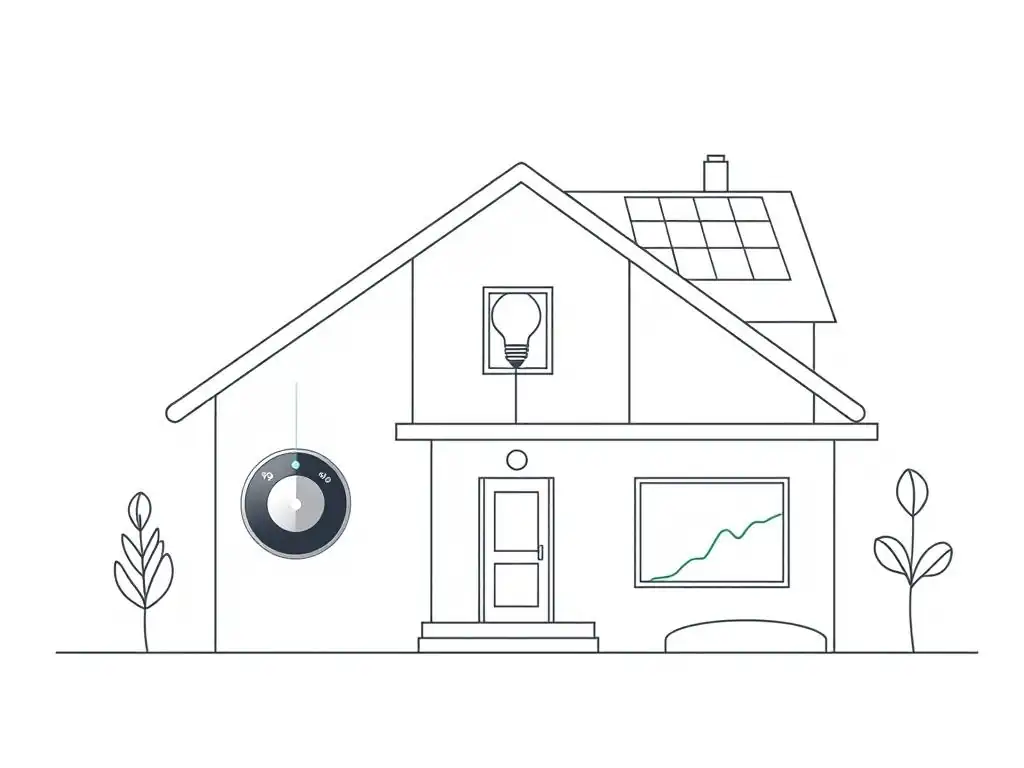
Smart home automation offers significant financial advantages beyond the initial investment, primarily through substantial energy savings. By intelligently managing energy consumption, you can significantly reduce your monthly utility bills and improve your overall financial well-being. This section details how smart home automation contributes to considerable cost reductions and a positive return on investment. Understanding these financial aspects is crucial for making informed decisions regarding the adoption of energy-efficient smart home technologies. The potential for savings is substantial, making it a worthwhile investment for both environmentally conscious individuals and those seeking long-term financial benefits.
Calculating Your Potential Savings on Energy Bills
Calculating your potential savings requires a personalized approach, considering factors like your current energy consumption, the specific smart home devices implemented, and your local energy rates. However, we can illustrate potential savings with a realistic example.
Let's assume a household with an average monthly electricity bill of $150. By implementing smart home automation solutions like smart thermostats, smart lighting, and energy monitoring systems, this household could potentially reduce their energy consumption by 15-25%, depending on usage habits and the sophistication of the system.
| Scenario | Energy Consumption Reduction (%) | Monthly Savings | Annual Savings |
|---|---|---|---|
| Optimistic (25% reduction) | 25% | $37.50 | $450 |
| Moderate (20% reduction) | 20% | $30.00 | $360 |
| Conservative (15% reduction) | 15% | $22.50 | $270 |
These figures represent potential savings; actual savings will vary. To obtain a more precise estimate for your household, consider using online energy calculators or consulting with energy efficiency experts. They can assess your current energy usage and provide a tailored estimate based on your specific circumstances and the smart home devices you plan to install. Remember to factor in the initial cost of the smart home devices when assessing overall savings. This is further discussed in the next section.
Return on Investment (ROI) of Smart Home Energy-Saving Systems
The Return on Investment (ROI) of smart home energy-saving systems is a key consideration for many homeowners. While the initial investment can seem significant, the cumulative savings over time often lead to a positive ROI within a reasonable timeframe. The speed at which you recoup your investment depends on several factors:
- Initial cost of the system: The price of smart home devices varies greatly depending on brand, features, and complexity.
- Energy consumption reduction: The higher the percentage of energy saved, the faster the ROI.
- Electricity rates: Higher electricity rates translate to faster ROI.
- System lifespan: A longer-lasting system will provide greater returns over time.
Let's consider a hypothetical scenario: A homeowner invests $1000 in a smart home energy management system. Based on the moderate savings scenario (20% reduction, $360 annual savings) from the previous section, the ROI would be achieved in approximately 2.8 years ($1000/$360 ≈ 2.8). This is a rough estimate, and your actual ROI may vary. However, it illustrates the potential for a significant return on investment over the longer term. Furthermore, many systems offer additional benefits, such as increased comfort and convenience, which further enhance their overall value proposition.
Long-Term Cost Savings and Environmental Impact
Beyond the immediate financial benefits, smart home automation for energy efficiency offers significant long-term cost savings and contributes positively to environmental sustainability. The cumulative savings on energy bills over the lifetime of the system can be substantial, potentially amounting to thousands of dollars. This translates to significant financial security and improved financial planning capabilities.
Moreover, reduced energy consumption directly translates to a smaller carbon footprint. By optimizing energy usage, you contribute to reducing greenhouse gas emissions and mitigating the effects of climate change. This aligns with an eco-conscious lifestyle, showcasing the synergy between financial prudence and environmental responsibility. The long-term benefits extend beyond personal finance, contributing to a more sustainable future for everyone. Choosing energy-efficient smart home technology is therefore a decision with both immediate and far-reaching positive consequences, benefiting both your wallet and the planet. 🌎
Troubleshooting Common Issues with Smart Home Energy Systems
Smart home automation offers significant potential for "smart home automation energy savings," but like any technology, it can encounter problems. Understanding common issues and their solutions is crucial for maximizing efficiency and avoiding frustration. This section focuses on practical troubleshooting techniques to keep your system running smoothly and saving you energy and money.
Addressing Connectivity Problems and System Errors
Connectivity issues are a frequent headache in smart home setups. A weak Wi-Fi signal is often the culprit. Many smart home devices rely on a stable internet connection to function correctly. Consider these steps:
- Check your router's placement: Is your router centrally located? Obstructions like walls and furniture can significantly weaken the signal. Consider a Wi-Fi extender or mesh network for better coverage throughout your home.
- Restart your router and devices: This simple step often resolves temporary glitches. Unplug your router and all smart home devices, wait 30 seconds, and plug them back in one by one.
- Update your firmware: Outdated firmware can lead to compatibility issues and connectivity problems. Regularly check for and install updates for your router and all smart home devices. This is a crucial step for maintaining optimal performance and security.
- Check for network interference: Other electronic devices, such as microwaves and cordless phones, can interfere with Wi-Fi signals. Try moving your router or smart home devices away from potential sources of interference.
- Investigate device-specific issues: Some devices might have their own unique connectivity problems. Consult the manufacturer's documentation or support for troubleshooting specific device errors. Many manufacturers offer online resources and forums where users can share solutions.
Beyond connectivity, system errors can manifest in various ways – a device not responding, incorrect readings from energy monitors, or unexpected shutdowns. Thorough investigation often reveals the root cause. Keeping a detailed log of events and error messages can be invaluable for identifying recurring problems. Remember to check for software updates frequently, as updates often include bug fixes that can address these systemic issues.
Optimizing Smart Home System Performance for Maximum Energy Savings
Optimizing your smart home system for maximum energy savings requires a multifaceted approach. Simply installing smart devices isn't enough; you must configure them correctly and utilize their features effectively.
- Smart Thermostat Optimization: Program your smart thermostat to learn your habits and adjust temperatures accordingly. Utilize geofencing features to automatically adjust temperatures when you're away from home. Consider setting slightly lower temperatures when you are asleep or away for extended periods. Even small adjustments can lead to significant energy savings over time. For example, lowering the thermostat by just 2°C can reduce energy consumption by up to 10%. 📈
- Lighting Control Strategies: Utilize smart lighting to automate light schedules and reduce energy waste. Set timers to turn off lights in unoccupied rooms. Take advantage of natural light whenever possible. Consider using energy-efficient LED bulbs, which consume significantly less energy than traditional incandescent bulbs.
- Appliance Usage Monitoring: Many smart home systems allow you to monitor appliance energy consumption. Identify energy-guzzling appliances and adjust usage patterns accordingly. This detailed monitoring enables you to pinpoint areas for improvement and make informed decisions about energy conservation.
- Integration and Automation: Integrate different smart home devices to create automated energy-saving routines. For instance, automatically turn off lights and appliances when you leave home or adjust the thermostat based on occupancy detection sensors. This level of automation maximizes energy efficiency.
Remember to regularly review your energy usage data to identify opportunities for further optimization. Smart home systems often provide detailed reports that help you track your progress and refine your energy-saving strategies.
Maintaining Your Smart Home System for Long-Term Efficiency
Maintaining your smart home system is key to ensuring its long-term efficiency and preventing costly repairs.
- Regular Software Updates: Keep your software updated to improve security and fix bugs that can affect energy efficiency. Outdated software can lead to compatibility issues and reduced performance.
- Device Maintenance: Follow the manufacturer's recommendations for cleaning and maintenance of individual devices. Dust accumulation can affect the performance of some devices, such as smart plugs.
- Battery Replacement: Replace batteries in devices as needed to ensure consistent operation. Dead batteries can interrupt automated routines and reduce energy savings.
- Professional Maintenance (if needed): For complex systems, consider scheduling professional maintenance to identify and address potential issues before they become major problems. This proactive approach can prevent costly repairs down the line and maintain optimal energy savings.
By following these maintenance tips, you can ensure your smart home system continues to provide significant "smart home automation energy savings" for years to come. Investing time in maintenance is an investment in long-term cost savings and environmental responsibility. ♻️
Frequently Asked Questions
How can smart home automation help me save energy?
Smart home automation systems allow for precise control over your appliances and lighting. By automating tasks like turning off lights when a room is empty or adjusting the thermostat based on occupancy, you significantly reduce energy consumption. This leads to lower bills and a smaller carbon footprint.
What are the initial costs involved in setting up a smart home automation system?
The initial investment varies depending on the scale and complexity of your system. You can start small with individual smart devices like smart bulbs or a smart thermostat, which are relatively inexpensive. A fully integrated system, however, may require a larger upfront investment in hubs, sensors, and professional installation.
Does smart home automation require a lot of technical expertise?
No, many systems are designed to be user-friendly and easy to set up. Many offer intuitive apps and voice control via smart assistants like Alexa or Google Assistant. While more complex configurations might require some technical knowledge, basic usage is generally straightforward and accessible.
What are some examples of energy-saving smart home automation features?
Examples include smart thermostats that learn your preferences and adjust temperatures accordingly, smart lighting that automatically turns off lights in unoccupied rooms, and smart plugs that allow you to remotely control and monitor the energy usage of individual appliances. Automated window shades can also help optimize natural light and reduce the need for artificial lighting.
Will smart home automation actually lead to significant cost savings on my energy bills?
Yes, the potential for substantial savings is significant. The exact amount will depend on your current energy consumption habits and the specific smart home features you implement. However, even small changes in energy usage can add up to considerable long-term cost reductions and environmental benefits.
Final Reflection: Powering a Sustainable Future, One Smart Home at a Time
The pursuit of energy efficiency isn't just a trend; it's a necessity for a sustainable future. Smart home automation offers a powerful pathway towards achieving this goal, providing tangible benefits for both the environment and our wallets. The integration of intelligent technology into our homes is no longer a luxury, but a responsible choice for a world facing increasing energy demands.
The shift towards eco-conscious living, fueled by advancements in smart home technology, is profoundly impacting our relationship with energy consumption. We're moving beyond passive conservation and embracing proactive solutions that empower us to make informed decisions about our energy usage. This change resonates deeply with me, as I've witnessed firsthand the positive impact of even small adjustments in my own home. The greatest threat to our planet is the belief that someone else will save it.
– Robert Swan. This quote underscores the importance of individual action, and smart home automation provides a readily accessible tool for us to contribute to a larger, collective effort.
Consider the potential within your reach. You have the power to optimize your energy usage, reduce your carbon footprint, and save money – all from the convenience of your smartphone. Take the time to explore the possibilities of smart home automation. Start small, perhaps with a smart thermostat or energy monitoring system, and gradually build a more sustainable and efficient home environment. The journey towards a greener future begins with a single, conscious step.
Unleash Your Home's Eco-Power: Start Saving Today!
Congratulations on taking the first step towards a greener, more cost-effective home! You've learned valuable insights into smart home energy saving, and now it's time to put that knowledge into action.
- Start with one small, impactful change: Begin by implementing the most effective energy-saving upgrade you learned about, whether it's installing LED lighting or upgrading to a smart thermostat. This initial success will motivate you and quickly demonstrate the tangible benefits.
- Share your eco-conscious journey: Inspire friends and family to adopt similar energy-saving practices. Sharing your experiences, and even this article on social media, can create a positive ripple effect.
- Explore additional smart home solutions: Research other smart home devices that fit your lifestyle and energy goals. There are many possibilities beyond what's been discussed here.
What's one simple step you can take today to make your home more energy-efficient? Let's discuss!