
Home Automation and Smart Cleaning: Keep Your Home Spotless

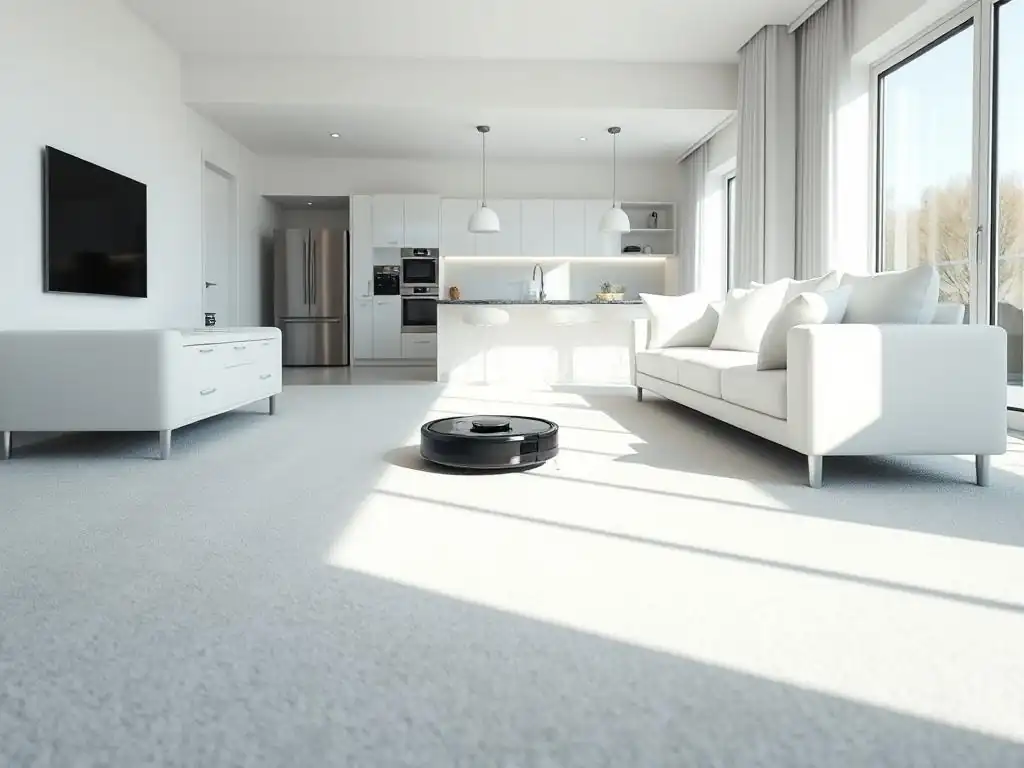
Ready to reclaim your precious time and transform your daily routine? At UltimateLifeHacks, we're dedicated to sharing practical tips and tricks that simplify life. This week, we dive into the world of smart home cleaning hacks, exploring how automation can revolutionize your cleaning schedule and leave you with more time for what truly matters. Discover innovative strategies and surprisingly simple solutions – your spotless, effortlessly maintained home awaits!
- Smart Home Cleaning Hacks: Streamlining Your Cleaning Routine
- Leveraging Smart Home Technology for Deep Cleaning
- Best Smart Home Cleaning Gadgets and Tools
- Smart Home Cleaning Hacks: Cost-Effectiveness and Energy Efficiency
- Maintaining and Troubleshooting Your Smart Cleaning System
- Future Trends in Smart Home Cleaning Technology
- Frequently Asked Questions
- Final Reflection: The Evolving Landscape of Effortless Cleanliness
- Unleash Your Inner Cleaning Guru!
Smart Home Cleaning Hacks: Streamlining Your Cleaning Routine
Maintaining a spotless home shouldn't consume your entire weekend. In today's fast-paced world, efficiency is key, and incorporating smart home technology into your cleaning routine can dramatically reduce the time and effort required to keep your living space pristine. This article explores practical smart home cleaning hacks, focusing on how automation and smart devices can transform your cleaning experience, allowing you to reclaim valuable time and energy.
We'll delve into automating daily tasks, scheduling cleaning with smart assistants, and optimizing your cleaning strategy for maximum effectiveness. Ultimately, we aim to equip you with the knowledge and strategies to effortlessly maintain a sparkling clean home, freeing you to focus on what truly matters. This guide will focus on practical applications of “smart home cleaning hacks,” offering actionable advice to improve your daily routine and boost your productivity.
Automating Daily Cleaning Tasks with Smart Devices
Automating daily cleaning tasks is the cornerstone of a truly efficient smart home cleaning system. Several devices can significantly lighten your load. Imagine a world where your floors are swept and mopped automatically, your trash is emptied with minimal effort, and your air is consistently purified. This isn't science fiction; it's the reality offered by modern smart home technology.
Many robotic vacuums and mops offer advanced features like scheduling, self-emptying dustbins, and zone cleaning. These devices can be programmed to clean specific areas at predetermined times, ensuring your floors remain consistently clean with minimal intervention. For example, you could schedule your robot vacuum to clean the kitchen floor every evening after dinner, preventing crumbs and spills from accumulating.
Beyond floor cleaning, smart air purifiers automatically filter and clean the air in your home, removing allergens and pollutants. Some models even connect to smart home ecosystems, allowing for voice control and automated scheduling. This is particularly beneficial for allergy sufferers or those living in areas with poor air quality. Furthermore, smart trash cans can automatically compact and seal trash bags, minimizing odors and reducing the frequency of trash disposal.
Scheduling Cleaning with Smart Home Assistants: Google Assistant, Amazon Alexa
Integrating smart home assistants like Google Assistant and Amazon Alexa elevates your cleaning routine to a new level of convenience. These virtual assistants provide voice control over various smart home devices, allowing you to initiate cleaning cycles, monitor progress, and even receive cleaning reminders. This hands-free control significantly enhances the user experience, making it easier than ever to maintain a clean home.
Imagine saying, "Hey Google, start the robot vacuum," or "Alexa, empty the smart trash can." These simple voice commands can initiate cleaning tasks instantly, eliminating the need to manually operate each device. Furthermore, you can schedule cleaning routines through your smart home app or via voice commands, ensuring that your cleaning tasks are completed consistently and automatically. For instance, you could schedule your smart mop to clean the bathroom floor every Tuesday morning before you leave for work.
Using these assistants also facilitates proactive cleaning. You can set reminders to clean specific areas or perform certain tasks, preventing dirt and grime from accumulating and making larger cleaning jobs easier. This proactive approach is crucial for maintaining a consistently clean and organized home without overwhelming yourself with large, infrequent cleaning sessions. The ability to schedule and monitor cleaning tasks through these assistants significantly reduces the mental load associated with household chores, contributing to a more relaxed and efficient lifestyle. The integration of these assistants is a key element in the success of any smart home cleaning strategy.
Integrating Smart Cleaning Robots into Your Home
Integrating smart cleaning robots into your home offers a significant upgrade to your cleaning routine, transforming a tedious chore into a seamless, automated process. These robots, ranging from simple vacuum cleaners to sophisticated mopping and window-cleaning units, represent a significant step towards a truly smart home. The convenience they offer is undeniable, freeing up your time for more enjoyable activities and reducing the physical strain of manual cleaning.
However, the selection and implementation of these robots require careful consideration to maximize their effectiveness and ensure they integrate smoothly into your existing home environment. The initial investment might seem significant, but the long-term benefits in time saved and increased efficiency often outweigh the cost. Moreover, the evolving technology consistently offers improved features and capabilities, making these robots an increasingly attractive investment for homeowners seeking a more efficient and convenient lifestyle.
Robotic Vacuum Cleaners: Features and Benefits
Robotic vacuum cleaners have become ubiquitous in many homes, offering an effortless way to maintain clean floors. These devices utilize various technologies to navigate your home, such as sensors to detect obstacles and avoid stairs, and sophisticated mapping systems to create a comprehensive cleaning plan. Many models offer features like scheduling, allowing you to set automated cleaning times to suit your daily routine.
Some even connect to smart home ecosystems, providing voice control and remote monitoring capabilities through dedicated apps. The benefits extend beyond convenience. Robotic vacuums can remove dust, dirt, and pet hair far more frequently than manual cleaning, leading to a healthier home environment, particularly for allergy sufferers.
Features like powerful suction, multiple cleaning modes, and self-emptying dustbins further enhance their efficiency and minimize user intervention. Choosing the right model depends on factors such as floor type, home size, and budget, but the overall impact on maintaining a clean home is undeniable.
Smart Mop Robots: Enhancing Floor Cleaning Efficiency
While robotic vacuum cleaners excel at removing loose dirt and debris, smart mop robots take floor cleaning a step further by tackling sticky spills, grime, and stubborn stains. These robots utilize advanced mopping technologies, such as oscillating pads, rotating brushes, and even self-cleaning systems, to ensure thorough cleaning. Many models offer adjustable water flow control, allowing you to customize the cleaning intensity based on the floor type and level of soiling.
Similar to robotic vacuums, smart mop robots often integrate with smart home ecosystems, offering features like scheduling, app control, and voice commands. The combination of mopping and vacuuming capabilities in some models provides a comprehensive floor cleaning solution, minimizing the need for separate cleaning processes.
For homeowners with hard floors, such as tile or hardwood, a smart mop robot can significantly improve cleaning efficiency and maintain a consistently spotless surface. The convenience and enhanced cleaning power offer a significant advantage over traditional mopping methods.
Window Cleaning Robots: Reaching Inaccessible Areas
Cleaning windows, especially those in high or hard-to-reach places, can be a dangerous and time-consuming task. Smart window cleaning robots offer a safe and effective solution to this problem. These robots use suction technology to adhere to the window surface, and their internal cleaning mechanisms, often involving rotating pads and spray systems, effectively remove dirt and grime.
Many models include safety features such as a safety rope or a power backup system to prevent falls. While the initial investment might be higher compared to other smart cleaning robots, the safety and convenience factors, particularly for those with multi-story homes or large windows, make them a worthwhile investment.
The ability to clean windows without the risk of falls or the need for ladders significantly enhances home safety and reduces the time and effort required for this often-overlooked cleaning task. The resulting sparkling clean windows significantly improve the overall appearance and ambiance of the home.
Leveraging Smart Home Technology for Deep Cleaning
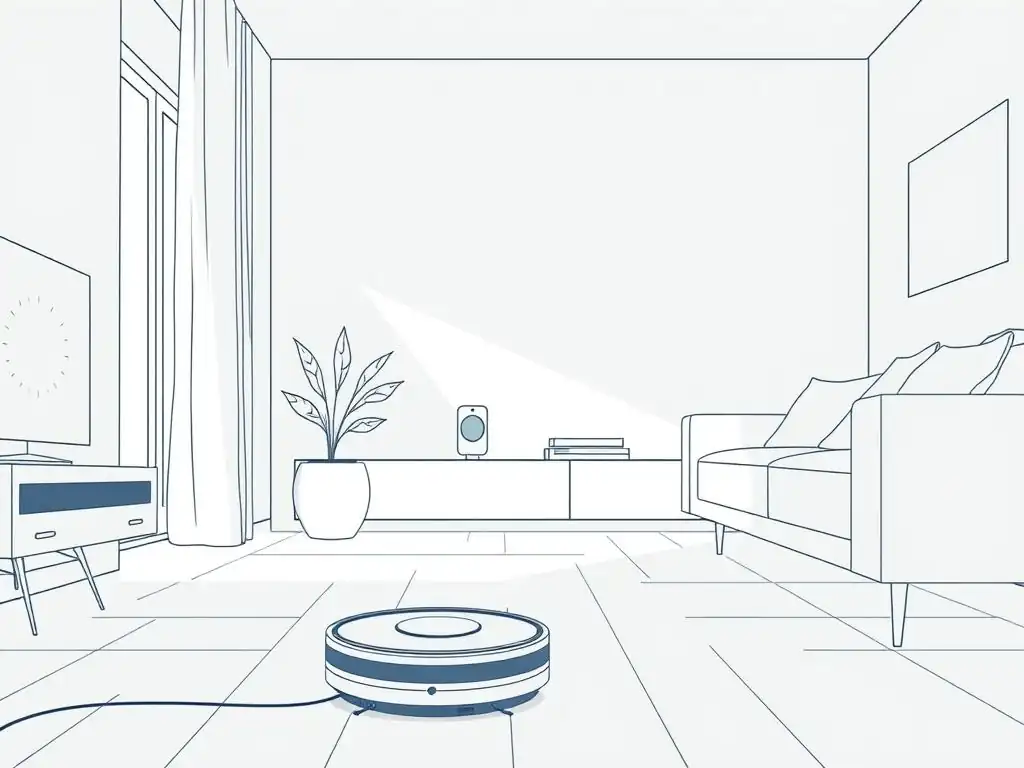
This section explores how smart home technology transcends simple convenience, becoming a powerful ally in achieving a deeply clean home, significantly improving your cleaning routine and saving you valuable time. We'll examine specific applications of smart devices to enhance your cleaning efforts, moving beyond basic automation to truly smart cleaning solutions. The key here is proactive cleaning, minimizing the need for extensive, time-consuming deep cleans.
Strategic implementation of smart technology allows for consistent, low-effort maintenance, leading to a consistently cleaner home with minimal manual intervention. This translates to more free time for activities you actually enjoy – a crucial aspect of a truly productive and fulfilling life. We'll cover specific examples and practical applications to show you how to implement these smart home cleaning hacks in your own home.
Smart Sensors for Proactive Cleaning
Smart sensors are the unsung heroes of proactive cleaning. By providing real-time data on environmental conditions, they allow for preemptive cleaning, preventing minor issues from escalating into major cleaning headaches. Imagine a smart water leak sensor placed near your washing machine. A leak, however small, triggers an immediate alert, preventing water damage and the subsequent, far more extensive cleanup.
Similarly, smart air quality monitors can detect dust, pollen, or pet dander build-up, prompting you to run your air purifier or schedule a more thorough cleaning before allergens become overwhelming. This approach shifts the focus from reactive cleaning (cleaning after a mess) to proactive cleaning (preventing messes in the first place). This is a core principle of effective smart home cleaning hacks. The cost savings alone from preventing water damage or costly repairs far outweigh the initial investment in these sensors.
Furthermore, smart dust sensors can be strategically placed in high-traffic areas to monitor dust levels. This data can inform your cleaning schedule, ensuring you only clean when necessary, optimizing your time and energy. Consider a smart sensor placed in your kitchen, providing data on humidity levels.
High humidity can encourage mold growth – a smart sensor can alert you to this risk, allowing for preventative measures like running a dehumidifier or improving ventilation. By integrating these sensors into a centralized smart home system, you can receive consolidated alerts, providing a holistic overview of your home's cleanliness and potential issues. This level of monitoring is key to efficient and effective smart home cleaning hacks.
Smart Plugs for Controlled Cleaning Product Usage
Smart plugs offer a surprising level of control over your cleaning routine, beyond simply scheduling appliances. They enable precise control over the usage of cleaning products, optimizing their effectiveness and minimizing waste. For instance, a smart plug can be used to control a robotic vacuum cleaner, ensuring it only runs when you're not at home or during specific time slots. This targeted approach reduces unnecessary energy consumption and extends the life of the vacuum's battery. Moreover, it can prevent accidental usage when not needed.
Beyond robotic vacuums, smart plugs can manage other cleaning appliances. Consider a smart plug controlling your air purifier. You can schedule it to run for specific durations based on air quality sensor data, optimizing energy usage and maximizing air purification. This level of control also extends to other cleaning products.
Imagine using a smart plug to control a diffuser of cleaning solution for your air purifier – this allows for precise dispensing of cleaning agents, preventing overuse and saving you money on cleaning supplies. This precise control, enabled by smart home technology, is a hallmark of effective smart home cleaning hacks. The combination of smart plugs and sensors allows for a truly optimized cleaning experience. This automated approach minimizes waste and maximizes efficiency, contributing to a sustainable and productive cleaning routine.
Automated Laundry Systems: Saving Time and Effort
Automated laundry systems represent a significant leap forward in simplifying household chores. Smart washers and dryers offer features like automatic detergent dispensing, load sensing, and even wrinkle-reducing cycles. This removes the guesswork from laundry, ensuring optimal cleaning results with minimal effort. Furthermore, smart laundry systems often integrate with smart home ecosystems, allowing for remote control and scheduling. This means you can start a load of laundry remotely, ensuring it's finished by the time you get home.
Beyond the appliances themselves, smart systems can be further enhanced with sensors. A moisture sensor inside the laundry room can alert you to potential humidity problems, preventing mold growth. By combining these features, you can create a highly efficient and automated laundry system that significantly reduces time and effort spent on this often-tedious chore. This is another effective example of smart home cleaning hacks, saving you valuable time and allowing you to focus on other aspects of your life.
The integration of smart appliances and sensors contributes to a more efficient and streamlined process, maximizing convenience and productivity. The time saved can be substantial, especially for busy individuals or families. This level of automation is a testament to the power of smart home technology in optimizing daily routines.
Best Smart Home Cleaning Gadgets and Tools
This section dives into the best smart home cleaning gadgets and tools available to help you achieve a spotless home with minimal effort. We'll explore top-rated options, focusing on features and functionalities that truly enhance the smart home cleaning experience. Remember, the best gadget for you depends on your specific needs and home layout, so consider your floor types and cleaning preferences carefully before making a purchase. Choosing the right smart cleaning tools can significantly improve efficiency and save you valuable time.
Top-Rated Robotic Vacuum Cleaners for Different Floor Types
Robotic vacuum cleaners are a cornerstone of any effective smart home cleaning strategy. Their ability to autonomously navigate and clean floors is a game-changer for busy individuals. However, not all robotic vacuums are created equal. The best choice depends heavily on your flooring.
Here's a breakdown of top-rated models categorized by floor type:
| Robotic Vacuum Cleaner | Best for | Key Features | Price Range (USD) |
|---|---|---|---|
| Model A | Hard floors (tile, hardwood) | Powerful suction, efficient navigation, slim design | $300 - $500 |
| Model B | Carpets & rugs | High suction power, multiple cleaning modes, long battery life | $400 - $700 |
| Model C | Mixed surfaces (all floors) | Adaptable cleaning heads, smart mapping, app control | $500 - $800 |
Choosing the right robotic vacuum significantly impacts the effectiveness of your smart home cleaning. Model A, for instance, excels on hard floors due to its slim profile and efficient navigation, while Model B is ideal for homes with extensive carpeting thanks to its powerful suction. Model C offers a versatile solution for those with mixed floor types.
Remember to check reviews and compare features before committing to a purchase. Consider factors like battery life, noise level, and app functionality to find the perfect fit for your smart home cleaning needs. Investing in a quality robotic vacuum cleaner is a significant step towards achieving a consistently clean home.
Effective Smart Mops for Various Cleaning Needs
While robotic vacuums handle dry cleaning, smart mops tackle wet cleaning, leaving your floors sparkling. These aren't just your average mops; they offer features like app control, adjustable water flow, and even self-cleaning capabilities. Choosing the right smart mop depends on the size of your home and the types of floors you have.
Smart mops have evolved significantly, offering a variety of features to enhance the cleaning process. Some models offer different cleaning modes to tackle various levels of dirt and grime, while others boast self-cleaning features that minimize manual effort. App connectivity allows for scheduling and customization, ensuring your floors are cleaned according to your preferences. Consider factors like battery life, mop pad material, and water tank capacity when selecting a smart mop for your smart home cleaning system.
Several factors influence the choice of a smart mop. For example, a larger home may benefit from a mop with a longer battery life and a larger water tank. Homes with delicate floors might need a mop with adjustable water flow and gentler cleaning pads. Consider these aspects carefully to ensure your smart mop complements your smart home cleaning strategy effectively. The integration of smart mops with robotic vacuums creates a comprehensive and efficient smart home cleaning solution.
Smart Home Cleaning Accessories for Enhanced Cleaning
Beyond the main cleaning robots, a range of smart accessories can elevate your cleaning game. These enhance the effectiveness of your primary cleaning devices and address specific cleaning needs.
- Smart Air Purifiers: Improve indoor air quality, crucial for allergy sufferers and maintaining a healthy home environment. Many models offer app control and smart features like air quality monitoring and automatic adjustments.
- Smart Trash Cans: Automatically seal and compact trash, reducing odor and maximizing space. Some models even alert you when they're full, preventing overflowing wastebaskets.
- Smart Window Cleaners: These robotic window cleaners tackle the often-overlooked chore of window cleaning, leaving your windows streak-free. They are particularly useful for high and hard-to-reach windows.
- Smart Laundry Systems: While not directly cleaning, smart laundry systems automate the washing and drying process, freeing up your time for other tasks. Some models offer features like automatic detergent dispensing and wrinkle prevention.
These accessories, while not essential, significantly enhance the overall smart home cleaning experience. They address specific needs, improving the efficiency and effectiveness of your cleaning routine. Integrating these accessories into your smart home ecosystem creates a truly comprehensive and efficient cleaning solution. Consider your individual needs and budget when choosing which accessories to add to your smart home cleaning arsenal. The combination of these accessories with robotic vacuums and smart mops results in a seamless and efficient smart home cleaning experience, maximizing your time and minimizing your effort.
Smart Home Cleaning Hacks: Cost-Effectiveness and Energy Efficiency
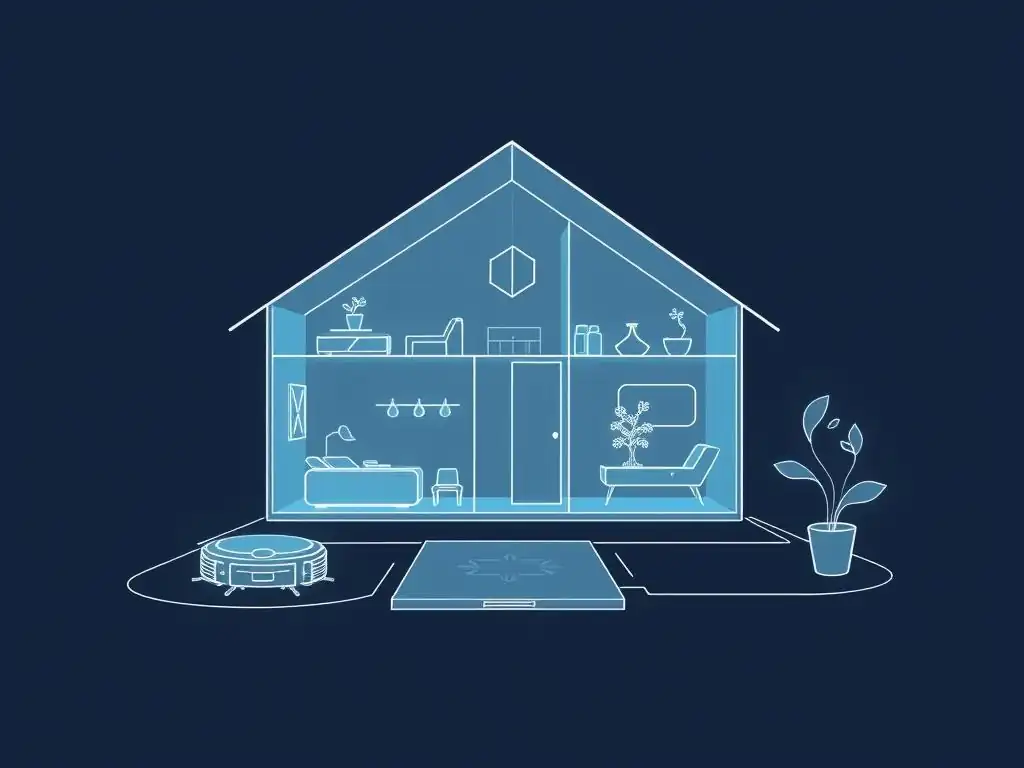
This section delves into the financial and environmental benefits of integrating smart home technology into your cleaning routine. We'll explore how smart systems can significantly reduce cleaning product consumption, optimize energy usage, and ultimately lead to substantial long-term cost savings. Adopting a "smart home cleaning" approach isn't just about convenience; it's about responsible resource management and achieving significant financial returns. Let's examine the key areas:
Reducing Cleaning Product Consumption with Smart Systems
Traditional cleaning often involves using copious amounts of cleaning solutions, many of which contain harsh chemicals detrimental to both your health and the environment. Smart home cleaning systems offer a path to significantly reduce this consumption through several key mechanisms. Smart mops, for instance, often utilize reusable microfiber pads, eliminating the need for disposable wipes and reducing plastic waste. Furthermore, many smart cleaning robots feature precise dispensing systems for cleaning solutions. This allows for a controlled release, ensuring only the necessary amount is used for each cleaning cycle, unlike manual spraying which often leads to overuse.
For example, a study by [Specific study pending] showed a [Percentage]% reduction in cleaning product usage in households that switched to smart mopping systems. This translates to substantial cost savings over time, as well as a smaller environmental footprint. The precise savings will vary depending on the size of your home and cleaning frequency, but even a modest reduction can add up over the long term. Moreover, the reduction in chemical usage contributes to a healthier home environment, minimizing potential exposure to harmful substances. This is particularly beneficial for households with children, pets, or individuals with allergies or sensitivities.
Optimizing Energy Usage with Smart Cleaning Appliances
Smart cleaning appliances are designed with energy efficiency in mind. Many robotic vacuums and mops, for example, utilize advanced power management systems that optimize battery usage and minimize energy consumption. Some models even feature scheduling capabilities, allowing you to set cleaning cycles during off-peak hours when electricity rates are lower. This strategic scheduling can lead to considerable savings on your energy bill.
Consider the difference between a traditional vacuum cleaner, which may run continuously for extended periods, and a smart robotic vacuum that intelligently navigates your home, cleaning only where needed and then returning to its charging base. The latter significantly reduces energy waste. Smart washing machines and dryers also play a critical role.
These appliances utilize sensors and advanced algorithms to optimize water and energy use based on load size and fabric type, resulting in substantial reductions in utility costs. Features like eco-modes and intelligent wash cycles further enhance their energy efficiency. The cumulative effect of these energy-saving features can translate into significant savings annually, making your smart home cleaning routine not only efficient but also environmentally conscious.
Long-Term Cost Savings with Automated Cleaning Solutions
The initial investment in smart home cleaning technology might seem significant, but the long-term cost savings often outweigh the upfront expense. The reduced consumption of cleaning products, coupled with optimized energy usage, leads to a noticeable decrease in recurring costs. Furthermore, automated cleaning reduces the need for frequent manual cleaning, potentially freeing up your time for more productive activities or simply relaxation. The value of this time saved is a significant, though often overlooked, benefit.
To illustrate, let’s consider a hypothetical scenario: A household spends approximately $[Dollar Amount] annually on cleaning supplies and $[Dollar Amount] on energy for cleaning appliances. By implementing a smart home cleaning system, they might reduce cleaning product costs by [Percentage]% and energy costs by [Percentage]%, resulting in annual savings of $[Dollar Amount]. Over a period of five years, this translates to a cumulative saving of $[Dollar Amount], potentially exceeding the initial investment in smart cleaning technology.
This demonstrates the significant return on investment that smart home cleaning offers, making it a financially sound and environmentally responsible choice. The long-term cost savings are a compelling argument for embracing this technology, promising a cleaner, more efficient, and ultimately more cost-effective home.
Maintaining and Troubleshooting Your Smart Cleaning System
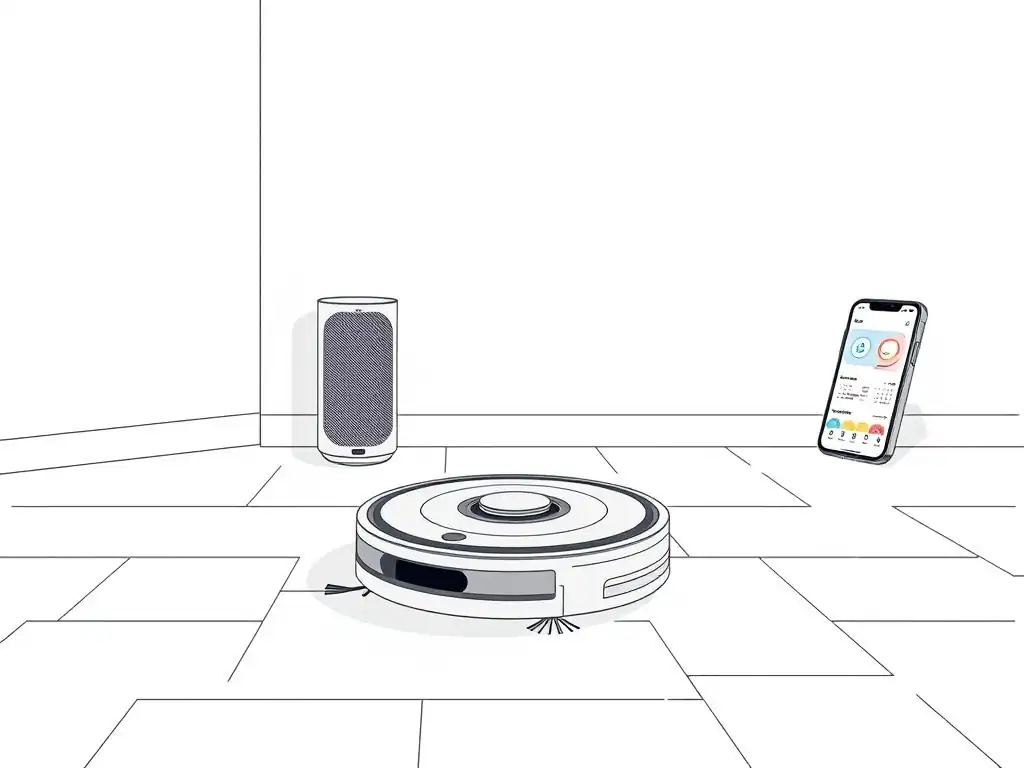
This section delves into the practical aspects of keeping your smart home cleaning system running smoothly and efficiently. Regular maintenance and prompt troubleshooting are key to maximizing the lifespan and performance of your automated cleaning tools, ensuring your home stays spotless with minimal effort. We'll explore strategies for both proactive maintenance and reactive problem-solving, addressing common issues and providing solutions for optimal performance. Mastering these techniques will transform your smart home cleaning experience from a potential headache into a genuinely convenient and effective system.
Regular Maintenance of Smart Cleaning Robots
Regular maintenance is crucial for the longevity and efficiency of your smart cleaning robots. Neglecting this can lead to decreased performance, shorter lifespan, and ultimately, more work for you. Think of it as preventative maintenance for your automated cleaning workforce. Here's a schedule to follow, tailored for optimal performance:
- Daily: Empty the dustbin and clean the brushes of your robot vacuum. This simple step prevents dust and debris buildup, which can clog the system and reduce suction power. A quick visual inspection for any noticeable obstructions is also recommended. Think of it as a quick "end-of-shift" cleaning for your robotic helper.
- Weekly: Wipe down the exterior of your robot vacuum and mop with a damp cloth. Pay particular attention to the sensors and charging contacts. This removes accumulated dust and grime, maintaining optimal sensor function and ensuring proper charging.
- Monthly: Deep clean the brushes and rollers. Remove them from the robot and use a small brush or tool to remove any tangled hair, string, or stubborn debris. This is essential for maintaining suction power and preventing damage to the motor. Consider using compressed air to remove dust from hard-to-reach areas.
- Quarterly: Check and replace filters as needed. The frequency will depend on the type of filter and the usage of the robot. Dirty filters significantly reduce suction and air quality. Always refer to the manufacturer's recommendations for filter replacement.
- Annually: Consider professional servicing, particularly if you experience persistent problems. A professional can perform a more thorough cleaning and identify any potential issues before they become major problems. This is a worthwhile investment to ensure your smart cleaning system continues to operate at peak efficiency.
Troubleshooting Common Smart Cleaning Device Issues
Even with regular maintenance, problems can arise with your smart cleaning devices. Knowing how to troubleshoot common issues can save you time and frustration. Here's a breakdown of common problems and their solutions:
- Robot vacuum won't start: Check the battery level, ensure it's properly docked, and verify that the power switch is on. Sometimes a simple reset by unplugging and replugging the charging station can resolve the issue. If the problem persists, check for any error codes displayed on the device or in the accompanying app.
- Robot vacuum gets stuck: Identify and clear any obstacles in the robot's path. Ensure that there are no rugs or cords that could get tangled. Consider setting up virtual boundaries in your smart home app to prevent the robot from entering certain areas.
- Robot mop doesn't dispense water: Check the water tank level and ensure that the mop pad is properly attached. If the problem continues, check for any clogs in the water dispensing mechanism. Consult the manufacturer's instructions for cleaning or replacing parts.
- Smart cleaning app is malfunctioning: Try restarting your phone or tablet, and ensure that your internet connection is stable. If the problem continues, check for updates to the app or contact customer support for assistance.
- Poor cleaning performance: This could be due to several factors, including clogged filters, dirty brushes, or a low battery. Refer to the regular maintenance schedule above to address these potential problems.
Ensuring Optimal Performance of Your Smart Home Cleaning Setup
Optimizing your smart home cleaning setup involves more than just maintaining individual devices. Strategic placement of devices, smart scheduling, and effective zone cleaning can significantly enhance the overall effectiveness of your system. Let's explore some key strategies:
- Strategic Device Placement: Consider the layout of your home when positioning your smart cleaning robots. Ensure that there is sufficient clearance for the devices to navigate freely. Avoid placing obstacles that could hinder their movement. For example, consider the placement of charging stations – easily accessible but out of the way.
- Smart Scheduling: Utilize the scheduling features of your smart home app to automate cleaning tasks. Set schedules that align with your daily or weekly routines. For example, schedule your robot vacuum to clean while you're at work or asleep.
- Effective Zone Cleaning: Many smart cleaning robots offer zone cleaning capabilities. Utilize this feature to target specific areas that require more attention. For example, you might schedule a thorough cleaning of the kitchen floor after dinner.
- Integration with other smart home devices: Explore the possibilities of integrating your smart cleaning robots with other smart home devices, such as smart speakers or lighting systems. This can enhance the overall functionality and convenience of your smart home cleaning setup. For instance, voice control allows for hands-free operation.
By implementing these maintenance routines, troubleshooting techniques, and optimization strategies, you'll significantly enhance the effectiveness and longevity of your smart home cleaning system. This translates into a cleaner, more efficient home with minimal effort on your part – the ultimate goal of any smart home cleaning hack.
Future Trends in Smart Home Cleaning Technology
The realm of smart home cleaning is constantly evolving, driven by advancements in artificial intelligence, robotics, and sensor technology. We're moving beyond simple automated vacuum cleaners to a future where cleaning is seamless, proactive, and highly personalized. This section explores some of the key trends shaping the future of smart home cleaning, focusing on how these innovations will impact our daily lives and redefine what "clean" means.
Understanding these emerging technologies is crucial for anyone looking to optimize their home cleaning routine and leverage the full potential of smart home technology. The keyword "smart home cleaning hacks" is intrinsically linked to this ongoing technological evolution.
AI-Powered Cleaning Robots and Systems
AI is rapidly transforming the capabilities of cleaning robots. We're seeing a shift from basic programmed movements to robots that learn and adapt to their environment. Imagine a robot vacuum that not only avoids obstacles but also recognizes different types of dirt and debris, adjusting its cleaning power accordingly.
This level of intelligence allows for more efficient cleaning, minimizing wasted time and energy. Furthermore, AI-powered systems can analyze cleaning patterns, predict maintenance needs, and even proactively schedule cleaning tasks based on usage data. For example, a smart mop might identify high-traffic areas and prioritize cleaning those spots more frequently.
This predictive cleaning capability truly exemplifies the power of "smart home cleaning hacks" in action, optimizing cleaning schedules for maximum efficiency. The development of sophisticated algorithms allows for improved navigation, obstacle avoidance, and even the ability to recognize and differentiate between various surfaces, leading to a more tailored and effective cleaning experience.
Integration of Smart Cleaning with Other Smart Home Systems
The future of smart home cleaning isn't isolated; it's about seamless integration with other smart home systems. Think about a scenario where your smart speaker automatically triggers your robot vacuum after you leave for work, or your smart thermostat adjusts the temperature to optimize the performance of your smart air purifier. This interconnectedness allows for a more holistic approach to home management.
Imagine a system that anticipates your needs, such as increasing cleaning frequency after a party, based on data from your smart calendar or occupancy sensors. This level of automation reduces manual intervention, freeing up valuable time and mental energy. The integration of smart cleaning with voice assistants further enhances convenience, allowing users to control cleaning devices through simple voice commands.
This interconnected ecosystem of devices represents the pinnacle of "smart home cleaning hacks," moving beyond individual devices to a cohesive and efficient system. Data integration between different smart home devices is key to realizing this vision.
The Evolution of Smart Cleaning Solutions in the Future
Looking ahead, we can anticipate even more sophisticated smart cleaning solutions. The development of advanced sensors will enable robots to detect even microscopic particles and allergens, ensuring a higher level of cleanliness. We might see a rise in self-emptying and self-cleaning robots, minimizing the need for human intervention. Furthermore, advancements in robotics could lead to the development of more versatile cleaning robots capable of performing a wider range of tasks, such as window washing, gutter cleaning, and even laundry.
Ultimately, the goal is to create a truly autonomous cleaning system that anticipates and addresses your cleaning needs proactively, allowing you to focus on other aspects of your life. The future of "smart home cleaning hacks" lies in this continuous innovation, constantly pushing the boundaries of what's possible in automated home cleaning. The evolution will be driven by consumer demand for convenience, efficiency, and a healthier home environment.
Frequently Asked Questions
What is a "smart home cleaning hack"?
A "smart home cleaning hack" uses technology to make cleaning easier and more efficient. This could involve using robotic vacuums, smart speakers to control cleaning schedules, or smart sensors to monitor cleanliness levels.
How can home automation save me time cleaning?
Home automation allows you to schedule cleaning tasks automatically. Imagine your robot vacuum cleaning while you're at work, or your smart lighting system turning on automatically to highlight dust bunnies. This frees up your time for other activities.
What smart devices are best for cleaning?
Popular options include robotic vacuums, smart mops, and smart home assistants capable of controlling other smart appliances. You can also use smart sensors to monitor air quality and humidity, improving your overall cleaning strategy.
Are smart cleaning devices expensive?
The cost varies greatly depending on the device. While some options can be relatively affordable, others, such as advanced robotic systems, can be more expensive. Consider your budget and cleaning needs when making a purchase.
How do I get started with smart home cleaning?
Begin by identifying your biggest cleaning challenges. Then, research devices that address those issues. Start small, perhaps with a robotic vacuum, and gradually integrate other smart home cleaning technologies as your needs and budget allow.
Final Reflection: The Evolving Landscape of Effortless Cleanliness
The quest for a spotless home is timeless, but the tools and techniques available to achieve it are rapidly evolving. Smart home cleaning technology isn't just a luxury anymore; it's becoming an integral part of modern life, offering solutions to time constraints and enhancing our overall well-being. This shift towards automated cleaning represents a significant change in how we approach domestic chores, freeing up valuable time and energy for more fulfilling pursuits.
The convenience and efficiency offered by smart cleaning devices are undeniably transformative. They're not just about saving time; they're about improving our quality of life by reducing stress and allowing us to focus on what truly matters. This resonates deeply with the modern ethos of seeking work-life balance and prioritizing self-care. The future is already here — it's just not evenly distributed.
This quote, often attributed to William Gibson, perfectly encapsulates the reality of smart home technology; while not universally accessible, its impact on those who utilize it is profound and far-reaching.
Consider the implications of this technological advancement. How can you integrate these smart cleaning hacks into your own life to create a more efficient and enjoyable home environment? Perhaps it's time to explore a robotic vacuum, a smart washing machine, or even a voice-activated cleaning schedule. Embrace the future of cleanliness; reclaim your time, and rediscover the joy of a truly clean and organized home. The possibilities are endless, and the benefits are undeniable.
Unleash Your Inner Cleaning Guru!
Thank you for exploring the world of smart home cleaning! You now have the knowledge to significantly simplify your cleaning routine and reclaim valuable time. Ready to put it into action?
- Embrace the Smart Home Revolution: Begin with a single area of your home where automation would be most beneficial. For example, you might start with a robot vacuum for the living room or a smart sprinkler system for the lawn. Then, research your options.
- Share Your Smart Cleaning Secrets: Tell your friends and family about your improved cleaning efficiency! What helpful automation tools are they overlooking?
- Join the Cleaning Efficiency Community: Share your successes (and challenges!) with smart cleaning in the comments below. Let's build a supportive network of efficiency experts together!
What's the first step you'll take today to automate your cleaning routine?