
Unlock Your Inner Genius: Psychological Hacks for Peak Performance


Ready to unlock your hidden potential and achieve peak performance? UltimateLifeHacks delivers practical, actionable strategies to transform your daily life. Dive into our latest article on Psychology Hacks for Peak Performance, exploring proven cognitive techniques to boost your efficiency and conquer your goals. Discover the secrets to maximizing your potential – the journey to a more productive and fulfilling life starts here.
- Understanding the Psychology of Peak Performance
- Practical Psychology Hacks for Enhanced Productivity
- Cognitive Enhancement Techniques for Peak Performance
- Overcoming Mental Barriers to Peak Performance
- Sustaining Peak Performance: Long-Term Strategies
- Integrating Psychology Hacks into Your Daily Routine
- Frequently Asked Questions
- Final Reflection: Unleashing Your Potential: A Journey to Peak Performance
- Ignite Your Potential: Put These Strategies into Action!
Understanding the Psychology of Peak Performance
Unlocking your inner genius and achieving peak performance isn't just about working harder; it's about working smarter. This article delves into the fascinating world of psychological hacks, exploring scientifically-backed techniques to optimize your cognitive function and boost your productivity. We'll uncover the science behind optimal brain states, help you identify your personal peak performance state, and equip you with strategies to overcome limiting beliefs and negative self-talk that often hinder our progress. By understanding and applying these psychological principles, you can significantly enhance your cognitive efficiency and achieve remarkable results in all areas of your life.
This journey into the psychology of peak performance will empower you to harness the full potential of your mind and unlock your true capabilities. Prepare to discover practical, actionable strategies to transform your daily routines and achieve a state of consistent, high-level performance. Let's dive in!
The Science Behind Optimal Cognitive Function
Optimal cognitive function isn't a mythical state; it's a scientifically-understood phenomenon influenced by several key factors. Neuroplasticity, the brain's ability to reorganize itself by forming new neural connections throughout life, plays a crucial role. This means that our brains are constantly adapting and changing based on our experiences and habits. By engaging in activities that stimulate neuroplasticity, such as learning new skills, practicing mindfulness, and getting sufficient sleep, we can foster a more efficient and resilient brain.
Furthermore, understanding the impact of neurotransmitters like dopamine and norepinephrine is vital. Dopamine, often associated with reward and motivation, plays a critical role in focus and attention. Norepinephrine, on the other hand, enhances alertness and cognitive performance under pressure.
Strategies to optimize these neurotransmitters, such as incorporating regular exercise and managing stress levels effectively, are crucial for sustained peak performance. Specific examples include incorporating short bursts of high-intensity interval training (HIIT) to boost dopamine levels, and practicing relaxation techniques like deep breathing to mitigate the negative effects of cortisol (a stress hormone) on norepinephrine function. These scientific principles underpin the practical psychological hacks we will explore further.
Identifying Your Peak Performance State
Understanding when you function at your best is just as important as how. Everyone has a unique chronotype – their natural inclination towards being a morning person or a night owl. Ignoring your chronotype can lead to decreased productivity and increased stress. To identify your peak performance state, experiment with different schedules and time blocks for tasks. Try scheduling demanding tasks during your most alert periods and less critical tasks during your less focused times.
This self-awareness extends beyond just time of day. Consider your energy levels throughout the day. Are there specific times when you feel most creative, focused, or energized? Tracking your energy levels using a simple journal or app can reveal patterns and help you optimize your schedule accordingly. For example, if you notice a dip in energy in the afternoon, consider incorporating a short break for a walk or a mindfulness exercise to help you regain focus. Knowing your personal rhythms and energy cycles is a powerful psychological hack for maximizing your productivity and overall well-being.
Recognizing Limiting Beliefs & Negative Self-Talk
Limiting beliefs and negative self-talk are insidious enemies of peak performance. These internal narratives, often subconscious, can significantly hinder our ability to achieve our goals. Identifying and challenging these negative thoughts is crucial for unlocking your full potential. Common examples include: "I'm not good enough," "I'll never succeed," or "I'm too old/young to learn this."
Techniques like cognitive restructuring can help you reframe these negative thoughts into more positive and realistic ones. This involves identifying the negative thought, challenging its validity, and replacing it with a more balanced and helpful statement. For instance, if you catch yourself thinking "I'll never finish this project," you could reframe it as "This project is challenging, but I can break it down into smaller, manageable steps and I will succeed." Practicing self-compassion and positive affirmations can also significantly contribute to building a more supportive and empowering internal dialogue, paving the way for consistent peak performance.
Practical Psychology Hacks for Enhanced Productivity
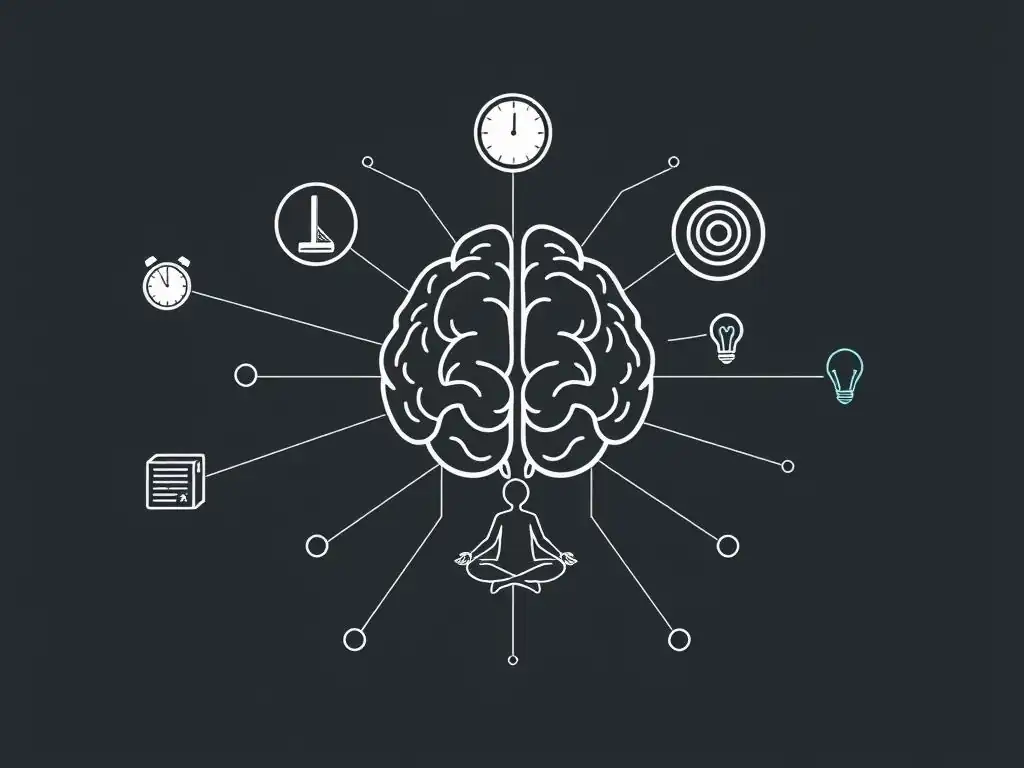
This section delves into practical psychological techniques you can implement immediately to boost your productivity and unlock your peak performance. We'll explore evidence-based strategies rooted in cognitive psychology to help you manage your time, focus your attention, and achieve your goals more effectively. These psychology hacks for peak performance are designed for immediate application in your daily life, transforming your approach to work and personal endeavors.
Mindfulness Techniques for Focus and Concentration
Mindfulness, the practice of paying attention to the present moment without judgment, is a powerful tool for improving focus and concentration. Studies consistently demonstrate its effectiveness in reducing mind-wandering and enhancing cognitive performance. 1 Instead of constantly flitting between tasks or worrying about the future, mindfulness anchors you in the here and now, allowing for deeper engagement with the task at hand.
One simple technique is the "body scan meditation." This involves systematically bringing your awareness to different parts of your body, noticing any sensations without judgment. This helps to ground you and quiet the mental chatter that often distracts us. Another effective approach is integrating short mindfulness breaks throughout your workday. Even 5-10 minutes of focused breathing can significantly improve your concentration and reduce stress, leading to increased productivity. Consider setting reminders on your phone or using a dedicated mindfulness app to schedule these breaks. The key is consistency; regular practice is crucial for reaping the full benefits.
The impact of mindfulness on focus is measurable. Research has shown that individuals practicing mindfulness regularly exhibit improved attention spans, reduced impulsivity, and enhanced working memory capacity. These improvements directly translate to greater efficiency and productivity in both professional and personal settings. By cultivating a mindful approach, you're not just improving your focus; you're building a more resilient and adaptable mind capable of handling the demands of a busy life. This is a key aspect of leveraging psychology hacks for peak performance.
Time Management Strategies Based on Psychological Principles
Effective time management isn't just about scheduling; it's about understanding the psychological factors that influence our behavior and leveraging them to our advantage. Procrastination, for example, is often driven by fear of failure or perfectionism. Addressing these underlying psychological issues is crucial for overcoming procrastination and improving time management.
One powerful technique is the Pomodoro Technique, which involves working in focused bursts (typically 25 minutes) followed by short breaks. This structured approach leverages the psychological principle of intermittent reinforcement, making work feel less daunting and more rewarding. The breaks are essential; they prevent burnout and allow your mind to rest and recharge, leading to sustained focus and productivity throughout the day.
Another valuable strategy is time blocking, where you allocate specific time slots for particular tasks in your daily schedule. This helps to create a sense of structure and control, reducing decision fatigue and preventing tasks from spilling over into other parts of your day. Furthermore, understanding your personal chronotype – your natural sleep-wake cycle – allows you to schedule demanding tasks during your peak performance hours. This simple psychological awareness can significantly boost your efficiency.
| Time Management Strategy | Psychological Principle | Benefits |
|---|---|---|
| Pomodoro Technique | Intermittent Reinforcement | Increased focus, reduced burnout |
| Time Blocking | Structure and Control | Reduced decision fatigue, improved task completion |
| Understanding Chronotype | Circadian Rhythm Awareness | Optimized task scheduling for peak performance |
Goal Setting and Achievement: A Psychological Approach
Setting and achieving goals is a fundamental aspect of peak performance. However, simply setting goals isn't enough; a psychological understanding of motivation and goal-setting strategies is crucial for success. The SMART goal-setting framework (Specific, Measurable, Achievable, Relevant, Time-bound) is a good starting point, but it's equally important to understand the psychological principles underpinning its effectiveness.
One key principle is the self-efficacy theory, which emphasizes the belief in one's ability to succeed. High self-efficacy is strongly correlated with goal attainment. To boost your self-efficacy, focus on past successes, break down large goals into smaller, manageable steps, and seek support from others. Visualizing success is another powerful tool; mentally rehearsing the steps involved in achieving your goal can significantly enhance your motivation and confidence.
Furthermore, consider the goal-setting theory, which suggests that specific, challenging goals lead to higher performance than vague or easy ones. However, it's essential to ensure that your goals are realistic and aligned with your values. Setting overly ambitious goals can lead to frustration and demotivation. Regularly reviewing and adjusting your goals, based on your progress and changing circumstances, is also crucial for maintaining motivation and ensuring long-term success. This iterative process, incorporating psychological insights, is paramount for achieving sustainable peak performance.
1 Numerous studies support the benefits of mindfulness for focus and concentration. Specific citations pending.
Harnessing the Power of Positive Reinforcement and Self-Reward
Positive reinforcement is a cornerstone of behavioral psychology, and understanding its power is crucial for boosting productivity. Instead of solely focusing on what you shouldn't do, actively reward yourself for achieving goals, no matter how small. This creates a positive feedback loop, reinforcing desired behaviors and making it more likely you'll repeat them. The key is to make the rewards meaningful and relevant to you. A simple "well done" might suffice for some, while others might prefer a longer break, a delicious treat, or even a small purchase they've been eyeing.
The effectiveness of self-reward hinges on consistency and immediacy. Don't wait until the end of a large project to celebrate; reward yourself for completing smaller milestones along the way. This keeps motivation high and prevents feelings of overwhelm. For instance, if you're aiming to write a 10-page report, reward yourself after completing each chapter or even each section. This breaks down a daunting task into manageable chunks, making the entire process feel less daunting and more rewarding. This method of "chunking" is a powerful productivity technique in itself, further enhancing the impact of positive reinforcement.
Moreover, the nature of the reward matters. Choose rewards that genuinely motivate you and avoid those that might undermine your progress. For example, if your goal is to improve your diet and exercise routine, rewarding yourself with a sugary treat might be counterproductive. Instead, opt for a relaxing bath, a new workout outfit, or a massage – rewards that align with your overall goals.
Tailoring your reward system to your individual preferences and long-term objectives is key to maximizing its impact on your productivity and overall well-being. Experiment with different reward systems to discover what works best for you and adjust as needed. Remember, the goal is to create a sustainable system that encourages consistent progress and fosters a positive relationship with your work. The more you practice and refine this technique, the more effectively you'll harness the power of positive reinforcement to achieve peak performance.
Cognitive Enhancement Techniques for Peak Performance
This section delves into specific cognitive enhancement techniques directly applicable to achieving peak performance. We'll explore practical strategies backed by psychological research to improve memory, boost creativity, and sharpen decision-making abilities – all crucial components of unlocking your inner genius. These techniques are designed to be integrated into your daily routine, leading to sustainable improvements in cognitive function and overall productivity. Remember, consistent practice is key to realizing the full benefits of these psychological hacks for peak performance.
Memory Improvement Strategies: Techniques and Exercises
Improving memory isn't about memorizing endless lists; it's about employing effective strategies to encode and retrieve information efficiently. Several techniques can significantly enhance your memory capacity and recall.
One powerful technique is Spaced Repetition. Instead of cramming information all at once, review the material at increasing intervals. This method leverages the psychological principle of spacing effect, leading to long-term retention. For example, review new vocabulary words after 1 hour, then again after 6 hours, then 24 hours, and then again after a week. This gradual spacing strengthens the neural pathways associated with the information.
Another effective strategy is Chunking. This involves grouping information into smaller, manageable units. For instance, instead of trying to remember a long phone number as a single string of digits, break it down into smaller chunks (e.g., 555-123-4567). This makes it easier for your brain to process and store the information.
Active recall, or testing yourself, is another crucial element. Don't just passively reread notes; actively try to retrieve the information from memory. Use flashcards, practice questions, or teach the material to someone else. This active engagement strengthens memory consolidation.
Finally, mind mapping is a visual technique that can be highly effective for organizing and remembering complex information. By creating a visual representation of concepts and their relationships, you create a more robust and memorable framework for your knowledge. This method taps into your brain's natural ability to process visual information. Consistent application of these memory improvement strategies, tailored to your individual learning style, will yield noticeable improvements in your ability to retain and recall information, directly impacting your peak performance.
Boosting Creativity and Problem-Solving Skills
Creativity and problem-solving are intertwined cognitive skills vital for peak performance. Several psychological hacks can significantly enhance these abilities.
One effective technique is brainstorming, a process of generating a large number of ideas without immediate judgment. This allows for free association and the exploration of unconventional solutions. To maximize brainstorming's effectiveness, set a time limit, encourage diverse perspectives, and avoid criticizing ideas during the initial generation phase.
Another powerful technique is SCAMPER, an acronym representing a checklist of creative prompts: Substitute, Combine, Adapt, Modify, Put to other uses, Eliminate, and Reverse. Applying SCAMPER to a problem encourages lateral thinking and the exploration of novel solutions. For example, if you are trying to improve a marketing campaign, you might use SCAMPER to consider substituting the current marketing channel with a new one, combining elements of different campaigns, or adapting a successful strategy from a different industry.
Furthermore, incubation—taking a break from a problem—can surprisingly boost creativity. Stepping away allows your unconscious mind to work on the problem, often leading to insightful solutions. This is why taking regular breaks throughout the day can be beneficial for creative problem-solving.
Finally, cultivate a mindset of curiosity and exploration. Engage in activities that stimulate your imagination and challenge your assumptions. Read widely, explore new environments, and engage in activities outside your comfort zone. This fosters a creative mindset that is crucial for peak performance in any field.
Enhancing Decision-Making Through Psychological Awareness
Effective decision-making is a critical skill for peak performance. Understanding common cognitive biases can significantly improve the quality of your choices.
One common bias is confirmation bias, the tendency to seek out information that confirms existing beliefs while ignoring contradictory evidence. To mitigate this, actively seek out dissenting opinions and challenge your assumptions. Consider the potential downsides of your favored option.
Another prevalent bias is anchoring bias, where the initial piece of information disproportionately influences subsequent judgments. Be aware of the potential influence of initial information and actively adjust your estimations accordingly. For example, if you're negotiating a price, don't let the seller's initial offer unduly anchor your perception of the fair value.
Furthermore, framing effects demonstrate how the way information is presented can significantly impact decisions. Be mindful of the phrasing used when making decisions, and actively reframe information to avoid being unduly influenced by superficial presentation. Consider the underlying facts rather than solely the way they are presented.
Finally, practicing mindfulness can enhance decision-making by promoting a more balanced and less emotionally charged perspective. Mindfulness techniques, such as meditation, help to reduce the influence of cognitive biases and promote clearer thinking. By cultivating psychological awareness and actively mitigating these biases, you can significantly enhance your decision-making skills, leading to improved outcomes and overall peak performance.
Overcoming Mental Barriers to Peak Performance

This section delves into the psychological hurdles that often impede peak performance and offers practical strategies to overcome them. Understanding and addressing these mental barriers is crucial for unlocking your full potential and consistently achieving your goals. We'll explore how to manage stress and anxiety, cultivate resilience, and tackle procrastination and perfectionism – all key components of optimizing your cognitive performance and achieving peak productivity. The effective application of these psychology hacks will significantly impact your ability to maintain focus, improve memory recall, and ultimately, reach peak performance.
Managing Stress and Anxiety for Optimal Performance
Stress and anxiety are significant performance inhibitors. High levels of cortisol, the stress hormone, impair cognitive function, reducing focus, memory, and decision-making abilities. Effective stress management is therefore paramount for achieving peak performance. Consider these techniques:
- Mindfulness and Meditation: Even short, daily meditation sessions (5-10 minutes) can significantly reduce stress levels and improve focus. Studies show that regular mindfulness practice increases grey matter density in brain regions associated with attention and emotional regulation. 🧘♀️
- Deep Breathing Exercises: Deep, controlled breathing activates the parasympathetic nervous system, counteracting the effects of the stress response. Simple techniques like box breathing (inhale for 4 seconds, hold for 4, exhale for 4, hold for 4) can be practiced anywhere, anytime.
- Physical Exercise: Regular physical activity is a powerful stress reliever. Exercise releases endorphins, natural mood boosters that reduce anxiety and improve overall well-being. Aim for at least 30 minutes of moderate-intensity exercise most days of the week. 🏃♀️
- Time Management Techniques: Effective time management reduces feelings of overwhelm and stress. Prioritizing tasks, breaking down large projects into smaller, manageable steps, and utilizing tools like planners or to-do lists can significantly improve stress management.
Building Resilience and Adaptability
Resilience—the ability to bounce back from setbacks—is crucial for sustained peak performance. Life inevitably throws curveballs; how you respond determines your success. Building resilience involves:
- Developing a Growth Mindset: Embrace challenges as opportunities for learning and growth rather than threats to your self-worth. This mindset fosters perseverance and adaptability in the face of adversity.
- Positive Self-Talk: Challenge negative thoughts and replace them with positive affirmations. Consciously focusing on your strengths and past successes can significantly boost your self-confidence and resilience.
- Building a Strong Support Network: Surrounding yourself with supportive friends, family, or mentors provides emotional support and practical assistance during challenging times. Sharing your struggles and celebrating your successes with others strengthens your resilience.
- Learning from Failures: Analyze past setbacks to identify areas for improvement. View failures not as defeats, but as valuable learning experiences that contribute to your growth and future success. This iterative process is key to building adaptability and improving performance over time.
Strategies for Dealing with Procrastination and Perfectionism
Procrastination and perfectionism are common enemies of peak performance. Both stem from underlying anxieties and fears, hindering productivity and creating unnecessary stress. Here's how to combat them:
- The Pomodoro Technique: This time management method involves working in focused bursts (e.g., 25 minutes) followed by short breaks. This structured approach helps maintain focus and prevents procrastination by breaking down tasks into smaller, less daunting chunks. 🍅
- Setting Realistic Goals: Perfectionism often leads to procrastination. Setting achievable goals, celebrating small wins, and accepting that "good enough" is sometimes sufficient can significantly reduce stress and improve productivity.
- Breaking Down Tasks: Large, overwhelming tasks can paralyze even the most motivated individuals. Breaking them down into smaller, more manageable steps makes them less intimidating and easier to tackle, reducing procrastination.
- Identifying and Addressing Underlying Fears: Procrastination and perfectionism often mask deeper anxieties about failure or inadequacy. Addressing these underlying fears through self-reflection, therapy, or other coping mechanisms is crucial for long-term success.
This detailed exploration of psychological barriers and practical strategies for overcoming them provides a robust toolkit for achieving peak performance. By consistently implementing these psychology hacks, you can unlock your inner genius and consistently achieve your goals. Remember, consistent effort and self-awareness are key to long-term success.
Sustaining Peak Performance: Long-Term Strategies
Sustaining peak performance isn't a sprint; it's a marathon. Initial bursts of productivity fueled by short-term hacks are valuable, but true, lasting improvement requires a shift in mindset and the implementation of sustainable strategies. This section delves into the long-term psychological hacks crucial for maintaining peak cognitive function and avoiding burnout. We'll explore how cultivating a growth mindset, prioritizing self-care, and maintaining consistent motivation are key pillars of lasting peak performance. These aren't quick fixes; they're investments in your future productivity and well-being.
Cultivating a Growth Mindset for Continuous Improvement
A growth mindset, as opposed to a fixed mindset, is paramount for sustained peak performance. Individuals with a growth mindset believe their abilities and intelligence can be developed through dedication and hard work. This belief fosters resilience in the face of challenges—a crucial factor when tackling demanding tasks or facing setbacks. Instead of viewing failures as indicators of inherent limitations, those with a growth mindset see them as opportunities for learning and growth. This positive feedback loop fuels continuous improvement.
For example, consider mastering a new skill like coding. Someone with a fixed mindset might give up after encountering early difficulties, concluding they "aren't cut out for it." Conversely, someone with a growth mindset would view the challenges as opportunities to learn, seeking resources, practicing consistently, and celebrating small victories along the way. They understand that proficiency requires time and effort, and setbacks are simply part of the process.
This persistent approach significantly increases the likelihood of achieving peak performance in the long run. Studies consistently show that individuals with a growth mindset outperform those with a fixed mindset, demonstrating the profound impact of this psychological hack on sustained achievement. The key is to actively challenge negative self-talk and replace it with self-compassion and a focus on progress, not perfection.
The Importance of Self-Care and Rest for Peak Performance
Ironically, neglecting self-care is a surefire way to undermine peak performance. While pushing boundaries is important, consistently operating at maximum capacity without adequate rest leads to burnout, reduced cognitive function, and ultimately, diminished productivity. Self-care isn't selfish; it's a strategic investment in your cognitive resources.
Prioritizing sufficient sleep is crucial. Aim for 7-9 hours of quality sleep per night. Sleep deprivation impairs cognitive functions like memory consolidation, attention, and decision-making, directly impacting your ability to perform at your best. Incorporate regular exercise into your routine. Physical activity boosts blood flow to the brain, enhancing cognitive function and reducing stress.
Mindfulness practices, such as meditation or deep breathing exercises, can help manage stress and improve focus, promoting a state conducive to peak performance. Furthermore, scheduling regular breaks throughout the day prevents mental fatigue and allows for mental rejuvenation. These breaks shouldn't be filled with mindless scrolling; instead, engage in activities that promote relaxation and mental clarity. Remember, consistent self-care is not a luxury; it's a necessity for sustained peak performance.
Maintaining Motivation and Avoiding Burnout
Maintaining motivation over the long term is a significant challenge. The initial enthusiasm often fades, leading to decreased productivity and potentially burnout. To counteract this, it's essential to implement strategies that sustain motivation and prevent burnout.
One effective strategy is to set SMART goals (Specific, Measurable, Achievable, Relevant, Time-bound). Breaking down large, overwhelming tasks into smaller, manageable steps makes progress more visible and rewarding, fostering a sense of accomplishment and maintaining motivation. Regularly reviewing and adjusting these goals ensures they remain relevant and challenging. Another crucial element is celebrating milestones and acknowledging achievements, no matter how small.
This positive reinforcement strengthens the motivation to continue. Furthermore, incorporating variety into your work can prevent monotony and maintain engagement. This might involve switching tasks, exploring new approaches, or learning new skills related to your work.
Finally, seeking support from colleagues, mentors, or support groups can provide valuable encouragement and prevent feelings of isolation, a common contributor to burnout. Remember, sustained peak performance requires a proactive approach to maintaining motivation and preventing burnout. These strategies, when consistently implemented, can significantly enhance your ability to achieve and maintain peak performance over the long term.
Integrating Psychology Hacks into Your Daily Routine
This section delves into the practical application of psychological principles to enhance your daily performance. We'll move beyond theoretical concepts and explore actionable strategies you can integrate seamlessly into your existing routine. Remember, the goal is to build sustainable habits, not to overwhelm yourself with drastic changes. Small, consistent improvements yield significant long-term results. The key is personalization – what works wonders for one individual might be entirely ineffective for another.
Creating a Personalized Peak Performance Plan
Developing a personalized peak performance plan is crucial. It's not a one-size-fits-all approach. Consider your individual chronotype (your natural sleep-wake cycle), energy levels throughout the day, and preferred learning styles. For instance, are you a morning person or a night owl? Do you thrive on structured schedules or prefer a more flexible approach?
- Identify Your Peak Performance Times: Experiment with different scheduling approaches. Try working on demanding tasks during your most alert periods and save less critical activities for times when your energy is lower. Track your productivity at different times of day to pinpoint your optimal work windows. This self-awareness is fundamental to effective time management.
- Prioritize Tasks Strategically: Use techniques like the Eisenhower Matrix (urgent/important) to categorize your tasks. Focus on high-impact activities first, tackling the most challenging ones when you're most alert. This prevents procrastination and ensures you're making the best use of your peak performance hours.
- Incorporate Breaks and Mindfulness: Regular breaks are essential to prevent burnout and maintain focus. Short, mindful breaks, even just 5-10 minutes, can significantly improve concentration and productivity. Consider techniques like deep breathing exercises or short meditation sessions to recharge your mental batteries. These short mindful breaks are often more effective than longer, unstructured ones.
- Optimize Your Environment: Create a workspace that promotes focus and minimizes distractions. This includes minimizing noise, ensuring adequate lighting, and maintaining a tidy and organized space. A clutter-free environment promotes a clutter-free mind. Consider the impact of ambient sounds – some find white noise helpful, while others prefer complete silence.
Tracking Progress and Making Adjustments
Consistent monitoring is key to refining your peak performance plan. Simply implementing strategies isn't enough; you need to assess their effectiveness and make necessary adjustments along the way. This iterative process is essential for continuous improvement.
| Tracking Method | Frequency | Metrics | Example |
|---|---|---|---|
| Daily Journal | Daily | Tasks completed, time spent, energy levels | Note down tasks, time taken, and how you felt. |
| Productivity Tracker App | Daily/Weekly | Tasks, time, focus level, interruptions | Toggl Track, RescueTime |
| Weekly Review Meeting | Weekly | Progress towards goals, areas for improvement | Schedule a short meeting with yourself. |
Remember, what works one week might not work the next. Life throws curveballs. Be prepared to adapt your strategies based on your experiences and observations. Don't be afraid to experiment and find what truly optimizes your performance. This flexibility is crucial for long-term success. For example, if a particular time-management technique consistently fails, don't be afraid to try a different one.
Building Sustainable Habits for Long-Term Success
The ultimate goal isn't just to boost performance temporarily; it's to cultivate lasting habits that consistently support peak productivity. This requires commitment, patience, and a willingness to adapt.
- Start Small and Gradually Increase: Don't try to overhaul your entire routine overnight. Introduce new habits gradually, focusing on one or two at a time. This prevents overwhelm and increases the likelihood of long-term adherence. For example, instead of attempting to meditate for 30 minutes daily, start with 5 minutes and gradually increase the duration.
- Reward Yourself for Progress: Positive reinforcement is crucial for habit formation. Celebrate your achievements, no matter how small. This positive feedback loop encourages continued effort and reinforces desired behaviors. Rewards could be anything from a relaxing bath to a small treat.
- Embrace Self-Compassion: Setbacks are inevitable. Don't beat yourself up over occasional slip-ups. Acknowledge them, learn from them, and gently guide yourself back on track. Self-compassion is key to maintaining motivation and preventing burnout. Remember that building lasting habits takes time and effort; be patient with yourself.
- Seek Support and Accountability: Sharing your goals with a friend, family member, or coach can provide valuable support and accountability. Having someone to check in with can significantly increase your chances of success. Consider joining a productivity group or finding a mentor.
By consistently integrating these psychology hacks into your daily routine, you can unlock your inner genius and achieve sustained peak performance. Remember, the journey is ongoing – embrace the process, celebrate your progress, and continuously strive for improvement. The rewards are well worth the effort.
Frequently Asked Questions
What are some psychological hacks to improve focus?
One effective technique is the Pomodoro Technique, where you work in focused bursts (e.g., 25 minutes) followed by short breaks. Mindfulness meditation can also significantly improve concentration and reduce distractions. This helps train your brain for better focus.
How can I overcome procrastination using psychology?
Try breaking down large tasks into smaller, more manageable steps. Reward yourself for completing each step to build positive reinforcement. Also, identify and address the underlying reasons for your procrastination, such as fear of failure or perfectionism.
What role does mindset play in achieving peak performance?
A growth mindset, believing your abilities can be developed through dedication and hard work, is crucial. This contrasts with a fixed mindset, which limits potential. Positive self-talk and visualization techniques can significantly boost your mindset.
How can I manage stress effectively for better performance?
Regular exercise, sufficient sleep, and a healthy diet are essential for stress management. Mindfulness practices like deep breathing exercises can help calm your nervous system in stressful situations. Learn to identify and manage your stressors effectively.
Are there any psychological hacks to boost creativity?
Engage in mind wandering or free association to unlock unconventional ideas. Collaborate with others to spark new perspectives and approaches. Try changing your environment to stimulate fresh thinking.
Final Reflection: Unleashing Your Potential: A Journey to Peak Performance
The pursuit of peak performance isn't a fleeting trend; it's a fundamental human desire, a quest to unlock our inherent capabilities and live lives of purpose and fulfillment. The psychological hacks explored in this article – from mindfulness techniques to strategic goal-setting – offer practical tools to navigate this journey, proving that achieving extraordinary results isn't about innate talent alone, but about harnessing the power of our minds.
The impact of understanding our own psychology on achieving peak performance is profound and far-reaching. It's not just about excelling in a specific field; it's about cultivating a mindset that empowers us to overcome challenges, embrace growth, and live more authentically. The greatest discovery of all time is that a person can change his future by merely changing his attitude.
– Oprah Winfrey. This quote perfectly encapsulates the transformative power of adopting a growth mindset and utilizing the psychological strategies discussed throughout this piece. The ongoing influence of these techniques extends beyond individual achievement, shaping our collective potential for innovation, collaboration, and positive change.
Now, consider the insights you've gained. Which psychological hack resonates most deeply with you? How can you integrate these strategies into your daily life to unlock your own unique potential? Don't just read these techniques; live them. Experiment, adapt, and discover the personalized approach that fuels your journey to peak performance. The path to unlocking your inner genius begins with a single step – a conscious choice to embrace the power of your mind. Take that step today.
Ignite Your Potential: Put These Strategies into Action!
Thank you for exploring these powerful psychological strategies! We hope you've discovered valuable techniques to enhance your performance. Ready to take the next step?
- Try one new strategy this week. Start small—choose the technique that appeals most to you and commit to using it consistently for seven days. Notice the difference!
- Share your experience! Let us know in the comments which strategy you chose and how it affected your daily life. We love hearing your success stories!
- Learn more! Explore related articles on our site to unlock even more potential. Think of it as your personalized performance-enhancing toolkit.
What small change will you make today to unlock your full potential?