
Meal Prep with Fish: Healthy Fats and Omega3s

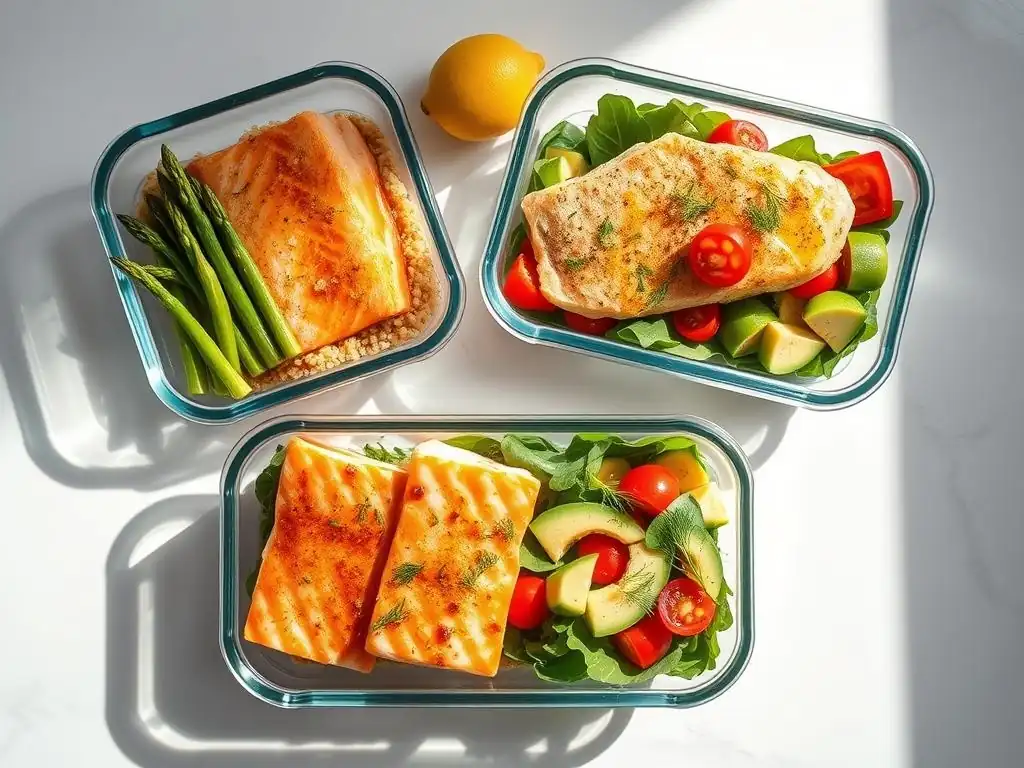
Ready to unlock a world of effortless efficiency and vibrant well-being? UltimateLifeHacks is your destination for practical tips and game-changing strategies to optimize your daily life. Dive into our Health & Fitness Hacks section and discover the secrets to effortless healthy eating with our latest article on Healthy fish meal prep recipes. Learn how to incorporate delicious, nutrient-rich meals into your routine, boosting your Omega-3 intake and maximizing your energy levels. Prepare to be amazed by how easy it is to transform your life, one simple hack at a time.
- The Benefits of Incorporating Fish into Your Meal Prep
- Planning Your Weekly Fish Meal Prep: A Step-by-Step Guide
- Healthy Fish Meal Prep Recipes: Easy and Delicious Options
- Tips for Storing and Reheating Your Fish Meals
- Overcoming Common Fish Meal Prep Challenges
- Beyond the Basics: Expanding Your Fish Meal Prep Repertoire
-
Frequently Asked Questions
- How many meals can I prepare with one batch of fish?
- What are some healthy ways to cook fish for meal prepping?
- Are there any good recipes for meal prepping fish on UltimateLifeHacks?
- How long can I store prepped fish in the refrigerator?
- What are the benefits of including fish in my meal prep routine?
- Final Reflection: Nourishing Body and Mind Through Conscious Meal Prep
- Unlock Your Omega-3 Potential: Start Meal Prepping Today!
The Benefits of Incorporating Fish into Your Meal Prep
Planning your meals ahead of time is a cornerstone of healthy eating and efficient living. Meal prepping not only saves you time and reduces stress during the week, but it also allows for more conscious food choices. This article focuses on the significant advantages of incorporating fish into your weekly meal prep routine, highlighting its nutritional powerhouse status and providing you with the tools to create delicious and healthy fish-based meals.
We'll explore the specific health benefits derived from Omega-3 fatty acids found abundantly in fish, showcasing how including them in your diet can contribute to improved brain function, cardiovascular health, and overall well-being. This guide will help you seamlessly integrate healthy fish meal prep recipes into your lifestyle, maximizing both your nutritional intake and your precious time. Let's dive into the world of healthy and delicious fish-focused meal prepping!
Omega-3 Fatty Acids: Why Fish is a Superfood
Fish, particularly fatty fish like salmon, tuna, mackerel, and sardines, are exceptionally rich sources of Omega-3 fatty acids – essential fats our bodies cannot produce on their own. These aren't just "good fats"; they are crucial for numerous bodily functions. Omega-3s, specifically EPA (eicosapentaenoic acid) and DHA (docosahexaenoic acid), are vital for maintaining optimal health. Unlike saturated and trans fats, Omega-3s contribute to a healthy inflammatory response, playing a critical role in reducing the risk of chronic diseases.
Many people don't consume enough Omega-3s through their diet, making incorporating fish into meal prep a proactive step towards better health. The benefits extend beyond simple weight management; it's about long-term well-being and disease prevention. Think of it as an investment in your future self! 🐟
Boosting Brainpower and Heart Health with Omega-3 Rich Meals
The cognitive benefits of Omega-3 fatty acids are well-documented. Studies consistently show a correlation between higher Omega-3 intake and improved cognitive function, memory, and reduced risk of age-related cognitive decline. DHA, in particular, is a major structural component of the brain, essential for optimal brain development and function throughout life. Furthermore, Omega-3s play a significant role in cardiovascular health.
They help reduce triglycerides, lower blood pressure, and decrease the risk of blood clots, all contributing to a healthier heart. By incorporating fish into your meal prep, you're not only providing your body with essential nutrients but actively working towards protecting your heart and enhancing your cognitive abilities. Regular consumption of Omega-3 rich meals can be a powerful tool in preventing numerous health issues.
Specific Health Benefits of Omega-3 Fatty Acids
Let's delve deeper into the specific health benefits linked to consistent Omega-3 consumption:
- Reduced Inflammation: Omega-3s possess potent anti-inflammatory properties, helping to combat chronic inflammation linked to various diseases, including heart disease, arthritis, and certain types of cancer.
- Improved Mental Health: Omega-3s are increasingly recognized for their positive impact on mental well-being, potentially reducing symptoms of depression and anxiety.
- Enhanced Eye Health: DHA is a critical component of the retina, and sufficient Omega-3 intake is crucial for maintaining healthy vision and reducing the risk of age-related macular degeneration.
- Better Sleep Quality: While more research is needed, some studies suggest a correlation between Omega-3 intake and improved sleep quality.
- Stronger Immune System: Omega-3s play a role in supporting a healthy immune response, helping the body fight off infections and illnesses.
Including fish in your meal prep is a simple yet powerful way to harness the remarkable health benefits of Omega-3 fatty acids. Remember to choose a variety of fish to maximize your nutritional intake and enjoy the delicious and diverse culinary possibilities!
Planning Your Weekly Fish Meal Prep: A Step-by-Step Guide
This section provides a practical, step-by-step guide to planning your weekly fish meal prep, maximizing efficiency and ensuring a diverse range of healthy, delicious meals. Mastering this process will significantly reduce your cooking time during the week, promoting a healthier lifestyle and minimizing food waste. We'll cover everything from selecting the right fish to creating a balanced weekly meal plan rich in Omega-3s. This guide is specifically designed to help you incorporate more healthy fish meal prep recipes into your routine.
Choosing the Right Fish for Meal Prepping
Selecting the right type of fish is crucial for successful meal prepping. Consider factors like taste, texture, cooking time, and nutritional value. Fatty fish like salmon, mackerel, and tuna are excellent choices, offering high levels of Omega-3 fatty acids, crucial for heart health and brain function. These fish also hold up well during cooking and reheating.
Leaner options like cod, tilapia, and pollock are also great choices, particularly if you're watching your calorie intake. However, remember that they may be slightly drier than fatty fish, so you might need to adjust your cooking methods accordingly. For instance, adding a little lemon juice or herbs can enhance their flavor and moisture.
Here's a table comparing some popular choices for meal prepping:
| Fish Type | Fat Content | Cooking Time | Flavor Profile | Meal Prep Suitability |
|---|---|---|---|---|
| Salmon | High | Moderate | Rich, buttery, savory | Excellent |
| Mackerel | High | Moderate | Strong, slightly oily | Excellent |
| Tuna | High | Moderate | Mild to strong, savory | Excellent |
| Cod | Low | Fast | Mild, flaky | Good |
| Tilapia | Low | Fast | Mild, slightly sweet | Good |
| Pollock | Low | Fast | Mild, flaky | Good |
Remember to buy fresh, high-quality fish. Check for a pleasant smell and firm texture. Avoid fish with a strong ammonia odor or slimy texture. Buying frozen fish can also be a great option, especially for convenience and longer shelf life. Just make sure to thaw it properly before cooking.
Stocking Your Pantry: Essential Ingredients for Fish-Focused Meals
Beyond the fish itself, having the right pantry staples will significantly enhance your meal prepping experience and allow for greater recipe variety. A well-stocked pantry simplifies cooking and ensures you always have the ingredients you need for healthy and delicious fish meals. This also helps you avoid last-minute shopping trips, saving you valuable time and energy.
Here's a checklist of essential ingredients:
- Oils: Olive oil, avocado oil (for healthy fats).
- Spices: Garlic powder, onion powder, paprika, cumin, chili powder, dill, parsley, oregano (to add flavor and variety).
- Sauces: Soy sauce (low sodium), lemon juice, balsamic vinegar (to create quick and tasty marinades and sauces).
- Vegetables: Frozen vegetables (peas, corn, broccoli) are convenient for quick additions to meals. Consider buying fresh vegetables you can chop ahead of time for the week.
- Grains: Quinoa, brown rice, whole-wheat pasta (for balanced meals).
- Other: Canned beans (black beans, chickpeas), canned tomatoes (for added protein and flavor).
Having these ingredients on hand allows for quick and easy preparation of a variety of healthy fish meal prep recipes. For example, you can easily create a flavorful salmon with roasted vegetables, or a quick tuna salad with whole-wheat pasta and chickpeas.
Creating a Weekly Meal Plan: Variety and Efficiency
A well-structured weekly meal plan is the key to successful and enjoyable fish meal prepping. Planning ahead helps you avoid decision fatigue during the week and ensures you eat a balanced diet rich in Omega-3s. Aim for a variety of recipes to prevent boredom and maximize the nutritional benefits of your meal prep.
Consider incorporating different cooking methods:
- Baking: Simple, healthy, and requires minimal cleanup.
- Pan-frying: Quick and flavorful, but requires more attention.
- Steaming: Healthy and preserves nutrients.
Here’s a sample weekly meal plan incorporating various fish types and cooking methods:
Monday: Baked Salmon with Roasted Asparagus and Quinoa Tuesday: Pan-fried Tilapia with Lemon-Herb Sauce and Brown Rice Wednesday: Tuna Salad with Whole-Wheat Pasta and Chickpeas Thursday: Steamed Cod with Steamed Broccoli and a side salad Friday: Mackerel Patties with a side of sweet potato fries.
Remember to adjust portion sizes to fit your individual needs and calorie goals. This sample plan demonstrates how to incorporate different healthy fish meal prep recipes using a variety of fish and cooking methods. Don't be afraid to experiment and find recipes that you enjoy and that fit your lifestyle. The most important aspect is consistency and finding a meal prep routine that works for you.
Batch Cooking Techniques for Optimal Time Management
Efficient batch cooking is the cornerstone of successful fish meal prepping. Instead of cooking individual portions throughout the week, dedicate a specific block of time—perhaps a Sunday afternoon—to prepare several meals simultaneously. This significantly reduces the overall time commitment compared to cooking each meal separately. Think of it as an assembly line for your meals.
For instance, you might roast a large batch of salmon fillets. Once cooked, you can portion them into individual containers for various meals throughout the week. Simultaneously, you could prepare a large quinoa or brown rice base, a staple that pairs well with numerous fish dishes. This allows for quick assembly of various meals later in the week; simply combine the cooked fish with your chosen sides and vegetables.
Another effective technique is utilizing the "one-pan" or "one-tray" method. This involves roasting different vegetables and your fish all on a single baking sheet. Seasoning everything beforehand ensures even cooking and flavor distribution. This minimizes cleanup and maximizes efficiency; you're essentially cooking multiple components of your meal in one go. Consider variations like sheet pan dinners with broccoli, asparagus, and cod or a Mediterranean-inspired tray bake with salmon, cherry tomatoes, olives, and feta. Remember to adjust cooking times according to the different ingredients' cooking times.
Planning your ingredients and recipes ahead of time is crucial. Create a shopping list that includes all the necessary ingredients for your batch cooking session. This prevents last-minute trips to the grocery store and ensures you have everything you need for a smooth and efficient cooking process. A well-organized prep session eliminates unnecessary stress and ensures you stay on schedule.
Pre-chopping vegetables and portioning out ingredients also significantly streamlines the actual cooking process. This is particularly helpful for busy weeknights when you might only have limited time for meal preparation. The key is to maximize your efficiency and minimize your time in the kitchen!
Healthy Fish Meal Prep Recipes: Easy and Delicious Options
This section explores practical and delicious meal prep recipes featuring fish, a fantastic source of healthy fats and Omega-3 fatty acids. These recipes are designed to be both time-efficient and nutritious, perfect for busy individuals aiming to improve their diet and overall well-being. We'll focus on recipes that are easy to prepare in advance and store for several days, maximizing your time and minimizing your cooking efforts throughout the week. Remember to always prioritize freshness and proper food safety when prepping your meals.
Sheet Pan Salmon with Roasted Vegetables: A Simple Weeknight Meal
This recipe is a fantastic example of how easy it is to incorporate healthy fish into your meal prep routine. The sheet pan method minimizes cleanup and ensures even cooking. It's also highly customizable – feel free to swap out vegetables based on your preferences and what’s in season.
Ingredients:
- 1.5 lbs salmon fillet, skin on or off (your preference)
- 1 lb broccoli florets
- 1 red bell pepper, chopped
- 1 yellow bell pepper, chopped
- 1 red onion, sliced
- 2 tbsp olive oil
- 1 tbsp lemon juice
- 1 tsp dried dill
- 1 tsp garlic powder
- Salt and pepper to taste
Instructions:
- Preheat your oven to 400°F (200°C).
- Line a large baking sheet with parchment paper for easy cleanup.
- Toss the broccoli, bell peppers, and red onion with olive oil, lemon juice, dill, garlic powder, salt, and pepper.
- Arrange the vegetables on the prepared baking sheet.
- Place the salmon fillet on top of the vegetables. Season the salmon with salt and pepper.
- Bake for 15-20 minutes, or until the salmon is cooked through and the vegetables are tender. Cooking time may vary depending on the thickness of the salmon fillet.
- Let cool slightly before portioning into individual containers for meal prepping. This recipe easily provides 4-5 servings.
This recipe is packed with nutrients! Salmon is rich in Omega-3 fatty acids, while the roasted vegetables offer a good source of fiber and vitamins. Consider adding other vegetables like asparagus, zucchini, or Brussels sprouts for added variety and nutritional benefits. Remember to store the prepared meals in airtight containers in the refrigerator for up to 3-4 days.
Tuna Salad Meal Prep Jars: Perfect for Lunches on the Go
Tuna salad is a classic for a reason – it's quick, easy, and highly customizable. Using mason jars allows for easy layering and portion control, making it ideal for meal prepping. This recipe focuses on a healthier version, minimizing mayonnaise and maximizing fresh ingredients.
Ingredients (per jar):
- 5 oz can tuna in water, drained
- 1/4 cup Greek yogurt (instead of mayonnaise)
- 1/4 cup chopped celery
- 1/4 cup chopped red onion
- 1 tbsp lemon juice
- 1 tsp Dijon mustard
- Salt and pepper to taste
- Optional additions: chopped apple, avocado, or hard-boiled egg
Instructions:
- Layer the ingredients in a mason jar, starting with the heavier items at the bottom (celery, red onion).
- Add the tuna, Greek yogurt, lemon juice, and Dijon mustard.
- Season with salt and pepper.
- Top with any optional additions.
- Seal the jars tightly and store in the refrigerator for up to 3 days.
This recipe is a great way to incorporate lean protein and healthy fats into your lunch routine. The Greek yogurt provides a creamy texture without the excess calories and fat found in traditional mayonnaise-based tuna salad. Experiment with different add-ins to keep things interesting.
Cod with Lemon and Herbs: A Flavorful and Healthy Choice
Cod is a versatile and lean white fish, perfect for meal prepping. This recipe highlights the delicate flavor of cod with a simple lemon and herb preparation. It's a light and refreshing option, perfect for warmer weather.
Ingredients:
- 1.5 lbs cod fillets
- 1/4 cup olive oil
- 2 lemons, juiced and zested
- 2 tbsp chopped fresh parsley
- 2 tbsp chopped fresh dill
- 1 tsp garlic powder
- Salt and pepper to taste
Instructions:
- Preheat your oven to 375°F (190°C).
- Place the cod fillets in a baking dish.
- In a small bowl, whisk together olive oil, lemon juice, lemon zest, parsley, dill, garlic powder, salt, and pepper.
- Pour the mixture over the cod fillets, ensuring they are evenly coated.
- Bake for 15-20 minutes, or until the cod is cooked through and flakes easily with a fork.
- Let cool completely before storing in airtight containers in the refrigerator for up to 3 days.
This recipe is a simple yet elegant way to prepare cod. The lemon and herbs add a bright and refreshing flavor, making it a delicious and healthy meal option. Feel free to experiment with other herbs, such as thyme or oregano, to create your own unique flavor combinations. Consider serving this with a side of quinoa or brown rice for a complete and balanced meal. Remember to always check the internal temperature of the fish to ensure it is cooked to a safe temperature.
Baked Chilean Sea Bass with Asparagus and Quinoa
This recipe offers a delicious and healthy way to incorporate Chilean sea bass into your meal prep routine. Chilean sea bass is prized for its delicate flavor and high omega-3 fatty acid content, contributing to heart health and brain function. Pairing it with asparagus provides a boost of vitamins A, C, and K, along with fiber. Quinoa adds a complete protein source and further enhances the nutritional value of this meal.
The baking method ensures that the fish remains moist and flaky, while the asparagus retains its vibrant green color and slight crispness. Prepping this dish for the week is straightforward. You can bake individual portions in small ramekins or a larger baking dish, depending on your preference and the number of servings you need. Remember to adjust baking time based on the thickness of the sea bass fillets. Thicker fillets will require slightly longer cooking time to ensure they are cooked through.
For optimal flavor, marinate the sea bass for at least 30 minutes before baking. A simple marinade of lemon juice, olive oil, garlic, and herbs like dill or thyme works wonderfully. The marinade not only enhances the taste but also helps keep the fish moist during the baking process. You can prepare the quinoa and asparagus ahead of time as well. Cook the quinoa according to package directions and roast or steam the asparagus until tender-crisp. Store the cooked quinoa and asparagus separately in airtight containers in the refrigerator.
When ready to assemble your meal, simply combine the cooked quinoa and asparagus with the baked Chilean sea bass. You can add a squeeze of fresh lemon juice and a sprinkle of flaky sea salt before serving for an extra touch of freshness. This meal is packed with nutrients and is a fantastic option for a healthy and satisfying lunch or dinner throughout the week.
The combination of lean protein, healthy fats, and fiber will keep you feeling full and energized. Remember to always check the internal temperature of the fish to ensure it reaches a safe temperature of 145°F (63°C) before serving. Enjoy!
Tips for Storing and Reheating Your Fish Meals
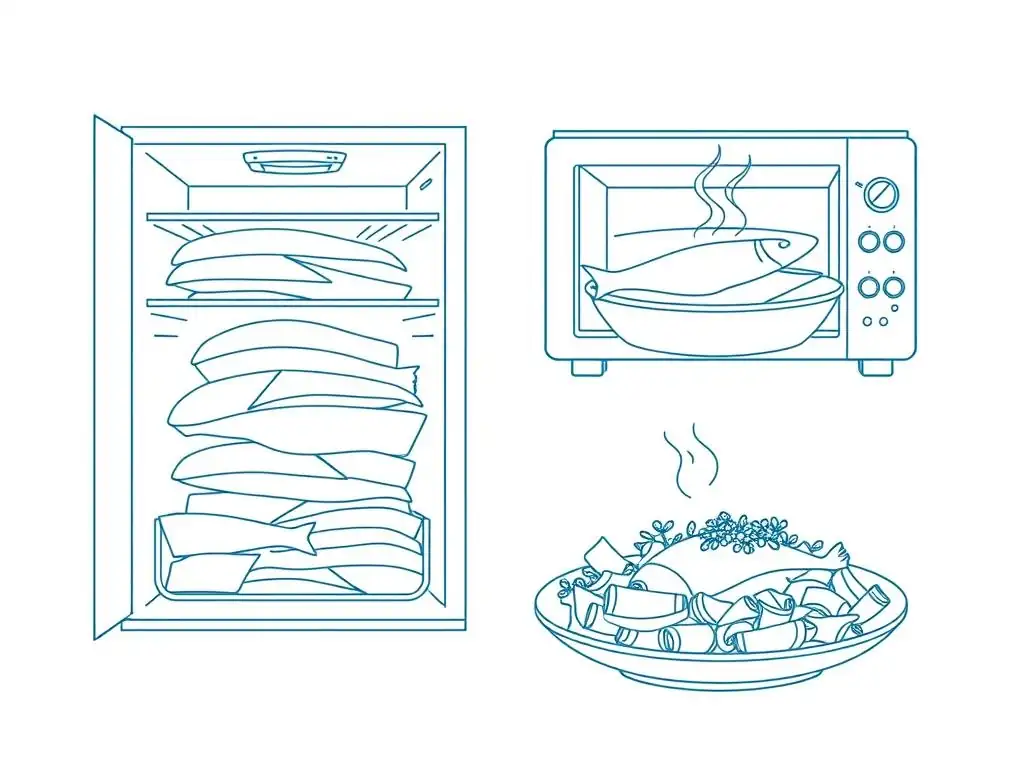
Preparing healthy fish meal preps is a fantastic way to boost your omega-3 intake and streamline your weekly meals. However, proper storage and reheating are crucial to maintaining both the nutritional value and the delicious taste of your culinary creations. Let's dive into the best practices.
Proper Storage Techniques to Maintain Freshness
Storing your prepped fish meals correctly is paramount to preventing spoilage and maintaining optimal freshness. The key is to minimize exposure to air and maintain a consistently cool temperature. Here's a breakdown of effective strategies:
- Airtight Containers: Use airtight containers made of glass or BPA-free plastic. These prevent oxidation, which can lead to rancidity and a loss of flavor. Ensure the containers are completely sealed before refrigeration.
- Shallow Containers: Opt for shallow containers to facilitate even cooling. Thick layers of food take longer to cool, increasing the risk of bacterial growth.
- Refrigeration Temperature: Maintain a refrigerator temperature of 40°F (4°C) or lower. Regularly check your refrigerator temperature using a thermometer to ensure it's within the safe range. This is crucial for preventing the growth of harmful bacteria.
- FIFO Method: Employ the "First In, First Out" (FIFO) method. Place newly prepared meals at the back of the refrigerator and bring older meals to the front to ensure they are consumed first.
- Labeling: Clearly label each container with the date of preparation. This helps you track the age of your meals and prioritize consumption. Include the type of fish and any other relevant details to simplify meal selection.
Reheating Your Meals Without Compromising Quality and Taste
Reheating fish improperly can lead to a dry, tough, and unappetizing texture. Follow these guidelines to ensure your reheated fish meals remain moist, flavorful, and enjoyable:
- Microwave Reheating: If using a microwave, cover your container with a microwave-safe lid or damp paper towel to retain moisture. Heat in short bursts, stirring in between, to prevent overcooking and uneven heating. Consider adding a splash of water or lemon juice to the container before reheating to enhance moisture retention.
- Stovetop Reheating: Gently reheat your fish in a skillet over low to medium heat, adding a small amount of liquid like broth or white wine to prevent sticking and dryness. This method is ideal for preserving the delicate texture of the fish.
- Oven Reheating: For oven reheating, place your fish in an oven-safe dish, cover with foil, and bake at a low temperature (around 300°F or 150°C) until heated through. This method is best suited for larger portions or meals containing other ingredients that benefit from oven reheating.
- Avoid Overheating: Overheating fish will make it dry and tough. Always heat the meal thoroughly to a safe internal temperature of 145°F (63°C), but avoid excessive cooking time.
Freezing Fish for Long-Term Meal Prepping
Freezing allows you to extend the shelf life of your healthy fish meal preps significantly, providing a convenient source of nutritious meals for weeks or even months. Here’s how to freeze fish effectively:
- Portioning: Portion your meals into individual or family-sized containers before freezing. This makes it easier to thaw and reheat only the amount needed.
- Freezing Containers: Use freezer-safe containers or heavy-duty freezer bags, ensuring they are airtight to prevent freezer burn. Label each container clearly with the date and contents.
- Rapid Freezing: For optimal quality, aim for rapid freezing. This minimizes the formation of large ice crystals that can damage the fish's texture upon thawing. Consider using a flat, shallow container to facilitate faster freezing.
- Thawing: Thaw frozen fish meals in the refrigerator overnight or using the defrost setting on your microwave. Avoid thawing at room temperature to minimize bacterial growth. Once thawed, consume the meal within 24 hours.
Remember, proper storage and reheating are crucial steps in maximizing the benefits of your healthy fish meal prep. By following these guidelines, you can enjoy delicious and nutritious meals while minimizing food waste and maximizing convenience. Happy prepping! 🐠
Overcoming Common Fish Meal Prep Challenges
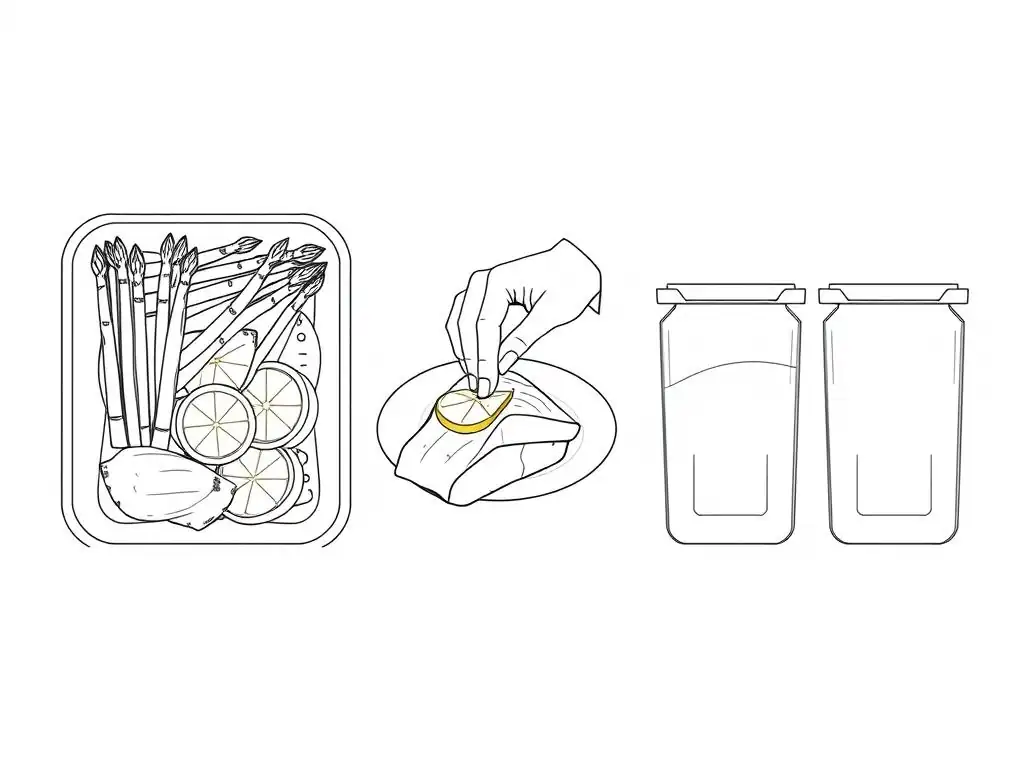
Preparing fish for the week ahead can seem daunting, but with a few strategies, you can easily overcome common obstacles and enjoy delicious, healthy meals all week long. Many people avoid fish meal prepping due to perceived difficulties, but these are easily addressed with the right approach. This section will equip you with the knowledge and techniques to make fish meal prepping a breeze. Mastering these challenges will unlock a world of healthy, omega-3-rich meals, perfectly aligned with your "healthy fish meal prep recipes" goals.
Dealing with Fishy Odors: Tips and Tricks
The lingering smell of fish is a major deterrent for many home cooks. However, a few simple techniques can minimize or eliminate this issue completely. Firstly, proper storage is key. Immediately after cooking, allow the fish to cool completely before sealing it in airtight containers.
Consider using reusable silicone bags for even better odor control. Secondly, thorough cleaning of your cooking equipment is crucial. Wash all utensils, pans, and cutting boards immediately after use with hot, soapy water. A final rinse with a solution of baking soda and water can neutralize lingering odors.
Finally, consider using natural odor absorbers such as white vinegar or lemon juice in your kitchen to help freshen the air. Place a bowl of vinegar or lemon juice in the room where you're preparing or storing the fish, and allow it to sit for several hours. You'll be amazed at the difference! Remember, prevention is key – starting with fresh, high-quality fish will significantly reduce the potential for strong odors.
Managing Leftovers Effectively: Avoiding Waste
Planning ahead is crucial to avoid food waste when meal prepping fish. Accurate portioning is the first step. Prepare individual containers with the exact amount of fish you intend to consume in a single meal. This prevents over-portioning and minimizes the chance of leftovers spoiling. Furthermore, consider freezing portions of your prepared fish for later use.
Properly freezing fish preserves its quality and extends its shelf life significantly. Ensure you use freezer-safe containers and label them with the date of freezing. Finally, think creatively about repurposing leftovers. Flaked fish can be easily incorporated into salads, omelets, or pasta dishes, preventing waste and adding a nutritious boost to other meals. With careful planning and smart storage, you can minimize food waste and maximize the benefits of your healthy fish meal prep.
Adapting Fish Recipes to Dietary Restrictions and Preferences
The beauty of fish meal prepping lies in its adaptability. Whether you're vegetarian, vegan, gluten-free, or have other dietary needs, you can easily adjust your recipes to accommodate these restrictions. For example, a vegetarian or vegan individual can substitute the fish with plant-based alternatives like tofu or tempeh, which can be prepared in similar ways. For gluten-free diets, ensure all your sauces and seasonings are gluten-free.
If you are following a low-sodium diet, opt for fresh herbs and spices instead of relying heavily on salty sauces. Similarly, if you prefer milder flavors, you can reduce the intensity of spices or marinades. Always check the nutritional information on any prepared sauces or seasonings to ensure they align with your dietary goals.
Remember, the key is flexibility and creative substitution to ensure your meal prep remains both healthy and enjoyable, regardless of your dietary preferences. This allows for a more inclusive approach to "healthy fish meal prep recipes" and caters to a wider audience. 🐠
Beyond the Basics: Expanding Your Fish Meal Prep Repertoire
This section dives deeper into maximizing your fish meal prep, moving beyond simple recipes to explore diverse techniques and integrations for a more exciting and nutritious weekly plan. We'll cover cooking methods, creative recipe integration, and even a sophisticated recipe to challenge your culinary skills while sticking to the principles of efficient meal preparation. The key is to make healthy fish meal prep recipes a sustainable part of your lifestyle, not a chore.
Exploring Different Cooking Methods: Grilling, Baking, Poaching
Simply boiling or microwaving fish can lead to a bland experience. To elevate your healthy fish meal prep recipes, experiment with various cooking methods. Grilling imparts a smoky char and enhances the natural flavors of fatty fish like salmon or tuna. For example, marinate salmon fillets in a soy sauce, ginger, and garlic mixture for 30 minutes before grilling to perfection. This adds a delicious Asian twist to your meal prep.
Baking offers a healthier alternative to frying, retaining moisture while allowing for crispy skin. Cod or tilapia baked with lemon, herbs, and a sprinkle of sea salt are incredibly versatile and can be incorporated into salads or served with roasted vegetables.
Poaching is a gentle method ideal for delicate fish like sole or flounder. Poaching in a flavorful broth infused with white wine, dill, and peppercorns creates a light and elegant dish, perfect for a quick and healthy lunch. Remember to poach the fish until it's just cooked through to retain its texture.
Consider these cooking times as a guideline, and always check for doneness with a fork:
| Fish Type | Grilling Time (min) | Baking Time (min) | Poaching Time (min) |
|---|---|---|---|
| Salmon | 4-6 | 15-20 | 6-8 |
| Tuna | 3-5 | 12-15 | 5-7 |
| Cod | 5-7 | 18-22 | 7-9 |
| Tilapia | 4-6 | 15-18 | 6-8 |
| Flounder/Sole | 3-4 | 10-12 | 4-6 |
Remember to always adjust cooking times based on the thickness of your fish fillets. Overcooked fish is dry and unappetizing! 🐠
Incorporating Fish into Other Meal Prep Categories: Salads, Bowls, etc.
Don't limit your fish to standalone meals. Healthy fish meal prep recipes seamlessly integrate into various meal prep categories. Flaked baked or poached fish adds protein and healthy fats to vibrant salads. Think of a Mediterranean-inspired salad with grilled tuna, Kalamata olives, feta cheese, and a lemon vinaigrette. Or, create a hearty grain bowl with quinoa, roasted vegetables, and pan-fried cod.
Leftover fish can also be used in fish tacos, or added to omelets for a quick and easy breakfast. The possibilities are endless! This flexibility minimizes food waste and maximizes the nutritional benefits of your meal prep.
Advanced Fish Recipe: Pan-Seared Swordfish with Mango Salsa and Coconut Rice
This recipe elevates your fish meal prep game. It's a flavorful and impressive dish that showcases the versatility of swordfish.
Ingredients:
- 2 swordfish steaks (about 6 oz each)
- 1 ripe mango, diced
- 1/2 red onion, finely chopped
- 1/4 cup chopped cilantro
- 2 tbsp lime juice
- 1 jalapeño, seeded and minced (optional)
- 1 cup coconut milk
- 1 cup basmati rice
- Salt and pepper to taste
Instructions:
- Prepare the coconut rice according to package directions, substituting coconut milk for water.
- Make the mango salsa by combining diced mango, red onion, cilantro, lime juice, and jalapeño (if using). Season with salt and pepper.
- Season the swordfish steaks with salt and pepper. Heat olive oil in a pan over medium-high heat. Sear the swordfish for 3-4 minutes per side, or until cooked through.
- Serve the seared swordfish over coconut rice, topped with the mango salsa.
This recipe demonstrates how to create a sophisticated and healthy meal prep option without sacrificing time or effort. The vibrant flavors and textures make it a satisfying and enjoyable meal. Remember to adjust spice levels to your preference. 🔥
Frequently Asked Questions
How many meals can I prepare with one batch of fish?
You can typically prepare 3-4 meals from a single batch of fish, depending on the portion size you prefer. This makes meal prepping incredibly efficient.
What are some healthy ways to cook fish for meal prepping?
Baking, steaming, and pan-frying are excellent methods for preparing fish while retaining its nutritional value. Avoid deep-frying to minimize added unhealthy fats.
Are there any good recipes for meal prepping fish on UltimateLifeHacks?
Yes! UltimateLifeHacks offers a variety of healthy fish meal prep recipes featuring various cooking methods and flavor profiles to suit your preferences. Check out our recipe section.
How long can I store prepped fish in the refrigerator?
Properly stored cooked fish will last in the refrigerator for 3-4 days. Ensure it's stored in airtight containers to maintain freshness and prevent bacterial growth.
What are the benefits of including fish in my meal prep routine?
Fish is a great source of lean protein and Omega-3 fatty acids, crucial for heart health and overall well-being. Including it in your meal prep ensures consistent intake of these essential nutrients.
Final Reflection: Nourishing Body and Mind Through Conscious Meal Prep
The conscious choice to incorporate fish into our weekly meal plans is not merely a dietary decision; it's a powerful investment in our long-term health and well-being. The abundance of Omega-3 fatty acids and other vital nutrients found in fish offers unparalleled benefits for brain function, heart health, and overall vitality, making it a cornerstone of a balanced diet. This is especially crucial in our fast-paced modern world where convenient, yet often less healthy, options dominate our food choices.
The impact of readily available, healthy meal prep options, like those featuring fish, cannot be overstated. It's a subtle yet profound shift in our cultural landscape, moving away from the pervasive "quick fix" mentality towards a more mindful approach to nutrition. This conscious effort to prioritize our health reflects a growing awareness of the interconnectedness between what we eat and how we feel. Take care of your body. It's the only place you have to live.
– Jim Rohn. This quote perfectly encapsulates the importance of investing in our health through informed dietary choices, and meal prepping with fish is a tangible step in that direction.
Now, consider your own plate. What steps can you take this week to incorporate more fish into your diet? Perhaps try one of the recipes outlined in this article, or explore new and exciting ways to prepare your favorite fish. Remember, every conscious choice you make, every healthy meal you prepare, is a step towards a healthier, more vibrant you. Embrace the journey towards nourishing your body and mind – one delicious, Omega-3-rich meal at a time.
Unlock Your Omega-3 Potential: Start Meal Prepping Today!
This week, put your new knowledge of healthy fats and delicious fish into action by creating nutritious and satisfying meals. Ready to get started?
- Begin your first fish-focused meal prep session. Choose one of the recipes discussed and give it a try! Experiment with different variations and find your favorites.
- Share your culinary creations on social media using #UltimateLifeHacksFishPrep – let's inspire each other!
- This week, try incorporating fish into one of your favorite recipes. Notice how much more flavorful and nutritious your usual meal becomes.
What's your favorite way to incorporate healthy fats into your diet, and which fish dish are you most excited to prepare?