
The Ultimate Guide to the Pomodoro Technique: A StepbyStep Approach


Dive into the world of UltimateLifeHacks and unlock your hidden potential! Are you ready to conquer your to-do list and reclaim your time? We'll show you how. This site is dedicated to practical strategies for boosting productivity and simplifying your life. Start your journey with our in-depth, step-by-step guide to the Pomodoro Technique, a revolutionary method guaranteed to transform your workflow. Discover the secrets to mastering this powerful productivity hack and experience the difference today!
- Understanding the Pomodoro Technique: A Time Management Revolution
- Getting Started with the Pomodoro Technique: A Step-by-Step Guide
- Optimizing Your Pomodoro Technique Workflow
- Advanced Pomodoro Technique Strategies for Maximum Efficiency
- The Pomodoro Technique for Different Professionals
- Conclusion: Mastering the Pomodoro Technique for Long-Term Success
- Frequently Asked Questions
- Final Reflection: Mastering Time, Mastering Life Through the Pomodoro Technique
- Unlock Your Productivity Power: Master the Pomodoro Technique Today!
Understanding the Pomodoro Technique: A Time Management Revolution
The Pomodoro Technique is a simple yet powerful time management method designed to enhance focus and productivity. It's based on the idea that working in short, focused bursts, interspersed with short breaks, can significantly improve concentration and reduce mental fatigue. This technique isn't just a trendy productivity hack; it's a scientifically-backed approach that has helped countless individuals and teams boost their efficiency and achieve more in less time.
This ultimate guide will provide you with a step-by-step approach to mastering the Pomodoro Technique, equipping you with the tools to optimize your workflow and conquer your to-do list. We'll explore its core principles, delve into the science behind its effectiveness, and provide practical tips to ensure you integrate it seamlessly into your daily routine. Get ready to revolutionize your time management and unlock your true potential!
What is the Pomodoro Technique? A Simple Explanation
The Pomodoro Technique is fundamentally about working in intervals. The core principle involves setting a timer for 25 minutes of focused work, followed by a 5-minute break. This 25-minute work interval is called a "Pomodoro." After completing four Pomodoros, you then take a longer break, typically 15-20 minutes. The key is undivided attention during the work period.
Minimize distractions, silence notifications, and dedicate yourself completely to the task at hand. This concentrated effort, followed by scheduled breaks, allows for sustained focus and prevents burnout. Think of it as training your brain to work in intense bursts, followed by periods of rest and recovery. The structured nature of the technique provides a framework for consistent productivity, making it particularly effective for tasks that require sustained concentration. It’s a flexible method that can be adapted to suit various work styles and preferences.
Benefits of Using the Pomodoro Technique for Productivity
The Pomodoro Technique offers a multitude of benefits for boosting productivity and improving focus. Studies have shown that incorporating short breaks significantly enhances cognitive function and prevents mental fatigue. Here are some key advantages:
- Improved Focus and Concentration: The structured intervals encourage deep work, minimizing distractions and maximizing concentration.
- Enhanced Time Management: The technique helps you become more aware of how you spend your time, leading to better time management skills.
- Reduced Procrastination: The short, manageable work intervals make large tasks less daunting, reducing the likelihood of procrastination.
- Increased Efficiency: By working in focused bursts, you can accomplish more in less time, leading to increased overall efficiency.
- Better Task Management: Breaking down larger tasks into smaller, more manageable Pomodoros makes them less overwhelming and easier to tackle.
- Reduced Stress and Burnout: Regular breaks prevent mental fatigue and reduce stress levels, leading to a more sustainable work approach.
The Science Behind Focused Work Intervals and Short Breaks
The effectiveness of the Pomodoro Technique is rooted in scientific principles of attention and cognitive function. Our brains aren't designed for continuous, high-intensity focus. Short, focused bursts of work, followed by periods of rest, allow the brain to optimize its performance. The breaks are crucial; they allow for:
- Mental Restoration: Breaks help reduce mental fatigue and restore cognitive resources, preventing burnout and improving overall performance.
- Improved Memory Consolidation: Short breaks allow for the consolidation of information learned during the focused work periods, improving memory and retention.
- Reduced Stress Hormones: Regular breaks help regulate stress hormones, reducing stress levels and improving overall well-being. This is crucial for maintaining long-term productivity and preventing burnout.
- Increased Creativity: Breaks can stimulate creativity and allow for new perspectives on challenging tasks. Stepping away from the work allows for a fresh perspective when you return.
The Pomodoro Technique leverages these scientific principles to create a sustainable and effective approach to work, maximizing both productivity and well-being. The cyclical nature of focused work and restorative breaks optimizes cognitive function, leading to significant improvements in overall efficiency and output.
Getting Started with the Pomodoro Technique: A Step-by-Step Guide
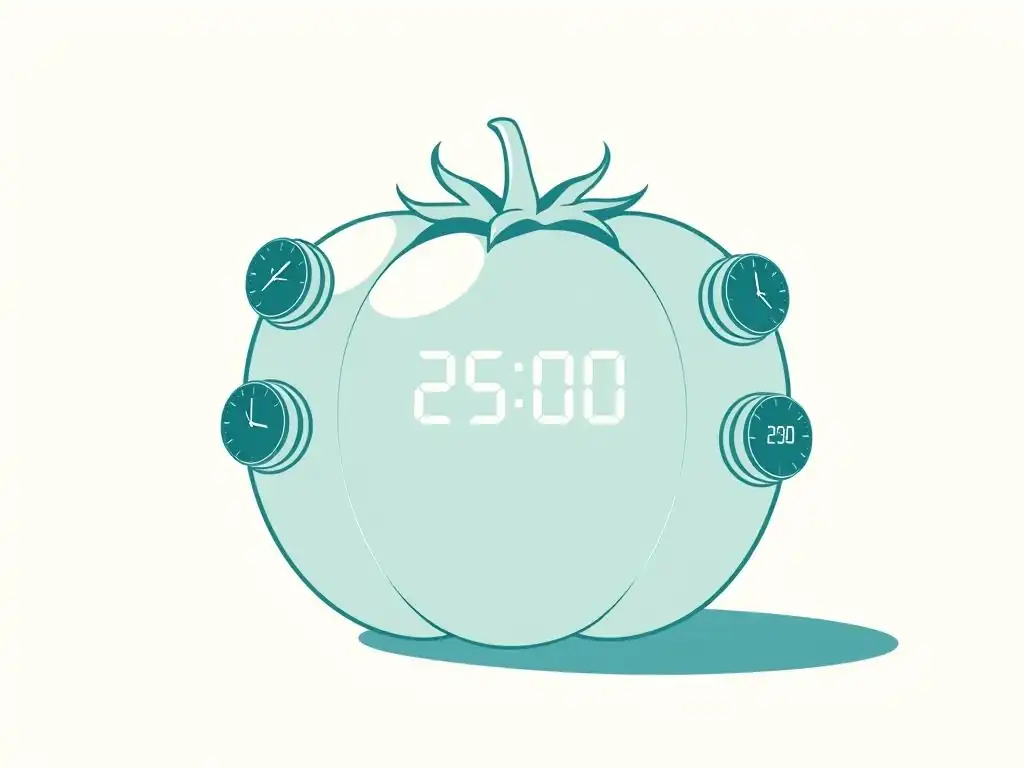
This section provides a detailed, step-by-step guide to implementing the Pomodoro Technique, a popular time management method that can significantly boost your productivity. We'll break down the process into manageable steps, making it easy for even beginners to master this powerful technique. Remember, consistency is key to seeing results with the Pomodoro Technique. This method is about focused work sprints punctuated by short breaks, leading to improved concentration and reduced burnout.
Step 1: Choose Your Task and Set a Timer for 25 Minutes
The first step in any Pomodoro session is task selection. Don't try to tackle a massive project all at once. Instead, choose a specific, manageable task. For example, instead of "write my report," choose "outline the introduction to my report." This focused approach is crucial for maintaining concentration during the 25-minute work interval (also known as a "Pomodoro").
Once you've chosen your task, set a timer for 25 minutes. Many apps and websites offer Pomodoro timers, providing visual cues and notifications. Some people prefer using a simple kitchen timer, while others utilize specialized Pomodoro apps that track your progress and provide analytics. The key is to use a timer that works for you and that you'll consistently use. The 25-minute interval is a good starting point. You can adjust the length as needed once you get comfortable with the technique.
Step 2: Work on Your Chosen Task with Undivided Attention
This is where the real work begins! For the next 25 minutes, dedicate your full attention to the task you selected. Minimize distractions as much as possible. Turn off notifications on your phone and computer, close unnecessary tabs, and let your colleagues know you'll be unavailable for a short period. Avoid multitasking; focus solely on the task at hand.
It's normal to experience distractions during a Pomodoro. If you find your mind wandering, gently redirect your focus back to the task. Don't beat yourself up over minor interruptions; simply acknowledge them and return to your work. The goal is to achieve a state of deep, focused work for the duration of the timer. This focused effort is what makes the Pomodoro Technique so effective for improving productivity and completing tasks. Regular practice enhances your ability to concentrate.
Step 3: Take a 5-Minute Break: Rest and Recharge
Once the timer goes off, it's time for a well-deserved break! This 5-minute break is crucial for preventing burnout and maintaining focus throughout your workday. Use this time to step away from your work. Get up and stretch, grab a drink of water, or take a quick walk around the office. You could also listen to a short song, or even just close your eyes and take a few deep breaths.
Avoid engaging in activities that might stimulate your mind too much during this short break. Checking emails or scrolling through social media might seem like a quick way to relax, but it can actually decrease your ability to refocus on your next task. The aim is to refresh yourself and prepare for the next Pomodoro. A short, restorative break will leave you feeling refreshed and ready to tackle the next 25-minute work sprint. The effectiveness of the Pomodoro Technique hinges on the balance between focused work and short, intentional breaks.
Step 4: Repeat Steps 1-3 for Four Pomodoros
Once you've completed your first Pomodoro, it's crucial to maintain consistency. The real power of the Pomodoro Technique unfolds when you string together several focused work sessions. The recommended approach involves repeating steps 1-3—setting a timer for 25 minutes, concentrating intensely on your task, and taking a short break—for a total of four Pomodoros. This creates a rhythm of focused work punctuated by short rests, preventing burnout and maximizing productivity.
Remember, the key here isn't perfection; it's about establishing a pattern of concentrated effort followed by brief recuperation. Even if you experience minor distractions during a Pomodoro, try to gently redirect your focus back to the task at hand. The short breaks help mitigate the negative effects of these interruptions. Don't get discouraged by minor setbacks; consistency is key to reaping the benefits of this technique.
Think of each completed Pomodoro as a small victory, building momentum towards achieving your larger goals. This cyclical approach allows you to break down large tasks into manageable chunks, making the overall project feel less daunting. Many find that this structured approach significantly improves their concentration and time management skills over time.
Step 5: Take a Longer Break (15-20 Minutes) After Four Pomodoros
After completing four Pomodoros, you've earned a more substantial break. This longer break, typically lasting 15-20 minutes, is essential for effective rest and rejuvenation. This isn't just about passively scrolling through your phone; it's about actively disengaging from work and allowing your mind to wander. Consider using this time for a brisk walk, a quick meditation session, or simply enjoying a cup of tea or coffee away from your workspace.
The purpose is to fully detach from your task, allowing your mind to refresh and prepare for the next set of Pomodoros. This longer break is crucial for preventing mental fatigue and maintaining sustained productivity throughout the day. Failing to incorporate these longer breaks can lead to diminished focus and decreased efficiency in subsequent work sessions. Treat this break as a reward for your focused work, making it something you genuinely look forward to.
This positive reinforcement helps solidify the habit and makes the Pomodoro Technique more sustainable in the long run. Experiment with different activities during your longer breaks to discover what works best for you in terms of relaxation and mental restoration. Remember, a well-rested mind is a productive mind.
Optimizing Your Pomodoro Technique Workflow
This section focuses on refining your Pomodoro Technique implementation for maximum efficiency. We'll explore tools and personalized adjustments to truly master this time management strategy. Remember, the Pomodoro Technique isn't a one-size-fits-all solution; its power lies in its adaptability to your individual needs and workflow. Let's delve into the specifics.
Choosing the Right Pomodoro Timer App or Tool
Selecting the right Pomodoro timer app is crucial for a smooth and effective experience. Many free and paid options exist, each with unique features. The best choice depends on your preferences and needs. Some prefer simple, minimalist timers focusing solely on the countdown, while others appreciate advanced features like task management integration, progress tracking, and customizable sounds.
Consider these factors when choosing your Pomodoro timer:
- Simplicity vs. Advanced Features: Do you need a basic timer, or do you want features like integrated task lists, reporting, and cross-platform syncing? A simple timer might be less distracting, while advanced features can enhance organization.
- Platform Compatibility: Ensure the app is available on the devices you use most – desktop, mobile, or both. Seamless transitions between devices are beneficial for maintaining workflow.
- Customization Options: The ability to personalize settings, such as timer length, break duration, and notification sounds, is essential for individual tailoring.
- User Reviews and Ratings: Check app store reviews to gauge other users' experiences and identify potential issues or limitations.
For example, some users might find a simple online timer sufficient, while others benefit from a more comprehensive app that integrates with their project management software. Experiment with a few different options to find the perfect fit for your workflow. The goal is to find a tool that supports your Pomodoro Technique, not hinders it.
Personalizing Your Pomodoro Technique: Adjusting Work and Break Times
The classic Pomodoro Technique uses 25-minute work intervals followed by 5-minute breaks. However, this isn't a rigid formula. Experimentation is key to finding the optimal work-break schedule for your peak productivity.
Consider these adjustments:
- Longer Work Intervals: Some individuals find that longer work intervals (e.g., 30 or 45 minutes) suit their focus patterns better. However, be mindful of the potential for burnout with extended work periods.
- Shorter Work Intervals: If you struggle to maintain focus for 25 minutes, try shorter intervals (e.g., 15 or 20 minutes). This can be particularly beneficial for tasks requiring intense concentration or those prone to frequent interruptions.
- Longer Break Intervals: Adjusting break times is equally important. Instead of a short 5-minute break, you could opt for a longer break (10-15 minutes) after every two or three Pomodoros. This allows for more significant rest and rejuvenation.
- Activity-Based Breaks: Instead of passively resting during breaks, incorporate active recovery. A short walk, stretching, or a quick mindfulness exercise can boost energy and improve focus for the next Pomodoro.
Remember to track your productivity levels with different work-break combinations. This data-driven approach allows you to optimize your Pomodoro Technique for maximum efficiency and minimize fatigue. The key is finding the sweet spot between focused work and adequate rest.
Dealing with Distractions and Maintaining Focus During Pomodoro Sessions
Distractions are the nemesis of the Pomodoro Technique. Minimizing interruptions is crucial for successful implementation. Here's how to combat distractions and stay on task:
- Dedicated Workspace: Create a dedicated workspace free from clutter and distractions. This dedicated space signals your brain it's time to focus.
- Notification Management: Silence or disable notifications on your phone, computer, and other devices during Pomodoro sessions. Consider using "Do Not Disturb" modes or app blockers.
- Website Blockers: Utilize website blockers to prevent access to distracting websites or apps during work intervals. Many free and paid options are available.
- Communication Management: Inform colleagues, family members, or roommates about your Pomodoro sessions and request that they minimize interruptions during those times.
- Mindfulness Techniques: Practice mindfulness techniques to improve focus and reduce stress. Even a few minutes of deep breathing can significantly enhance concentration.
Implementing these strategies will help you navigate distractions effectively and reap the full benefits of the Pomodoro Technique. Remember, consistency and self-awareness are key to mastering this powerful time management tool. By optimizing your workflow and minimizing distractions, you can unlock your productivity potential and achieve more in less time.
Tracking Your Progress and Analyzing Your Productivity
Tracking your Pomodoro sessions is crucial for understanding your work patterns and identifying areas for improvement. Consistent tracking allows you to see trends in your focus, identify time-wasting activities, and refine your Pomodoro technique for optimal effectiveness. Without this data-driven approach, you're essentially working in the dark, making improvements based on guesswork rather than concrete evidence.
Several methods exist for tracking your Pomodoro sessions. Many dedicated apps offer detailed tracking features, automatically recording session durations, breaks, and even task completion. However, a simple pen and paper can be just as effective, particularly for those who prefer a more hands-on approach. The key is consistency; choose a method that you'll actually stick with.
Analyzing your productivity data involves more than simply looking at the number of Pomodoros completed. Pay close attention to the types of tasks you tackled during each session. Were you more productive during morning sessions or afternoon sessions? Did certain tasks consistently require more Pomodoros than anticipated? These insights can inform future Pomodoro scheduling and task prioritization.
For instance, you might discover that complex coding tasks are best tackled in the morning when your focus is sharpest, reserving less demanding tasks like email management for the afternoon. Alternatively, you might find that you consistently underestimate the time required for certain projects, prompting you to allocate more Pomodoros to them in the future.
Don't be afraid to experiment. Try different approaches to your Pomodoro workflow. Perhaps incorporating short micro-breaks within your 25-minute work intervals might prove beneficial. Or maybe extending your breaks slightly could lead to increased focus and reduced burnout. The insights gleaned from tracking and analysis will guide you towards the most effective strategy for your individual needs and work style. Remember, the Pomodoro Technique is a tool; optimizing it requires careful observation and adaptation. The data you collect is your compass, guiding you towards peak productivity.
Advanced Pomodoro Technique Strategies for Maximum Efficiency
This section delves into advanced strategies to maximize the effectiveness of the Pomodoro Technique, moving beyond the basic 25-minute work/5-minute break structure. We'll explore how to adapt and refine your Pomodoro workflow for optimal results. Mastering these techniques will significantly enhance your productivity and time management skills. Remember, the Pomodoro Technique is a framework; adapting it to your specific needs is key to its success.
Combining the Pomodoro Technique with Other Time Management Methods
The Pomodoro Technique isn't a standalone solution; it works synergistically with other time management methods. Integrating it with techniques like the Eisenhower Matrix (urgent/important), the Pareto Principle (80/20 rule), or time blocking can significantly boost your efficiency. For example, you could use the Eisenhower Matrix to prioritize tasks, then allocate specific Pomodoro sessions to each, ensuring you focus on the most crucial activities first. This approach allows for a structured and prioritized workflow. Consider this example:
| Task | Eisenhower Matrix Quadrant | Pomodoro Sessions Allocated |
|---|---|---|
| Finish Project Proposal | Urgent & Important | 4 |
| Respond to Client Emails | Urgent & Not Important | 2 |
| Research New Marketing Ideas | Important & Not Urgent | 3 |
| Organize Desk | Not Urgent & Not Important | 1 |
By combining these methods, you create a highly efficient system that tackles tasks strategically while leveraging the focused work intervals of the Pomodoro Technique. Experiment with different combinations to find what works best for your unique work style and personality. Remember to track your progress and adjust your approach as needed.
Using the Pomodoro Technique for Different Types of Tasks
The Pomodoro Technique's flexibility shines in its adaptability to various task types. While it's excellent for focused work, modifying the timer length can optimize its effectiveness for different activities. For instance, highly creative tasks might benefit from longer work intervals (e.g., 45 minutes) with slightly longer breaks, while detailed, meticulous tasks might require shorter intervals (e.g., 15 minutes) to maintain concentration. Even mundane tasks can benefit from the structured approach, improving focus and reducing procrastination.
Consider these adjustments:
- Highly focused tasks (coding, writing): Try 30-minute work intervals with 5-10 minute breaks.
- Creative tasks (design, brainstorming): Experiment with 45-minute work intervals and 15-minute breaks.
- Repetitive tasks (data entry, filing): Use shorter 15-minute intervals with 3-5 minute breaks. This prevents burnout and maintains consistency.
- Meetings: Use the Pomodoro Technique to structure the meeting agenda, allocating specific time slots for discussion points. This prevents meetings from running over time and improves focus.
Remember to track your progress and adjust the work/break ratio based on your energy levels and task complexity. The key is finding the optimal balance for each task type. Flexibility is crucial for maximizing the Pomodoro Technique's benefits.
Overcoming Common Challenges and Troubleshooting Your Pomodoro Workflow
Even with careful planning, challenges can arise. Procrastination, distractions, and difficulty maintaining focus are common hurdles. Here are some strategies for overcoming these obstacles and troubleshooting your Pomodoro workflow:
- Distractions: Minimize interruptions by turning off notifications, using website blockers, and communicating your need for focused time to colleagues. A "Do Not Disturb" sign can also be helpful!
- Procrastination: Identify the root cause of your procrastination. Is it fear of failure, perfectionism, or simply a lack of clarity on the task? Break down large tasks into smaller, more manageable Pomodoros to make progress feel more attainable.
- Difficulty Focusing: If you find yourself struggling to concentrate, take short mindfulness breaks. A brief stretch, deep breaths, or a quick walk can help refresh your mind and improve focus. Consider adjusting your Pomodoro settings – shorter work intervals might be more effective.
- Lack of Motivation: Reward yourself after completing a set number of Pomodoros. This positive reinforcement can boost motivation and make the process more enjoyable. Celebrate your accomplishments! 🎉
By proactively addressing these common challenges and regularly reviewing your Pomodoro workflow, you can optimize its effectiveness and achieve consistent productivity improvements. Remember, persistence is key! Experimentation and adaptation are essential to perfecting your personalized Pomodoro Technique.
Adapting the Pomodoro Technique to Different Work Styles and Personalities
The Pomodoro Technique, while incredibly effective, isn't a one-size-fits-all solution. Its inherent flexibility allows for customization to suit diverse work styles and personalities. Recognizing your individual preferences and adapting the technique accordingly is crucial for long-term success and sustained productivity.
For example, an individual with a predominantly visual learning style might find it beneficial to incorporate visual aids into their Pomodoro sessions, such as mind maps or color-coded notes, to enhance focus and retention during each 25-minute interval. Conversely, someone with a more kinesthetic learning style might prefer incorporating short bursts of physical activity between Pomodoros, like a quick walk or stretching exercises, to combat sedentary behavior and maintain energy levels.
Understanding your personality type can also significantly impact how you approach the Pomodoro Technique. Individuals with a tendency towards perfectionism might need to consciously adjust their expectations during each Pomodoro. Instead of aiming for flawless completion of a task, they might focus on making consistent progress, even if it means accepting some imperfections.
This shift in mindset can alleviate pressure and prevent burnout, leading to a more sustainable workflow. Conversely, individuals who tend to procrastinate might benefit from setting stricter time limits within each Pomodoro and incorporating accountability measures, such as working with a partner or using a Pomodoro timer app with notification features, to maintain momentum and prevent distractions.
Furthermore, the Pomodoro Technique can be adapted to different work environments and task types. For tasks requiring deep focus and minimal interruptions, a classic 25-minute work interval followed by a 5-minute break is perfectly suitable. However, for tasks involving more frequent context switching or collaborative efforts, adjusting the work and break intervals might be necessary. For instance, a shorter work interval of 15-20 minutes with more frequent, shorter breaks could be more effective in managing the mental fatigue associated with multitasking or frequent interruptions.
Experimentation is key; finding the optimal balance between focus time and breaks depends heavily on the nature of the task and individual preferences. The key is to find a rhythm that works best for you, optimizing your energy and focus throughout the day. This personalized approach ensures the Pomodoro Technique remains a powerful tool for enhancing productivity, regardless of your individual work style or personality.
The Pomodoro Technique for Different Professionals

The Pomodoro Technique, with its structured approach to time management, isn't just for office workers. Its adaptable framework proves incredibly beneficial across various professions, significantly boosting productivity and focus regardless of the specific work environment. Let's explore how different professionals can leverage this technique to optimize their workflows.
Pomodoro Technique for Students: Improving Study Habits and Academic Performance
Students often face the challenge of balancing multiple subjects, assignments, and extracurricular activities. The Pomodoro Technique offers a structured way to tackle these demands. Instead of passively studying for hours, students can break their study sessions into focused 25-minute Pomodoros, followed by short 5-minute breaks. This segmented approach combats mental fatigue and improves concentration.
For example, a student preparing for an exam in History could dedicate a Pomodoro to reviewing specific chapters, another to practicing past papers, and another to creating flashcards. The short breaks in between allow for quick mental resets, preventing burnout and promoting better retention of information. This method is particularly useful for subjects requiring significant memorization or complex problem-solving.
The structured approach encourages mindful study habits, leading to improved academic performance and reduced stress. Many students find that even a single Pomodoro dedicated to a challenging topic yields more results than hours of unstructured, unfocused studying. Moreover, tracking progress using a Pomodoro timer app can provide a sense of accomplishment and motivation, essential for maintaining consistent study habits.
Pomodoro Technique for Remote Workers: Boosting Productivity in a Distributed Environment
Remote work presents unique challenges. Distractions from home life, the lack of a structured office environment, and the blurring of boundaries between work and personal time can all impact productivity. The Pomodoro Technique provides a solution by creating a structured work schedule, even within the flexibility of remote work.
Remote workers can use Pomodoros to tackle specific tasks, such as writing emails, attending virtual meetings, or working on individual projects. The short breaks offer opportunities to stretch, grab a drink, or quickly address personal matters, preventing prolonged periods of inactivity and minimizing the risk of burnout. Tracking Pomodoros throughout the day allows for a clear visualization of work completed, offering a sense of accomplishment and helping to maintain momentum.
The technique also helps remote workers establish clear boundaries between work and personal time, preventing work from spilling over into evenings and weekends. This improved work-life balance contributes to higher overall well-being and increased efficiency during work hours.
For instance, a remote graphic designer could dedicate one Pomodoro to client communication, another to designing a logo, and a third to refining a website layout. The structured approach ensures that even small tasks are approached with focused attention, leading to higher quality work and improved time management.
Pomodoro Technique for Entrepreneurs: Managing Multiple Tasks and Staying Focused
Entrepreneurs often juggle numerous responsibilities, from marketing and sales to product development and customer service. The Pomodoro Technique provides a framework for prioritizing tasks and maintaining focus amidst the chaos. By breaking down large projects into smaller, manageable Pomodoros, entrepreneurs can prevent feeling overwhelmed and maintain a sense of progress.
For instance, an entrepreneur launching a new product might dedicate one Pomodoro to social media marketing, another to writing a blog post, and another to responding to customer inquiries. The short breaks allow for strategic planning and reflection, preventing impulsive decisions and promoting more efficient task management. The technique also helps entrepreneurs avoid task-switching, a common productivity killer.
By dedicating uninterrupted time to each task, they can achieve higher quality work and avoid the mental overhead associated with constantly shifting focus. Consistent use of the Pomodoro Technique can lead to increased efficiency, better time management, and ultimately, greater success in the demanding world of entrepreneurship. Tracking completed Pomodoros can also serve as a valuable metric for measuring progress and identifying areas for improvement in workflow and time allocation.
Conclusion: Mastering the Pomodoro Technique for Long-Term Success
This guide has provided a comprehensive, step-by-step approach to implementing the Pomodoro Technique. Remember, the key to success isn't just understanding the mechanics, but adapting it to your individual needs and consistently applying it. The Pomodoro Technique, while seemingly simple, offers a powerful framework for improving focus, managing time effectively, and ultimately boosting productivity. By understanding its core principles and experimenting with variations, you can unlock its full potential and transform your work habits. Let's delve into how to maintain this momentum and reap the long-term rewards.
Maintaining Consistency and Building a Sustainable Productivity Habit
The Pomodoro Technique, like any new habit, requires dedication and perseverance. Don't expect overnight miracles; consistent effort is crucial for seeing significant improvements in your productivity. Here are some strategies to help you maintain consistency:
- Start Small: Don't try to overhaul your entire workflow at once. Begin by implementing the Pomodoro Technique for a single task or a limited time each day. Gradually increase the duration and the number of Pomodoros as you become more comfortable.
- Track Your Progress: Use a timer, a journal, or a productivity app to monitor your Pomodoro sessions. Tracking your progress allows you to identify patterns, celebrate successes, and make adjustments where needed. Seeing tangible results is incredibly motivating! 🎉
- Find Your Ideal Pomodoro Length: The classic 25-minute work interval may not be optimal for everyone. Experiment with different lengths (e.g., 20 minutes, 30 minutes) to find what works best for your concentration span and the nature of your tasks.
- Integrate it into Your Routine: Schedule your Pomodoro sessions into your daily planner or calendar. Treat them as important appointments that you cannot miss. This will help you prioritize them and avoid interruptions.
- Don't Be Afraid to Adjust: The Pomodoro Technique is a flexible framework. If you find yourself struggling to stick to the schedule, don't be discouraged. Adjust the timing, incorporate short breaks, or change your work environment to find what best suits your needs. Remember, personalization is key!
- Reward Yourself: Celebrate your accomplishments! After completing a set number of Pomodoros, reward yourself with a longer break, an enjoyable activity, or something you've been looking forward to. Positive reinforcement is vital for long-term habit formation.
Long-Term Benefits of Implementing the Pomodoro Technique in Your Daily Routine
Consistent application of the Pomodoro Technique yields numerous long-term benefits that extend beyond immediate productivity gains. These benefits contribute to a more balanced and fulfilling life:
- Improved Focus and Concentration: Regular practice strengthens your ability to concentrate deeply on tasks, reducing distractions and enhancing your overall cognitive performance. This translates to higher-quality work and fewer errors.
- Reduced Stress and Burnout: By incorporating regular breaks, the Pomodoro Technique helps prevent mental fatigue and burnout. This leads to a more sustainable and enjoyable work experience. The structured approach reduces feelings of being overwhelmed.
- Enhanced Time Management Skills: The Pomodoro Technique instills discipline and awareness of your time allocation. You'll learn to estimate task durations more accurately and manage your workload more effectively.
- Increased Productivity and Efficiency: By optimizing your focus and managing your time effectively, you'll accomplish more in less time, freeing up valuable time for other activities. This leads to a significant increase in overall productivity.
- Better Task Prioritization: The Pomodoro Technique encourages you to break down large tasks into smaller, manageable chunks, making them less daunting and easier to prioritize. This promotes a sense of accomplishment and prevents procrastination.
By consistently applying the strategies outlined above and embracing the long-term advantages, you can truly master the Pomodoro Technique and transform your productivity for years to come. Remember, the journey to mastering the Pomodoro Technique is a marathon, not a sprint. Embrace the process, celebrate your progress, and enjoy the rewards of a more focused, productive, and fulfilling life.
Frequently Asked Questions
What is the Pomodoro Technique?
The Pomodoro Technique is a time management method that breaks down work into 25-minute intervals called "pomodoros," separated by short breaks. This structured approach improves focus and productivity by preventing burnout.
How many Pomodoros should I do in a session?
There's no fixed number; it depends on your energy levels and task complexity. Aim for 4-5 Pomodoros before taking a longer break, adjusting as needed. Listen to your body.
What should I do during the short breaks?
Short breaks (typically 5 minutes) should involve restorative activities, like stretching, walking around, or grabbing a drink. Avoid engaging in work-related tasks during these short breaks.
What about the longer breaks?
After completing several Pomodoros (usually 4), take a longer break of 15-20 minutes. This allows for more substantial rest and prevents mental fatigue. Use this time for more substantial breaks.
Is the Pomodoro Technique suitable for everyone?
While effective for many, the Pomodoro Technique's rigid structure may not suit everyone. Experiment to see if it aligns with your work style and preferences. Adapt it to fit your needs.
Final Reflection: Mastering Time, Mastering Life Through the Pomodoro Technique
The Pomodoro Technique isn't just a time management hack; it's a philosophy of focused work interwoven with mindful breaks, a crucial skill in our increasingly demanding world. In a society saturated with distractions and information overload, the ability to concentrate deeply and recharge effectively is no longer a luxury, but a necessity for both personal well-being and professional success. This structured approach offers a tangible path to reclaiming control over our time and energy.
The impact of the Pomodoro Technique extends beyond mere productivity; it fosters a deeper understanding of our own work patterns and energy cycles. It's a journey of self-discovery, revealing our strengths and weaknesses in focus and allowing for adjustments to optimize our workflow. This mindful approach to work resonates deeply with the modern need for balance and intentionality. The key is not to prioritize what's on your schedule, but to schedule your priorities.
– Stephen Covey. This quote perfectly encapsulates the essence of the Pomodoro Technique: it empowers us to actively shape our time, rather than passively reacting to it.
Now, it's your turn. Consider how you can integrate the Pomodoro Technique into your daily life. Experiment with different timer lengths, break activities, and tracking methods to find what works best for you. Don't be afraid to adapt the technique to your unique needs and preferences. Embrace the power of focused work and mindful breaks, and watch as you unlock a new level of productivity, creativity, and overall well-being. The journey to mastering your time starts with a single Pomodoro.
Unlock Your Productivity Power: Master the Pomodoro Technique Today!
Thank you for exploring the Pomodoro Technique! We hope you now understand how this simple method can significantly improve your workflow and concentration. Ready to try it?
Here's how to get started:
- Begin using the Pomodoro Technique immediately: Set a timer for 25 minutes, concentrate on a single task, and then take a 5-minute break. Repeat! This is the core of the method, and experiencing it firsthand is the best way to understand its effectiveness.
- Share your experience: Tell us (or your friends!) about your first Pomodoro session. What task did you complete? Did you notice any improvement in your focus or energy levels? Sharing your progress helps solidify the habit and can inspire others.
- Track your progress and refine your approach: Keep a simple log of your Pomodoro sessions, noting your focus levels and whether the timing felt effective. Adapting the technique to your individual work style is key to its success.
So, what task will you tackle with your first Pomodoro session?