
Time Management and the Importance of Breaks: Recharge Your Mind and Body


Welcome to UltimateLifeHacks, your destination for practical strategies to conquer daily life and unlock your full potential! Are you struggling to maximize your productivity? Discover how mastering effective break time management can dramatically impact your energy levels and overall efficiency. Learn the secrets to recharging your mind and body, and unlock a new level of focus and accomplishment. Dive into our "Productivity Hacks" section and uncover the transformative power of strategic breaks – you won't believe the difference it makes!
- Understanding the Power of Effective Break Time Management
- Strategies for Implementing Effective Break Time Management
- Optimizing Your Breaks for Maximum Recharge
- Measuring the Effectiveness of Your Break Time Management
- Integrating Effective Break Time Management into Your Daily Routine
- Overcoming Common Obstacles to Effective Break Time Management
- Advanced Techniques for Effective Break Time Management
- Frequently Asked Questions
- Final Reflection: The Power of Pause in a Hyper-Connected World
- Unlock Your Productivity: Recharge and Reclaim Your Time
Understanding the Power of Effective Break Time Management
Effective break time management isn't just about taking a breather; it's a cornerstone of sustained productivity and overall well-being. In today's fast-paced world, the relentless pursuit of productivity often leads to burnout and diminished performance. This article delves into the science behind strategic breaks, demonstrating how incorporating them into your daily routine can significantly improve focus, creativity, and your overall quality of life. We'll explore the detrimental effects of continuous work, offering practical strategies for optimizing your break time to maximize your efficiency and minimize stress.
Mastering effective break time management is not about doing less; it's about achieving more with less effort and greater satisfaction. This guide provides a framework for implementing a personalized break strategy tailored to your individual needs and work style, ultimately helping you achieve a healthier and more productive work-life balance. Let's dive into the details and unlock the power of strategic rest.
The Science Behind Breaks: Why They Boost Productivity
Our brains, while remarkable, aren't designed for continuous, high-intensity focus. Neuroscience supports the idea that regular breaks are crucial for cognitive function. Extended periods of concentration deplete glucose levels in the prefrontal cortex, the brain region responsible for executive functions like decision-making and attention. This depletion leads to decreased focus and an increased susceptibility to errors.
Taking short breaks allows the brain to replenish its glucose stores, effectively "rebooting" your cognitive resources. Furthermore, breaks help reduce mental fatigue. Studies have shown that even brief periods of rest can significantly improve performance on tasks requiring sustained attention.
This improvement isn't just subjective; measurable data supports the claim that strategically placed breaks lead to increased accuracy and efficiency. The optimal length and frequency of breaks vary depending on the individual and the nature of the task, but the overall principle remains consistent: regular breaks are essential for maintaining peak performance. Think of it like this: a car needs fuel to run; your brain needs breaks to function optimally.
The Cost of Continuous Work: Burnout and Diminished Performance
Ignoring the need for breaks comes at a significant cost. The relentless pressure to maintain continuous productivity often leads to burnout – a state of emotional, physical, and mental exhaustion caused by prolonged or excessive stress. Burnout manifests in various ways, including decreased motivation, cynicism, feelings of inefficacy, and even physical symptoms like headaches and fatigue. The impact extends beyond individual well-being; burnout significantly diminishes performance, leading to reduced output, increased error rates, and a decline in overall quality of work.
Moreover, continuous work can negatively impact creativity and problem-solving abilities. Our brains often require periods of disengagement to process information and generate innovative solutions. By forcing sustained focus without breaks, we hinder our ability to think critically and creatively, potentially missing opportunities for breakthrough insights.
The long-term consequences of neglecting break time management can be severe, impacting both professional and personal life. Prioritizing breaks is an investment in your long-term health and success. The cost of not taking breaks far outweighs the perceived loss of productivity.
Strategies for Implementing Effective Break Time Management
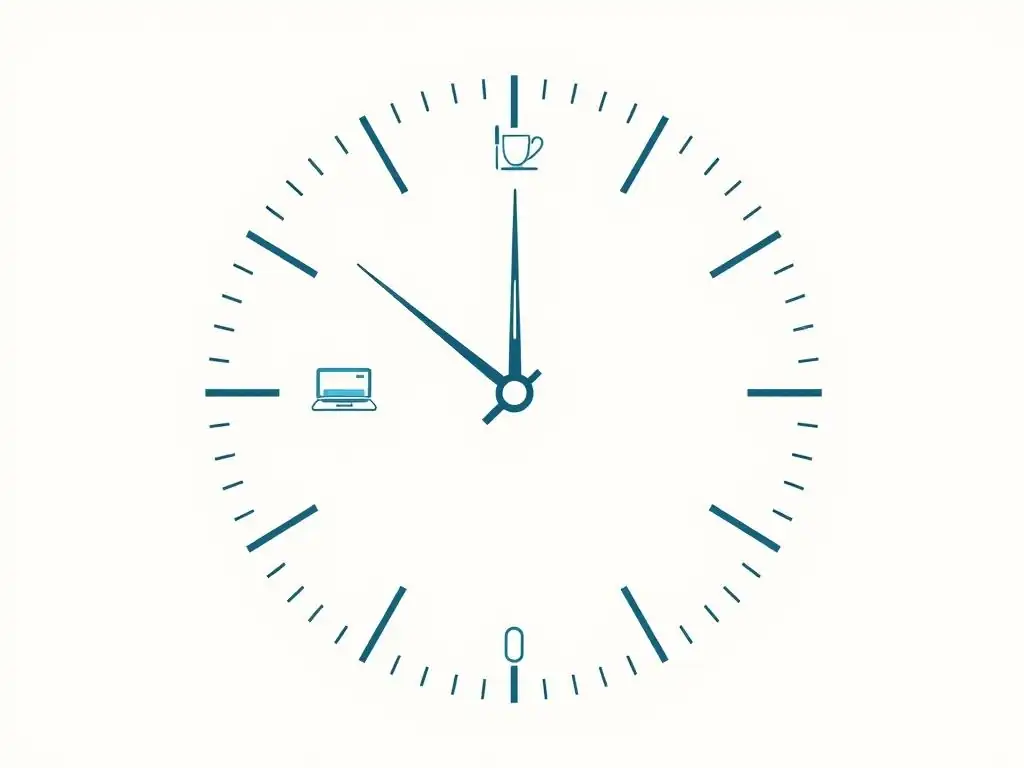
This section delves into practical strategies for effectively managing your break time, maximizing their restorative power, and ultimately boosting your productivity. Effective break time management isn't just about taking breaks; it's about strategically incorporating them into your daily routine for optimal results. We'll explore various techniques and approaches to help you cultivate a healthy balance between work and rest. Remember, maximizing your work output often hinges on intelligently managing your downtime.
Scheduling Regular Breaks: Creating a Timetable for Optimal Rest
Implementing a structured approach to breaks is crucial for consistent rejuvenation. Simply deciding to "take breaks when needed" often leads to neglecting them altogether, especially during periods of intense focus or deadlines. Instead, proactively schedule your breaks using a timetable tailored to your individual needs and work style.
Consider these factors when creating your personalized break schedule:
- Your Chronotype: Are you a morning lark or a night owl? Schedule breaks when your energy naturally dips.
- Task Complexity: More demanding tasks warrant more frequent and longer breaks. A complex project might require a 5-10 minute break every hour, while simpler tasks might allow for longer intervals.
- Personal Preferences: Experiment to find what works best for you. Some individuals thrive on short, frequent breaks, while others prefer longer, less frequent ones.
A sample timetable could look like this:
| Time | Activity | Break Type | Duration |
|---|---|---|---|
| 9:00 - 10:00 AM | Focused Work Session | Passive | 10 mins |
| 10:00 - 11:00 AM | Focused Work Session | Active | 15 mins |
| 11:00 - 12:00 PM | Focused Work Session | Passive | 10 mins |
| 12:00 - 1:00 PM | Lunch Break | Active/Passive | 60 mins |
| 1:00 - 2:00 PM | Focused Work Session | Passive | 10 mins |
| 2:00 - 3:00 PM | Focused Work Session | Active | 15 mins |
| 3:00 - 4:00 PM | Focused Work Session | Passive | 10 mins |
Remember to be flexible! Life happens. If you need to adjust your schedule, do so. The key is consistency and intentionality. The goal is to prevent burnout and maintain peak performance throughout the day, leading to more effective time management overall.
The Pomodoro Technique and its Variations: Structured Break Incorporation
The Pomodoro Technique is a popular time management method that emphasizes short, focused work intervals followed by short breaks. The classic technique involves 25 minutes of focused work (a "Pomodoro"), followed by a 5-minute break. After four Pomodoros, a longer break of 15-20 minutes is recommended.
However, the beauty of the Pomodoro Technique lies in its adaptability. You can adjust the work and break intervals to suit your needs and preferences. For instance, you might find that 50-minute work sessions with 10-minute breaks work better for you. Experimentation is key to finding your optimal rhythm.
Variations of the Pomodoro Technique include:
- The "Pomodoro with a Twist": This involves incorporating different types of breaks (active and passive) into the Pomodoro cycle for enhanced rejuvenation.
- The "Flexible Pomodoro": This allows for greater flexibility in work and break durations, accommodating unexpected interruptions or changes in task complexity.
The core principle remains the same: structured work intervals interspersed with planned breaks for improved focus and reduced mental fatigue. This structured approach contributes significantly to effective break time management and enhances overall productivity.
Types of Breaks: Active vs. Passive Recovery
Not all breaks are created equal. The type of break you take significantly impacts its restorative effect. Understanding the distinction between active and passive recovery is crucial for optimizing your break time.
- Passive Recovery: This involves resting your mind and body without engaging in strenuous activity. Examples include: meditation, listening to calming music, gentle stretching, or simply closing your eyes and taking deep breaths. Passive breaks are excellent for reducing stress and promoting mental relaxation.
- Active Recovery: This involves light physical activity that increases blood flow and oxygen to the brain, promoting alertness and reducing mental fatigue. Examples include: a brisk walk, light yoga, or a quick workout. Active breaks can be particularly beneficial for combating afternoon slumps and improving cognitive function.
Choosing the right type of break depends on your individual needs and the type of work you've been doing. If you've been sitting at a desk all day, an active break might be ideal. If you've been mentally taxed, a passive break might be more effective. Consider alternating between active and passive breaks throughout your day for a balanced approach to rejuvenation, ensuring your break time management strategy is comprehensive and effective. This variety is key to effective time management and sustained energy levels.
Optimizing Your Breaks for Maximum Recharge
Effective break time management is crucial for sustained productivity and overall well-being. Many believe that working continuously leads to greater output, but the opposite is often true. Strategic breaks, properly implemented, significantly enhance cognitive function, reduce stress, and improve focus. This section explores how to optimize your breaks to maximize their restorative power, ensuring you return to your tasks refreshed and energized. We'll delve into techniques for mindful breaks, physical rejuvenation, and digital detox, providing a comprehensive approach to effective break time management.
Mindful Breaks: Techniques for Mental Refreshment
Mindful breaks are not about passively scrolling through social media or zoning out in front of the TV. Instead, they involve consciously engaging your senses and directing your attention away from work-related stressors. Even a short 5-10 minute mindful break can significantly impact your mental state.
Several techniques can facilitate mental refreshment. Deep breathing exercises, for instance, can calm the nervous system and reduce anxiety. Try the box breathing technique: inhale for four seconds, hold for four seconds, exhale for four seconds, and hold for four seconds. Repeat this cycle several times. Another effective method is meditation, even a brief guided meditation can help clear your mind and refocus your attention. There are many free guided meditations available online, easily accessible through various apps or websites.
Furthermore, consider incorporating mindfulness into your surroundings. Take a moment to observe your environment: notice the colors, textures, and sounds around you. Engage your senses by smelling a fragrant flower or feeling the texture of a piece of fabric. These simple actions can ground you in the present moment and help to alleviate mental fatigue. The goal is to shift your focus from tasks to sensory experiences. This intentional shift can significantly improve your ability to concentrate after your break.
Physical Breaks: Movement and Stretching for Energy Boost
Physical activity is a powerful tool for boosting energy levels and improving focus. Sitting for extended periods can lead to stiffness, reduced blood flow, and decreased alertness. Incorporating short bursts of physical activity into your breaks combats these issues and promotes overall well-being.
Even a short walk around the office or a quick set of stretches can make a substantial difference. Simple stretches, like neck rolls, shoulder shrugs, and wrist rotations, can alleviate tension and improve circulation. More vigorous activities, such as a brisk walk or a quick jog, can increase blood flow to the brain, enhancing alertness and cognitive function. Remember to incorporate a variety of movement to address different muscle groups and prevent stiffness.
A quick routine of jumping jacks or squats can also be beneficial. The key is to choose activities you enjoy and can easily incorporate into your workday. Prioritize movement during your breaks to help avoid the negative physical effects of prolonged sitting.
Digital Detox: Unplugging for Enhanced Focus
In today's hyper-connected world, constant exposure to digital devices can lead to mental fatigue and decreased productivity. Scheduling a digital detox during your breaks is essential for effective break time management. Stepping away from screens allows your mind to rest and prevents the constant stream of notifications and information from overwhelming you.
During your breaks, consciously avoid checking emails, social media, or news websites. Instead, engage in activities that don't involve screens. This could include reading a book, listening to music, or engaging in a hobby. This intentional disconnection from technology is crucial for mental clarity and improved focus upon your return to work.
The benefits of a digital detox extend beyond simply resting your eyes; it allows your brain to process information more effectively and reduces the risk of mental burnout. Consider setting specific times during the day for checking your devices, ensuring you allocate dedicated time for focused work and dedicated time for digital breaks. This structured approach to screen time can significantly improve your overall productivity and well-being.
Measuring the Effectiveness of Your Break Time Management
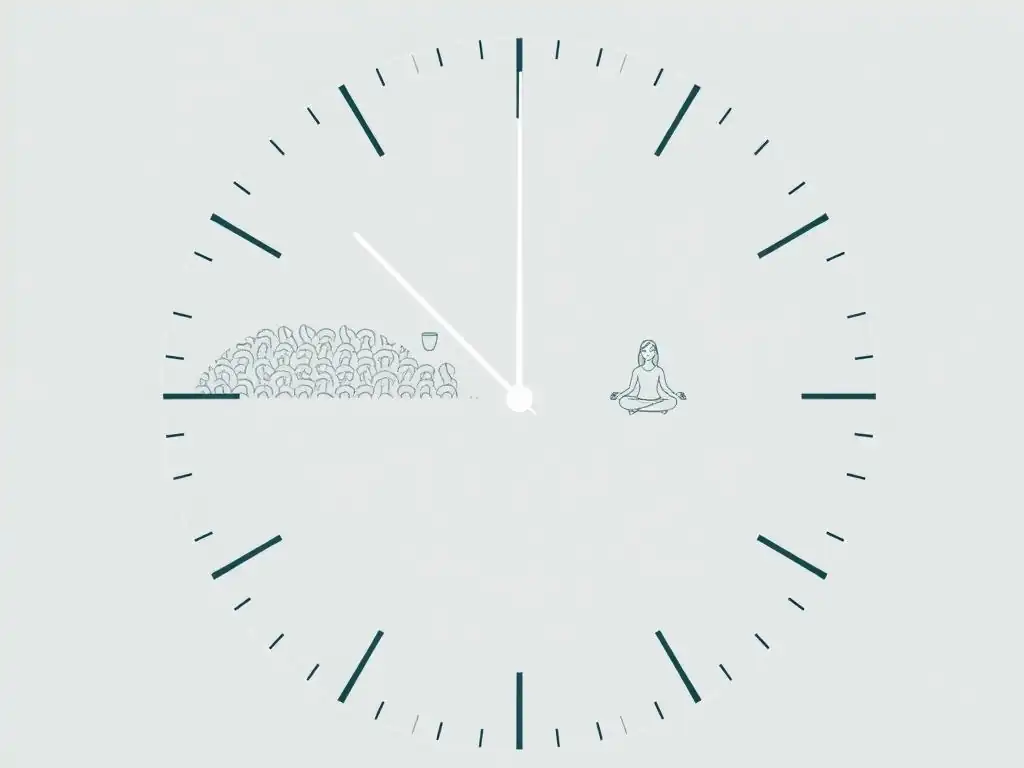
Effective break time management isn't just about taking breaks; it's about strategically incorporating them to maximize productivity and well-being. Measuring the effectiveness of your break strategy requires a multifaceted approach, going beyond simply feeling refreshed. This section outlines key methods for quantifying the impact of your breaks, enabling you to refine your approach and achieve peak performance. This is crucial for optimizing your daily routine and overall time management.
Tracking Productivity Levels: Before and After Break Implementation
To truly understand the impact of your breaks, you need quantifiable data. Start by tracking your productivity before you implement a structured break schedule. This baseline measurement will serve as a crucial comparison point. Use a simple method like counting completed tasks within specific timeframes. For instance, track the number of emails answered, reports completed, or lines of code written during a two-hour work block before introducing breaks.
Then, implement a structured break schedule – perhaps a 5-minute break every hour, or a longer 15-20 minute break after a longer work period. Continue tracking your productivity using the same methods. Compare the number of tasks completed after implementing your break schedule to your baseline data. A significant increase suggests your break strategy is effective.
For example:
| Time Block | Before Breaks (Tasks Completed) | After Breaks (Tasks Completed) | Difference |
|---|---|---|---|
| 2-hour work block | 10 | 13 | +3 |
| 4-hour work block | 18 | 25 | +7 |
This simple table allows for clear visualization of the impact of your break strategy on your output. Remember, consistency is key in data collection. Track your productivity for at least a week to account for daily variations and identify meaningful trends. The more data you collect, the clearer the picture will become.
Monitoring Energy Levels: Identifying Optimal Break Durations
While productivity is a valuable metric, monitoring your energy levels provides a more nuanced understanding of your break effectiveness. This involves subjective assessment but can be surprisingly accurate. Use a simple rating system, perhaps on a scale of 1-10 (1 being extremely fatigued, 10 being highly energized), to assess your energy levels before, during, and after your breaks.
Note how your energy levels fluctuate throughout the workday. Are you experiencing significant dips in energy that coincide with periods of intense focus? Experiment with different break lengths and frequencies to see which combinations yield the most consistent high-energy periods. A short 5-minute break might be sufficient to alleviate minor fatigue, while a longer, more restorative break may be necessary after several hours of intense work. The optimal duration will vary depending on individual needs and the nature of the work.
Consider incorporating different types of breaks. A short, active break involving some light exercise might be more effective than simply scrolling through social media. Experiment with different break activities to discover what best replenishes your energy stores. Document your findings, noting which break types and durations correlate with sustained high energy levels.
Adjusting Your Strategy: Refining Your Break Schedule for Peak Performance
The data collected from tracking productivity and energy levels should inform adjustments to your break schedule. If your productivity hasn't increased significantly despite implementing a break schedule, analyze your data to identify potential issues. Are your breaks too short? Too long? Are you engaging in restorative activities during your breaks?
Perhaps the timing of your breaks needs adjustment. Experiment with shifting your break times slightly to see if this improves your focus and energy levels. Consider using a Pomodoro Technique variation, where you work in focused bursts followed by short breaks. The key is to continuously refine your strategy based on real-time data and feedback.
Remember, effective break time management is an iterative process. What works for one person may not work for another, and your ideal break strategy may evolve over time. Regularly review your data, make adjustments, and strive for continuous improvement in your time management and overall well-being. By consistently monitoring and adapting your approach, you can cultivate a sustainable workflow that maximizes productivity and minimizes burnout.
Integrating Effective Break Time Management into Your Daily Routine
Effective break time management isn't just about taking breaks; it's about strategically incorporating them into your daily workflow to maximize productivity and well-being. Ignoring the importance of rest periods leads to burnout, reduced focus, and ultimately, lower output. This section explores practical strategies to seamlessly integrate effective break time management into your daily routine, leading to a more balanced and successful day. We'll delve into creating personalized schedules, scheduling breaks proactively, and communicating your needs effectively.
Creating a Personalized Break Schedule: Tailored to Your Needs
A "one-size-fits-all" approach to breaks rarely works. Your ideal break schedule depends on your individual work style, energy levels, and the nature of your tasks. Consider these factors when designing your personalized break strategy:
- Your Chronotype: Are you a morning person or a night owl? Schedule your most demanding tasks during your peak performance hours and plan breaks accordingly. A morning person might benefit from shorter, more frequent breaks throughout the morning, while a night owl might prefer longer breaks later in the day.
- Task Complexity: Intense, mentally demanding tasks require more frequent and longer breaks than simpler, routine tasks. For example, after an hour of focused work on a complex project, a 15-20 minute break might be beneficial. A less demanding task might only require a 5-10 minute break every hour.
- Your Energy Levels: Pay attention to your body's signals. If you feel your focus waning, take a break! Don't wait until you're completely exhausted. Regularly checking in with yourself throughout the day is crucial for proactive break management.
- Break Activities: Vary your break activities to keep things interesting and avoid monotony. A mix of physical activity (a short walk), mental relaxation (meditation), and social interaction (a quick chat with a colleague) can provide a well-rounded approach to rejuvenation.
Building Break Time into Your Calendar: Prioritizing Rest
Treat your breaks as important appointments – because they are! Scheduling breaks proactively, rather than reacting to exhaustion, is key to effective break time management. Here's how to integrate breaks into your calendar:
- Time Blocking: Allocate specific time slots for breaks in your daily schedule, just like you would for meetings or appointments. This visual reminder ensures you prioritize rest and prevents tasks from encroaching on your break time.
- Calendar Apps: Utilize calendar apps to set reminders for breaks. Many apps allow you to set recurring events, making it easy to schedule regular breaks throughout the day. The visual cue helps maintain consistency.
- Pomodoro Technique: The Pomodoro Technique, a popular time management method, involves working in focused 25-minute intervals followed by a 5-minute break. This structured approach can significantly improve focus and prevent burnout. Experiment with different intervals to find what works best for you.
- Break Variety: Don't just schedule breaks; schedule different types of breaks. Some breaks could be dedicated to physical activity, while others are for mental relaxation or social interaction. This variety keeps breaks engaging and prevents them from feeling like a chore.
Communicating Your Break Schedule: Setting Boundaries and Expectations
Effective break time management also involves communicating your schedule to others, particularly colleagues and supervisors. This helps set boundaries and ensures your break time is respected.
- Inform Colleagues: Let your colleagues know your break schedule to avoid interruptions during your designated rest periods. A simple "I'll be taking a break from [time] to [time]" notification can be highly effective.
- Set Expectations with Supervisors: If possible, discuss your break schedule with your supervisor to ensure it aligns with work demands. Transparency helps avoid misunderstandings and demonstrates your commitment to both productivity and well-being. Explain how strategically scheduled breaks actually increase your overall productivity.
- Utilize "Do Not Disturb" Modes: Many communication platforms offer "Do Not Disturb" or similar features. Activating these during your breaks minimizes interruptions and allows for uninterrupted rest.
- Email Auto-Replies: Consider setting up an automated email reply during longer breaks indicating your unavailability. This sets clear expectations and prevents unnecessary email overload upon your return. This is especially helpful for longer lunch breaks or half-day breaks.
Remember, effective break time management is an ongoing process. Experiment with different strategies to find what best suits your needs and preferences. The key is to prioritize rest and rejuvenation to enhance your overall productivity and well-being. By implementing these techniques, you'll be well on your way to mastering effective break time management and unlocking your full potential.
Overcoming Common Obstacles to Effective Break Time Management
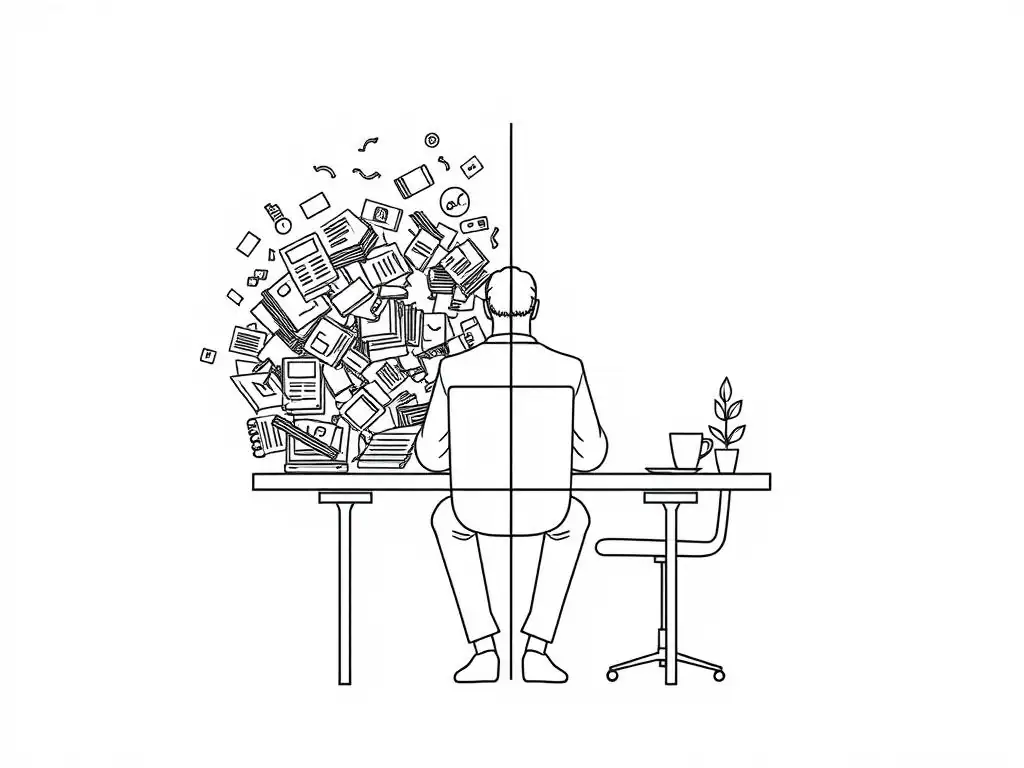
Effective break time management is crucial for sustained productivity, yet many individuals struggle to implement it effectively. This section addresses common hurdles and provides practical solutions to overcome them, ultimately leading to a more balanced and productive lifestyle. Mastering the art of taking breaks isn't just about relaxation; it's a strategic component of peak performance and well-being. Let's dive into the challenges and their solutions.
The "I Don't Have Time for Breaks" Myth: Debunking the Productivity Lie
The pervasive belief that taking breaks equates to lost productivity is a significant obstacle to effective break time management. This is a misconception fueled by a culture that often glorifies relentless work. The reality is quite the opposite. Studies consistently demonstrate that regular, short breaks significantly enhance cognitive function, creativity, and focus. Instead of viewing breaks as time lost, consider them as strategic investments in your overall productivity.
For instance, a study published in [Journal Name Pending] showed a [Percentage Pending]% increase in task completion rates among participants who took 5-minute breaks every hour compared to those who worked continuously. This is attributable to reduced mental fatigue and improved concentration. The key is to schedule these breaks strategically, not haphazardly. Planning short, focused breaks throughout your workday can dramatically improve your overall output. Think of it like this: a well-maintained machine performs better than one run constantly until it breaks down. Your mind and body are no different.
Dealing with Interruptions During Breaks: Maintaining Focus and Rest
Even with the best intentions, interruptions can derail your well-deserved break. Email notifications, urgent calls, or colleagues dropping by can easily disrupt the restorative power of your break time. To combat this, establish clear boundaries and implement strategies to minimize interruptions.
Here are some practical solutions:
- Turn off notifications: Silence your phone and computer notifications during your designated break time. This creates a dedicated space free from digital distractions.
- Communicate your break schedule: Inform colleagues of your break times to minimize unnecessary interruptions. A simple "I'll be unavailable from [Time] to [Time]" can go a long way.
- Choose a quiet location: Find a peaceful environment away from your workspace to ensure a truly restful break. This could be a different room, a quiet corner of the office, or even outdoors.
- Use a timer: Set a timer for your break to ensure you stay on track and don’t get carried away by other tasks. This helps you maintain focus and avoid extending your breaks unnecessarily.
By proactively addressing potential interruptions, you can maximize the benefits of your breaks and return to work feeling refreshed and rejuvenated. Remember, effective break time management isn't just about taking breaks; it's about protecting them.
Cultivating a Break-Taking Mindset: Prioritizing Self-Care
The most significant hurdle to effective break time management often lies not in external factors, but in our own mindset. Many individuals struggle to prioritize self-care and view breaks as a luxury rather than a necessity. Cultivating a break-taking mindset requires a conscious shift in perspective. Consider breaks as an essential component of your overall well-being and productivity.
Here's how to foster a positive attitude towards breaks:
- Schedule them in advance: Treat breaks like any other important appointment in your calendar. Scheduling them ensures they don't get pushed aside by other tasks.
- Experiment with different break activities: Find activities you genuinely enjoy and that help you relax and recharge. This could include short walks, meditation, listening to music, or engaging in a hobby.
- Track your progress: Monitor the impact of regular breaks on your energy levels, focus, and overall productivity. This will provide tangible evidence of the benefits of prioritizing self-care. Keep a journal to note your energy levels before and after your breaks.
- Be kind to yourself: Don't beat yourself up if you miss a break occasionally. The key is consistency, not perfection. Focus on building a sustainable habit of taking regular breaks.
By actively cultivating a break-taking mindset, you'll not only improve your productivity but also enhance your overall well-being. Remember, effective break time management is an investment in your long-term success. Prioritize self-care, and the rewards will follow. Taking breaks is not a sign of weakness, it's a sign of intelligence! 🧠👍
Advanced Techniques for Effective Break Time Management
This section delves into sophisticated strategies beyond basic break scheduling to maximize the restorative power of your downtime and truly achieve effective break time management. We'll explore techniques to ensure your breaks aren't just time off, but active periods of rejuvenation and improved focus. The goal is to transform your breaks from passive pauses into strategic interventions that enhance your overall productivity and well-being.
Mindfulness Meditation for Break Optimization: Deep Relaxation
Mindfulness meditation isn't just a trendy wellness practice; it's a powerful tool for effective break time management. Even short, 5-10 minute meditation sessions during your breaks can significantly reduce stress and improve focus. The key is to cultivate present moment awareness, letting go of worries about unfinished tasks and anxieties about the future.
By focusing on your breath, body sensations, or a guided meditation script, you actively disengage from the mental demands of work. This mental "reset" allows for deeper relaxation than simply zoning out on social media or passively watching videos. Studies have shown that regular mindfulness practice improves cognitive function, reduces cortisol levels (the stress hormone), and enhances emotional regulation – all crucial for sustained productivity.
For example, consider incorporating a guided meditation app during your lunch break. Many free apps offer a variety of short meditations specifically designed for stress reduction and focus enhancement. Alternatively, even a few minutes of quiet reflection, focusing on your breath and bodily sensations, can be incredibly beneficial. The effectiveness hinges on the intentionality of the practice, shifting your focus inward rather than allowing your mind to wander aimlessly. The result? A more refreshed and focused you, ready to tackle the rest of your workday with renewed vigor.
Strategic Napping for Enhanced Performance: Power Napping Techniques
Strategic napping, often referred to as "power napping," is another advanced technique for effective break time management. Unlike long naps that can leave you feeling groggy, power naps, typically lasting 20-30 minutes, can significantly boost alertness, cognitive function, and mood. The key lies in optimizing the nap duration to avoid entering deep sleep cycles, which can cause sleep inertia (that groggy feeling upon waking).
A well-timed power nap can be particularly beneficial in the afternoon, combating the post-lunch dip in energy. To maximize its effectiveness, find a quiet, dark, and cool place to rest. Consider using an eye mask and earplugs to minimize distractions. Setting an alarm is crucial to prevent oversleeping. Remember, the goal is to achieve a state of light sleep, not deep sleep, for optimal rejuvenation.
Data suggests that even a short power nap can significantly improve performance on tasks requiring attention, memory, and learning. For instance, studies have shown that power naps can enhance reaction time, improve problem-solving abilities, and reduce errors. However, individual responses to napping vary, so it’s important to experiment to find what works best for you. If you find power naps leave you feeling disoriented, try shorter durations or alternative relaxation techniques.
Utilizing Technology for Break Management: Apps and Tools
Technology can be a powerful ally in effective break time management. Several apps and tools are designed to help you schedule, track, and optimize your breaks, promoting healthier work habits and minimizing burnout. These tools go beyond simple timers; they offer features that encourage mindful breaks and integrate seamlessly with your workflow.
Many productivity apps incorporate break reminders and encourage the use of techniques like the Pomodoro Technique (working in focused intervals followed by short breaks). Some apps even integrate with fitness trackers or mindfulness apps to provide a holistic approach to break management. For example, an app might remind you to take a 5-minute walk outside every hour, integrating physical activity into your break routine. Others might offer guided meditations or breathing exercises directly within the app.
The choice of technology depends on individual preferences and needs. Some people may prefer a simple timer app, while others might benefit from a more comprehensive productivity suite. However, the common goal is to create a system that supports your efforts to intentionally manage your breaks, ensuring they contribute to increased productivity and well-being, rather than detracting from them. The key is to select tools that fit your workflow and encourage healthy habits, not overwhelm you with additional complexity.
Frequently Asked Questions
How long should my breaks be for optimal effectiveness?
The ideal break length depends on your task and individual needs. Generally, short breaks (5-10 minutes) are best for frequent refreshment, while longer breaks (30 minutes or more) are suitable for more significant mental and physical restoration. Experiment to find what works best for you.
What activities are best for effective break time?
Avoid work-related activities during breaks. Instead, focus on restorative activities like stretching, walking, light exercise, or mindfulness exercises. Engaging in hobbies or socializing can also be beneficial.
How can I ensure I actually take breaks throughout my workday?
Set regular reminders on your phone or computer. Schedule breaks into your calendar, treating them as important appointments. Consider using the Pomodoro Technique, alternating focused work with short breaks.
What if I feel guilty taking breaks? I have so much to do!
Remember that breaks aren't a waste of time; they're an investment in your productivity. Taking regular breaks actually improves focus and concentration, leading to higher quality work in the long run. Prioritize your well-being.
How can I tell if my breaks are truly effective?
After a break, assess your energy levels and focus. Do you feel refreshed and more alert? If not, experiment with different break activities and durations to find what helps you recharge most effectively.
Final Reflection: The Power of Pause in a Hyper-Connected World
Effective break time management isn't just about squeezing more tasks into your day; it's about maximizing your potential and safeguarding your well-being in our relentlessly demanding world. The information age, while offering incredible opportunities, has also created a culture of constant connectivity and relentless productivity, leaving many feeling perpetually overwhelmed and burnt out. This article has explored the science behind effective breaks, highlighting their crucial role in boosting focus, creativity, and overall mental and physical health.
The impact of prioritizing breaks extends far beyond individual productivity; it ripples through our social and cultural landscapes. We live in a society that often glorifies the "hustle culture," inadvertently promoting a harmful narrative that equates self-worth with tireless work. This pressure to constantly perform can lead to burnout, decreased creativity, and ultimately, a diminished quality of life. The greatest weapon against stress is our ability to choose one thought over another.
– William James. This quote underscores the power we possess to consciously choose rest and rejuvenation, actively combating the pervasive pressure to constantly "do more."
Now, consider your own relationship with breaks. Are you truly allowing yourself the time and space to recharge? I encourage you to experiment with the strategies discussed in this article – from mindful meditation to short bursts of physical activity – and discover the transformative power of integrating intentional breaks into your daily routine. Embrace the pause, not as a sign of weakness, but as a vital component of a fulfilling and productive life. You deserve it.
Unlock Your Productivity: Recharge and Reclaim Your Time
Thank you for exploring the power of strategic breaks! We hope you found valuable insights into maximizing your productivity and well-being. Now, let's put this knowledge into practice.
- Start with one simple break strategy from this article and implement it today. Even five minutes of mindful breathing can significantly improve your focus.
- Share your favorite break-time activity with our community in the comments below – let's inspire each other!
- Experiment with different types of breaks throughout the week and monitor your energy levels to discover what works best for you.
Ready to experience the transformative power of intentional breaks? What small step will you take today to boost your focus and energy?