
Habit Formation
Unlock the power of lasting change with actionable, psychology-backed strategies designed to rewire your daily routines. From mastering the science of habit formation to breaking stubborn loops, discover practical hacks that make consistency effortless. Whether you’re building financial discipline, boosting fitness, strengthening relationships, or upgrading your nutrition, these proven techniques help you automate success and reclaim your time. Start small, stay smart, and transform your life—one deliberate action at a time.
 Specific Habit Hacks: Healthy Eating Habit Hacks
 Specific Habit Hacks: Relationship Habit Hacks
 Specific Habit Hacks: Exercise Habit Hacks
 Building Positive Habits: Habit Tracking & Goal Setting
 Specific Habit Hacks: Financial Habit Hacks
 Specific Habit Hacks
 Building Positive Habits: Breaking Bad Habits
 Building Positive Habits
 Building Positive Habits: The Science of Habit Formation
Habit Formation: Master Your Daily Routines with UltimateLifeHacks
Welcome to the ultimate resource for understanding and mastering habit formation. Whether you want to build positive routines, break stubborn negative patterns, or optimize specific areas like finances, fitness, and relationships, this category delivers practical life hacks backed by behavioral science. You’ll find actionable steps, tracking methods, and productivity tips that save time and boost efficiency. Dive into our subcategories below to transform your daily life, one small change at a time.
Building Positive Habits: The Science of Habit Formation
This section unpacks the psychology and neuroscience behind why habits stick. You’ll learn about the cue-routine-reward loop, dopamine’s role, and the 21/66-day myth versus reality. Expect evidence-based strategies like habit stacking, implementation intentions, and environment design. We explain how to reduce friction for good habits and increase it for bad ones, helping you work with your brain rather than against it. This is your foundation for lasting change.
Building Positive Habits
Here, we focus on the practical steps to cultivate new, life-enhancing behaviors from scratch. You’ll find guides on starting small, using the “two-minute rule,” and creating a supportive identity (“I am a runner” vs. “I want to run”). We cover common pitfalls like perfectionism and motivation dips, offering real-world hacks to stay consistent. Whether you want to read more, meditate daily, or wake up earlier, this subcategory gives you a clear, repeatable framework.
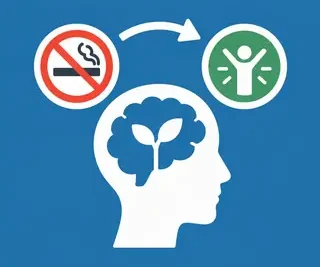
Building Positive Habits: Breaking Bad Habits
Breaking free from procrastination, overeating, or screen addiction requires more than willpower. This section reveals proven techniques like habit reversal, urge surfing, and replacing triggers with healthier alternatives. We discuss the power of implementation intentions (“If I feel bored, I will stretch”) and how to design your environment to make bad habits harder. You’ll also learn about self-forgiveness and relapse prevention—because setbacks are part of the process, not the end.
Specific Habit Hacks
This is your grab-bag of micro-optimizations across all life domains. We share quick, actionable tips that take under five minutes but yield outsized results. Think “eat the frog” for mornings, the Pomodoro technique for focus, and automated reminders for hydration. These hacks are designed to integrate seamlessly into your routine, delivering efficiency gains without overwhelm. Perfect for busy readers seeking incremental improvements that compound over time.
Specific Habit Hacks: Financial Habit Hacks
Money habits shape your future, but they don’t have to be complicated. Here, we cover automation tricks like setting up round-up savings, paying yourself first, and using the 24-hour rule for impulsive purchases. You’ll find hacks to track spending with minimal effort, negotiate bills, and create a “no-spend week” without feeling deprived. These financial life hacks prioritize behavioral design over sheer discipline, making it easier to save, invest, and budget consistently.
Building Positive Habits: Habit Tracking & Goal Setting
What gets measured gets managed. This subcategory dives into habit trackers—paper, apps, or simple streaks—and how to use them without obsession. We explain smart goal-setting (SMART, OKRs, but simplified) and how to align your daily actions with long-term visions. Learn about the “don’t break the chain” method, weekly reviews, and how to celebrate micro-wins. You’ll also discover how to adjust goals when life throws curveballs, keeping your momentum steady.
Specific Habit Hacks: Exercise Habit Hacks
Exercise is often the first habit to drop when life gets busy. This section provides sneaky strategies to move more without hitting a gym. Try habit pairing (listen to podcasts only while walking), the 10-minute workout rule, or “exercise snacking” with desk stretches. We share hacks to make workouts enjoyable, like choosing activities you genuinely like and using social accountability. These tips are built for long-term adherence, not just short-term motivation.
Specific Habit Hacks: Relationship Habit Hacks
Strong relationships thrive on small, consistent actions. Here, we suggest micro-rituals like the “two-minute check-in” with your partner, gratitude notes for friends, and active listening cues. You’ll learn how to schedule quality time, set digital boundaries, and apologize effectively. These habit hacks focus on low-effort, high-connection behaviors that prevent resentment and deepen trust. Perfect for busy professionals who want to maintain meaningful bonds without burnout.
Specific Habit Hacks: Healthy Eating Habit Hacks
Eating well doesn’t require a chef or a diet plan. This section delivers smart shortcuts like pre-chopping veggies, using the “plate method,” and keeping junk food out of sight. We cover mindful eating triggers, portion control tricks, and how to batch-cook without spending your weekend. You’ll find hacks for busy mornings (overnight oats), office snacks, and dining out without guilt. These tips make healthy choices the easy choice in real-world situations.
Frequently Asked Questions
How long does it really take to form a new habit?
Research suggests it takes an average of 66 days, not 21, but the range varies from 18 to 254 days depending on complexity and consistency. Focus on frequency over duration—do the behavior daily, even for two minutes. Missing one day doesn’t reset progress, but strive to never miss twice. Patience and forgiving self-talk are key.
What is the best way to break a bad habit?
The most effective method is replacement: identify the cue and reward, then swap in a healthier routine. For example, if stress triggers snacking, replace chips with a quick walk or deep breathing. Also, reduce environmental triggers—remove junk food from your home. Use “if-then” plans to automate your response, and track your successful “urge surfing” sessions.
How can I stay consistent when I lose motivation?
Motivation is unreliable, so rely on systems. Set a minimum viable habit (e.g., one push-up), pair it with an existing routine, and use visual reminders like a sticky note. Schedule daily action at the same time and place. Remember your “why” but don’t depend on it—discipline through small wins builds momentum faster than waiting for inspiration.
Are habit tracking apps better than paper trackers?
Both work, but choose based on your style. Apps like Habitica or Streaks offer reminders, data analytics, and gamification—great for tech lovers. Paper trackers (bullet journals) provide a physical sense of commitment and no notification fatigue. The key is consistency in logging, not the tool. Test one for a week; if you forget to log, simplify the method.
Can I form multiple habits at once, or should I focus on one?
For best results, focus on one primary habit at a time, especially if it’s challenging. Adding two or three new behaviors simultaneously increases cognitive load and failure risk. However, you can “stack” very easy habits like drinking water after brushing teeth. Once one sticks (around two months), layer another. This sequential approach builds sustainable change.