Exercise Habit Hacks: The "Just 5 Minutes" Rule to Kickstart Your Fitness Journey
😊Struggling to find time for exercise? Our "Just 5 Minutes" rule offers quick fitness habit hacks to jumpstart your fitness journey. Small,…
Read article

Exercise habit hacks are the ultimate shortcut to making fitness stick without relying on willpower alone. By leveraging small, science-backed tweaks—like pairing workouts with an existing habit, shrinking the start to a 2-minute walk, or laying out gym clothes the night before—you can trick your brain into automatic action. These practical strategies turn exercise from a dreaded chore into a seamless part of your day, saving you time and mental energy while boosting consistency. Whether you’re a busy professional or a fitness newbie, mastering these micro-adjustments helps you build momentum, overcome procrastination, and finally enjoy the long-term benefits of a regular routine. Ready to hack your way to effortless workouts? Let’s dive into the game-changing habits that unlock lasting change.
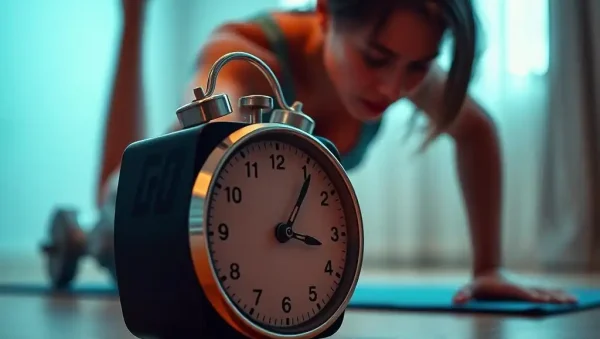
😊Struggling to find time for exercise? Our "Just 5 Minutes" rule offers quick fitness habit hacks to jumpstart your fitness journey. Small,…
Read article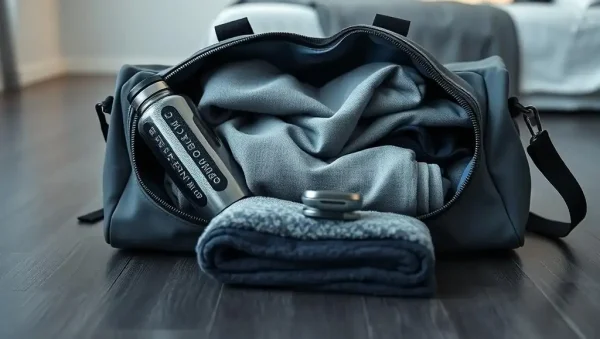
🤔 Conquer tomorrow's workout tonight! Our "night before prep" hack guarantees exercise success. Plan your outfit, pack your bag, and even pre-portion…
Read articleWelcome to Specific Habit Hacks: Exercise Habit Hacks, the ultimate resource within UltimateLifeHacks for turning sporadic workouts into an unbreakable daily ritual. Here, we combine behavioral psychology, time-saving productivity tips, and practical micro-strategies to help you overcome gym avoidance, bad weather excuses, and motivation dips. Whether you’re a busy professional, a parent, or a complete beginner, these hacks are designed to lower the friction to zero and make exercise feel as effortless as brushing your teeth. Discover how to anchor your workouts, automate your preparation, and design your environment for success—no willpower required.
One of the most powerful habit hacks comes from James Clear’s “2-Minute Rule”: scale down your exercise until it takes less than two minutes to start. Instead of aiming for a 45-minute run, commit to putting on your shoes and doing one set of squats. This exploits the brain’s desire for immediate reward, making the initiation phase effortless. Once you’re moving, the momentum naturally extends your session. For ultra-busy days, micro-workouts—like 3-minute desk stretches, 60-second plank bursts, or stair sprints every hour—accumulate significant weekly activity without requiring a block of time.
Pair this with “temptation bundling”: only listen to your favorite podcast or audiobook while walking or lifting. Your brain will start craving the workout because it links it to a treat. In our UltimateLifeHacks framework, this is the “lowest-effort entry” principle. By lowering the barrier, you bypass procrastination entirely. You’ll also learn how to use phone timers and sticky notes as visual triggers, ensuring that every day—even a chaotic Monday—includes a win. The key is not the intensity but the consistency of the start.
Habit stacking is the art of attaching a new behavior to an existing, baked-in ritual. For example: “After I brush my teeth, I do 10 push-ups” or “Before I make my morning coffee, I stretch for five minutes.” This leverages your brain’s neural pathways, reducing decision fatigue. Choose a reliable anchor—like brewing coffee, showering, or commuting—and instantly your exercise becomes a non-negotiable part of that chain. Our hacks include printable anchor charts and smartphone widgets to visually map your stacked habits.
Beyond stacking, we teach the “commute hack”: if you drive, park five minutes away; if you take transit, get off one stop early and walk briskly. These hidden micro-habits add up to 40+ minutes of weekly activity without a gym trip. Always pair your anchor with a fixed time and location (e.g., “At 6:00 AM, on my yoga mat”) to create spatial memory triggers. The magic is that once you stack, the old habit pulls the new one forward—so you never need motivation again. This is a cornerstone of our productivity-optimized life design.
Your environment is your strongest ally or your worst enemy. Friction elimination means making exercise the path of least resistance. Start by placing your gym shoes beside your bed, pre-filling a water bottle, and laying out workout clothes the night before. For home workouts, keep dumbbells or a yoga mat in the middle of your living room—not tucked in a closet. This visual cue alone increases usage by 300%. Conversely, add friction to bad habits: uninstall food delivery apps, keep junk snacks in an inaccessible cabinet, or place a TV remote inside a drawer during workout time.
On the go, program your gym bag with mini resistance bands and always have a pair of running shoes in your car’s trunk. Our guide also explains the “gateway gadget” hack: wear a simple step counter on your non-dominant wrist to stay mindful. For digital environments, turn off workout-app notifications that induce guilt, but enable positive reminders from a habit tracker at a fixed time daily. The core principle: don’t rely on willpower—engineer your apartment, desk, and phone so that the healthy action is almost impossible to avoid. This is the most underrated habit hack on the internet.
Exercise is neurologically painful for the first few weeks because your brain hasn’t built dopamine pathways for it. That’s why you must install instant rewards that are not food-based. After a workout, take a hot shower with an aromatherapy oil, message a friend, or listen to your favorite high-energy song. Our “reward ladder” system offers small, medium, and big treats—like a movie night or a new playlist—that you earn only after hitting daily streaks. This resets your reward circuitry to crave the endorphin rush.
For social accountability, join a public “streaks club” on an app like Habitica or set up a penalty jar with a friend: if you skip, you pay $5 to a cause you hate. Also, schedule a weekly “exercise date” with a buddy—even over video call—so that cancelling feels socially awkward. Our tips include how to craft a “no-zero day” promise: you must move for at least one minute, even if it’s just marching in place. This satisfies the brain’s need for completion while keeping the bar low. The unlocked dopamine will make future sessions easier, turning exercise from a chore into a reward.
You cannot manage what you don’t measure. Use a simple spreadsheet or a habit-tracking app to log your exercise minutes, reps, and mood after each session. The “don’t break the chain” method—mark an X on a calendar every day you move—creates a powerful visual streak that you’ll hate to lose. For plateau busting, implement progressive overload hacks: add one extra rep, five more seconds, or one more pound every week, but only if you hit a 90% success rate. Also, use daily weigh-ins or waist measurements every Monday, not daily, to avoid normal fluctuation frustration.
Our “reverse engineer your plateau” technique shows you how to identify if you’re plateauing because of fatigue (need more sleep), monotony (switch exercises), or overreaching (scale back). We also introduce the “weekly reset benchmark”: every seventh day, do a simple test (e.g., number of push-ups or distance in 5 minutes) to objectively see improvement. Pair tracking with a visual dashboard—like colored stickers on your fridge—so that progress is visible to your family, offering additional external reinforcement. Data transforms exercise from an vague goal into a precise, achievable target.
On average, it takes 21 to 66 days for a behavior to become automatic, but with specific habit hacks like stacking and environment design, many users feel automatic by day 30. The key is to start with micro-workouts (2–5 minutes) and never miss two days in a row. Consistency builds neural wiring faster than intensity.
Use the “commute workout hack”: switch the mental frame from “I must go to the gym” to “I will just stretch for 3 minutes at home.” Place your mat near your door before leaving. Also, do a “pre-exercise snack” (like a banana or coffee) 30 minutes before to boost energy. Fatigue is often mental, so the 2-minute rule bypasses it.
Absolutely. All hacks are equipment-free compatible: bodyweight squats, planks, push-ups, stair walking, and jumping jacks. The environment design principle simply means using your home’s floor space and stairs as your gym. Add resistance bands or water bottles for light resistance if desired.
Shift your success metric from weight to behavioral metrics: number of days active, reps performed, or mood improvement. Use the “non-scale victory” list—better sleep, more energy, or fitting into older clothes. Our data hack shows that focusing on consistency (building a 30-day streak) yields more durable habits than chasing scale numbers.
Apply the “no-zero day” rule: do one minute of any movement, even if it’s stretching. This keeps your streak alive and prevents the “all-or-nothing” spiral. Then, reschedule the missed session to a backup slot (like a weekend morning). Avoid missing two consecutive days, as that resets your habit formation curve.