Unlock the Power of Specific Habit Hacks: Healthy Eating Made Automatic
Transforming your diet isn’t about willpower—it’s about designing your environment and routines so that healthy choices become the default. Our Healthy Eating Habit Hacks subcategory dives into actionable, science-backed micro-strategies that bypass decision fatigue, curb cravings, and automate nutrition. Whether you’re a busy professional, a parent, or a fitness enthusiast, these hacks reduce friction and make eating well feel effortless. Explore below to discover how small tweaks in prep, psychology, and scheduling can yield lasting results without the overwhelm.
🕒 Time-Saving Prep Hacks for Consistent Nutrition
Mornings are chaos, and evenings demand quick wins. These prep hacks focus on batch cooking, strategic ingredient placement, and portable snack stations to keep you on track. You’ll learn how to dedicate one hour weekly to chop veggies, cook grains, and portion proteins—cutting daily cooking time by 50%. Expect practical templates for fridge organization that puts healthy items at eye level, while treats stay hidden or out of reach.
Additionally, we cover “grab-and-go” breakfasts like overnight oats or egg muffins, and how to use slow cookers for hands-off dinners. These hacks eliminate the “I don’t have time” excuse, ensuring even the busiest days include balanced meals. By reducing decision points, you naturally default to nutritious options, making consistency a byproduct of your environment design rather than conscious effort.
🧠 Psychological Anchors to Beat Cravings Instantly
Your brain runs on habit loops—trigger, behavior, reward. Here, we exploit that loop with implementation intentions (“If I feel hungry at 3pm, I’ll eat an apple”) and temptation bundling (pairing a guilty pleasure, like a podcast, with a healthy snack). These mental hacks shift your focus from resisting cravings to preloading better choices. You’ll also learn how to use “habit stacking” to attach healthy eating to existing routines, like having a glass of water after brushing teeth.
We also explore mindful eating triggers—using smaller plates, brighter lighting, and slower chewing to signal satiety. By reshaping your environment and internal cues, you reduce impulsive snacking. Expect exercises to identify your personal craving patterns and replace them with substitute behaviors that satisfy the same emotional need, such as crunchy carrots for stress relief. These psychological tools make healthy eating feel less like a diet and more like second nature.
📅 Weekly Rhythm Hacks for Grocery Shopping & Meal Mapping
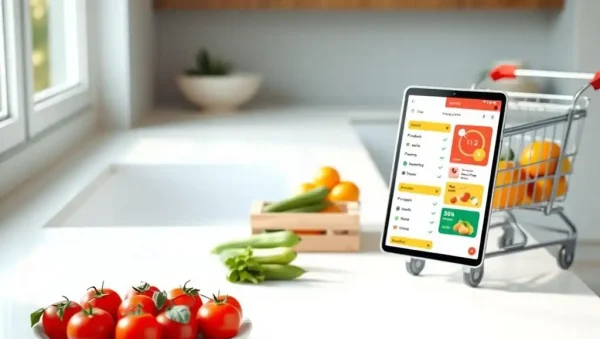
Shopping without a plan is a recipe for junk food. These hacks introduce a “Shop the Perimeter” rule, a pre-written grocery template, and a “No-Buy” list to resist impulse purchases. You’ll learn to schedule one shopping trip every Sunday, using a digital list organized by store layout. This reduces time spent in aisles and minimizes unhealthy temptations. We also provide a “meal matrix” that assigns themes (e.g., Meatless Monday, Taco Tuesday) to streamline weekly planning.
Furthermore, we cover pantry audits—a 10-minute weekly check to discard expired items and restock staples like legumes and whole grains. By aligning your fridge and pantry with your meal map, you eliminate last-minute takeout decisions. These rhythm hacks also include seasonal produce guides to save money and boost nutrient density. Over time, this structured approach becomes a ritual, cutting mental energy and ensuring you always have healthy components available.
🍽️ Portion Control & Plate Composition Tricks
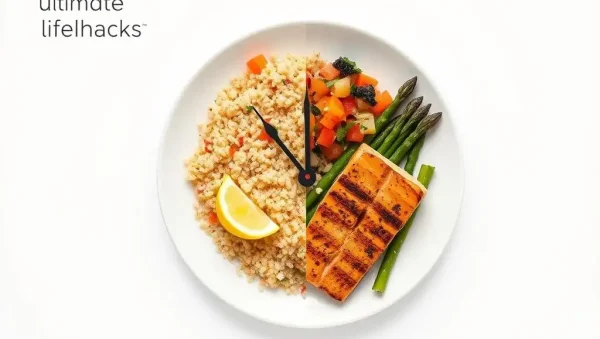
Even healthy food can derail goals if portions are off. Here, we share visual hacks like using 9-inch plates, “hand-sized” protein portions, and the “half-plate veggie rule” to automatically balance macros. You’ll learn to pre-portion snacks into small containers, making overeating less likely. Expect tips on how to use measuring cups as visual props for nuts or oil, plus the “four-bite rule” for indulgent desserts—savoring just a few bites without guilt.
We also dive into “eating order” hacks—consume vegetables first, then protein, then carbs—to leverage satiety hormones. These tricks rely on visual cues and sequential eating, not restrictive counting. Additionally, we explain how to use “plate illusion” (colored bowls to contrast food) to enhance perceived portions. By training your eyes and stomach, you naturally moderate intake, making portion control a passive habit rather than a chore.
📱 Tech & Social Hacks to Reinforce Healthy Choices
Your smartphone and social circle can be powerful allies or saboteurs. We cover app-based habit trackers that send reminders and celebrate streaks, plus how to set up “screen time” boundaries during meals to reduce mindless eating. You’ll also learn to curate your feed—unfollow junk-food influencers and follow nutritionists for daily inspiration. Socially, we discuss the “food pusher” script and how to host healthy potlucks without alienating friends.
Another key hack is pre-commitment devices, like setting a recurring calendar reminder to prep lunches or using digital timers for cooking. We also explore the “buddy system”—pairing with a friend for weekly check-ins or recipe swaps—to boost accountability. For tech-savvy users, we review smart kitchen gadgets (air fryers, food scales linked to apps) that simplify tracking. These social and digital nudges make healthy eating communal and data-driven, reinforcing your habit loop with positive feedback.
Frequently Asked Questions
How quickly can I see results from these habit hacks?
Most people notice reduced cravings and improved energy within 3–5 days, especially with prep hacks and portion tricks. Significant habit automation, like automatic veggie intake, typically takes 2–3 weeks of consistent practice. The key is to stack one hack at a time—start with pantry audit and add plate rules next week for sustainable progress.
Do I need to track calories or macros for these hacks to work?
No. Our hacks focus on environment design and visual cues, not numerical tracking. For example, using a 9-inch plate or filling half with veggies naturally limits calories. However, if you’re aiming for muscle gain or specific goals, you can combine these hacks with a basic tracking app for extra precision, but it’s not mandatory.
What if I live alone or have limited kitchen space?
Every prep hack is scalable. For singles, batch-cook two servings instead of five. Use a mini-fridge or shelf to create a “healthy zone” and a separate container for treats. For small kitchens, use a vertical organizer or hanging baskets. The principles—visibility and convenience—work in any space, so adapt the container sizes and storage solutions.
Can these hacks help with emotional or stress eating?
Yes, especially the psychological anchors. Implementation intentions and temptation bundling give you alternative actions when stress hits, like crunching on cucumber slices or sipping herbal tea. Additionally, the “eating order” hack slows you down, giving your brain time to process. Pairing these with mindful breathing exercises can reduce emotional triggers significantly.
Are these hacks suitable for families with picky eaters?
Absolutely. The grocery template and meal matrix let you involve kids in choosing one “fun” healthy item each week. Use portion control tricks to serve vegetables first as a family. The social hacks also promote healthy potlucks, making mealtime a positive group activity. Start with one new hack per week to ease everyone into the new routine without resistance.