
Budgeting on Autopilot: Set It and Forget It with These Automation Hacks

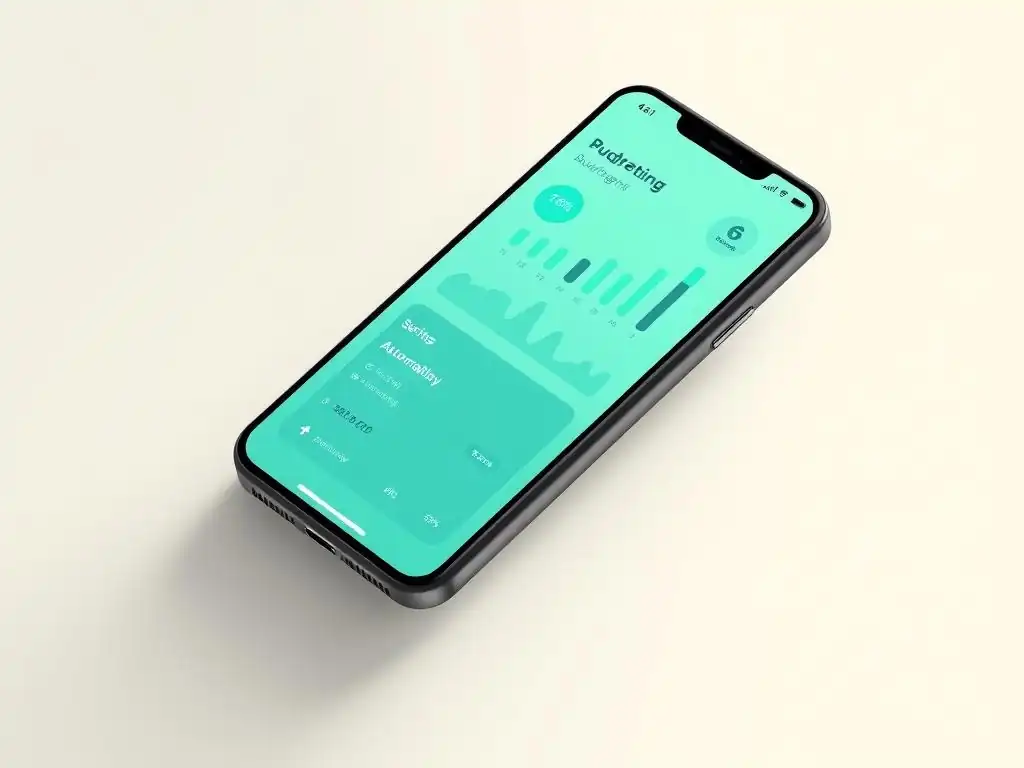
Ready to reclaim your time and finally conquer your finances? At UltimateLifeHacks, we're dedicated to simplifying your life with practical, effective strategies. This week, we dive deep into the world of Automate budget saving hacks, showing you how to effortlessly save money using the power of automation. Discover how to put your budget on autopilot and unlock a more efficient, stress-free financial future – read on to learn more!
- Automate Budget Saving Hacks: The Ultimate Guide to Financial Freedom
- Automate Budget Saving Hacks: Practical Automation Strategies
- Automate Budget Saving Hacks: Advanced Automation Techniques
- Automate Budget Saving Hacks: Maintaining Your Automated Budget System
- Automate Budget Saving Hacks: Boosting Your Savings with Additional Automation
- Frequently Asked Questions
- Final Reflection: The Freedom of Automated Savings
- Unlock Your Financial Freedom: Automate Your Way to a Brighter Future
Automate Budget Saving Hacks: The Ultimate Guide to Financial Freedom
Taking control of your finances can feel overwhelming, but what if you could simplify the process and achieve financial freedom almost effortlessly? This guide explores practical, automated budgeting strategies designed to streamline your financial management, freeing up your time and mental energy for more important things. We'll delve into the power of automation to track income, categorize expenses, and even allocate savings automatically, effectively putting your budget on autopilot.
By the end, you'll have the knowledge and tools to implement a system that works for you, minimizing manual effort and maximizing your savings potential. This approach to "Automate budget saving hacks" is key to long-term financial success and peace of mind. Let's embark on this journey towards a more financially secure future!
Understanding Your Spending Habits: The First Step to Automated Savings
Before diving into automation, understanding your current spending habits is crucial. This foundational step ensures you're automating a system aligned with your financial goals, not just blindly automating inefficient processes. Many people underestimate the impact of small, seemingly insignificant expenses. By meticulously tracking your spending for a month or two – even manually at first – you'll gain invaluable insights into where your money is going.
This initial analysis will highlight areas for potential savings. Are you spending more on dining out than anticipated? Do subscription services add up to a significant monthly expense? Identifying these patterns allows you to create a budget that accurately reflects your lifestyle and spending preferences, setting the stage for effective automation.
Consider using a spreadsheet or a simple budgeting app to track your expenses during this crucial initial phase. You might be surprised by the revelations! This detailed understanding will form the bedrock of your automated budget, ensuring you're optimizing your savings potential from day one. Don't skip this step; it's the key to successful automation.
Setting Up Your Automated Budget: Choosing the Right Tools
Once you have a clear picture of your spending, it's time to select the right tools for automating your budget. Numerous apps and software solutions offer varying degrees of automation. The best choice depends on your specific needs, technical comfort level, and budget.
Some platforms offer basic features like income and expense tracking, while others provide advanced features such as automated savings allocation, budgeting tools, and financial goal setting. Consider the level of automation you desire. Do you want a simple system, or do you need more sophisticated features? Think about user-friendliness, security, and the platform's integration capabilities with your existing financial accounts.
Research different options carefully and choose a system that aligns with your requirements and preferences. Remember, the goal is to simplify your financial management, not to create more complexity. Choosing the right tool is paramount for long-term success with your automated budget.
Automating Income Tracking: Direct Deposit and Account Linking
Automating income tracking is the first step towards a truly hands-off budgeting system. Most banks and employers offer direct deposit, allowing your paycheck to be automatically deposited into your designated account. This eliminates the manual process of entering your income details, saving you time and reducing the risk of errors.
Furthermore, many budgeting apps allow you to link your bank accounts, automatically importing your income information. This seamless integration ensures your budget always reflects your latest income figures, providing an up-to-the-minute view of your financial situation. This level of automation makes tracking income incredibly efficient and minimizes the potential for inaccuracies.
Automating Expense Tracking: Connecting Your Bank Accounts and Credit Cards
Automating expense tracking involves linking your bank accounts and credit cards to your chosen budgeting app or software. This feature automatically imports all your transactions, eliminating the tedious task of manually entering each expense. This not only saves considerable time but also drastically reduces the chance of missed transactions or inaccurate entries. Many apps also allow you to categorize transactions automatically, though manual review and correction may still be needed, at least initially. The level of automation will vary depending on the app's capabilities and the complexity of your transactions.
Categorizing Transactions for Clearer Budget Visibility
While many automated systems offer transaction categorization, it's essential to review and refine these categories periodically. The initial automatic categorization may not always be perfect. Regular checks help maintain accuracy and provide a clear understanding of your spending patterns. Accurate categorization is crucial for effective budget analysis and identifying areas for savings.
Consider using a color-coded system or other visual aids to make your budget data more easily digestible and actionable. This final step in automating your budget ensures you have a clear, accurate, and insightful view of your finances. The effort invested in this process pays dividends in terms of financial clarity and control.
Automate Budget Saving Hacks: Practical Automation Strategies

This section explores practical strategies to automate your budget and savings, freeing up your mental energy and maximizing your financial well-being. We'll delve into specific techniques that make saving money effortless, transforming the often-dreaded task of budgeting into a seamless, automated process. Implementing these "automate budget saving hacks" will significantly improve your financial health and reduce financial stress. The key is to leverage technology and smart financial tools to work for you, not against you.
Round-Up Savings: Turning Spare Change into Significant Savings
Many banking apps and fintech services offer "round-up" savings features. These cleverly automate your savings by rounding up every purchase to the nearest dollar and transferring the difference to a designated savings account. For example, if you buy a coffee for $2.75, the app automatically transfers $0.25 to your savings. This seemingly small amount accumulates surprisingly quickly. Over time, these small, automated transfers can generate a substantial sum.
Consider this example: Let's assume you make an average of 10 purchases per week that involve rounding up. At an average round-up of $0.50 per transaction, that's $5 per week, or $20 per month, accumulating to $240 per year. That's significant savings with minimal effort!
The beauty of this "automate budget saving hacks" approach lies in its effortless nature; you barely notice the money leaving your checking account, but the savings steadily grow. Many services even offer visual progress trackers, providing a satisfying sense of accomplishment as your savings balance increases. This method subtly encourages consistent saving without demanding conscious effort, making it an ideal starting point for anyone looking to automate their savings.
Scheduled Transfers: Automating Savings Contributions
Beyond round-up savings, automating regular transfers to your savings account is another powerful "automate budget saving hacks" technique. Schedule automatic transfers from your checking account to your savings account on a regular basis – weekly, bi-weekly, or monthly – whatever aligns best with your income cycle. Determine a fixed amount or a percentage of your income to transfer consistently. This predictable, automated flow of funds ensures consistent savings growth, regardless of fluctuating spending patterns.
For instance, you could set up a weekly transfer of $50 or a monthly transfer of 10% of your net income. The key is to choose an amount you can comfortably afford and stick to it consistently. Consistency is paramount; the automated nature of these transfers ensures that you don't miss contributions, fostering a disciplined approach to saving.
This method offers a high degree of control, allowing you to fine-tune the transfer amounts based on your financial goals and income fluctuations. Many banks and online financial institutions provide user-friendly interfaces to set up and manage these automated transfers, making the entire process straightforward and hassle-free.
Bill Payment Automation: Never Miss a Due Date Again
Late payment fees can significantly impact your budget. Automating your bill payments is a crucial "automate budget saving hacks" strategy that prevents late fees and improves your credit score. Most utility companies, credit card providers, and other service providers offer online bill payment options with automatic payment scheduling. Set up automatic payments for recurring bills like utilities, rent, loan repayments, and subscriptions to ensure timely payments without manual intervention.
This not only avoids late fees but also eliminates the stress of remembering due dates. It's a simple yet highly effective technique to streamline your finances and maintain a positive payment history. Furthermore, consolidating bill payments through a single platform or app can simplify the process and provide a clear overview of your upcoming expenses.
This consolidated view can further enhance your budgeting and financial planning efforts. The peace of mind that comes from knowing your bills are paid on time is invaluable, allowing you to focus on other aspects of your financial life. This meticulous approach to bill payment automation is a cornerstone of effective personal finance management.
Automate Budget Saving Hacks: Advanced Automation Techniques

This section delves into sophisticated strategies to automate your budget and propel your savings to new heights. We'll explore advanced techniques beyond basic automated transfers, focusing on leveraging technology and strategic planning for optimal results. Mastering these techniques will transform your financial management from a tedious chore into a streamlined, efficient process. This will allow you to focus on your goals, instead of constantly worrying about your finances. This is the key to truly automating budget saving hacks.
Utilizing Budgeting Apps for Seamless Tracking and Analysis
Budgeting apps have revolutionized personal finance management. These applications offer a range of features designed to simplify budgeting, track expenses, and analyze spending habits. By automating these tasks, you free up valuable time and mental energy, allowing you to focus on achieving your financial goals. The key is selecting the right app and integrating it effectively into your existing financial ecosystem.
Popular Budgeting Apps and Their Features: A Comparison
Several popular budgeting apps cater to different needs and preferences. A comparative analysis is crucial to identifying the best fit for your individual financial situation. Consider features such as:
| App Name | Key Features | Pros | Cons |
|---|---|---|---|
| Mint | Expense tracking, budgeting, credit score monitoring | Easy to use, comprehensive features | Can be slow, some features require a paid subscription |
| YNAB (You Need A Budget) | Zero-based budgeting, goal setting, debt tracking | Powerful budgeting tools, strong community support | Steeper learning curve, requires a paid subscription |
| Personal Capital | Investment tracking, retirement planning, budgeting | Comprehensive financial overview, free version available | Complex interface, may be overwhelming for beginners |
| EveryDollar | Envelope budgeting, debt snowball planning | Simple and intuitive, free version available | Limited features compared to other apps |
Remember to carefully weigh the pros and cons before committing to a particular app. The best app for you will depend on your specific needs and preferences. Don't hesitate to try out a few free versions before making a decision.
Integrating Your Budgeting App with Your Bank Accounts for Effortless Tracking
Seamless integration with your bank accounts is crucial for effortless expense tracking. Most budgeting apps offer this functionality, automatically importing your transactions and categorizing them. This eliminates the manual entry of data, significantly reducing the time and effort required for accurate budget monitoring. This is a crucial step in truly automating your budget saving hacks. However, ensure you review the app's security measures before linking your accounts. Look for robust encryption and multi-factor authentication.
Setting Up Automated Savings Goals: Reaching Your Financial Targets Faster
Automated savings significantly accelerate progress towards your financial goals. By setting up recurring transfers to designated savings accounts, you consistently allocate funds without requiring constant manual intervention. This removes the temptation to spend those funds and fosters disciplined saving habits. The key is to set realistic and achievable goals, tailored to your individual circumstances.
Creating Customized Savings Goals Based on Your Financial Objectives
Define specific, measurable, achievable, relevant, and time-bound (SMART) goals. These goals could include:
- Emergency fund: Aim for 3-6 months of living expenses.
- Down payment: Save for a house or car.
- Vacation fund: Allocate funds for your dream getaway.
- Retirement savings: Contribute regularly to your retirement account.
Consider using the 50/30/20 rule as a guideline: allocate 50% of your income to needs, 30% to wants, and 20% to savings and debt repayment. Adjust this ratio based on your unique financial situation and objectives. Remember, consistency is key. Even small, regular contributions add up over time.
Monitoring Your Progress and Making Adjustments as Needed
Regularly review your progress towards your automated savings goals. Track your savings balance and compare it to your target. If you're falling behind, analyze your spending habits and make necessary adjustments. Perhaps you need to reduce spending in certain categories or increase your automated savings contributions. Flexibility is crucial; your financial circumstances may change, requiring adjustments to your automated savings plan.
This continuous monitoring and adaptation are essential to maintain the effectiveness of your automated budget saving hacks and maximize your savings potential. Remember, automating your budget is a journey, not a destination. Regular review and adjustments are essential for long-term success. 🎉
Automate Budget Saving Hacks: Maintaining Your Automated Budget System
Automating your budget is a significant step towards financial freedom, but it's not a "set it and forget it" solution. Consistent monitoring and occasional adjustments are crucial for ensuring your automated system remains effective and aligns with your evolving financial goals. Think of it like a well-oiled machine – regular maintenance prevents breakdowns and keeps it running smoothly. This section explores the key aspects of maintaining your automated budget system to maximize its efficiency and effectiveness for your long-term financial well-being. We will delve into practical strategies for optimizing your automated budget saving hacks.
Regularly Reviewing Your Automated Budget: Identifying Potential Issues
Regular review of your automated budget is paramount. While automation handles the routine tasks, human oversight is still necessary to identify and address potential issues. Aim for a monthly review, at minimum. This allows you to catch discrepancies early, before they snowball into larger problems. For example, a subscription service you forgot about might continue to deduct funds unnoticed, impacting your savings goals.
Consider these steps during your monthly review:
- Reconcile your automated transactions: Compare your automated budget's recorded transactions with your bank and credit card statements. This simple step can identify any discrepancies, such as unauthorized charges or incorrect categorization of expenses.
- Analyze spending patterns: Review your spending categories to spot trends. Are you consistently overspending in certain areas? This data can inform adjustments to your budget allocations. For instance, if dining out consistently exceeds your allocated amount, you might need to reduce that category or find ways to cut back.
- Check for errors in automated rules: Ensure your automated rules (e.g., automatic transfers to savings) are functioning correctly. A minor glitch could significantly impact your savings trajectory.
- Evaluate your savings progress: Track your progress towards your financial goals. Are you on track to meet your targets? If not, identify areas needing adjustments.
By proactively addressing potential issues, you can ensure your automated budget remains a powerful tool for achieving your financial objectives. Ignoring these reviews can lead to unexpected overspending and hinder your progress towards your savings goals. Remember, even small, consistent efforts in reviewing your automated budget translate into significant long-term benefits.
Adjusting Your Automated System to Adapt to Changing Circumstances
Life is dynamic; your financial circumstances will inevitably change. A robust automated budgeting system should accommodate these changes seamlessly. Failing to adapt your automated system to changing circumstances could lead to inaccuracies and ultimately derail your financial goals. Adaptability is key to long-term success with automated budget saving hacks.
Here are some scenarios requiring adjustments:
- Salary Changes: A raise or a pay cut necessitates adjusting your budget allocations. You may increase contributions to savings or adjust spending limits based on your new income.
- Unexpected Expenses: Unforeseen events, like car repairs or medical bills, require immediate adjustments. Consider incorporating a contingency fund into your automated system to handle such situations without disrupting your overall budget.
- Changes in Financial Goals: Your financial aspirations may evolve over time. Perhaps you decide to prioritize a down payment on a house or increase contributions to your retirement fund. Your automated system should be flexible enough to reflect these shifting priorities.
- New Subscriptions or Bills: Adding or removing recurring expenses requires updating your automated system to reflect the changes accurately. Failure to do so can lead to inaccurate budgeting and potential overspending.
Regularly reassessing and adjusting your automated system ensures it remains a relevant and effective tool for managing your finances. This proactive approach transforms your automated budget from a static system to a dynamic and adaptable tool for achieving your financial goals.
The Importance of Security and Privacy in Automated Financial Systems
Implementing an automated budgeting system involves entrusting sensitive financial data to technology. Therefore, security and privacy are paramount concerns. Protecting your financial information from unauthorized access is crucial to prevent fraud and identity theft. Robust security measures are essential for safeguarding your automated budget saving hacks.
Consider these crucial aspects:
- Strong Passwords and Multi-Factor Authentication: Utilize strong, unique passwords for all your financial accounts and enable multi-factor authentication whenever possible. This adds an extra layer of security, making it significantly harder for unauthorized individuals to access your accounts.
- Regular Software Updates: Keep your financial software and apps updated to benefit from the latest security patches. Outdated software is more vulnerable to cyberattacks.
- Secure Internet Connections: Avoid accessing your financial accounts on public Wi-Fi networks, as these are more susceptible to hacking. Opt for secure, private networks to protect your sensitive data.
- Reputable Financial Institutions and Apps: Choose reputable financial institutions and apps with a proven track record of security and privacy. Research and read reviews before entrusting your financial data to any platform.
- Monitoring Account Activity: Regularly monitor your accounts for any suspicious activity, such as unauthorized transactions or unusual login attempts. Report any suspicious activity immediately to your financial institution.
Prioritizing security and privacy is not merely a precaution; it's a necessity when automating your financial management. By implementing robust security measures, you can confidently utilize the benefits of automated budgeting while safeguarding your financial information. This ensures that your automated budget saving hacks work for you, not against you.
Automate Budget Saving Hacks: Boosting Your Savings with Additional Automation
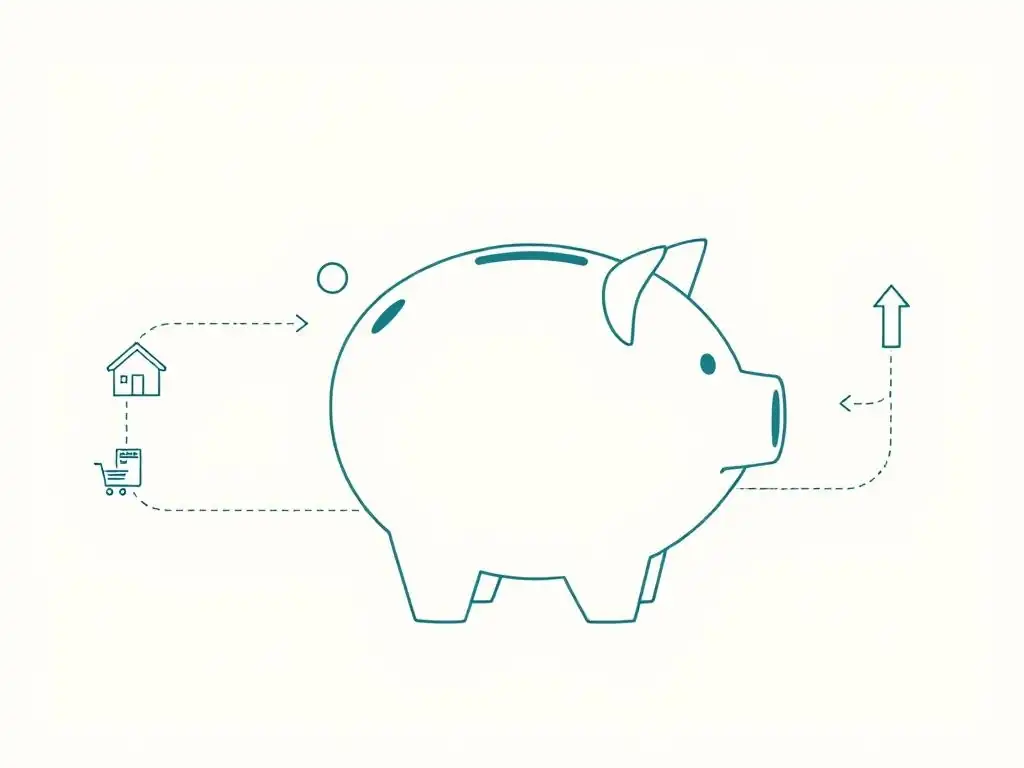
This section explores additional ways to automate your budget and supercharge your savings beyond the basics. We'll delve into specific strategies that leverage technology to make saving money effortless. The key is to move beyond simply tracking expenses and actively automate the process of saving and investing. Remember, consistent, automated saving is the cornerstone of building long-term financial security. This is crucial for achieving your financial goals, and automating your budget is a key step in the process. Let's explore some powerful techniques to automate budget saving hacks.
Investing Automation: Automating Your Investment Strategy
Automating your investments is a game-changer. Instead of manually transferring funds to your brokerage account, you can schedule regular, automatic contributions. Many brokerage platforms offer this feature, allowing you to set up recurring transfers from your checking account to your investment accounts. This ensures consistent contributions, regardless of your daily schedule or potential lapses in memory. This consistency is key to benefiting from the power of compound interest, a crucial element in long-term wealth building.
Consider these specific strategies for automating your investment strategy:
- Dollar-Cost Averaging (DCA): Automate regular investments of a fixed dollar amount, regardless of market fluctuations. This mitigates the risk of investing a lump sum at a market high. This strategy is particularly beneficial for long-term investors.
- Automated Portfolio Rebalancing: Some robo-advisors offer automated portfolio rebalancing, ensuring your asset allocation remains aligned with your risk tolerance and investment goals. This eliminates the need for manual adjustments and ensures your portfolio stays on track.
- Tax-Loss Harvesting Automation: While more complex, some advanced platforms are beginning to offer automated tax-loss harvesting, which can help minimize your tax burden on investment gains. This sophisticated strategy requires a deeper understanding of tax implications and may not be suitable for all investors.
The benefits of automating your investments are significant. You'll likely experience increased consistency in your contributions, leading to faster wealth accumulation. You'll also reduce the emotional impact of market fluctuations, as you'll be consistently investing regardless of short-term market volatility. This removes the temptation to time the market, a notoriously difficult task even for experienced investors.
Debt Repayment Automation: Streamlining Debt Reduction
Automating debt repayment can significantly accelerate your progress toward financial freedom. By automating payments and strategically allocating funds, you can eliminate debt faster and save on interest charges. This is especially relevant for high-interest debt like credit cards.
Here are some effective strategies:
- Automated Minimum Payments: At a minimum, automate the payment of the minimum amount due on all your debts. This prevents late fees and negative impacts on your credit score. This is a fundamental step, ensuring you avoid the penalties associated with missed payments.
- Debt Avalanche or Snowball Method Automation: You can automate payments using the debt avalanche (highest interest rate first) or snowball (smallest debt first) method by scheduling larger payments to the prioritized debt. This requires some initial setup, but once configured, it runs automatically, ensuring consistent progress.
- Extra Payment Automation: Set up an automated transfer to your highest-interest debt account each month, allocating any extra funds to accelerate repayment. This consistent extra payment can drastically reduce the overall time and interest paid on your debts.
| Method | Description | Automation Strategy |
|---|---|---|
| Debt Avalanche | Pay off highest interest rate debt first. | Automate higher payments to the highest-interest debt account. |
| Debt Snowball | Pay off smallest debt first for motivation. | Automate payments to the smallest debt until it's paid off. |
| Minimum Payment + Extra | Pay minimums on all debts, then allocate extra funds to one debt. | Automate minimum payments and an extra payment to a chosen debt. |
Automating your debt repayment reduces the mental load and ensures consistent progress. It's a crucial step in taking control of your finances and achieving long-term financial stability. The consistent application of these strategies, supported by automation, is key to freeing yourself from the burden of debt. Remember, even small automated payments add up over time, significantly impacting your financial health.
Frequently Asked Questions
What is the core idea behind "Budgeting on Autopilot"?
The core idea is to automate as much of your budgeting process as possible, minimizing manual effort and maximizing savings. This involves using technology and systems to handle regular financial tasks.
How can I automate my savings?
You can automate savings by setting up recurring transfers from your checking account to a savings or investment account. Many banks and apps allow you to schedule these automatically. Consider round-up apps that automatically save your spare change from purchases.
What are some examples of budgeting automation tools?
Many personal finance apps offer budgeting and automation features, such as Mint, YNAB (You Need A Budget), and Personal Capital. Your bank's online platform likely offers automatic savings transfers as well.
Is automating my budget completely risk-free?
While automation offers significant benefits, it's crucial to regularly monitor your accounts and ensure transactions are accurate. Unexpected fees or errors can still occur, requiring occasional manual intervention.
Can I automate my budget if I have a complex financial situation?
Even with complex finances, you can still automate some aspects of your budget. Start by automating the simplest tasks, like regular bill payments and savings contributions, then gradually integrate more complex elements.
Final Reflection: The Freedom of Automated Savings
The ability to automate your budget isn't just a convenience; it's a revolutionary shift in how we approach financial well-being. In a world increasingly dominated by instant gratification and impulsive spending, the power to effortlessly save and invest is more crucial than ever before. This article has explored practical strategies to take control of your finances, removing the emotional burden and mental clutter often associated with budgeting.
The impact of automated savings extends far beyond mere financial gain. It fosters a sense of security and control, allowing us to focus on what truly matters – our passions, relationships, and personal growth. The best way to predict the future is to create it,
and by automating our savings, we actively shape a more secure and prosperous future for ourselves. This proactive approach to personal finance empowers us to break free from the cycle of paycheck-to-paycheck living and build a foundation for long-term financial success. It's a shift from reactive spending to intentional saving, a change that ripples outwards, impacting not only our individual lives but also our communities.
Now, consider your own financial landscape. What small, automated changes could you implement today to begin building a more secure tomorrow? Perhaps it's setting up a recurring transfer to your savings account, automating bill payments, or exploring investment apps with automated features. Don't underestimate the power of small, consistent actions. Take the first step, embrace the freedom of automated savings, and watch as your financial future unfolds with greater ease and confidence.
Unlock Your Financial Freedom: Automate Your Way to a Brighter Future
Thank you for exploring the world of automated budgeting! You've gained valuable insights into simplifying your finances and taking control of your money. Now, let's put that knowledge into action.
Here's how to begin your journey toward effortless budgeting:
- Start by automating one aspect of your finances. Even a small change, such as automatically transferring a portion of your income to savings, can make a significant difference.
- Share this article with a friend or family member who might benefit from stress-free budgeting. Let's work together to achieve financial freedom.
- Explore different budgeting apps to find one that suits your financial lifestyle and spending habits. The right app can significantly streamline your financial management.
What's the first financial automation you'll implement? Let's discuss in the comments!