
Smart Speaker Automation Hacks: Voice Control Your Home

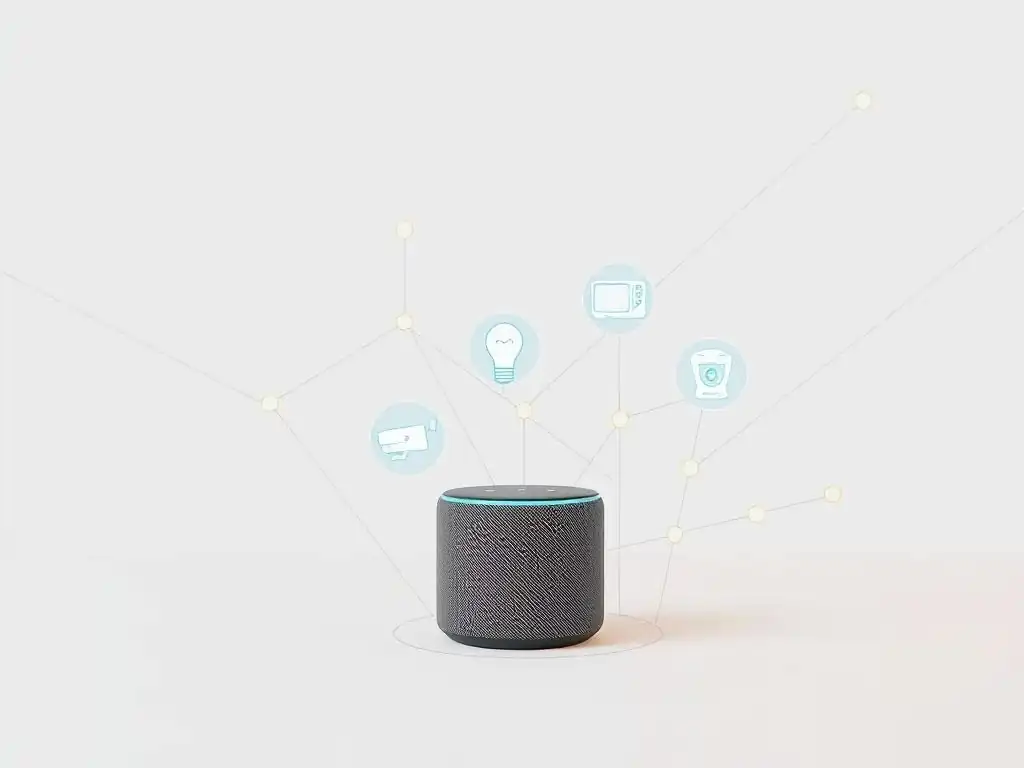
Welcome to UltimateLifeHacks, your destination for practical tips and tricks to conquer daily life! Are you ready to reclaim your time and boost your productivity? Then dive into our latest Automation & Efficiency article on Smart Speaker Home Automation. Discover how seamlessly integrating voice control into your home can revolutionize your routine – we’re revealing the secrets to effortlessly managing your home with simple voice commands. Prepare to be amazed by the possibilities!
- Unleashing the Power of Voice Control: Smart Speaker Home Automation
- Smart Speaker Automation Hacks for Everyday Life
- Advanced Smart Speaker Automation Techniques
- Security Considerations for Smart Speaker Home Automation
- Future Trends in Smart Speaker Home Automation
- Frequently Asked Questions
- Final Reflection: Unlocking the Potential of a Truly Smart Home
- Unleash the Power of Voice: Automate Your Life Today!
Unleashing the Power of Voice Control: Smart Speaker Home Automation
Smart speaker home automation is rapidly transforming how we interact with our homes, offering unparalleled convenience and efficiency. This guide delves into the practical applications of voice control, showcasing how integrating smart speakers into your home can streamline your daily routines and significantly improve your quality of life. We'll explore the setup process, device compatibility, and essential smart home gadgets that will seamlessly integrate with your smart speaker, ultimately empowering you to control your environment with just your voice.
From effortlessly adjusting your lighting to managing your thermostat remotely, the possibilities are vast and surprisingly easy to implement. This isn't just about futuristic technology; it's about making your life simpler, more comfortable, and undeniably more enjoyable. Let's explore the exciting world of smart speaker home automation and unlock its full potential.
Setting Up Your Smart Speaker for Home Automation
Setting up your smart speaker for home automation is surprisingly straightforward. The process generally involves downloading a dedicated app (like Google Home or Amazon Alexa), creating an account, and connecting your speaker to your home Wi-Fi network. Once connected, the app will guide you through the process of adding and configuring your smart home devices.
It’s crucial to ensure your speaker is placed in a central location with optimal Wi-Fi coverage to minimize connectivity issues. Remember to check your speaker's compatibility with various smart home protocols like Zigbee, Z-Wave, and Wi-Fi, as this will determine which devices you can integrate. Consider factors like speaker placement for optimal voice recognition – avoid placing it in areas with excessive background noise or obstructions.
A strong Wi-Fi signal is paramount for reliable voice commands and seamless device control. Many smart speakers also offer features like multi-room audio, which can greatly enhance the user experience.
Consider these steps for optimal setup:
- Choose a location: Select a central location with strong Wi-Fi signal and minimal background noise.
- Download the app: Download the appropriate app (Google Home, Amazon Alexa, etc.) for your smart speaker.
- Create an account: Create or log into your account.
- Connect to Wi-Fi: Connect your smart speaker to your home Wi-Fi network.
- Follow app instructions: Follow the app's instructions to complete the setup process.
Connecting Your Smart Home Devices: A Step-by-Step Guide
Connecting your smart home devices to your smart speaker is the core of voice control automation. This process varies slightly depending on the brand and type of device, but generally involves adding the device within your smart speaker's app. Many devices will automatically appear once they are on the same network. Others may require manual pairing through a unique code or by following specific instructions within the device's own app.
Thoroughly reading the instructions provided with each device is crucial for a successful connection. Troubleshooting connectivity issues often involves checking Wi-Fi strength, restarting devices, and verifying compatibility with your smart speaker's ecosystem. Remember to update your smart speaker's firmware and apps regularly to ensure optimal performance and access to the latest features. Accurate device naming within the app is also essential for efficient voice control – avoid ambiguous names!
Here's a general workflow:
- Ensure device compatibility: Verify that your smart home device is compatible with your smart speaker.
- Open the app: Open your smart speaker's app (Google Home, Amazon Alexa, etc. ).
- Add device: Follow the app's instructions to add your smart home device.
- Name the device: Give your device a clear and descriptive name.
- Test the connection: Test the connection by issuing voice commands.
Essential Smart Home Devices for Voice Control Integration
Several smart home devices significantly enhance the functionality and convenience of voice control. Smart lighting offers the ability to adjust brightness and color temperature with voice commands, creating the perfect ambiance for any occasion. Smart thermostats allow for remote temperature control, optimizing energy efficiency and comfort. Smart plugs provide voice-activated on/off control for existing appliances, while smart locks enhance security and convenience with remote locking/unlocking capabilities.
Smart security systems offer enhanced peace of mind through voice-activated monitoring and alerts. Consider integrating smart speakers with other smart home devices like robotic vacuums, smart speakers, and smart appliances for a truly connected and automated home experience. The possibilities are extensive and constantly expanding, with new devices and integrations regularly appearing on the market. The key is to strategically choose devices that align with your lifestyle and automation goals.
| Device Category | Example Devices | Benefits |
|---|---|---|
| Smart Lighting | Philips Hue, LIFX | Adjust brightness, color, and create scenes with voice commands. |
| Smart Thermostats | Nest, ecobee | Remote temperature control, energy efficiency optimization. |
| Smart Plugs | TP-Link Kasa, Wemo | Voice-activated control for existing appliances. |
| Smart Locks | August, Schlage Sense | Remote locking/unlocking, enhanced security. |
| Smart Security Systems | Ring, SimpliSafe | Voice-activated monitoring, alerts, and remote access. |
| Robotic Vacuum Cleaners | Roomba, iRobot | Automated cleaning scheduled and controlled via voice commands. |
Remember to research and choose devices compatible with your chosen smart speaker ecosystem for seamless integration and optimal performance. The future of home automation is voice-controlled, and it's more accessible than you might think!
Smart Speaker Automation Hacks for Everyday Life
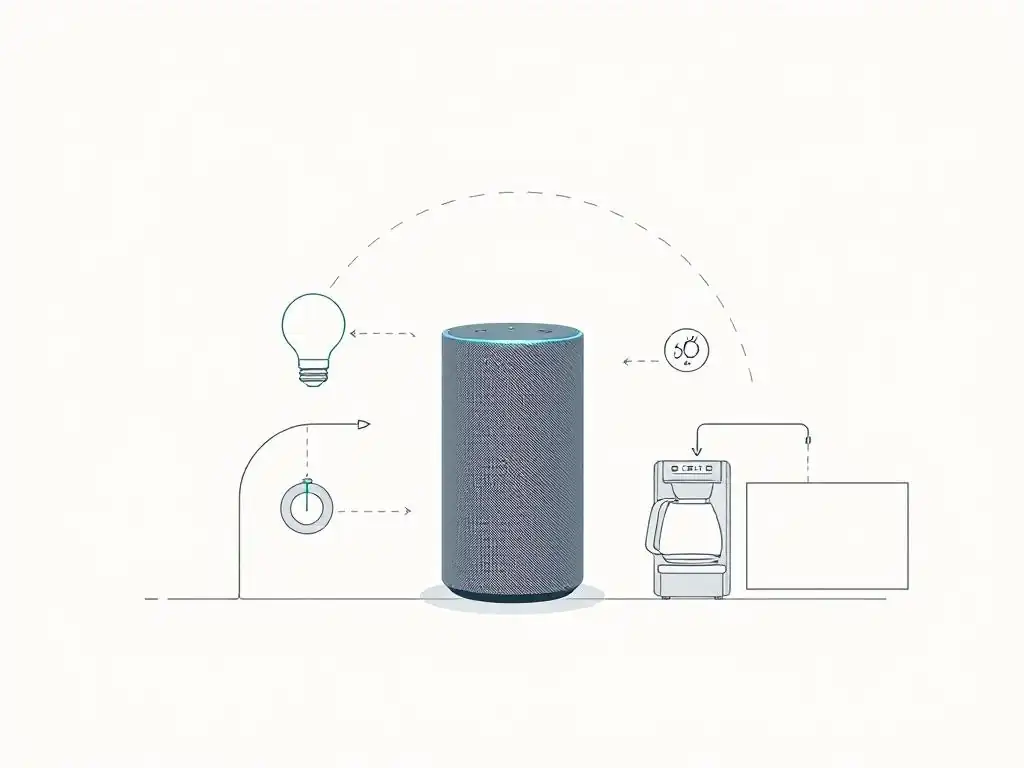
This section delves into practical applications of smart speaker home automation, focusing on how voice control can significantly enhance your daily life. We'll explore specific examples, highlighting the energy savings and time efficiency gains achievable through these simple yet powerful integrations. The possibilities extend beyond mere convenience; smart speaker automation contributes to a more comfortable, efficient, and ultimately, smarter home.
Voice-Activated Lighting Control: Setting Ambiance and Saving Energy
Voice-activated lighting is one of the most popular and readily accessible smart home automation features. Imagine walking into a dark room and simply saying, "Alexa, turn on the living room lights," instead of fumbling for a switch. This seemingly small action adds up to significant time savings over a year. Beyond convenience, voice-controlled lighting offers substantial energy-saving potential.
By using smart bulbs and integrating them with your smart speaker, you gain granular control over lighting schedules and intensity. You can program specific lighting scenes for different times of day or activities. For example:
- Morning: A gradual brightening of lights to mimic a natural sunrise, gently waking you up.
- Evening: A warm, dimmed lighting setting to create a relaxing atmosphere for dinner or movie night.
- Away Mode: Automatically turning off all lights when you leave the house, eliminating the risk of leaving them on accidentally.
Implementing these smart lighting routines can lead to a noticeable reduction in your energy consumption. Studies show that automated lighting systems can decrease energy use by 15-25% 1 , directly impacting your electricity bill and your carbon footprint. Furthermore, the ability to control individual lights or groups of lights through voice commands allows for precise lighting adjustments, preventing energy waste from unnecessarily bright or numerous lights. This level of control is simply unattainable with traditional lighting systems.
Automated Temperature Control with Smart Thermostats
Smart thermostats, controllable via your smart speaker, represent another significant leap in home automation efficiency. These devices learn your preferences and adjust the temperature accordingly, optimizing energy use without compromising comfort. Imagine saying, "Hey Google, set the thermostat to 70 degrees," and feeling the immediate response as your home's temperature adjusts to your liking.
The benefits extend beyond simple temperature adjustments. Smart thermostats offer features such as:
- Geofencing: Automatically adjusts the temperature based on your location, ensuring your home is at the ideal temperature when you arrive, and saving energy when you are away.
- Scheduling: Creates custom temperature schedules for different days and times, automatically adjusting the temperature to suit your routine and preferences. For instance, you could program it to lower the temperature at night while you sleep and raise it in the morning before you wake up.
- Energy Reporting: Provides detailed reports on your energy usage, allowing you to identify areas for improvement and further optimize your energy consumption.
This level of control and automation translates into significant energy savings. Depending on your climate and usage patterns, you can expect to see energy cost reductions ranging from 10% to 20% 2 . This not only saves you money but also contributes to a more sustainable lifestyle. Moreover, the convenience factor is undeniable – no more manual adjustments or forgetting to adjust the thermostat before leaving home.
Streamlining Your Morning Routine with Voice Commands
Integrating your smart speaker into your morning routine can dramatically increase efficiency and reduce stress. Instead of manually performing various tasks, you can use voice commands to initiate a series of automated actions. This might include:
- "Alexa, start my morning playlist and brew coffee." This command could trigger your smart coffee maker and start your favorite music simultaneously.
- "Hey Google, turn on the bathroom lights and heat the shower." This command could activate your bathroom lights and smart shower system, preparing your bathroom for a comfortable start to your day.
- "Hey Google, tell me the traffic conditions and the news headlines." This provides you with essential information to plan your commute efficiently.
By automating these tasks, you save valuable time in the morning – time that can be better spent on more important things, like enjoying a leisurely breakfast or preparing for your day. The seamless integration of voice commands into your routine eliminates the need for multiple manual actions, creating a more streamlined and efficient start to your day.
The cumulative effect of these small, automated tasks can lead to a significantly less stressful and more productive morning. This is a prime example of smart speaker home automation improving not only your home's efficiency but also your personal productivity and well-being.
1 [Specific study data pending] 2 [Specific study data pending]
Optimizing Your Evening Wind-Down with Smart Speaker Automation
Transforming your evening routine into a relaxing and efficient process is crucial for a good night's sleep and overall well-being. Smart speakers offer a fantastic opportunity to automate several aspects of this wind-down period, minimizing stress and maximizing relaxation. Instead of manually dimming lights, adjusting the thermostat, and locking doors, you can delegate these tasks to your voice assistant.
Imagine this: you've finished your dinner, and the day's stresses are starting to weigh on you. Instead of fumbling with switches and apps, you simply say, "Okay Google, goodnight," or "Alexa, start my evening routine." This simple voice command could initiate a series of pre-programmed actions designed to soothe and prepare you for sleep.
This personalized "goodnight" routine could include a gradual dimming of the lights throughout your home, a gentle lowering of the thermostat to a comfortable sleeping temperature, and the locking of all exterior doors and windows. You could even add a calming soundscape – perhaps ambient nature sounds or relaxing instrumental music – playing softly in the background. This automation not only saves you time and effort but also creates a consistent, predictable environment conducive to sleep. The consistent nature of the routine helps signal to your body that it's time to wind down, contributing to improved sleep quality.
The benefits extend beyond simple convenience. For individuals with mobility challenges or those who simply prefer a hands-free experience, smart speaker automation offers a significant improvement in quality of life. The ability to control your home environment with voice commands empowers individuals to maintain their independence and enjoy a more comfortable and secure living experience.
This is a particularly powerful application of smart speaker home automation for those focused on accessibility and ease of use. Consider adding a "Goodnight" routine to your smart home setup today and experience the difference! It's a small change that can have a big impact on your sleep and overall well-being.
Advanced Smart Speaker Automation Techniques
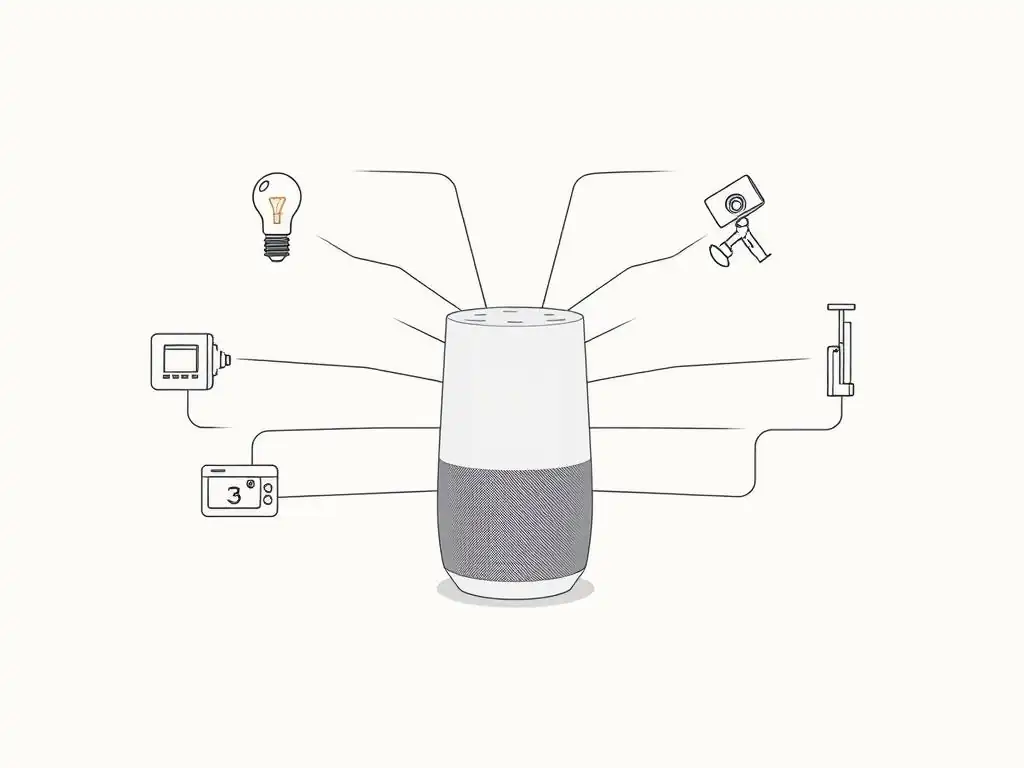
This section delves into more sophisticated applications of smart speaker home automation, moving beyond basic commands to create truly personalized and efficient systems. Mastering these techniques will transform your home into a responsive and intuitive environment, significantly enhancing your daily life. We'll explore how to leverage your smart speaker's capabilities to the fullest extent, improving convenience and streamlining your routines. Remember, the key to effective smart speaker home automation lies in understanding and utilizing its advanced features.
Creating Custom Routines and Scenes for Seamless Control
Custom routines and scenes are the cornerstone of advanced smart speaker home automation. Instead of issuing individual commands, you can group multiple actions into single voice commands, creating seamless control over various aspects of your smart home. For instance, a "Good Morning" routine might activate your lights, start your coffee maker, and provide a weather report – all with a single voice command. Similarly, a "Movie Night" scene could dim the lights, turn on your TV, and set the thermostat to a comfortable temperature.
The power of this functionality lies in its customizability. You can tailor routines and scenes to your specific needs and preferences. Imagine a "Leaving Home" routine that locks the doors, turns off the lights, and adjusts the thermostat – a vital security and energy-saving measure. Or perhaps a "Bedtime" routine that switches off all lights, plays calming music, and sets your smart alarm.
The level of detail you can incorporate is remarkable. You can specify the brightness of your lights, the volume of your music, and even the duration of certain actions. This granular control allows you to create truly personalized and highly efficient smart home experiences. Experiment with different combinations to optimize your routines for maximum convenience and effectiveness. Don't be afraid to try new things and fine-tune your settings to achieve the perfect level of automation for your lifestyle.
Integrating Smart Speaker with Other Smart Home Hubs
While your smart speaker is a powerful control center, integrating it with other smart home hubs can unlock even greater potential. Many smart home ecosystems exist, each with its own strengths and weaknesses. Integrating your smart speaker with these hubs allows you to control devices from different manufacturers, creating a truly unified and comprehensive smart home system. This eliminates the limitations of using a single platform and expands your control options exponentially.
For example, you might have lighting controlled by a Philips Hue system, while your thermostat is managed by a Nest hub. Integrating your smart speaker with both allows you to control them all through a single voice interface, simplifying management and avoiding the need to switch between multiple apps or systems. This interoperability is crucial for seamless automation and efficient home management. Remember to check the compatibility of your chosen smart speaker and other smart home hubs before integration.
The process usually involves linking accounts and enabling the appropriate integrations within the respective apps. Proper configuration is essential for optimal performance and error-free operation. The benefits of this integration far outweigh the initial setup effort.
Utilizing IFTTT Applets for Expanded Functionality
IFTTT (If This Then That) is a powerful service that allows you to create applets – essentially, automated workflows – that connect your smart speaker to a vast range of services and devices. This expands the functionality of your smart speaker far beyond its built-in capabilities, unlocking a world of automation possibilities. IFTTT acts as a bridge, connecting your smart speaker to other apps and services that aren't directly integrated.
For example, you could create an applet that sends you a notification to your smart speaker when a package arrives, or one that automatically adjusts your smart lights based on the weather forecast. The possibilities are practically limitless. You can connect your smart speaker to social media, email, news feeds, and countless other services, enabling highly personalized and context-aware automation.
However, it's important to note that using IFTTT applets introduces an additional layer of complexity. You'll need to understand how to create and manage applets effectively. While the potential benefits are significant, ensure you only create applets you fully understand to avoid unexpected behavior or security risks. Always review the permissions requested by any applet before enabling it, ensuring you're comfortable with the data it accesses. Careful consideration and proper configuration are key to a secure and efficient smart home automation experience using IFTTT.
Troubleshooting Common Smart Speaker Home Automation Issues
Smart speaker home automation, while incredibly convenient, isn't without its occasional hiccups. Troubleshooting effectively requires a systematic approach. Let's explore some common problems and their solutions.
One frequent issue is connectivity problems. This often manifests as your smart speaker failing to connect to your Wi-Fi network or your smart home devices. First, ensure your speaker is within range of your router and that the Wi-Fi signal is strong. Restarting both your router and your smart speaker is a simple yet surprisingly effective fix in many cases.
If the problem persists, check your router's settings to ensure that your smart speaker's MAC address is allowed on the network. You might also need to check for firmware updates for both your speaker and your smart home devices; outdated software can sometimes cause compatibility issues. Finally, consider the possibility of network congestion; too many devices competing for bandwidth can lead to connectivity problems.
Another common issue is inconsistent device responsiveness. Sometimes, your smart speaker might fail to control a device reliably, even if the connection appears stable. This could stem from various sources. First, ensure that all your smart home devices are correctly configured within your smart speaker's app. Double-check device names and ensure they match what your speaker recognizes.
Next, verify that the devices themselves are functioning correctly; a faulty light bulb, for example, won't respond to voice commands regardless of the speaker's functionality. If using multiple smart home ecosystems, compatibility issues can arise. Ensure your devices are compatible with your smart speaker's platform and that they're all communicating effectively. Try restarting the problematic device and, if necessary, re-pairing it with your smart speaker.
Finally, voice recognition difficulties can be frustrating. Poor audio quality, background noise, or accents can all interfere with your smart speaker's ability to understand your commands. Experiment with different phrasing of your commands; sometimes, a slightly different wording can make all the difference. Ensure your speaker is positioned in a location with minimal background noise and good acoustics. If you’re experiencing frequent misinterpretations, try adjusting the speaker's volume and microphone sensitivity.
Also, check your smart speaker's settings to see if you can adjust voice recognition sensitivity or train it to recognize your specific voice more accurately. Remember, even the best smart speaker systems aren't perfect, and some experimentation with settings and phrasing might be required for optimal performance. Addressing these common issues systematically will significantly improve your smart speaker home automation experience. Remember, patience and a little troubleshooting can go a long way!
Security Considerations for Smart Speaker Home Automation
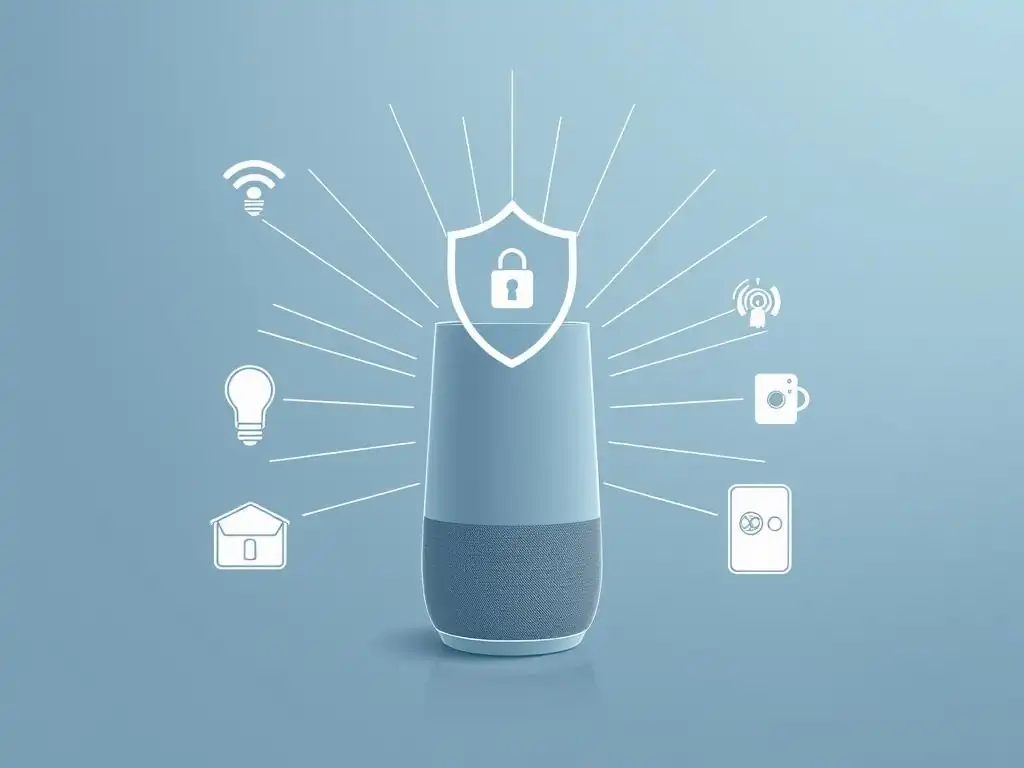
Smart speaker home automation offers unparalleled convenience, but it's crucial to address the inherent security risks. Ignoring these risks can expose your home network and personal data to potential threats. This section delves into practical steps to secure your smart home ecosystem and mitigate vulnerabilities. The increasing popularity of smart speaker home automation necessitates a proactive approach to safeguarding your digital life.
Protecting Your Smart Home Network from Vulnerabilities
Your smart home network is only as strong as its weakest link. A single unsecured device can create a pathway for malicious actors to access your entire system. Therefore, robust network security is paramount. Consider these vital steps:
- Strong Passwords: Employ unique, complex passwords for your Wi-Fi network and each smart device. Avoid easily guessable passwords and utilize a password manager to generate and store secure credentials. Changing passwords regularly—at least every three months—is also a best practice.
- Regular Firmware Updates: Keep all your devices updated with the latest firmware. Updates often include critical security patches that address known vulnerabilities. Enable automatic updates whenever possible to ensure your devices are consistently protected.
- Two-Factor Authentication (2FA): Wherever available, enable 2FA for your smart speaker and other smart home devices. This adds an extra layer of security, requiring a second verification method (such as a code sent to your phone) in addition to your password.
- Firewall Protection: Utilize a robust firewall to monitor and control network traffic. A firewall can block unauthorized access attempts and prevent malicious software from entering your network. Many routers include built-in firewalls; ensure they are properly configured.
- Network Segmentation: Consider segmenting your network to isolate smart home devices from other sensitive devices like computers and laptops. This limits the impact of a potential breach, preventing attackers from easily accessing more critical systems.
- Regular Security Audits: Periodically assess your network security. Use available tools or consult a cybersecurity professional to identify and address potential vulnerabilities. This proactive approach ensures you stay ahead of emerging threats.
Ensuring Privacy with Voice Assistant Settings
While incredibly convenient, voice assistants collect data about your usage patterns and voice commands. Understanding and managing these privacy settings is crucial.
- Review Data Collection Practices: Familiarize yourself with the data collection policies of your smart speaker manufacturer. Understand what information is collected, how it's used, and how long it's retained. Many manufacturers provide detailed privacy documentation on their websites.
- Control Voice Recording Storage: Many smart speakers allow you to review and delete your voice recordings. Regularly review and delete recordings you no longer need. This minimizes the amount of personal data stored on the device and on the manufacturer's servers.
- Limit Microphone Access: Consider disabling microphone access when not actively using your smart speaker. This prevents unwanted listening and data collection. Most smart speakers offer a mute button or a setting to disable the microphone.
- Opt-out of Data Sharing: Carefully review the options available to opt-out of data sharing programs. Many manufacturers offer settings to control the types of data shared with third-party services. Prioritize minimizing the data shared beyond what is strictly necessary for the smart speaker's functionality.
- Enable Voice Activity Detection: If your smart speaker allows it, enable voice activity detection to minimize the amount of audio constantly being transmitted to the cloud. This feature only sends audio when it detects a voice command, reducing unnecessary data transmission.
Best Practices for Secure Smart Home Device Integration
Securely integrating smart home devices is essential for a robust and protected system. Follow these guidelines:
- Choose Reputable Brands: Prioritize established brands with a proven track record of security and privacy. Research brands before purchasing to ensure they have a commitment to security best practices.
- Use Strong Encryption Protocols: Ensure that your smart home devices utilize strong encryption protocols (like TLS 1.2 or higher) to protect data transmitted between devices and the cloud.
- Regularly Update Apps: Keep your smart home apps updated to benefit from the latest security patches and improvements. Outdated apps can contain vulnerabilities that attackers can exploit.
- Use Separate Wi-Fi Networks: If possible, use a separate Wi-Fi network for your smart home devices. This further isolates them from other devices on your network, enhancing security.
- Monitor Device Activity: Regularly check the activity logs of your smart home devices to identify any unusual or suspicious activity. This proactive monitoring can help detect potential intrusions early on. This includes checking for unauthorized access attempts or unusual data usage patterns.
By implementing these security measures, you can significantly enhance the safety and privacy of your smart speaker home automation system, enjoying the convenience while minimizing potential risks. Remember, proactive security is key to a secure and enjoyable smart home experience.
Future Trends in Smart Speaker Home Automation
Smart speaker home automation is rapidly evolving, driven by advancements in artificial intelligence and the increasing interconnectedness of smart home devices. This section explores the key trends shaping the future of voice-controlled homes. We'll examine how AI is enhancing the user experience and the exciting possibilities offered by integration with new technologies. This rapid growth means that "smart speaker home automation" is a phrase that will become ever more relevant in the coming years.
The Rise of AI-Powered Voice Assistants and Personalized Automation
The core of smart speaker home automation lies in the sophistication of its voice assistants. We're moving beyond simple commands like "turn on the lights" to a future where AI understands context, anticipates needs, and proactively adjusts home settings. Imagine a system that learns your preferences—your ideal morning routine, your preferred lighting levels at different times of day, even your favorite temperature for each room. This level of personalized automation is becoming increasingly attainable.
For example, some current systems already offer routines that combine multiple actions. You could create a "Good Morning" routine that simultaneously turns on the coffee maker, adjusts the blinds, plays your favorite news podcast, and sets the thermostat to your preferred temperature. However, future systems will likely go further, learning from your behavior and proactively adjusting these routines based on your schedule, weather conditions, or even your mood.
This proactive automation, driven by sophisticated AI algorithms, will significantly enhance the convenience and efficiency of smart speaker home automation. The possibilities are truly endless. Consider the potential for predictive maintenance – your smart speaker could alert you to a potential problem with an appliance based on usage patterns and historical data.
Exploring Voice Control Integration with Emerging Smart Home Technologies
The expansion of the Internet of Things (IoT) presents significant opportunities for smart speaker home automation. As more devices become connected and compatible with voice assistants, the possibilities for control and automation expand exponentially. We're seeing increased integration with smart appliances, security systems, entertainment systems, and even garden irrigation systems.
Think about the potential for seamless integration with new smart home technologies like smart locks, robotic vacuum cleaners, and advanced security cameras. Voice control allows you to lock your doors remotely, initiate a cleaning cycle, or check your security cameras, all through simple voice commands. Furthermore, the integration of smart speaker home automation with other emerging technologies, such as augmented reality (AR) and virtual reality (VR), could lead to even more intuitive and immersive control experiences. This integration will continue to drive innovation in the smart home space, creating more interconnected and intelligent living environments.
The Potential of Smart Speaker Automation for Enhanced Accessibility
Smart speaker home automation offers significant advantages for individuals with disabilities. Voice control provides a hands-free and intuitive interface for managing home devices, which can be particularly beneficial for people with mobility impairments or limited dexterity. Furthermore, the ability to personalize routines and settings can cater to individual needs and preferences, enhancing independence and quality of life.
For example, a user with limited mobility could use voice commands to control lighting, temperature, and appliances, eliminating the need for physical interaction. The ability to customize alerts and notifications can also be crucial for individuals with visual or auditory impairments. The development of more user-friendly interfaces and the increased accessibility features in smart speakers will further enhance this potential.
This makes smart speaker home automation a powerful tool for promoting inclusivity and independent living for people of all abilities. The accessibility features are not just beneficial for individuals; they also contribute to the overall usability and appeal of smart home technology.
Frequently Asked Questions
What is smart speaker home automation?
Smart speaker home automation uses voice commands to control various devices in your home, such as lights, thermostats, and appliances, through a smart speaker like Amazon Alexa or Google Home. This offers increased convenience and efficiency.
How do I set up smart speaker home automation?
First, you need a compatible smart speaker and smart home devices. Download the respective app, connect your devices to your Wi-Fi network, and use the app to link them to your speaker. Then, use voice commands to control them.
What are the benefits of using a smart speaker for home automation?
Benefits include enhanced convenience, increased energy efficiency (through automated controls), and improved accessibility for individuals with limited mobility. It also simplifies managing multiple devices.
What are some security concerns with smart speaker home automation?
Security risks include potential hacking and data privacy breaches. Choose reputable brands, use strong passwords, and keep your devices' firmware updated to minimize these risks.
What are some examples of smart home devices compatible with smart speakers?
Many devices work with smart speakers, including smart lights, smart thermostats, smart locks, smart plugs, and smart appliances. Check the compatibility of your devices with your chosen smart speaker before purchasing.
Final Reflection: Unlocking the Potential of a Truly Smart Home
The seamless integration of smart speakers into our homes is no longer a futuristic fantasy; it's a rapidly evolving reality that's transforming how we live. The convenience and efficiency offered by voice-controlled automation are undeniable, impacting everything from our daily routines to our energy consumption. This shift towards a more connected and responsive living environment is reshaping the very fabric of domestic life.
The journey into the world of smart speaker automation has been a fascinating exploration of both technological advancement and its profound impact on our personal spaces. It's not just about convenience; it's about creating a home that truly adapts to our needs and preferences. As we increasingly rely on these technologies, the ethical considerations surrounding data privacy and security become paramount. The future is already here — it's just not very evenly distributed.
This quote by William Gibson rings true as we consider the accessibility and equitable distribution of smart home technology.
Consider the possibilities: a home that anticipates your needs, adjusts the lighting and temperature to your liking, and even manages your energy usage efficiently. This is not a distant dream, but a tangible reality waiting to be embraced. I encourage you to explore the world of smart speaker automation, to experiment with the hacks and tips discussed in this article, and to discover the unique ways in which you can personalize your smart home experience. Embrace the future, and build a home that truly works for you.
Unleash the Power of Voice: Automate Your Life Today!
Ready to simplify your life with the power of voice commands? We're excited to help you harness the potential of smart speakers to automate your home. Let's get started!
- Streamline Your Daily Routine: Begin by focusing on one area, such as lighting, music, or appliances, and automate it today. Think about the small changes that will significantly improve your day. For example, you could automate your morning routine by having your lights turn on and your favorite music start playing at a specific time.
- Share Your Experience: We'd love to hear about your first automation project – whether it's a resounding success or a minor challenge. Join the conversation in the comments below and share your tips and tricks!
- Explore Advanced Automation Options: Consider setting up customized routines to fit your unique needs, integrating other smart home devices for a more connected experience, or exploring the possibilities of IFTTT applets to expand functionality. The possibilities are vast!
What's the first task you'll automate with your voice?