Digital Wellbeing: Reclaim Your Focus and Mental Clarity
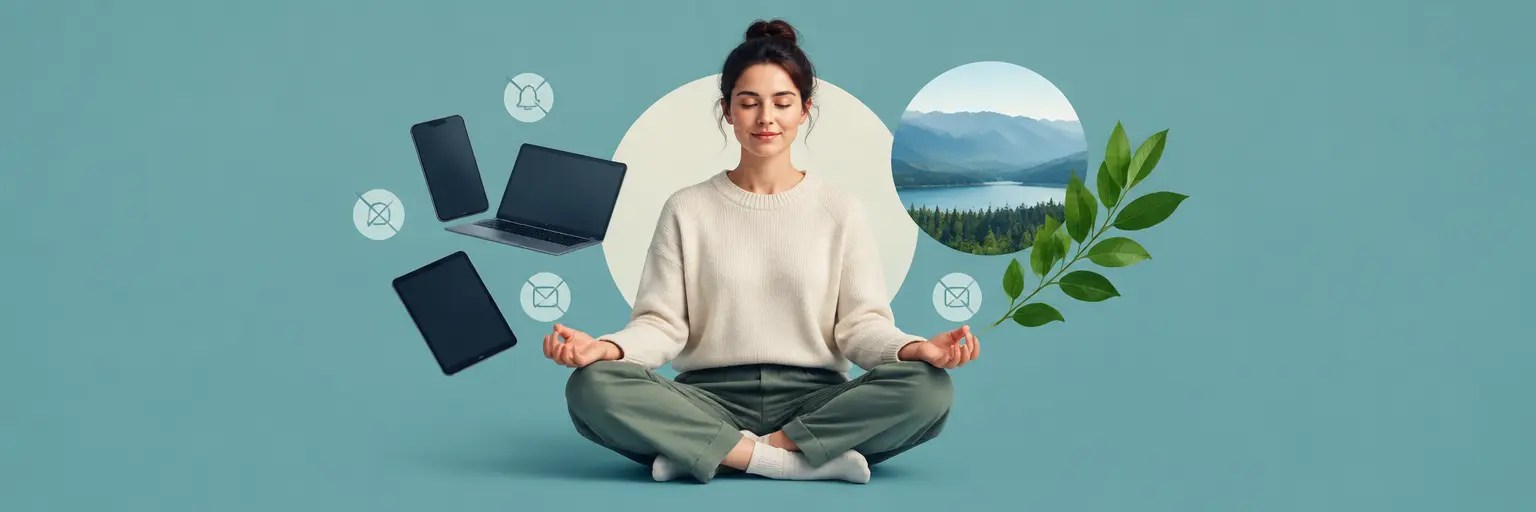
In a world engineered for endless scrolling, digital wellbeing is your intentional countermeasure. Unlike simple screen-time limits, this subcategory of Digital Minimalism focuses on quality of attention, emotional resilience, and designing your tech environment to serve your goals—not hijack them. Here, you’ll find actionable life hacks to reduce digital fatigue, protect your sleep, and build a healthier relationship with your devices, all while boosting real-world productivity.
🔋 Mindful Notification Management
Notifications are the primary dopamine triggers that fragment your focus. Master the art of notification batching—schedule specific times (e.g., 10 AM, 2 PM, 5 PM) to check emails and messages instead of reacting instantly. Turn off all non-human alerts, especially from social media and news apps, and use “Do Not Disturb” during deep work blocks. This hack alone can reclaim up to two hours of scattered attention daily.
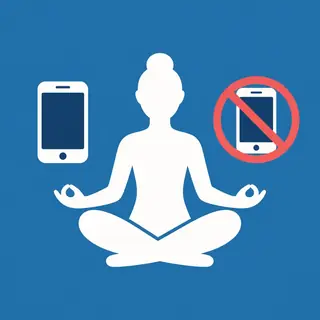
Expect a steep learning curve in the first week as your brain craves the pings. However, within 14 days, you’ll notice reduced anxiety and a significant boost in task completion. Pair this with a physical ritual—like placing your phone in another room during focused sessions—to create a powerful environmental cue. The goal isn’t to isolate yourself but to make every notification earn your attention, ensuring you’re always present for what truly matters.
🌙 Digital Wind-Down & Sleep Optimization
Your evening routine is the bedrock of next-day productivity. Implement a digital sunset—stop using screens at least 60 minutes before bedtime. Replace scrolling with offline activities like reading, journaling, or light stretching. The blue light from screens suppresses melatonin, disrupting your circadian rhythm and preventing deep REM sleep, which directly impacts memory consolidation and creative problem-solving.
Expect better sleep quality and easier morning wake-ups within a week. Use your phone’s grayscale mode after sunset to make apps less visually appealing, reducing the urge to browse. Also, charge your device outside the bedroom—this simple hack turns your bedroom into a sanctuary for rest, not a portal to infinite feeds. Consistency is key; your brain will gradually associate nightfall with rest, making you more alert and energetic during working hours.
🧠 Cognitive Decluttering & App Fasting
Digital clutter isn’t just visual—it’s cognitive. Every unused app, saved article, and redundant service adds to your mental load. Conduct a digital audit weekly: delete apps you haven’t used in 30 days, unsubscribe from low-value newsletters, and close dormant social accounts. Apply the “one-tap rule”—if accessing an app requires more than one mental step, remove it for 30 days and observe if you miss it.
Expect to feel a sense of lightness and reduced decision fatigue. By paring down your digital toolset, you free up working memory for meaningful projects. Implement a single-tab browser rule to minimize visual chaos, and use a bookmark manager to keep resources organized without overwhelming your toolbar. This practice shifts you from passive consumer to active curator of your digital environment, enhancing clarity for creative and strategic thinking.
📵 Social Media Friction & Intentional Browsing
Social platforms are engineered for infinite loops. Counter this with friction tactics: log out of every social app, delete shortcuts from your home screen, and only access them via a browser. Set a weekly social window (e.g., Saturday morning for 30 minutes) to catch up, making it a deliberate event rather than a default reflex. Use a time-limiting extension that blocks sites after your daily quota.
Expect initial FOMO (fear of missing out) for the first few days, followed by a profound sense of liberation. You’ll realize that most content is not only irrelevant but also habitually consumed. Replace this time with a curated list of high-quality RSS feeds or newsletters. This shift transforms you from a passive feed-surfer into an intentional learner, providing richer ideas without the algorithmic noise. Over time, your attention span for books and long-form content sharply improves.
🔍 Energy-Based Tech Scheduling
Not all hours are equal for digital work. Schedule your tech-heavy tasks during your peak energy window (often morning for most people) and save low-energy periods for passive consumption. For example, do deep coding or writing at 9 AM, check emails at 11:30 AM, and relegate social browsing to the post-lunch slump. This aligns your brain’s natural rhythms with task demands, reducing procrastination.
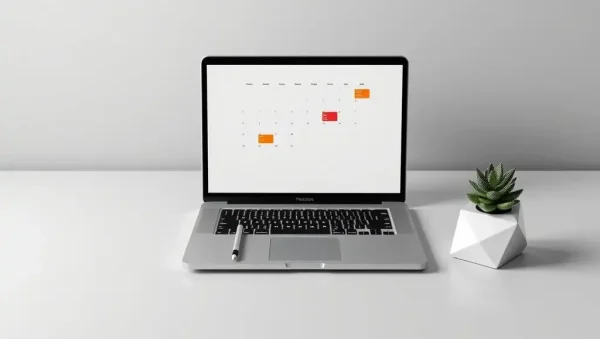
Expect a noticeable dip in mental exhaustion by 5 PM. You’ll also gain better control over your evening, as your dopamine system won’t be depleted by constant switching. Use a simple planner or a spreadsheet to map out your week with “digital blocks” and “analog blocks” (e.g., walking, talking, or crafting). This structure makes technology your servant, not your master, enabling higher output with less burnout.
Frequently Asked Questions
What is the fastest way to improve digital wellbeing?
Start with turning off all non-human notifications and setting a “Do Not Disturb” schedule from 10 PM to 7 AM. This alone reduces distraction and improves sleep quality. Within 48 hours, you’ll feel calmer and more focused. For lasting change, combine this with a weekly app audit to remove time-wasters.
Is digital wellbeing the same as a digital detox?
No. A detox is a short-term, total break from screens. Digital wellbeing is a long-term, sustainable practice of optimizing how you use tech. You still use devices, but strategically—like using grayscale mode, batch checking messages, and setting energy-based schedules. It’s about mastering your habits, not escaping them.
Can I still use social media while practicing digital wellbeing?
Yes, but intentionally. Log out by default, use only one designated time slot per week, and follow accounts that add value. Apply the “one-tap rule”—if you can’t access it without friction, you’ll naturally reduce impulsive checks. Limit to 30 minutes weekly to avoid falling back into loops.
How long until I notice productivity gains from digital wellbeing?
Most users report improved focus within 5–7 days of implementing notification batching and app fasting. Sleep quality improves within a week, and deep work capacity grows after two weeks. Full habit automation takes about 21 days, but early wins are visible quickly, which keeps motivation high.
What if I have to use my phone for work constantly?
You can still apply digital wellbeing by using productivity tools like focus timers, setting communication boundaries (e.g., reply only during work hours), and turning off all non-essential app alerts. Use a dedicated work profile with separate icons and auto-silence after hours. This ensures you’re reachable but not at your device’s mercy.