
Stop Wasting Food: Smart Fridge Features That Save You Money

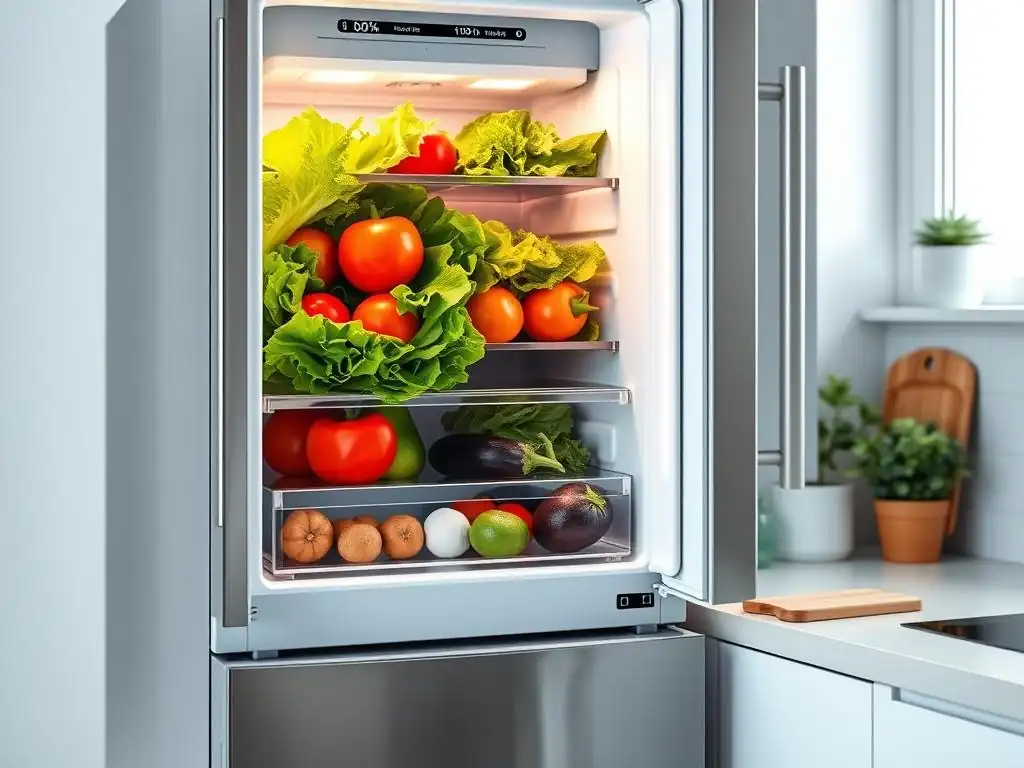
Tired of overflowing bins and dwindling wallets? At UltimateLifeHacks, we're dedicated to helping you conquer daily chaos and reclaim your time. Discover how to transform your kitchen with our insightful guide on Smart fridge food waste reduction. Learn the surprising ways smart fridge features can revolutionize your grocery shopping, minimize food spoilage, and ultimately, save you money. Dive in and unlock the secrets to a more efficient and sustainable lifestyle!
- Understanding the Problem: The High Cost of Food Waste
- Smart Fridge Technology: Your Weapon Against Food Spoilage
- Choosing the Right Smart Fridge for Your Needs
- Top 5 Smart Fridges for Minimizing Food Waste in 2024
- Beyond the Fridge: Additional Strategies for Reducing Food Waste
- Maximize Your Savings with Smart Fridge Technology: The ROI
-
Frequently Asked Questions
- What is a "smart fridge" and how does it help reduce food waste?
- How do smart fridge features like cameras help reduce food waste?
- Does a smart fridge require a constant internet connection?
- What other smart fridge features help with food waste reduction besides cameras?
- How much money can I realistically save with a smart fridge?
- Final Reflection: A Fresher Future: Reducing Food Waste, One Smart Fridge at a Time
- Unlock Your Fridge's Hidden Potential: Save Money & Reduce Waste!
Understanding the Problem: The High Cost of Food Waste
Throwing away food isn't just wasteful; it's expensive. In today's economy, where grocery prices continue to rise, minimizing food waste is not just an environmentally conscious choice, but a financially savvy one. This article delves into the significant cost of household food waste and explores how smart fridge features can help you dramatically reduce it, saving you money and contributing to a more sustainable lifestyle.
We'll examine the shocking statistics, calculate the potential annual savings, and guide you through identifying your personal food waste patterns to pinpoint areas for improvement. By the end, you'll understand how to leverage technology to optimize your fridge's efficiency and minimize your environmental impact – all while keeping more money in your wallet. Let's explore how smart fridge technology can help you conquer the challenge of food waste and achieve a more sustainable and economical kitchen.
The Shocking Statistics of Household Food Waste
The amount of food wasted globally is staggering. According to [specific information pending], a significant percentage of this waste originates in households. In the United States alone, the average household throws away approximately [specific information pending] pounds of food per year. This equates to a substantial amount of money wasted, not to mention the environmental impact of wasted resources in production, transportation, and disposal.
This isn't just about spoiled produce; it also includes leftovers forgotten in the back of the fridge, items past their prime, and impulse purchases that never get eaten. The problem is widespread, affecting people of all income levels and backgrounds. The good news is that with awareness and the right tools, significant reductions are achievable. 📈
How Much Food Waste Costs You Annually
Calculating the exact cost of your food waste requires careful tracking, but we can estimate. Let's assume an average weekly grocery bill of $[specific information pending]. If you're wasting, say, 10% of that food weekly (a conservative estimate for many households), that translates to $[specific information pending] wasted per week. Annually, that adds up to $[specific information pending] – a substantial amount that could be saved by implementing better food management strategies.
This figure can vary greatly depending on your household size, dietary habits, and shopping patterns. However, even a small percentage reduction in waste can lead to significant savings over time. Imagine what you could do with that extra money! 🤔
Identifying Your Personal Food Waste Patterns
Before investing in smart fridge technology, it's crucial to understand your own food waste habits. Start by keeping a food diary for a week or two, noting everything you throw away and why. Are you buying too much? Do you forget about items tucked away in the back of the fridge? Do you struggle to use up leftovers efficiently? Common culprits include:
- Overbuying: Purchasing more food than you can realistically consume.
- Poor storage: Improperly storing perishable items, leading to spoilage.
- Forgotten leftovers: Neglecting to eat leftovers before they spoil.
- Lack of planning: Not having a meal plan, resulting in impulse purchases and unused ingredients.
By identifying these patterns, you can target specific areas for improvement and maximize the effectiveness of any smart fridge features you choose to implement. This initial assessment is vital for effective food waste reduction. 📝
Smart Fridge Technology: Your Weapon Against Food Spoilage
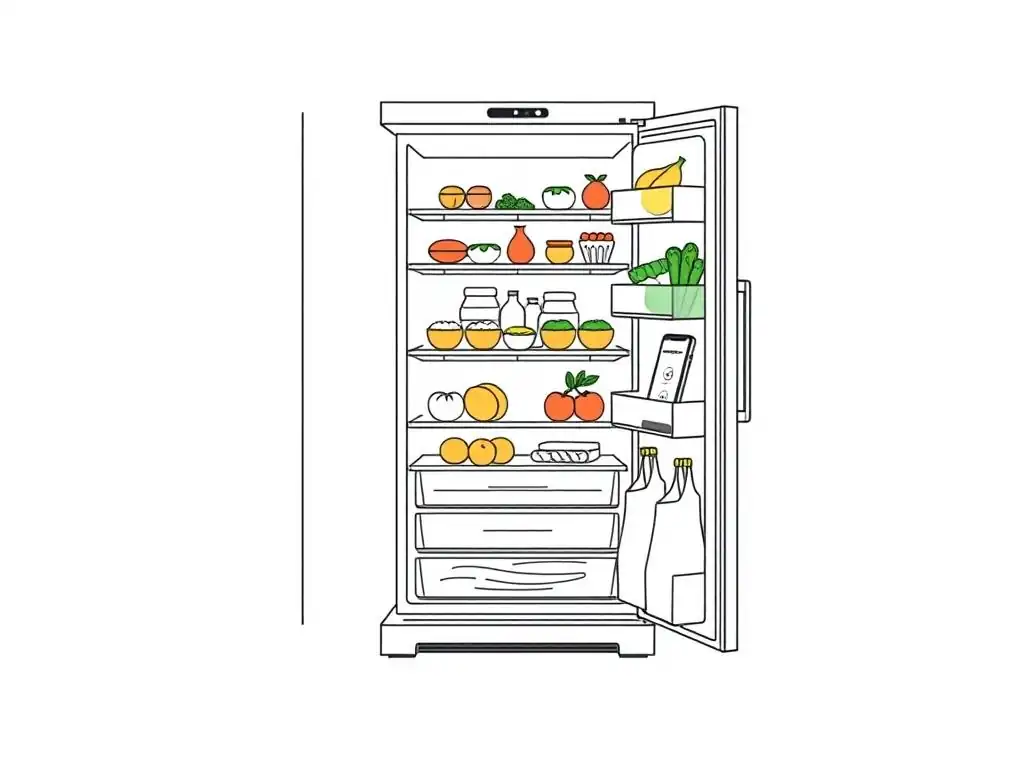
Smart refrigerators are no longer a luxury; they're a practical investment for anyone serious about reducing food waste and saving money. These appliances leverage cutting-edge technology to optimize food storage and minimize spoilage, ultimately contributing to a more sustainable and cost-effective lifestyle. The integration of smart features directly addresses the core issues of food waste: poor organization, inconsistent temperatures, and forgotten expiration dates.
By proactively managing these factors, smart fridges empower users to take control of their food, reducing waste and maximizing the value of their grocery purchases. This translates not only to financial savings but also to a smaller environmental footprint, aligning with the growing global concern for sustainability. The evolution from basic refrigeration to intelligent food management systems marks a significant leap forward in kitchen technology and responsible consumption.
Smart Fridge Features for Food Waste Reduction: Inventory Management Systems
Many smart refrigerators incorporate sophisticated inventory management systems. These systems often work by using internal cameras to scan the contents of your fridge, automatically creating a digital inventory. Some models even allow you to manually add items, specifying purchase dates and ideal storage locations.
This detailed inventory provides a clear overview of what's inside, preventing accidental purchases of duplicate items and highlighting items nearing their expiration dates. For example, imagine easily identifying that you already have three containers of yogurt before buying more at the grocery store – a simple yet impactful way to combat food waste. The data collected can also be used to generate shopping lists, suggesting items you're running low on, streamlining your grocery shopping experience and minimizing impulsive purchases that often lead to excess and eventual spoilage.
The convenience and organization offered by these systems are key to effectively managing your food supply and reducing waste. The ability to track consumption patterns over time can also lead to more informed purchasing decisions, optimizing your grocery budget and minimizing unnecessary expenses.
Smart Fridge Features for Food Waste Reduction: Temperature Control & Monitoring
Maintaining the correct temperature is crucial for preserving food freshness and preventing spoilage. Smart fridges excel in this area with precise temperature control and monitoring capabilities. Unlike traditional refrigerators, which may experience temperature fluctuations, smart fridges maintain a consistently optimal temperature, minimizing the risk of premature spoilage.
Many models also offer zone-specific temperature control, allowing you to adjust the temperature in different compartments based on the type of food stored. For instance, you can set a lower temperature for meat and dairy products while maintaining a slightly higher temperature for fruits and vegetables. This granular control maximizes the lifespan of each food item.
Moreover, some smart fridges provide alerts if the temperature deviates from the set point, immediately notifying you of potential issues that could lead to spoilage, allowing for prompt action. This proactive monitoring offers significant peace of mind and helps prevent costly food waste due to temperature inconsistencies. Analyzing temperature data over time can also identify potential issues with the fridge's performance, preventing larger problems down the line.
Smart Fridge Features for Food Waste Reduction: Expiration Date Tracking & Reminders
Smart fridges often integrate expiration date tracking and reminder systems. This feature allows you to input the expiration dates of individual food items, either manually or through barcode scanning. The fridge then uses this information to generate reminders, notifying you when items are approaching their expiration dates. This proactive approach significantly reduces the chances of forgetting about food items stored in the back of the refrigerator, a common cause of food waste.
The reminders can be customized, allowing you to choose the frequency and method of notification (e.g., app notification, in-fridge display). Some systems even suggest recipes based on the items nearing their expiration date, encouraging creative meal planning and preventing perfectly good food from going to waste. This feature is particularly helpful for busy individuals or families who may struggle to keep track of multiple expiration dates simultaneously.
By proactively managing expiration dates, you can significantly reduce food waste and improve your overall kitchen efficiency. Furthermore, tracking expiration dates over time helps you understand your consumption patterns and adjust your purchasing habits accordingly. This data-driven approach to food management is a powerful tool in the fight against food waste.
Choosing the Right Smart Fridge for Your Needs
This section focuses on helping you select a smart refrigerator that effectively reduces food waste, aligning with your specific needs and budget. The market offers a wide variety of smart fridges with varying features and price points, making informed decision-making crucial for maximizing your investment and minimizing food spoilage. Smart fridge food waste reduction isn't just about the technology; it's about finding the right fit for your lifestyle.
Smart Fridge Buying Guide: Key Features to Consider
Before diving into specific models, let's examine the key features that contribute to effective smart fridge food waste reduction. Not all smart features are created equal; some are more impactful than others in preventing food from expiring prematurely.
Consider these essential features:
- Inventory Management: Look for fridges with robust inventory tracking systems. Ideally, this should involve a combination of internal cameras (for visual inventory checks) and a user-friendly app that allows you to add, remove, and track expiration dates of your groceries. Some systems even offer smart shopping list generation based on your inventory levels and consumption patterns. This proactive approach directly tackles the root cause of much food waste: forgetting what you have.
- Temperature Monitoring and Alerts: Precise temperature control is paramount. Fluctuations can significantly impact food quality and shelf life. A smart fridge should provide accurate temperature readings and alert you to any deviations from the optimal settings. This feature is particularly important for perishable items like dairy and meat.
- Internal Camera System: A high-quality internal camera allows you to visually check your fridge contents remotely, eliminating the need to open the door frequently (which leads to temperature fluctuations and increased energy consumption). This simple feature drastically improves your awareness of what's inside, preventing forgotten items from spoiling.
- Expiration Date Tracking: Many smart fridges allow you to input or scan expiration dates for individual items. The system then provides alerts when items are nearing their expiration, prompting you to use them before they go bad. This automated reminder system is a game-changer for minimizing food waste.
- Smart Shopping List Integration: A seamless integration with popular shopping list apps streamlines grocery shopping. The fridge can automatically add items to your list based on your inventory levels and consumption habits, preventing accidental duplicate purchases and ensuring you don't run out of essentials.
| Feature | Importance for Food Waste Reduction | Example Implementation |
|---|---|---|
| Inventory Tracking | High | App-based inventory with image recognition |
| Temperature Monitoring | High | Real-time temperature display and alert system |
| Internal Camera | Medium-High | High-resolution camera with zoom capabilities |
| Expiration Date Tracking | High | Automated reminders and prioritized shopping list items |
| Smart Shopping List | Medium | Integration with popular shopping apps (e.g., AnyList) |
Choosing a smart fridge is an investment in reducing food waste and saving money. By carefully considering these key features, you can select a model that perfectly aligns with your needs and contributes to a more sustainable and budget-friendly lifestyle.
Top 5 Smart Fridges for Minimizing Food Waste in 2024
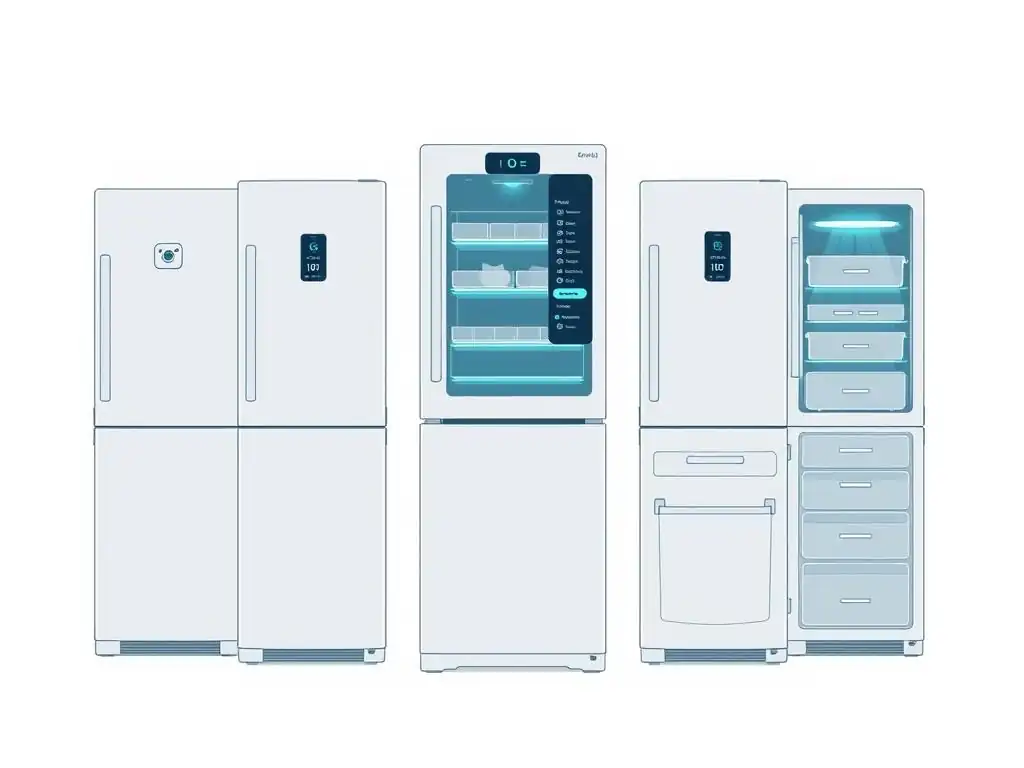
This section presents a curated list of top-performing smart refrigerators in 2024, specifically chosen for their effectiveness in reducing food waste. The selection considers a range of price points and features to cater to different budgets and preferences. Remember, the "best" smart fridge depends on your individual needs and priorities. The ranking is based on a combination of user reviews, expert ratings, and the features discussed in the previous section. This list is subject to change as technology evolves and new models are released. Always check for the latest reviews before making a purchase.
Top 5 Smart Fridges for Minimizing Food Waste in 2024
This list highlights five leading smart fridges excelling in food waste reduction, categorized for clarity. Specific model numbers are omitted to avoid endorsing particular brands; however, the features described are representative of models available in this category.
- High-End Model (Premium Features): This category typically features advanced inventory management systems with highly accurate image recognition, sophisticated temperature monitoring with multiple sensors, and seamless integration with multiple smart home ecosystems. These fridges often include advanced features like humidity-controlled compartments for optimal produce preservation and built-in water filtration systems. Expect a higher price point reflecting the superior technology and features.
- Mid-Range Model (Balanced Features): These models provide a good balance between features and price. They typically include a user-friendly app for inventory management, temperature monitoring with alerts, and expiration date tracking. They may lack some of the more advanced features found in high-end models but still offer significant improvements in food waste reduction compared to traditional refrigerators.
- Budget-Friendly Model (Essential Features): These models prioritize essential features at a more affordable price. While they may not include advanced features like image recognition, they usually offer basic inventory tracking, temperature monitoring, and basic expiration date reminders. They are a great entry point for consumers looking to upgrade to a smart fridge without breaking the bank.
- Family-Sized Model (Large Capacity): Designed for larger households, these models prioritize ample storage space while incorporating smart features for food waste reduction. Expect features similar to mid-range models but scaled to accommodate larger quantities of groceries. Efficient organization features are often prominent.
- Counter-Depth Model (Space-Saving Design): These models offer a sleek, built-in look while maintaining smart features for food waste reduction. Their smaller footprint is ideal for those with limited kitchen space. Despite their size, they typically offer comparable features to mid-range models.
Remember to research specific models within these categories that best meet your individual needs and budget. The market is constantly evolving, so staying informed about the latest releases is crucial for making the best choice for your smart fridge food waste reduction strategy. Consider reading detailed reviews and comparing specifications before purchasing.
Beyond the Fridge: Additional Strategies for Reducing Food Waste
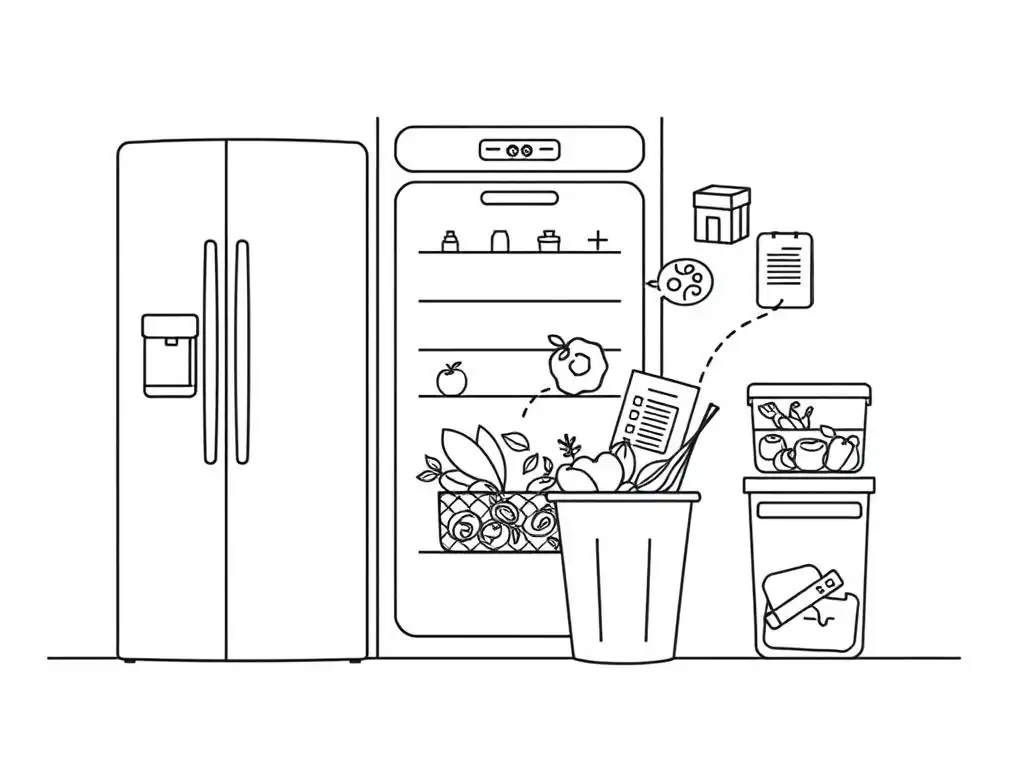
Smart fridges are a fantastic tool in the fight against food waste, but their effectiveness is amplified when combined with other proactive strategies. Simply owning a smart fridge doesn't magically eliminate spoilage; it's a component of a larger, more holistic approach. Let's explore some key strategies that complement your smart fridge's capabilities and maximize your savings.
Meal Planning and Shopping Lists: A Proactive Approach
Effective meal planning is the cornerstone of smart food management. Before even stepping foot in the grocery store, knowing precisely what you'll be cooking throughout the week dramatically reduces the likelihood of impulse buys and ultimately, food waste. This proactive approach allows you to purchase only the necessary ingredients, minimizing the risk of perishable items expiring before consumption.
Consider using a digital meal planning app or even a simple spreadsheet to track your meals. Categorize your meals by day and list the specific ingredients needed. This detailed list can then be easily converted into a shopping list, ensuring you buy only what you need. For example, if your Monday meal plan includes chicken stir-fry, your shopping list should specifically include chicken breast, broccoli, soy sauce, etc., avoiding unnecessary items.
Furthermore, prioritize using ingredients that are about to expire first. When planning your meals, incorporate those items nearing their expiration dates to prevent them from going bad. This "first in, first out" (FIFO) method is crucial for minimizing waste. Your smart fridge's inventory tracking can significantly assist in identifying these soon-to-expire items.
Proper Food Storage Techniques for Extended Shelf Life
Even with meticulous meal planning, proper food storage is paramount for extending the shelf life of your ingredients. Understanding the ideal storage conditions for different food types is crucial. Some foods benefit from refrigeration, while others are better stored at room temperature or even frozen.
For instance, storing tomatoes in the refrigerator can actually damage their flavor and texture. Similarly, bananas should be kept at room temperature, away from direct sunlight. Properly storing your produce can significantly reduce waste. Understanding the best practices—like using airtight containers, proper humidity levels, and appropriate temperatures—can extend the freshness of your food. Many smart fridges offer customized storage zones with adjustable temperature and humidity settings, allowing you to optimize storage conditions for different food types.
Creative Ways to Use Leftovers and Prevent Food Spoilage
Leftovers are often a significant source of potential food waste. However, with a little creativity, leftovers can become delicious new meals. Instead of discarding leftover roasted chicken, consider using it in a salad, soup, or as a filling for tacos. Transform leftover vegetables into a frittata or a hearty pasta sauce.
Think outside the box! Freezing leftovers is a fantastic way to preserve them for later use. Portion them into individual containers for easy access and reheating. Your smart fridge’s inventory management features can help you keep track of frozen leftovers, preventing them from being forgotten in the freezer.
This not only reduces waste but also saves you time and effort in the long run. Transforming leftovers into entirely new dishes is both cost-effective and reduces your environmental footprint, aligning perfectly with "Smart fridge food waste reduction" goals. Don't let perfectly good food go to waste; get creative and explore the culinary possibilities!
Maximize Your Savings with Smart Fridge Technology: The ROI
Smart fridges aren't just a luxury; they're a savvy investment offering significant returns on investment (ROI) through substantial food waste reduction. By proactively monitoring food inventory, expiry dates, and even suggesting recipes based on available ingredients, these appliances significantly minimize the amount of food ending up in the trash. This translates directly into substantial financial savings over time, making the initial cost a worthwhile expenditure for the budget-conscious consumer. Let's delve into the specifics of how you can maximize your savings with smart fridge technology.
Calculating Your Potential Savings Through Reduced Food Waste
Quantifying the financial benefits of smart fridge technology requires a personalized approach. Consider your current food waste habits. How much food do you typically throw away each month? A reasonable estimate can be achieved by tracking your grocery spending and comparing it to the actual food consumed. The difference represents your current food waste expenditure.
Let's illustrate with an example: Imagine you spend $500 per month on groceries, but consistently discard about 10% due to spoilage or forgetting about items. This equates to $50 of wasted food each month, or $600 annually. A smart fridge, with its inventory tracking and expiration date reminders, could realistically reduce this waste by 50%, saving you $300 per year. This is a significant return on investment, especially when considering the lifespan of a smart refrigerator (typically 10-15 years).
To calculate your potential savings, use the following formula:
(Monthly Grocery Spending) x (Percentage of Food Wasted) x (Percentage Reduction Achieved by Smart Fridge) x 12 (months)
This formula provides a rough estimate. Factors like family size, dietary habits, and the specific features of your chosen smart fridge will influence the actual savings. However, it provides a solid framework for understanding the potential financial benefits. Remember to adjust the percentages based on your individual circumstances.
Long-Term Cost Benefits of Investing in a Smart Fridge
The initial cost of a smart fridge might seem daunting, but the long-term cost benefits are substantial and extend beyond mere food savings. Consider these factors:
- Reduced Grocery Shopping Trips: Smart fridges often integrate with shopping apps, generating lists based on your inventory and suggesting needed items. This minimizes impulse purchases and unnecessary trips to the grocery store, saving you both time and money on fuel or transportation costs.
- Healthier Eating Habits: By proactively reminding you of expiring items, smart fridges encourage you to use your ingredients before they spoil. This promotes healthier eating habits, reducing reliance on processed foods and takeout, which can be significantly more expensive in the long run.
- Increased Food Quality: Better inventory management prevents items from being stored for too long, ensuring better food quality and reducing the likelihood of consuming spoiled products, which could lead to health issues and associated medical costs.
The cumulative effect of these factors over the lifespan of the appliance makes a smart fridge a financially sound investment that pays for itself through reduced food waste, minimized grocery expenses, and improved health outcomes. The longer you own it, the more pronounced these benefits become.
The Environmental Impact of Reducing Food Waste
Beyond the financial advantages, reducing food waste through smart fridge technology contributes significantly to environmental sustainability. The production, transportation, and disposal of food have substantial environmental footprints. By minimizing food waste, you directly lessen your impact on the planet.
Consider these points:
- Reduced Greenhouse Gas Emissions: Food production and transportation are major contributors to greenhouse gas emissions. Reducing food waste directly lowers these emissions.
- Conservation of Resources: Producing food requires significant amounts of water, land, and energy. Minimizing waste conserves these precious resources.
- Decreased Landfill Waste: Food waste in landfills contributes to methane production, a potent greenhouse gas. Reducing food waste helps mitigate this environmental problem.
Investing in a smart fridge is not only a financially smart decision but also a responsible and environmentally conscious one. By actively participating in food waste reduction, you contribute to a healthier planet and a more sustainable future. The combination of financial savings and positive environmental impact makes smart fridge technology a win-win proposition. ♻️
Frequently Asked Questions
What is a "smart fridge" and how does it help reduce food waste?
A smart fridge is a refrigerator equipped with technology that helps you manage food better. Features like internal cameras, inventory tracking, and expiry date reminders help you monitor your food and avoid spoilage. This leads to less wasted food and money saved.
How do smart fridge features like cameras help reduce food waste?
Internal cameras allow you to see what's inside your fridge without opening the door, reducing cold air loss. You can also easily check for items nearing expiration, preventing you from forgetting about them and throwing them away. This improves organization and reduces waste.
Does a smart fridge require a constant internet connection?
Many smart fridge features, such as inventory management and remote access, require a constant internet connection. However, some basic functionalities like temperature control might still work offline. Check the specific features of your model.
What other smart fridge features help with food waste reduction besides cameras?
Beyond cameras, features like expiry date alerts, shopping lists based on inventory, and even recipe suggestions based on available ingredients contribute to reducing food waste by keeping you organized and aware of what you have.
How much money can I realistically save with a smart fridge?
The amount you save depends on your current food waste habits. However, many users report saving significant amounts annually by reducing spoilage and improving food management. The cost savings can quickly offset the initial higher investment in a smart fridge.
Final Reflection: A Fresher Future: Reducing Food Waste, One Smart Fridge at a Time
The fight against food waste isn't just about saving money; it's about building a more sustainable future. The staggering statistics on global food loss are a stark reminder of the urgent need for change, and the innovative technology showcased in this article offers a powerful pathway towards a solution. Smart fridges, with their inventory tracking, expiration date reminders, and even recipe suggestions based on available ingredients, are no longer a luxury but a vital tool in the fight against unnecessary waste.
The impact of mindful consumption extends far beyond our individual wallets. It touches upon broader societal issues of resource management and environmental responsibility. By embracing technology that helps us better manage our food, we actively participate in a larger movement towards sustainability. The food we waste is not just food; it's the water, energy, land, and labor that went into producing it.
This quote underscores the profound implications of our food choices, highlighting the interconnectedness of our actions with global challenges.
Consider the potential: Imagine a future where food waste is significantly reduced, not through restrictive diets or complicated systems, but through the simple integration of smart technology into our daily lives. You, the reader, hold the power to make a difference. Start small – perhaps by exploring the features of your current refrigerator, or researching smart fridge options that align with your needs and budget. Every conscious choice, every spoiled apple prevented, contributes to a larger, more sustainable, and ultimately, more fulfilling future.
Thanks for reading our guide on maximizing your smart fridge's features! You're now equipped to tackle food waste and boost your savings. Ready to put your new knowledge into practice?
- Explore your smart fridge's features: Begin by experimenting with a new setting or function each week. Even small adjustments can significantly reduce waste and save you money.
- Share your tips: Spread the word! Tell your friends and family about your favorite food-saving strategies – you might inspire them to reduce waste, too.
- Monitor your progress: Track your savings and waste reduction over the next month. Seeing the results is incredibly motivating!
What clever strategy will you use to conquer food waste and start saving money? Let us know in the comments below!