
Smart Sound on a Budget: Affordable Options for Incredible Home Audio

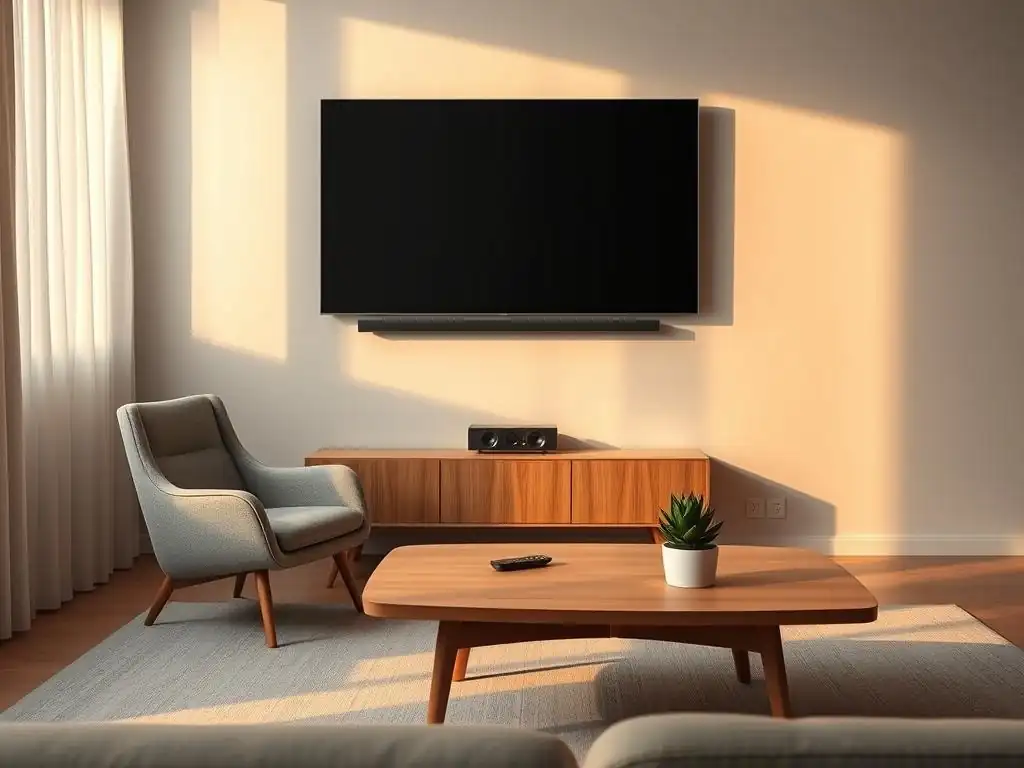
Tired of overpriced home audio systems? Discover how to achieve incredible sound without breaking the bank. UltimateLifeHacks unveils the secrets to building a cheap home audio system setup that rivals the expensive brands. Dive in and unlock the potential for a richer, more immersive audio experience – without compromising quality. Let's transform your listening experience, one affordable hack at a time!
- Finding the Best Cheap Home Audio System Setup: A Buyer's Guide
- Top Picks for Affordable Home Audio Systems
- Maximizing Your Budget: Tips and Tricks for Affordable Home Audio
- Frequently Asked Questions (FAQs) about Cheap Home Audio Systems
-
Frequently Asked Questions
- What are some cheap yet effective ways to improve my home audio?
- Can I build a cheap home audio system myself?
- How can I get the best sound quality on a tight budget?
- What are some good sources for finding affordable audio equipment?
- Is it worth buying a cheap home audio system over using my TV's speakers?
- Final Reflection: The Symphony of Sound, Within Reach
- Unleash the Power of Sound: Upgrade Your Home Audio Today!
Finding the Best Cheap Home Audio System Setup: A Buyer's Guide
Building a high-quality home audio system doesn't necessitate breaking the bank. This guide navigates the landscape of affordable options, helping you create an incredible listening experience without emptying your wallet. We'll explore various components, considerations, and strategies to assemble a cheap home audio system setup that delivers exceptional sound quality, proving that premium audio is achievable even on a budget. We'll cover everything from defining your listening needs and understanding the impact of room acoustics to selecting the right speakers, amplifier, and audio sources.
This comprehensive guide will empower you to make informed decisions and achieve the best possible sound within your financial constraints, turning your home into a haven for exceptional audio enjoyment. Let's dive into the world of budget-friendly home audio excellence! 🎉
Understanding Your Needs: Budget-Friendly Home Audio Solutions
Choosing the right cheap home audio system setup starts with a clear understanding of your specific requirements. Ignoring this crucial first step often leads to wasted money and suboptimal performance. Consider these key factors before making any purchases:
Defining Your Listening Habits: Music, Movies, or Both?
The type of audio content you primarily consume significantly influences your system choices. Are you a music aficionado who prioritizes accurate reproduction of instruments and vocals? Or are you a movie buff who values immersive surround sound and powerful bass?
- Music Lovers: A system focused on stereo sound quality, with a good pair of bookshelf speakers and a capable amplifier, will likely suffice. Look for amplifiers with clear and detailed sound reproduction capabilities.
- Movie Buffs: Consider a system that supports surround sound, possibly with a subwoofer for enhanced bass response. This might involve a more complex setup, but many affordable 5.1 or even 7.1 systems are available.
- Music & Movies: A versatile system that balances both stereo and surround sound capabilities is ideal. Consider 2.1 systems (two speakers and a subwoofer) as a good compromise.
Room Size and Acoustics: Impact on System Choice
Room size and acoustics play a critical role in determining the appropriate speaker and amplifier combination. A small room requires less powerful speakers than a large one. Similarly, rooms with poor acoustics (e.g., excessive echo or reverberation) may require careful speaker placement and potentially acoustic treatment.
| Room Size | Speaker Type Recommendation | Amplifier Power Recommendation (Watts) |
|---|---|---|
| Small (under 100 sq ft) | Bookshelf speakers | 20-40 per channel |
| Medium (100-200 sq ft) | Bookshelf or floor-standing speakers | 40-80 per channel |
| Large (over 200 sq ft) | Floor-standing speakers | 80+ per channel |
Poor acoustics can significantly impact sound quality. Consider adding acoustic panels or rugs to dampen reflections and improve clarity.
Essential Components: Speakers, Amplifier, and Sources
Building a cheap home audio system setup requires careful selection of core components:
- Speakers: Bookshelf speakers are a cost-effective option for smaller rooms, offering a good balance of size and sound quality. For larger rooms, floor-standing speakers provide more power and bass response. Consider the speaker's impedance (usually 6 or 8 ohms) when matching them with an amplifier.
- Amplifier: The amplifier powers the speakers, ensuring sufficient volume and clarity. Choose an amplifier with enough power (measured in watts per channel) to drive your chosen speakers effectively in your room. Consider features like multiple inputs (for various audio sources) and tone controls.
- Sources: This refers to devices that feed audio into your system. Common sources include CD players, turntables (for vinyl records), streaming devices (like Chromecast Audio or Bluetooth adapters), and computers. Ensure your amplifier has appropriate input connections for your chosen sources. Consider the quality and convenience of different sources, matching them to your budget and listening preferences. Remember that a high-quality source will improve the overall sound quality of your system.
Top Picks for Affordable Home Audio Systems
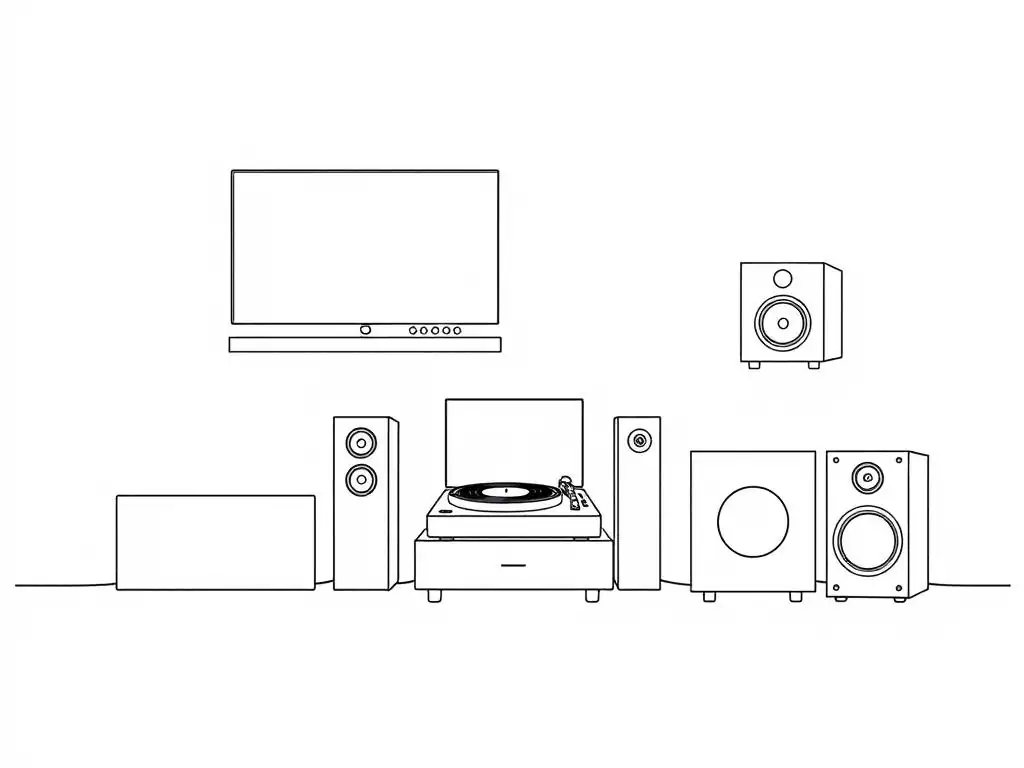
This section dives deep into specific budget-friendly options for building a fantastic home audio setup. We'll compare several popular choices, highlighting their strengths and weaknesses to help you make an informed decision for your needs and budget. Remember, a "cheap home audio system setup" doesn't have to mean compromising on quality—with a little research, you can find incredible value.
Budget Bluetooth Speakers: Anker Soundcore Flare 2 and JBL Flip 6 Comparison
Choosing between portable Bluetooth speakers can be tricky. Two strong contenders in the budget-friendly arena are the Anker Soundcore Flare 2 and the JBL Flip 6. Let's break down their features and help you decide which is the better fit for your "cheap home audio system setup".
Anker Soundcore Flare 2: Features, Pros, and Cons
The Anker Soundcore Flare 2 boasts a 360° sound design, making it ideal for filling a smaller room with immersive audio. Its unique selling point is the integrated LED light show, adding a fun ambiance to any gathering.
- Features: 360° sound, LED light show, IPX7 waterproof rating, up to 13 hours of playtime, BassUp technology.
- Pros: Excellent sound quality for its price, vibrant light show, durable and waterproof, long battery life.
- Cons: Lacks the deeper bass response of some competitors, slightly larger and heavier than the JBL Flip 6.
JBL Flip 6: Features, Pros, and Cons
Known for its robust build and powerful sound, the JBL Flip 6 is a popular choice for its compact size and impressive audio output. It's a great option for both indoor and outdoor use.
- Features: Compact and portable design, IP67 dust and waterproof rating, up to 12 hours of playtime, improved bass response compared to previous models.
- Pros: Excellent portability, superior bass, durable and weather-resistant.
- Cons: Lacks the 360° sound and light show of the Anker Soundcore Flare 2, slightly shorter battery life.
Head-to-Head Comparison: Which is Right for You?
| Feature | Anker Soundcore Flare 2 | JBL Flip 6 |
|---|---|---|
| Sound Quality | Excellent, 360° sound | Excellent, punchy bass |
| Portability | Slightly less portable due to size and weight | Very portable and compact |
| Water Resistance | IPX7 | IP67 (dust and waterproof) |
| Battery Life | Up to 13 hours | Up to 12 hours |
| Special Features | LED light show | Superior bass, more durable construction |
| Price | Generally slightly cheaper than the JBL Flip 6 | Generally slightly more expensive |
Ultimately, the best choice depends on your priorities. Do you prioritize immersive 360° sound and a fun light show? The Anker Soundcore Flare 2 might be your pick. If portability, superior bass, and rugged durability are key, the JBL Flip 6 is the better option. Both offer incredible value for a cheap home audio system setup.
Affordable Soundbars: Samsung HW-Q600B Soundbar vs. Sonos Beam (Gen 2)
Moving beyond portable speakers, soundbars offer a more immersive home theater experience. Here, we compare two popular choices that strike a balance between price and performance.
Samsung HW-Q600B Soundbar Review: Features and Performance Analysis
The Samsung HW-Q600B offers a compelling combination of features and performance at a competitive price point. It delivers a significant upgrade over your TV's built-in speakers.
- Features: Dolby Atmos support, multi-channel surround sound, wireless subwoofer, HDMI eARC connectivity, various sound modes.
- Performance Analysis: Offers a surprisingly rich and detailed soundscape, with decent bass response from its wireless subwoofer. Dolby Atmos provides an elevated listening experience, creating a more immersive soundscape than many similarly priced soundbars. However, some users might find the bass a bit lacking compared to higher-end models.
Sonos Beam (Gen 2) Review: Features and Performance Analysis
The Sonos Beam (Gen 2) is known for its sleek design and seamless integration with other Sonos devices. While pricier than the Samsung, it offers a premium listening experience.
- Features: Compact design, Dolby Atmos support, AirPlay 2 compatibility, simple setup and integration with other Sonos speakers, Alexa and Google Assistant built-in.
- Performance Analysis: The Beam (Gen 2) delivers clear, balanced sound with surprisingly good detail for its size. The soundstage is wide and immersive, making it suitable for various audio content. However, its smaller size means the bass response is not as impactful as some larger soundbars.
Comparing Features and Value: Which Offers Better Sound Quality for the Price?
The Samsung HW-Q600B offers more features for the price, like a dedicated subwoofer and a more powerful overall sound. However, the Sonos Beam (Gen 2) excels in sound quality, especially in the mid-range and highs, and offers superior integration within a smart home ecosystem. For a truly "cheap home audio system setup," the Samsung offers more bang for your buck. However, if seamless smart home integration and a refined audio signature are priorities, the Sonos Beam (Gen 2) is worth the premium, even if it pushes the budget slightly. The best choice depends on individual priorities and budget constraints.
Building a Cheap Home Theater System: A Step-by-Step Guide
Building a cheap home theater system doesn't mean sacrificing quality. With careful planning and smart shopping, you can achieve surprisingly immersive sound without breaking the bank. This step-by-step guide will help you navigate the process, ensuring you get the most bang for your buck. Remember, the key is prioritizing your needs and focusing on components that deliver the best sound quality within your budget. Don't feel pressured to buy everything at once; you can gradually upgrade your system over time.
The first step is to determine your budget. How much are you willing to spend on your entire setup? This will dictate the quality and features of the components you can afford. Once you have a budget in mind, you can start researching specific components. Consider prioritizing your needs. Do you need a full surround sound system, or would a 2.1 system (two speakers and a subwoofer) suffice? A 2.1 system is a great entry point for budget-conscious consumers and offers a significant improvement over built-in TV speakers.
Next, research different brands and models. Read reviews and compare specifications to find the best value for your money. Don't be afraid to look at refurbished or open-box items, as these can often be found at significantly lower prices than new products. Websites and forums dedicated to home audio are excellent resources for finding deals and recommendations. Remember to factor in the cost of cables and any additional accessories you might need.
Choosing Affordable Surround Sound Speakers: Micca MB42X vs. ELAC Debut 2.0 B6.2
Choosing the right speakers is crucial for a good home theater experience. Two popular budget-friendly options frequently compared are the Micca MB42X and the ELAC Debut 2.0 B6.2. Both offer excellent sound quality for their price point, but they have slightly different strengths.
The Micca MB42X are known for their surprisingly warm and detailed sound, particularly impressive considering their price. They are a good all-around choice for those looking for a balanced sound signature. They are also relatively compact, making them suitable for smaller rooms. However, they might lack the sheer power and bass extension of some more expensive options.
The ELAC Debut 2.0 B6.2, on the other hand, often receives praise for their impressive clarity and detailed high frequencies. They deliver a more dynamic and powerful sound than the Miccas, making them a better choice for larger rooms or those who prefer a more impactful listening experience. However, some users find their sound a little brighter or less warm than the Miccas.
The best choice between the two depends on your personal preferences and the size of your room. If you prioritize a warm and balanced sound in a smaller space, the Micca MB42X might be a better fit. For a more powerful and detailed sound in a larger room, the ELAC Debut 2.0 B6.2 is a strong contender. Reading detailed reviews from various sources will help you make an informed decision.
Selecting a Budget-Friendly AV Receiver: Key Features to Consider
The AV receiver is the brain of your home theater system. It processes the audio signals from your sources (like your Blu-ray player or streaming device) and sends them to your speakers. Choosing a budget-friendly AV receiver doesn't mean compromising on essential features. Prioritize features based on your needs. For example, if you only plan on using two speakers, you don’t need a receiver with 7.1 channel support.
Some key features to consider when selecting a budget-friendly AV receiver include: the number of HDMI inputs (to connect your devices), the number of channels (for surround sound), and the presence of features like Dolby Digital or DTS decoding for enhanced audio quality. Look for receivers that offer at least 5.1 channel support if you plan to expand your system in the future. Also, check for reviews that highlight the receiver's ease of use and setup.
A user-friendly interface can significantly simplify the process of setting up and using your home theater system. Don't underestimate the importance of a clear and intuitive setup process, especially if you're a beginner.
Connecting Your Components: A Simple Setup Guide for Beginners
Connecting your home theater components might seem daunting, but it's simpler than you think. Start by consulting the manuals for your AV receiver and speakers. These manuals typically provide clear diagrams and instructions for connecting the components. The most important connections are those between your AV receiver and your speakers, and between your sources (like your TV, Blu-ray player, or game console) and the receiver.
Generally, you'll use speaker wire to connect your speakers to the corresponding terminals on the back of your AV receiver. Make sure you connect the correct speaker wire to the correct terminal (left front, right front, center, etc.). Next, connect your sources to the receiver using HDMI cables. HDMI cables carry both audio and video signals, making them the preferred method for connecting most modern devices. Some receivers also have optical or coaxial digital audio inputs, which can be used to connect older devices.
Once everything is connected, power on your components and follow the on-screen instructions to configure your AV receiver. This usually involves setting the speaker configuration (e.g., 5.1 surround sound), calibrating the sound, and choosing your preferred audio settings. Take your time and carefully follow the instructions; this ensures your system is properly configured for optimal sound quality. If you encounter any problems, refer to your receiver's manual or online support resources. Troubleshooting resources are often readily available online for most AV receivers.
Maximizing Your Budget: Tips and Tricks for Affordable Home Audio
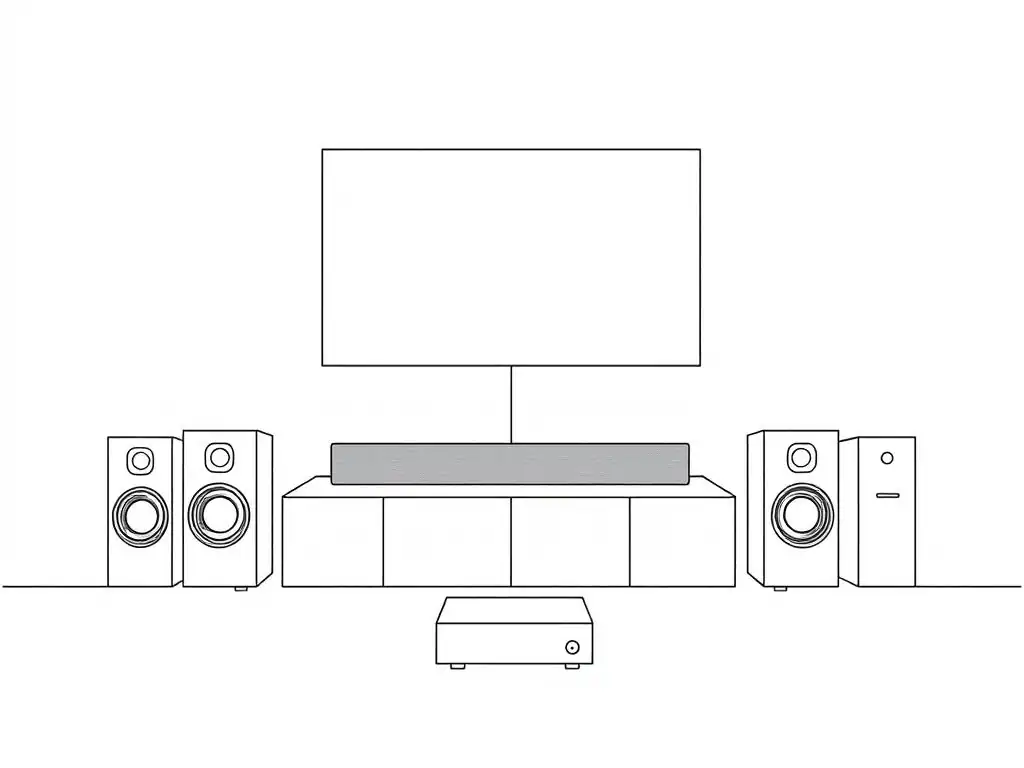
This section focuses on practical strategies to build a cheap home audio system setup without compromising on quality. We'll explore avenues for saving money while still achieving a rich and immersive listening experience. Remember, a great sound system doesn't have to break the bank! Careful planning and smart shopping can significantly reduce your costs.
Used Audio Equipment: Finding Bargains and Ensuring Quality
Purchasing pre-owned audio equipment is a fantastic way to significantly reduce the cost of setting up your cheap home audio system setup. However, careful consideration and due diligence are essential to avoid potential pitfalls. This section details how to find quality used equipment and ensure you're getting a good deal.
Where to Find Used Audio Equipment: Online Marketplaces and Local Shops
The internet offers a treasure trove of used audio equipment. Online marketplaces like eBay and Craigslist often have listings for receivers, speakers, and other components at significantly discounted prices. Local classifieds, pawn shops, and even garage sales can be surprisingly fruitful hunting grounds, offering opportunities to inspect items in person before purchasing. Remember to search using variations of the keyword "cheap home audio system setup" to broaden your results. Don't overlook smaller, specialized audio forums; enthusiasts often sell well-maintained equipment there.
Inspecting Used Equipment: Identifying Potential Problems
Before buying any used audio equipment, a thorough inspection is crucial. Listen carefully for any unusual noises like crackling, buzzing, or distortion. Check the physical condition of the equipment for any visible damage, scratches, or signs of wear and tear. Inspect the connections and ensure they are all working properly.
For speakers, look for any signs of damage to the cones or surrounds. If possible, test the equipment with your own music source to verify its functionality. Don't be afraid to ask the seller questions and negotiate the price based on the condition of the equipment. This proactive approach will help you avoid costly repairs or disappointments later.
Restoring and Maintaining Used Audio Equipment for Long-Term Value
Even well-maintained used equipment may benefit from some TLC. Cleaning the contacts with a specialized contact cleaner can improve signal quality. Replacing worn-out parts, like speaker foam surrounds (a common issue with older speakers), can significantly extend the lifespan and performance of your system. Regular dusting and careful handling will help prevent further damage and maintain the value of your investment. Investing a small amount in maintenance can yield significant long-term savings and enhance the enjoyment of your cheap home audio system setup.
DIY Home Audio Solutions: Creative and Cost-Effective Options
For the truly budget-conscious, building or modifying your own audio components can offer incredible savings and a satisfying level of customization.
Building Your Own Speakers: A Beginner's Guide
Building your own speakers may seem daunting, but with readily available online resources and kits, it's surprisingly achievable. Numerous tutorials and guides offer step-by-step instructions, from selecting suitable drivers and crossovers to constructing the speaker cabinets. This approach lets you tailor the design and sound characteristics to your preferences, potentially achieving superior performance at a fraction of the cost of buying pre-built speakers.
The initial investment in tools and materials might be slightly higher, but the long-term savings, along with the pride of creating your own cheap home audio system setup, are immeasurable. Remember to prioritize safety and follow instructions carefully.
Upcycling Old Speakers: Giving Them a New Lease on Life
Don't discard those old speakers gathering dust in the attic! Often, all they need is a bit of refurbishment to restore their sound quality and aesthetic appeal. Replacing worn-out components, such as the foam surrounds on the drivers, can dramatically improve their performance.
A fresh coat of paint or a new fabric covering can give them a modern, updated look. This process is environmentally friendly and can revitalize perfectly functional speakers, providing a significant boost to your cheap home audio system setup without spending a fortune. This is a great way to add a unique, personalized touch to your home entertainment setup.
Frequently Asked Questions (FAQs) about Cheap Home Audio Systems
This section addresses common queries regarding building a high-quality, budget-friendly home audio system. We'll explore strategies for maximizing sound quality without breaking the bank, examine reputable affordable brands, and discuss the feasibility of gradual system upgrades.
How to Get the Best Sound Quality on a Budget?
Achieving excellent sound quality on a budget requires strategic planning and smart purchasing decisions. It's less about buying the most expensive components and more about optimizing your setup and choosing wisely. Here are some key strategies:
- Prioritize Speakers: Invest the majority of your budget in quality speakers. Good speakers are the foundation of any audio system. Look for speakers with a frequency response that suits your listening preferences (e.g., a wider range for diverse music genres). Consider bookshelf speakers or smaller floor-standing models if space allows. Avoid overly cheap, flimsy speakers; they often distort sound at higher volumes.
- Room Acoustics Matter: The acoustics of your listening room significantly impact sound quality. Experiment with speaker placement. Hard surfaces reflect sound, creating echoes and uneven sound distribution. Consider using sound-absorbing materials like rugs, curtains, or acoustic panels to dampen reflections and improve clarity. This is a surprisingly effective, low-cost upgrade.
- Amplification is Key: While not always the most expensive component, the amplifier is crucial for powering your speakers effectively. A decent, affordable amplifier will significantly improve the clarity and power of your audio compared to using your TV's built-in speakers. Research amplifiers within your budget; consider used options from reputable brands for potential savings.
- Source Matters: The quality of your audio source also affects the overall sound. Streaming services at higher bitrates (like lossless audio) will sound noticeably better than compressed formats. Ensure your streaming device or media player supports high-quality audio playback.
- Consider Used Equipment: Don't dismiss the used market. You can often find excellent quality speakers and amplifiers at a fraction of their original price from reputable sellers. Inspect carefully before purchasing.
Example: Let's say you have a $300 budget. Instead of spending $100 on each component (speakers, amplifier, etc. ), allocate $200 to a pair of high-quality bookshelf speakers and $100 on a basic, yet functional, amplifier. This approach significantly improves the overall listening experience.
What are the Best Affordable Home Audio Brands?
Several reputable brands offer excellent value and sound quality without the premium price tag. It's important to note that "best" is subjective and depends on individual preferences. However, these brands consistently receive positive reviews for their budget-friendly offerings:
| Brand | Strengths | Considerations |
|---|---|---|
| JBL | Powerful bass, durable construction | Some models may lack nuanced treble detail |
| Polk Audio | Balanced sound, good value for the price | Less bass-heavy than some competitors |
| Klipsch | High sensitivity, detailed sound | Can be bright for some listeners |
| Elac | Accurate sound reproduction, detailed imaging | May require a powerful amplifier |
| Yamaha (certain lines) | Reliable performance, good value | Some models may have simpler designs |
Remember to research specific models within these brands, as sound quality can vary greatly even within the same brand. Reading reviews from other users is crucial before making a purchase.
Can I Upgrade My System Gradually?
Absolutely! One of the great advantages of a modular home audio system is the ability to upgrade components incrementally. Start with the most impactful component (likely speakers) and gradually improve other areas as your budget allows.
For instance:
- Phase 1: Invest in a good pair of bookshelf speakers and a basic amplifier.
- Phase 2: Upgrade to a better amplifier with more power and features.
- Phase 3: Add a subwoofer for enhanced bass response.
- Phase 4: Consider upgrading to higher-quality speaker cables or exploring different speaker placement options.
This approach minimizes upfront costs while allowing you to enjoy incremental improvements in sound quality over time. It's a cost-effective and flexible way to build your ideal "cheap home audio system setup" without feeling pressured to make all the upgrades at once. Remember to always research and compare before each purchase to ensure you're getting the best value for your money.
How to troubleshoot common problems with cheap audio systems?
Troubleshooting a budget-friendly home audio system often involves simple fixes. Let's explore some common issues and their solutions. A significant percentage of problems stem from incorrect setup or connectivity issues, rather than inherent defects in the equipment itself.
One frequent problem is poor sound quality. This can manifest as muffled sound, static, or distortion. Before assuming a component is faulty, check your connections. Ensure all cables are securely plugged into both the audio source (like your TV or phone) and the speakers or receiver. Loose connections are a surprisingly common culprit.
Also, verify that the correct audio input is selected on your receiver or soundbar. Sometimes, accidentally selecting the wrong input source can lead to silence or distorted audio. If using wireless speakers, ensure they're properly paired and within range of the transmitter. Low battery levels in wireless speakers can also cause audio dropouts or crackling.
Another common issue is no sound at all. This might seem daunting, but systematic troubleshooting can help. First, confirm that your audio source is actually playing sound. If you're using a TV, check the TV's volume and mute settings. If the audio source is a streaming device, ensure the device itself isn't muted and the volume is turned up.
Then, check the volume on your receiver or soundbar and the speakers themselves. Next, trace the signal path. Is the audio source connected to the receiver or soundbar correctly? Is the receiver or soundbar turned on and properly connected to the speakers? If you're using an amplifier, make sure it's receiving power and isn't overloaded.
Dealing with static or buzzing noises requires a slightly different approach. Static often points to interference from other electronic devices. Try moving your audio equipment away from other sources of electromagnetic interference, like microwaves or Wi-Fi routers. If the static persists, check your cabling. Consider using shielded cables to minimize interference. A buzzing noise might indicate a grounding problem. Ensure your audio equipment is properly grounded and that there aren't any loose wires touching metal parts.
Finally, if your cheap home audio system is exhibiting intermittent sound problems, such as dropouts or sudden bursts of static, it's crucial to identify the pattern. Does it occur only at certain times of day? Is it related to the use of other appliances? This information can provide valuable clues. If the problem seems intermittent and related to wireless connectivity, consider upgrading your Wi-Fi router or using a wired connection if possible. Keep in mind that cheaper systems may be more susceptible to interference.
Remember, patience is key when troubleshooting. By systematically checking connections, settings, and potential sources of interference, you can often resolve these common problems without needing professional assistance, saving both time and money. A little detective work can often fix even the most frustrating audio issues.
Frequently Asked Questions
What are some cheap yet effective ways to improve my home audio?
You can achieve great sound without breaking the bank! Consider using budget-friendly Bluetooth speakers, repurposing old devices, or investing in a used stereo system. These options provide excellent sound quality at a fraction of the cost.
Can I build a cheap home audio system myself?
Absolutely! Many online resources offer guides on building DIY speakers and amplifier circuits. This approach allows for complete customization and can be significantly cheaper than buying pre-built systems, albeit more time-consuming.
How can I get the best sound quality on a tight budget?
Focus on strategic placement of your speakers, ensuring they are in a space with minimal echo. Also, consider investing in quality speaker wire, as this can significantly improve sound clarity. Room acoustics play a vital role.
What are some good sources for finding affordable audio equipment?
Check online marketplaces like eBay or Craigslist for used equipment. Thrift stores and garage sales can also yield surprising finds. Consider refurbished products from reputable retailers for a balance of cost and quality.
Is it worth buying a cheap home audio system over using my TV's speakers?
Yes, significantly! Even a basic, inexpensive system will provide a much richer and more immersive sound experience than a TV's built-in speakers. The difference in audio quality is generally substantial.
Final Reflection: The Symphony of Sound, Within Reach
The pursuit of high-quality audio no longer necessitates a hefty price tag. The accessibility of incredible sound, once a luxury, is now a tangible reality for everyone, thanks to the innovative and affordable options explored in this article. This democratization of audio enjoyment opens up a world of possibilities, enriching lives and homes in ways previously unimaginable.
The impact of readily available, quality audio extends far beyond mere entertainment. It fosters a deeper connection with music, podcasts, and audiobooks, enriching our daily lives with immersive experiences. It creates spaces for connection and shared enjoyment, transforming our homes into sanctuaries of sound. Music is the universal language of mankind.
– Henry Wadsworth Longfellow. This sentiment rings truer than ever in a world where affordable technology allows us to share and experience this language with ease.
Consider the impact of this newfound accessibility. Think about the joy of sharing your favorite album with loved ones, the comfort of a well-crafted podcast during a quiet evening, or the immersive power of a movie soundtrack that transports you to another world. You have the power to transform your home into a personal audio haven, regardless of your budget. Explore the options discussed, experiment with different setups, and discover the symphony of sound that awaits you, all within your reach.
Unleash the Power of Sound: Upgrade Your Home Audio Today!
Thanks for exploring the world of affordable, high-quality home audio! You've learned how to significantly improve your listening experience without breaking the bank. Ready to take the next step?
- Transform your living space: Start by choosing a budget-friendly speaker system that meets your needs, using the guide above as a starting point. This is the first step towards a richer audio experience.
- Share your newfound audio expertise! Tell your friends and family about your amazing sound upgrade—they'll appreciate the recommendation!
- Optimize your sound: Experiment with speaker placement in your room to achieve the best possible sound quality. You might be surprised by the difference even small adjustments can make!
What unexpected sound improvements have you discovered at home, and what's your favorite affordable audio find? Share your experiences in the comments below!