
The 50/30/20 Rule: An Easy Budgeting Hack to Control Spending

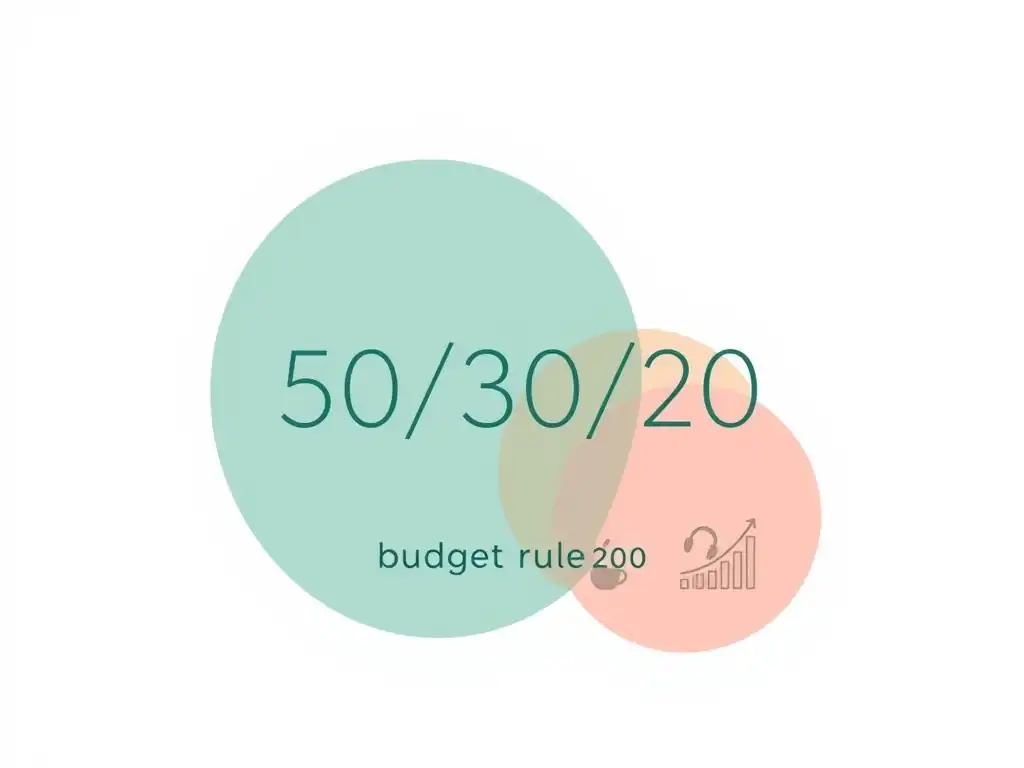
Welcome to UltimateLifeHacks, your destination for practical tips and tricks to conquer your daily routine! Are you ready to unlock a simpler, more efficient life? We're diving deep into the world of personal finance with our new article on the 50/30/20 budget rule hack, a game-changer for managing your money and achieving your financial goals. Discover how this simple yet powerful strategy can transform your spending habits and leave you with more time and resources to pursue what truly matters. Ready to take control? Let's get started!
- Understanding the 50/30/20 Budget Rule: A Simple Personal Finance Hack
- Applying the 50/30/20 Budget Rule to Your Finances
- Maximizing the 50/30/20 Budget for Debt Reduction and Savings
- Common Mistakes to Avoid When Using the 50/30/20 Budget
- Beyond the 50/30/20 Rule: Advanced Budgeting Techniques
- Frequently Asked Questions
- Final Reflection: Mastering Your Financial Future with the 50/30/20 Rule
- Unlock Your Financial Freedom: Master Your Budget!
Understanding the 50/30/20 Budget Rule: A Simple Personal Finance Hack
Taking control of your finances can feel overwhelming, but it doesn't have to be. This article introduces a powerful yet surprisingly simple budgeting method: the 50/30/20 rule. This personal finance hack, designed to help you manage your income effectively, provides a clear framework for allocating your money across needs, wants, and savings.
We'll explore how this easy-to-implement strategy can significantly improve your financial health, reduce stress related to money management, and pave the way for achieving your financial goals, whether it's paying off debt, saving for a down payment, or simply building a more secure financial future. Understanding and applying the 50/30/20 budget rule is a crucial step towards mastering your personal finances and achieving lasting financial well-being. This isn't just about saving money; it's about gaining control and building a more secure and fulfilling life.
What is the 50/30/20 Budget? A Beginner's Guide to Smart Spending
The 50/30/20 rule is a simple yet effective budgeting method that divides your after-tax income into three categories:
- 50% Needs: This covers essential expenses necessary for survival and maintaining your current lifestyle. Examples include:
- Rent or mortgage payments
- Groceries
- Utilities (electricity, water, gas)
- Transportation (car payments, gas, public transport)
- Minimum debt payments (credit cards, loans)
- Healthcare costs (insurance premiums, medical bills)
- 30% Wants: This category allocates funds for non-essential expenses that enhance your quality of life but aren't strictly necessary. Examples include:
- Dining out
- Entertainment (movies, concerts)
- Shopping (clothing, electronics)
- Hobbies
- Subscriptions (streaming services, gym memberships)
- 20% Savings and Debt Repayment: This portion is dedicated to building your financial future. This includes:
- Emergency fund contributions
- Retirement savings (401k, IRA)
- Paying down high-interest debt (credit card debt)
- Investing
This simple breakdown provides a clear visual representation of where your money is going, allowing you to identify areas for potential savings and adjustments. The 50/30/20 rule is flexible and adaptable to individual circumstances, making it a versatile tool for various income levels.
How the 50/30/20 Rule Works: Dividing Your Income for Financial Success
Implementing the 50/30/20 rule involves several key steps:
- Calculate your net income: Determine your after-tax income – the amount you actually receive after deductions.
- Allocate your funds: Divide your net income according to the 50/30/20 percentages. For example, if your net monthly income is $3,000, you would allocate:
- $1,500 (50%) to Needs
- $900 (30%) to Wants
- $600 (20%) to Savings and Debt Repayment
- Track your spending: Monitor your expenses meticulously to ensure you stay within your allocated budgets. Many budgeting apps can help with this process.
- Adjust as needed: The 50/30/20 rule isn't set in stone. Regularly review your spending habits and adjust your allocations to reflect your financial priorities and goals. Perhaps you need to temporarily increase your "Needs" allocation during a period of unexpected expenses, or you might choose to prioritize debt repayment over savings for a while. The key is flexibility and adaptation.
- Celebrate your progress: Acknowledge and celebrate your successes along the way. Reaching your savings goals or paying down debt should be recognized as significant milestones in your financial journey. 🎉
By consistently following the 50/30/20 rule and regularly monitoring your spending, you'll gain a clearer understanding of your financial situation and build a solid foundation for long-term financial success. Remember, the 50/30/20 budget rule is a tool; its effectiveness depends on your commitment to tracking, adjusting, and adapting it to your unique circumstances.
Applying the 50/30/20 Budget Rule to Your Finances
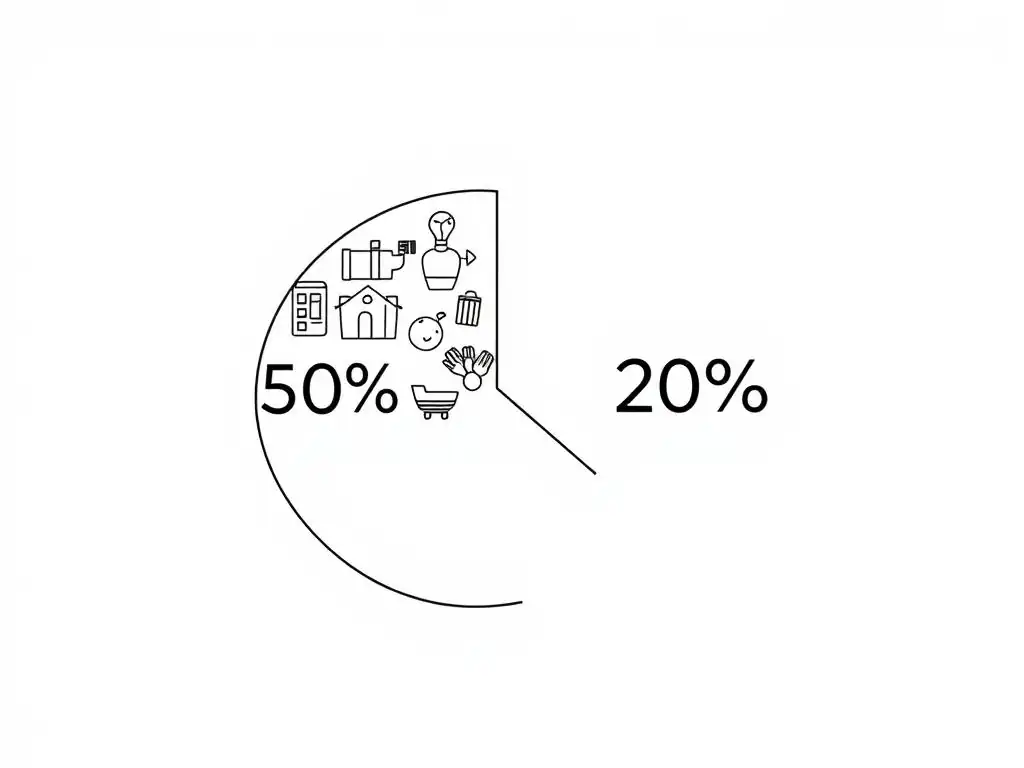
This section delves into the practical application of the 50/30/20 budget rule, a simple yet effective personal finance hack to manage your money more efficiently. The rule suggests allocating your after-tax income as follows: 50% for needs, 30% for wants, and 20% for savings and debt repayment. Understanding how to categorize your expenses is crucial for successful implementation. Misclassifying "wants" as "needs" can easily derail your budget.
For instance, while a new car might seem necessary for commuting, it's often a want, especially if public transport or carpooling are viable alternatives. Similarly, daily coffees from a cafe are typically wants, not needs, even if they become a routine. Careful consideration of each expense is essential to accurately categorize it within the 50/30/20 framework. This mindful approach is key to achieving your financial goals using this 50/30/20 budget rule hack.
Calculating Your 50/30/20 Budget: A Step-by-Step Guide
Let's break down how to practically apply the 50/30/20 budget rule. First, determine your net monthly income – your income after taxes and other deductions. Let's say your net monthly income is $3,000.
- Needs (50%): This covers essential expenses like rent/mortgage, utilities (electricity, water, gas), groceries, transportation (gas, public transport), healthcare premiums, and debt minimum payments (if applicable). In our example, 50% of $3,000 is $1,500. This allocation needs careful tracking to ensure you stay within budget. Consider using budgeting apps or spreadsheets to monitor your spending in this category.
- Wants (30%): This covers non-essential expenses, such as dining out, entertainment, subscriptions (Netflix, Spotify), clothing, hobbies, and travel. For our $3,000 income, this amounts to $900. This is where mindful spending is crucial. Identify areas where you can cut back without sacrificing your overall well-being.
- Savings and Debt Repayment (20%): This is crucial for long-term financial security. This includes contributions to retirement accounts (401k, IRA), emergency funds, and paying down high-interest debt. In our example, this would be $600. Prioritize high-interest debt repayment to minimize interest charges and accelerate your debt-free journey. Consider using the debt snowball or avalanche method to strategically tackle your debts.
This breakdown provides a clear picture of how to allocate your income according to the 50/30/20 rule. Remember, these percentages are guidelines; you might need to adjust them based on your specific financial situation and goals.
Tracking Your Spending: Essential Tools and Techniques for Budget Adherence
Successfully implementing the 50/30/20 budget rule requires diligent tracking of your spending. Several tools and techniques can significantly aid this process:
- Budgeting Apps: Numerous apps (Mint, YNAB, Personal Capital) automatically categorize transactions, providing a clear overview of your spending habits. These apps often offer insightful reports, helping you identify areas where you can save money.
- Spreadsheets: A simple spreadsheet can effectively track income and expenses. Categorize your transactions manually, allowing for a customized approach.
- Manual Tracking: While more time-consuming, manually tracking expenses in a notebook or journal can foster greater awareness of your spending habits. This method encourages mindful consumption.
- Categorization is Key: Regardless of the method used, consistent and accurate categorization of your expenses is paramount. Be precise and honest with yourself about whether an expense falls under "needs" or "wants." This accuracy is vital for the effectiveness of this 50/30/20 budget rule hack.
Adjusting Your 50/30/20 Budget: Adapting to Changing Circumstances
The 50/30/20 rule is a flexible framework. Life throws curveballs, and your budget should adapt accordingly. Unexpected expenses, such as car repairs or medical bills, might require temporary adjustments. Perhaps you experience a change in income – a raise or a job loss. These situations necessitate recalculating your budget to maintain financial stability. For example, a sudden job loss might require temporarily reducing your "wants" allocation to ensure you meet your "needs" and maintain a sufficient emergency fund.
Conversely, a significant raise might allow you to increase your savings and debt repayment percentage. Regularly review and adjust your budget to reflect your current financial situation. Flexibility is key to long-term success with the 50/30/20 budget rule hack. Remember, the goal is sustainable financial health, not rigid adherence to a fixed percentage. Adapt, adjust, and thrive! 🎉
Maximizing the 50/30/20 Budget for Debt Reduction and Savings
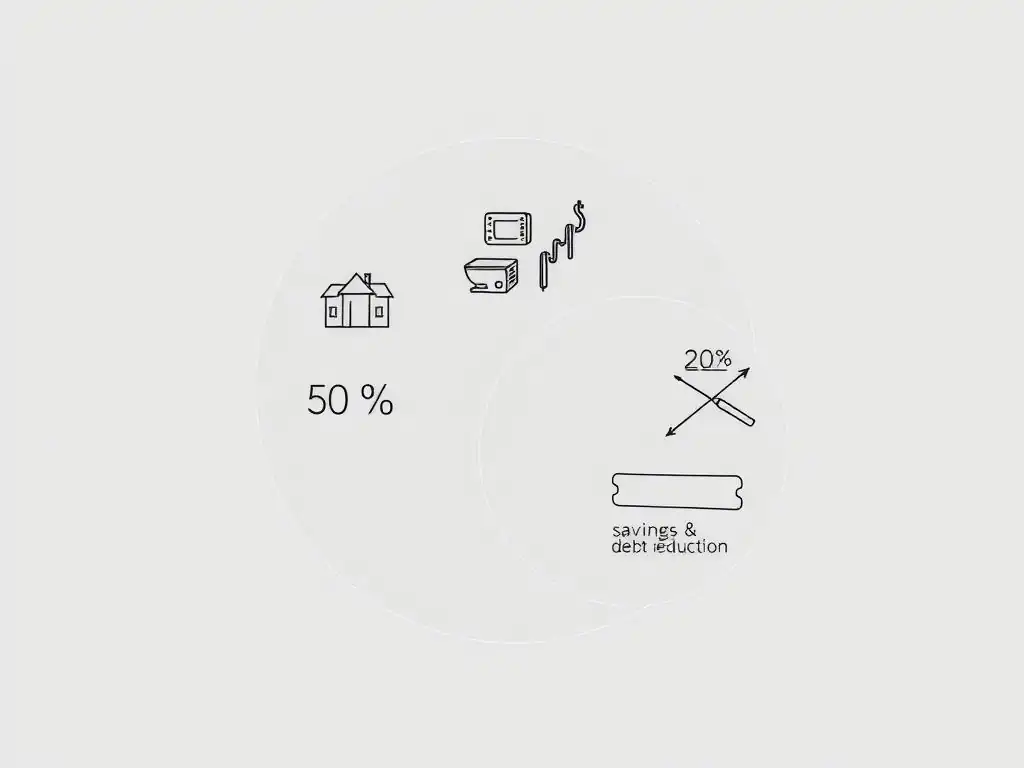
The 50/30/20 budget rule, a simple yet effective personal finance hack, provides a framework for managing your finances. But its true power lies in its adaptability. This section explores how to leverage the 50/30/20 budget rule to aggressively tackle debt and build a robust savings plan, ultimately achieving your financial goals faster. Understanding how to optimize each category is key to maximizing its benefits. We'll delve into specific strategies to make the most of this powerful budgeting technique.
Prioritizing Debt Repayment with the 50/30/20 Method
The 50% allocated to needs in the 50/30/20 budget rule provides the foundation for debt reduction. By meticulously tracking your essential expenses—housing, utilities, groceries, transportation—you'll identify areas for potential savings. Even small reductions can significantly impact your debt repayment plan.
Consider these strategies:
- Negotiate lower bills: Contact your service providers (internet, phone, insurance) to negotiate lower rates. Many companies are willing to offer discounts to retain customers.
- Reduce grocery costs: Plan your meals, use coupons, and buy in bulk when possible. Switching to cheaper alternatives for certain items can also make a difference.
- Explore cheaper transportation options: Carpooling, using public transport, or cycling can drastically cut down on fuel and maintenance costs.
Remember, every dollar saved in the 'needs' category directly contributes to accelerating your debt repayment. Consider using the extra funds to make additional payments towards high-interest debts, such as credit cards, to minimize interest charges and pay off debt faster. The snowball method, focusing on the smallest debt first, can provide psychological motivation, while the avalanche method, prioritizing the debt with the highest interest rate, can save you the most money in the long run. Choose the method that suits your personality and financial situation best. The key is consistent application of this 50/30/20 budget rule hack.
Accelerating Savings with the 50/30/20 Budget Rule
The 20% allocated to savings within the 50/30/20 budget rule is crucial for long-term financial security. But simply saving 20% isn't enough; maximizing this allocation requires a strategic approach. Consider these techniques to amplify your savings:
- Automate your savings: Set up automatic transfers from your checking account to your savings account each month. This ensures consistent savings, even when you're busy or tempted to spend.
- Set savings goals: Having clear, specific savings goals (e.g., emergency fund, down payment on a house, retirement) will keep you motivated and focused on your financial objectives.
- Track your progress: Regularly monitor your savings progress. Seeing your savings grow can be incredibly motivating and reinforce the effectiveness of the 50/30/20 budget rule hack.
Think of this 20% not just as a savings account, but as a multifaceted financial tool. Consider breaking this down further. Allocate a portion for an emergency fund (ideally 3-6 months of living expenses), another for short-term goals (vacation, new appliance), and the rest for long-term investments.
Investing Your Savings: Strategies for Long-Term Financial Growth
Once you've established a healthy emergency fund and met some short-term savings goals using the 50/30/20 budget rule, it's time to focus on long-term growth through investing. This is where the real magic of the 50/30/20 budget rule hack comes into play. Remember, the more you save consistently, the more you have available to invest.
Here are some investment strategies to consider:
| Investment Type | Risk Level | Potential Return | Considerations |
|---|---|---|---|
| Index Funds/ETFs | Low to Moderate | Moderate | Diversification, long-term growth |
| Bonds | Low | Low | Stable income, lower risk than stocks |
| Real Estate | Moderate to High | High | Requires significant capital, potential for high returns |
| Individual Stocks | High | High | Requires research and understanding of the market |
Remember, investing involves risk, and past performance is not indicative of future results. Consider your risk tolerance and seek professional advice if needed. Proper diversification is essential to mitigate risk and maximize potential returns. The 50/30/20 budget rule, when combined with a smart investment strategy, can pave the way to significant long-term financial success. This powerful budgeting technique, combined with consistent effort and careful planning, is a game-changer for achieving your financial dreams. The 50/30/20 budget rule hack is more than just a budget; it's a roadmap to financial freedom.
Common Mistakes to Avoid When Using the 50/30/20 Budget
Mastering the 50/30/20 budget rule hack isn't just about understanding the percentages; it's about implementing it effectively. Many fall into common traps that undermine the entire process. Avoiding these pitfalls is crucial for achieving your financial goals. Let's explore some of the most frequent errors and how to sidestep them. This detailed analysis will equip you to successfully navigate the 50/30/20 budgeting method and optimize your personal finances.
The 50/30/20 budget rule, while simple in concept, requires meticulous attention to detail. One major pitfall is neglecting those sneaky hidden expenses that creep up unexpectedly. These are the costs often overlooked during initial budget planning, leading to budget overruns and frustration. Examples include subscription services you've forgotten about (think streaming platforms, online storage, or gym memberships), infrequent but significant expenses like car repairs or home maintenance, and even those seemingly small daily purchases that add up over time (like daily coffees or impulse online shopping).
To effectively manage these hidden expenses, consider these strategies:
- Regularly review your bank and credit card statements: Scrutinize every transaction. This diligent approach will reveal those small, recurring charges you might have forgotten about. Categorize these expenses to understand where your money is truly going.
- Use budgeting apps: Many apps automatically categorize transactions, making it easier to identify recurring expenses and potential areas for savings. Some even provide alerts when you approach your budget limits for specific categories.
- Create a "miscellaneous" category: Allocate a small amount to this category to absorb unexpected minor expenses. This prevents small, unforeseen costs from derailing your entire budget. However, regularly review this category to prevent it from becoming a catch-all for uncontrolled spending.
- Set up automatic savings: Even small automatic transfers to a savings account each month can help build a buffer for unexpected costs. This prevents you from having to dip into your needs or wants categories when faced with an unexpected expense.
Ignoring Your Needs: Balancing Wants and Needs in Your Budget
A critical aspect of successfully implementing the 50/30/20 budget rule is differentiating between your needs and your wants. Many struggle to objectively assess their spending habits, blurring the lines between essential expenses and discretionary purchases. This often leads to allocating insufficient funds to crucial needs while overspending on wants. For example, prioritizing a lavish vacation over essential home repairs or consistently purchasing non-essential items while neglecting savings for retirement.
To effectively balance needs and wants, consider the following:
- Prioritize essential expenses: Begin by meticulously listing all your needs, including housing, food, transportation, healthcare, and debt payments. These are non-negotiable and should constitute the 50% of your income allocated to needs.
- Track your discretionary spending: Monitor your spending on wants – entertainment, dining out, shopping, and hobbies – to ensure it stays within the 30% allocation. Use a budgeting spreadsheet or app to track your spending and identify areas where you might be overspending.
- Create a realistic wants budget: Don't simply allocate 30% without considering your actual spending habits. Analyze your past spending patterns to create a realistic budget that aligns with your lifestyle and financial goals. Be honest with yourself about your spending habits and adjust accordingly.
- Re-evaluate regularly: Your needs and wants can change over time. Regularly review your budget to ensure it continues to reflect your current circumstances and financial goals. This ensures your budget remains relevant and effective.
Failing to Track Progress: Monitoring Your Budget Regularly for Effective Management
The 50/30/20 budget rule is not a "set it and forget it" system. Consistent monitoring is essential to ensure its effectiveness. Failing to track your progress regularly can lead to drifting from your financial goals and ultimately undermining the entire process. Without regular review, you might not identify areas of overspending or discover opportunities for additional savings. This lack of oversight can lead to financial instability and hinder your progress towards your long-term financial goals.
To effectively track your progress and ensure the success of your 50/30/20 budget, consider the following:
- Regular budget reviews: Schedule weekly or monthly reviews of your budget to monitor your spending against your planned allocations. This allows for early identification of any discrepancies and enables timely corrective measures.
- Use budgeting tools: Utilize budgeting apps or spreadsheets to automate the tracking process and provide clear visualizations of your spending habits. Many apps offer features like automated transaction categorization, budget alerts, and progress reports.
- Analyze your spending patterns: Regular analysis of your spending patterns reveals trends and identifies areas where adjustments are needed. This data-driven approach helps you optimize your budget and achieve your financial objectives.
- Adjust as needed: Your circumstances may change over time, requiring adjustments to your budget. Regular reviews allow for timely adjustments, ensuring your budget remains relevant and effective in achieving your financial goals. Flexibility is key to long-term success with any budgeting system.
This detailed guide helps you avoid common pitfalls and effectively implement the 50/30/20 budget rule hack, maximizing its potential for improved financial management and long-term prosperity. Remember, consistent effort and diligent tracking are key to achieving your financial goals.
Beyond the 50/30/20 Rule: Advanced Budgeting Techniques
The 50/30/20 budget rule hack provides a fantastic foundational framework for managing your finances. However, as your financial goals and complexities evolve, you might find yourself needing more sophisticated techniques. This section explores advanced budgeting strategies that can build upon the 50/30/20 foundation, offering greater control and precision in your financial planning. Understanding these advanced methods allows for more nuanced management of your income, leading to improved financial health and the achievement of longer-term objectives. We'll delve into methods that cater to different financial personalities and goals.
Zero-Based Budgeting: A Comprehensive Approach to Financial Planning
Zero-based budgeting (ZBB) takes a radically different approach compared to traditional budgeting methods. Instead of basing your current budget on your previous one, ZBB requires you to start from zero each budgeting period (typically monthly). Every dollar you earn is allocated to a specific expense category. This means you meticulously track every expense, ensuring that all your income is accounted for. Think of it as a detailed financial plan created anew each month.
This process might seem intensive, but it offers unparalleled control. By meticulously allocating every dollar, you eliminate unnecessary spending and identify areas where you might be overspending. Using a spreadsheet or budgeting app is highly recommended for tracking expenses effectively.
For example, you might allocate 55% of your income to needs (housing, utilities, groceries), 25% to wants (entertainment, dining out), 15% to savings and debt repayment, and 5% to charitable giving. These percentages are completely customizable to your individual needs and priorities. The key is to ensure the sum of all allocations equals 100% of your income, resulting in a "zero" balance.
This ensures you're not overspending and are proactively managing your funds. This rigorous approach can be particularly beneficial for individuals aiming to aggressively pay down debt or save for significant purchases, like a house or a car. The detailed nature of ZBB provides clarity and allows for effective tracking of progress towards financial goals.
Envelope System: A Cash-Based Method for Enhanced Budget Control
The envelope system is a tangible and highly visual budgeting method that relies on cash. You allocate a specific amount of cash to different expense categories and place it in clearly labeled envelopes. Once the cash in an envelope is gone, that category's spending is finished for the period. This physical limitation helps prevent overspending and promotes mindful consumption.
This method is particularly effective for visual learners and those who struggle with impulse purchases. The physical act of taking cash from an envelope creates a tangible sense of spending, fostering greater awareness of your budget. For example, you might have envelopes for groceries, gas, entertainment, and so on. This system works best when combined with a detailed budget plan, ensuring you allocate the correct amount to each envelope at the beginning of the budgeting period. While it might seem outdated in our digital age, the envelope system provides a surprisingly effective way to control spending and stay on budget, especially for those who prefer a hands-on approach to financial management. It's a great way to curb impulsive spending and gain a clearer picture of where your money is going. The simple act of seeing the dwindling cash in your envelopes can be a powerful motivator to stay on track.
Combining Methods for Optimal Financial Management
The beauty of personal finance lies in its adaptability. There's no one-size-fits-all approach, and the most effective strategy often involves blending different techniques. Consider combining the 50/30/20 rule with elements of zero-based budgeting and the envelope system to create a personalized financial management strategy that aligns perfectly with your specific needs and preferences.
For instance, you could use the 50/30/20 rule as a high-level framework for allocating your income, then employ zero-based budgeting for meticulously tracking expenses within each category. The envelope system could then be used for specific expense categories where impulse spending is a concern, such as dining out or entertainment. This hybrid approach allows you to leverage the strengths of each method, creating a robust and personalized system for managing your finances. It allows you to harness the simplicity of the 50/30/20 rule for a broad overview, the detailed control of zero-based budgeting for meticulous tracking, and the tangible limitations of the envelope system to curb impulse spending.
Experimentation and adaptation are key to finding the perfect blend that works for you. Remember, the goal is to find a system that promotes financial awareness, helps you achieve your goals, and reduces financial stress. 🎉
Frequently Asked Questions
What is the 50/30/20 budget rule?
The 50/30/20 rule is a simple budgeting method that divides your after-tax income into three categories: 50% for needs, 30% for wants, and 20% for savings and debt repayment. It's a great way to gain control of your finances.
How do I calculate my 50/30/20 budget?
First, determine your after-tax income. Then, multiply that amount by 0.50, 0.30, and 0.20 to find the amounts allocated to needs, wants, and savings respectively. Track your spending to ensure you stay within your budget limits.
What are considered "needs" in the 50/30/20 rule?
"Needs" generally include essential expenses like housing, utilities, groceries, transportation, and healthcare. Prioritize these expenses to ensure you meet your basic requirements. Consider your individual circumstances when determining what constitutes a 'need'.
What are considered "wants" in the 50/30/20 rule?
"Wants" are non-essential expenses such as dining out, entertainment, shopping, and subscriptions. These are things you can easily cut back on if needed to reach your savings goals. This category allows for flexibility and enjoyment.
Can I adjust the percentages in the 50/30/20 rule?
Yes, the 50/30/20 rule is a flexible guideline, not a rigid rule. You can adjust the percentages based on your individual financial situation and goals. For example, you might allocate more to savings if you're aiming for a specific financial goal, like buying a house.
Final Reflection: Mastering Your Financial Future with the 50/30/20 Rule
The 50/30/20 budget rule isn't just a budgeting hack; it's a pathway to financial freedom and a powerful tool for navigating the complexities of modern life. In a world increasingly dominated by financial anxieties, understanding and implementing this simple yet effective framework can significantly reduce stress and pave the way for achieving your financial goals, whether that's saving for a down payment, paying off debt, or simply enjoying more financial security.
The 50/30/20 rule's enduring appeal lies in its adaptability and empowering nature. It's not a rigid system, but a flexible guide that allows for personal customization. It encourages mindful spending, fostering a deeper understanding of our financial habits and priorities. As we become more aware of where our money goes, we gain control over our financial narrative. A budget is telling your money where to go, instead of wondering where it went.
- Dave Ramsey. This quote perfectly encapsulates the transformative power of conscious budgeting, a core principle of the 50/30/20 method.
Now, it's your turn. Take a moment to reflect on your own spending habits. Consider how the 50/30/20 rule could help you achieve your financial aspirations. Don't be afraid to experiment and adjust the percentages to fit your unique circumstances. Embrace the journey of financial empowerment, one mindful spending decision at a time. The future you'll thank yourself for it.
Unlock Your Financial Freedom: Master Your Budget!
Thank you for exploring the 50/30/20 budgeting method! You've gained a powerful tool to take control of your finances. Let's put that knowledge into action.
- Start budgeting today! Download a budgeting template (or create your own), categorize your spending, and allocate your funds according to the 50/30/20 rule. This is your first step toward financial clarity.
- Share your budgeting successes (and challenges!) with our community in the comments below. Let's inspire and support each other on this journey!
- Experiment with different budgeting apps and techniques to find what best suits your spending habits.
Ready to take charge of your finances and achieve your financial goals? What's one small step you'll take this week to improve your budget?