Don't Just Work From Home, Thrive: The Key to a Productive Home Office
🤔 Transform your home office from a distraction zone to a productivity powerhouse! Our "Productive home office setup guide" provides practical tips…
Read article
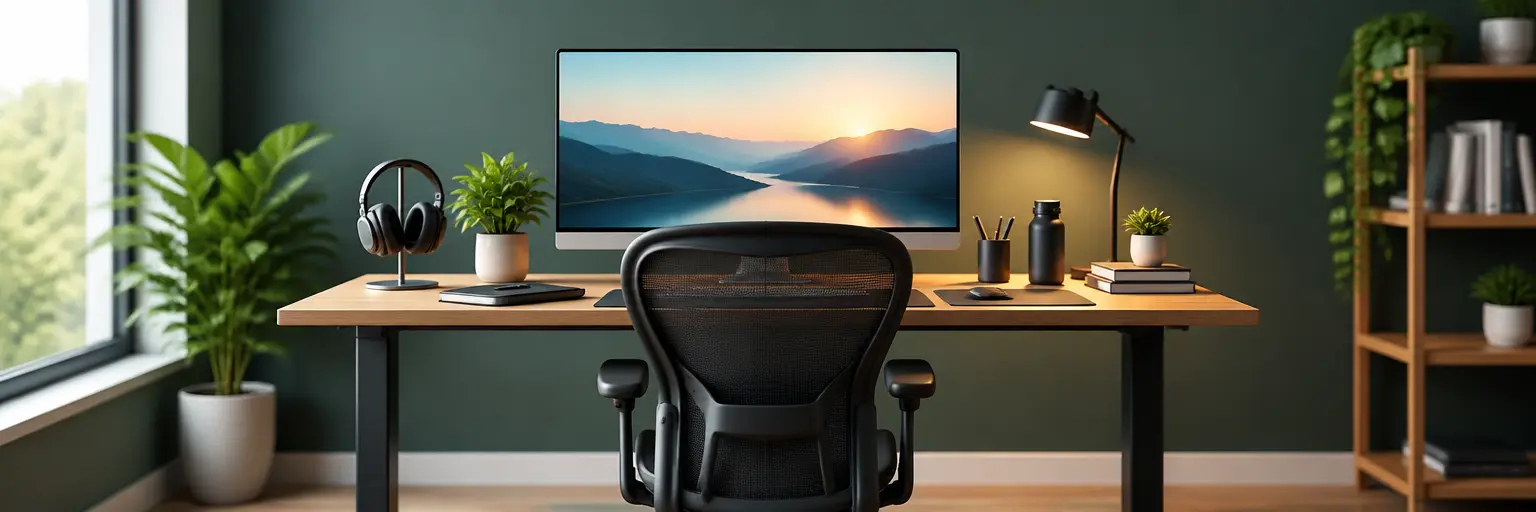
Transform your work-from-home experience with smart, actionable strategies to design a distraction-free home office that fuels deep focus and boosts daily productivity. From ergonomic setups and lighting tricks to decluttering workflows and noise-control hacks, discover how to optimize your space for maximum concentration, minimize interruptions, and create a personalized environment that supports your best work—all with simple, low-cost tweaks that fit any budget. Turn your corner into a powerhouse of efficiency today.
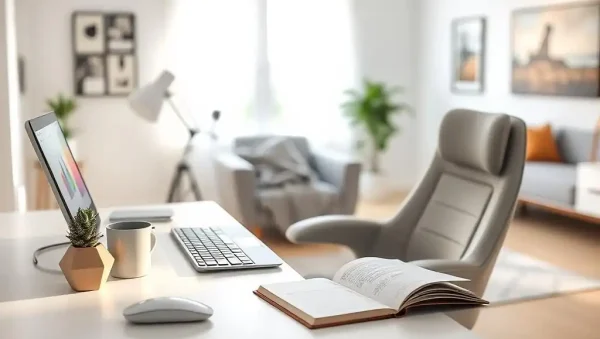
🤔 Transform your home office from a distraction zone to a productivity powerhouse! Our "Productive home office setup guide" provides practical tips…
Read article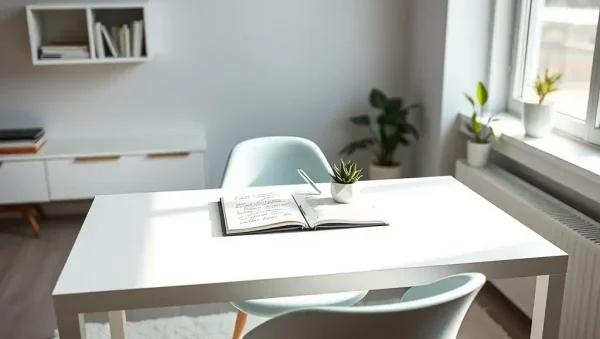
😊Transform your home workspace from chaotic to calm! Learn how to organize a productive home workspace, boosting efficiency and unlocking your true…
Read articleWelcome to the ultimate guide on transforming your home office into a productivity powerhouse. Whether you’re a remote worker, freelancer, or entrepreneur, the physical and digital layout of your workspace directly impacts your focus, energy, and output. In this subcategory, we dive deep into ergonomic furniture, lighting, acoustics, digital decluttering, and habit-based workflows that reduce distractions and boost concentration. By applying these practical life hacks, you’ll turn any corner of your home into a zone of deep work, saving time and mental energy every single day.
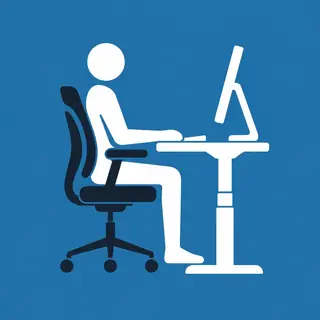
A productive home office starts with your body. Poor posture and an uncomfortable chair can silently drain your focus within 30 minutes. Here, you’ll learn how to choose an ergonomic chair that supports your lumbar curve, adjust desk height so your elbows rest at 90 degrees, and position your monitor at eye level to prevent neck strain. We also cover standing desk converters and footrests to keep blood flowing, which directly sustains mental clarity during long work sessions.
Beyond the basics, we share micro-adjustment hacks like using a rolled towel for lumbar support or a book to elevate your laptop screen if you’re on a budget. You’ll also discover the “20-20-20 rule” (every 20 minutes, look 20 feet away for 20 seconds) to reduce eye fatigue. These small tweaks create a pain-free environment that allows your brain to focus on tasks, not on discomfort. For maximum focus, your chair should be your ally, not your enemy—and we’ll make that happen with actionable checklists.
Lighting is the silent regulator of your circadian rhythm and alertness. In this section, we explain why harsh overhead fluorescent lights kill productivity and how to introduce layered lighting: bright task lighting for reading, warm ambient light for breaks, and natural daylight whenever possible. You’ll learn to position your desk perpendicular to a window to avoid glare, and we recommend specific color temperatures (5000K for morning focus, 2700K for afternoon calm) using smart bulbs that you can automate.
Color psychology also plays a role: cool blues and greens promote calm concentration, while yellow sparks creativity but can cause anxiety in high doses. We suggest painting an accent wall or adding plants (like snake plants or pothos) to improve air quality and mental clarity. Temperature matters too—studies show that 68-72°F (20-22°C) is the sweet spot for cognitive performance. Use a smart thermostat or a simple fan/heater to maintain this range, and you’ll notice a dramatic drop in mid-afternoon slumps.
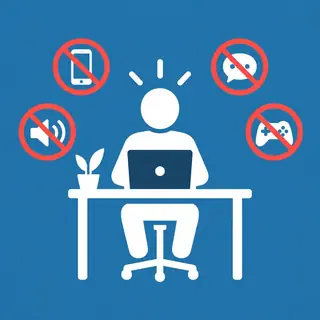
Noise is the #1 destroyer of focus in a home environment—from neighbors, street traffic, or family members. We explore three layers of sound control: absorption, blocking, and masking. First, add acoustic panels, thick curtains, or a bookshelf against a shared wall to absorb mid-frequency sounds. Second, use noise-canceling headphones (over-ear preferred) or simple earplugs for the hardest distractions. Third, employ white noise machines, rain sounds, or brown noise playlists to mask irregular noises that trigger your attention.
For digital nomads, we also cover how to set up a “do not disturb” schedule with your family or roommates using visual signals like a red/green desk lamp. Another hack is to record yourself speaking to identify your own fidgeting sounds, then mount your desk mat with felt pads. Lastly, we discuss when to move your office to the quietest corner of the house—away from the kitchen and living room—and how to create a natural sound buffer with heavy rugs or upholstered furniture. Silence is your superpower; we’ll help you build it.
Physical clutter equals mental clutter. Start by removing everything from your desk except your computer, a notepad, and one pen. We provide a 7-minute daily reset routine to clear surfaces, sort papers into three bins (action, archive, shred), and use cable management clips to hide wires. On the digital side, we show you how to organize your desktop into folders with color-coding, disable non-essential notifications, and use browser extensions like StayFocusd or Forest to block distracting sites during focus blocks.
Your workspace layout should follow the “hot zone” principle: items you use every hour (mouse, water, phone) within arm’s reach; items used daily (printer, reference books) one step away; and everything else in drawers or another room. We also introduce the “one-tab rule” before starting a task, plus a weekly digital audit where you delete unused files and archive emails. By reducing both physical and digital chaos, you free up working memory and shift your brain into a flow state, making every work session more efficient.
Even the perfect office is useless without productive habits. Here we teach you how to pair your new environment with habit stacking: for example, after you sit down, you immediately open your task list, then drink a glass of water, then start a 25-minute Pomodoro. We break down time blocking into two-hour “deep work sprints” followed by 15-minute breaks, and we share how to set up physical triggers—like a specific playlist or a scented candle—that signal “work mode” to your brain.
We also tackle the biggest focus killer: multitasking. You’ll learn the “single-task ritual” of writing one main goal on a sticky note and placing it on your monitor. Another powerful routine is the “morning launch”: review your calendar, plan the top three tasks, and avoid social media for the first 90 minutes. For afternoon crashes, we suggest a 10-minute power nap or a brisk walk around the block, then rehydrate. These habits, when paired with your optimized space, create a self-reinforcing loop of productivity that compounds daily.
You don’t need a $1,000 chair. Look for one with adjustable lumbar support, seat depth, and armrests in the $200–$400 range. If on a tight budget, buy a lumbar cushion for $30 and ensure your desk height allows feet flat on the floor. The goal is to avoid pain, not luxury.
Use a combo of a daylight-balanced LED task lamp (5000K) for focused reading and a separate warm bulb (2700K) for ambient light in the background. Add a small full-spectrum light therapy lamp for 15 minutes each morning to mimic natural daylight and regulate your circadian rhythm.
For most people, white or brown noise masks sudden background sounds (like a dog bark) better than complete silence, which makes you hyper-aware of small noises. Test both: if you’re in a quiet home, silence wins; if you have intermittent noise, use a white noise app at a low volume.
Do a 5-minute surface reset at the end of each workday: return items to drawers, shred or file papers, and wipe your desk. Then perform a deeper 30-minute digital and physical declutter every Sunday. This prevents clutter from building up and keeps your mental space clear.
Alternating between sitting and standing reduces fatigue and boosts alertness, but standing all day causes leg strain. Use a sit-stand desk to switch every 45–60 minutes. Even a simple laptop stand on a box works. The key is movement, not just posture, to sustain energy.