Stop Wasting Time: The Essential Furniture Arrangement for Ultimate Focus
🤔 Unlock laser focus with the best furniture layout for productivity. This article reveals the science-backed arrangement to minimize distractions and maximize…
Read article
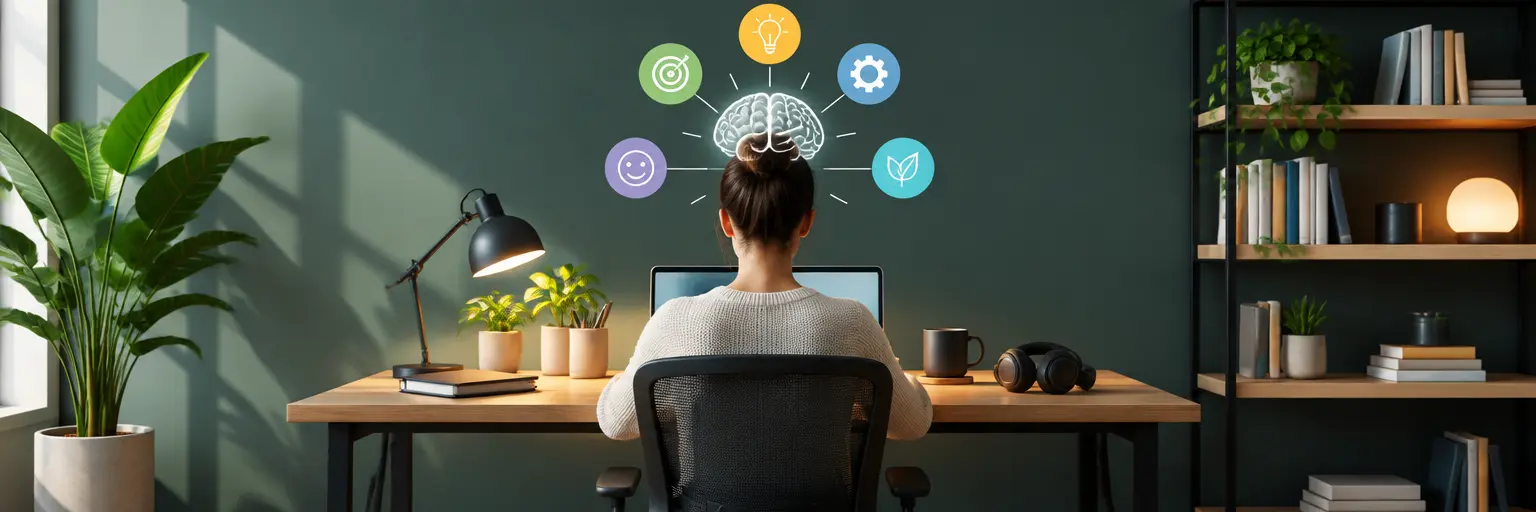
Transform your spare corner into a productivity powerhouse by understanding the psychology behind your workspace—because your environment silently shapes your focus, mood, and output. From strategic lighting and color psychology to clutter control and ergonomic flow, small tweaks can rewire your brain for deep work. Discover how zoning for deep focus, biophilic elements, and sensory cues trigger a “work mode” switch, while minimizing digital and physical distractions. Learn to design a space that reduces cognitive load, boosts motivation, and prevents burnout—turning your home office into a sanctuary of efficiency. Whether you crave minimalism or cozy inspiration, these science-backed insights will help you craft a personalized command center that makes every session more productive and intentional.
🤔 Unlock laser focus with the best furniture layout for productivity. This article reveals the science-backed arrangement to minimize distractions and maximize…
Read article
🤔 Transform your workspace from chaotic to calm! This guide reveals how to create an adaptable home office setup that effortlessly evolves…
Read articleYour home office is more than a desk and a chair—it’s a psychological trigger that can either spark focus or fuel procrastination. The subcategory Creating a Productive Home Office Environment: The Psychology of a Productive Workspace dives deep into how lighting, color, layout, sound, and even scent influence your brain’s executive functions. By understanding cognitive load, attention restoration theory, and environmental psychology, you can transform a spare room into a high-performance command center. Below, we break down the science-backed levers you can pull, from circadian-friendly lighting to decluttering strategies, so every square foot of your office actively works for your productivity.
Your nervous system constantly scans for threats or safety. A cluttered, noisy, or poorly lit room keeps your amygdala on high alert, raising cortisol and reducing working memory capacity. In contrast, a clean, organized space with natural elements signals “safe,” allowing your prefrontal cortex to handle complex tasks with ease. Research shows that visual noise alone can reduce focus by up to 20%. So, before buying another gadget, audit your room’s “sensory load”—cable tangles, sticky notes, and random decor. Every item you remove frees mental bandwidth for deep work.
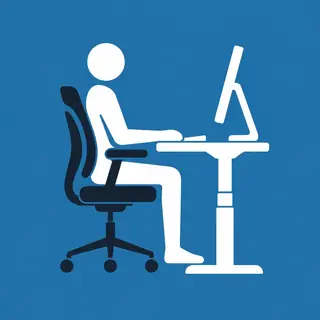
Additionally, your body’s posture and seating affect brain chemistry. Slouching compresses your diaphragm, leading to shallow breathing and lower oxygen to the brain. Elevating your monitor to eye level and using a supportive chair not only prevents back pain but also maintains alertness. The psychology here is simple: when your physical body is comfortable but not lounging, your mind stays in “work mode” rather than “relax mode.” Pair this with a dedicated “entrance ritual” (like sipping tea before starting) to condition your brain into focus.
Light is your most powerful productivity drug. Cool, blue-enriched light (5000K+) mimics morning sun and suppresses melatonin, keeping you sharp for analytical work. Warm, dim light signals evening, lowering energy. Use a smart bulb to shift color temperature throughout your day—bright and cool from 8 AM to noon, warmer after 2 PM. Also, position your desk perpendicular to windows to reduce glare while still capturing natural light. Studies show that workers with window access perform 15% better on cognitive tasks than those in windowless rooms.
Color psychology matters too. Blue and green boost focus and calm; red enhances attention to detail but can raise anxiety; yellow sparks creativity but can distract. For a balanced office, paint walls a soft sage or pale blue, then add yellow accents via a notebook or art. Avoid pure white walls—they create glare and sterile feelings. Instead, use matte finishes and textured fabrics to soften reflections. Remember, your brain’s visual cortex is hungry for variety without chaos, so aim for a “calm order” that lets your eyes rest between screens.
Not all noise is equal. Unexpected sounds—like a door slam or a chatty partner—shatter attention cycles that take up to 23 minutes to rebuild. The solution is predictable audio masking. Play continuous “brown noise” (lower frequency than white noise) or rain sounds at a low volume to cover intermittent disruptions. This creates an acoustic blanket that your brain learns to ignore. Alternatively, use noise-cancelling headphones paired with instrumental music (no lyrics) from genres like lo-fi or classical. Avoid silence entirely, as abrupt quiet actually amplifies startling noises.
However, respect your individual sensitivity. Introverts often need near-silence for deep work, while extraverts might thrive with café chatter. Test your own performance with a timer over several days—note your word count or tasks completed under different sound conditions. Also, schedule “quiet hours” with family or roommates, and use a physical “do not disturb” sign. Because sound is processed subconsciously, curating your auditory environment is one of the cheapest yet most effective psychological levers you can pull.
Your brain craves predictable zones. Divide your office into three psychological areas: a “focus zone” (desk only for deep work), a “creative zone” (whiteboard or comfy chair for brainstorming), and a “reset zone” (a plant corner or window view for micro-breaks). Moving between zones resets your attention, preventing stagnation. Ergonomic positioning—elbows at 90°, feet flat, screen at arm’s length—reduces physical strain that silently drains mental energy. But also add dynamic elements: a standing desk converter or a wobble board encourages micro-movements that boost blood flow and dopamine.
Clutter is your enemy here. Every visible object competes for your visual attention. Use closed storage for papers, a single tray for active projects, and hide cables with clips. The “mere presence” of a smartphone, even face down, lowers cognitive capacity by up to 10%—so keep it in another room during deep work. For your layout, place your desk facing a wall or a plant, not a window with exciting distractions. Leave a clear walking path; a cramped space triggers claustrophobic stress, while an open floor plan conveys freedom and possibility.
Attention Restoration Theory (ART) argues that nature’s soft fascination—like leaves rustling or water flowing—gently engages your brain, letting directed attention recharge. Integrate at least two natural elements: a large-leaf plant (snake plant, pothos, or monstera) in your sightline, plus a nature photograph or a small tabletop fountain. Even fake plants offer benefits, as the visual complexity and green hues lower blood pressure. Open a window for fresh air; a 5% increase in ventilation improves cognitive scores by up to 61%.
Also, consider your sense of smell. Peppermint and lemon aromas increase alertness, while lavender calms but may reduce performance—save it for post-work. Use an essential oil diffuser on a timer. Beyond plants, add natural textures like wood or stone, and avoid synthetic plastic surfaces. The goal is to mimic the mild unpredictability of outdoors, which your brain finds restorative. If you cannot add a window view, hang a high-resolution forest or ocean mural—the visual suggestion alone can reduce stress by 15% in controlled tests.
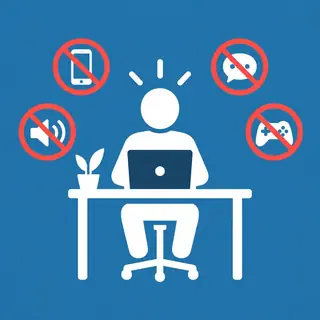
Remove your smartphone from the room. Its mere presence lowers working memory capacity by 10% even when off. Put it in another room or a drawer with a timer. This one action reduces digital temptation and frees mental bandwidth instantly, outperforming any lighting or furniture upgrade.
Embrace vertical storage—floating shelves and wall-mounted organizers free up floor space. Use a fold-down desk that clears visible clutter after work. Paint walls a light blue or green to create an illusion of depth. Mirrors opposite windows double natural light and make the room feel twice as large.
Yes, lyrics activate your language-processing regions, fighting with your verbal tasks for cognitive resources. For writing or coding, use instrumental, ambient, or low-fi tracks. For repetitive tasks (filing, data entry), lyrics are fine. Test yourself—if you catch yourself singing, switch to pure instrumental.
Every 3–4 months. A minor change—repotting a plant, moving your monitor angle, swapping art—shakes up your brain’s habituation, re-engaging focus. Avoid drastic rearrangements during high-workload weeks. Small novelty sparks dopamine, but too many changes become distraction.
Absolutely. The optimal range is 71–75°F (22–24°C). Above 77°F, fatigue increases and error rates rise; below 68°F, your body burns energy to keep warm, reducing concentration. Use a smart thermostat or a small fan/heater to maintain a steady, comfortable range. Also, keep your feet warm—cold feet distract more than a cold room.