Unlock Global Opportunities: Master Learning a New Language Online
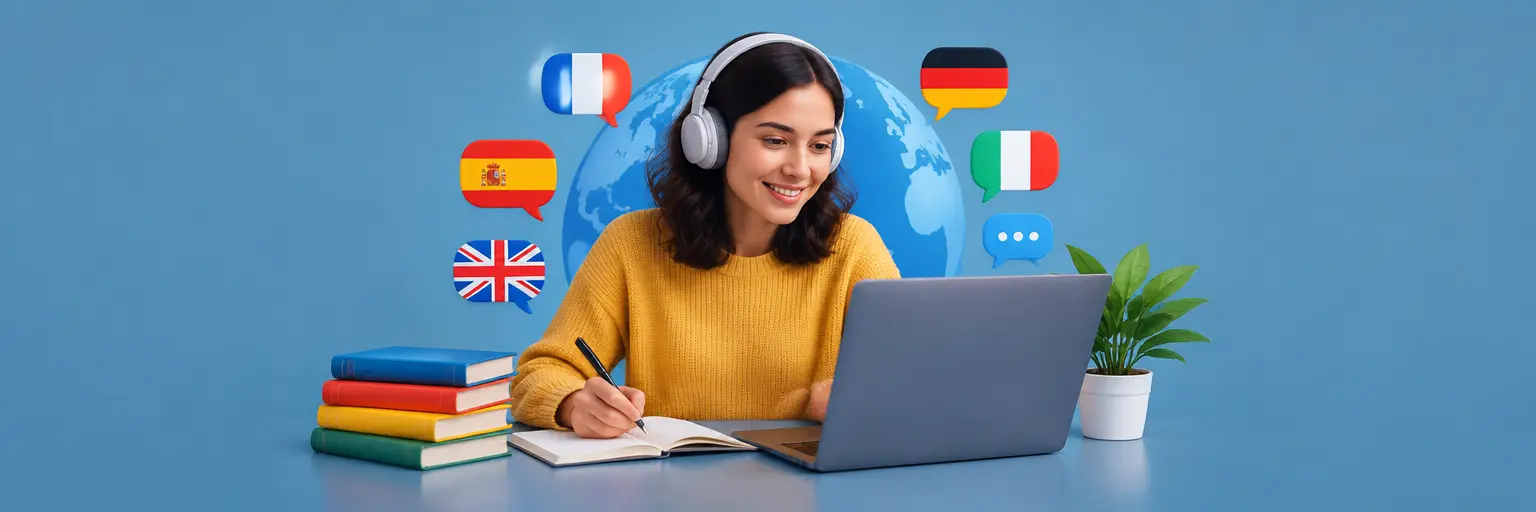
Welcome to UltimateLifeHacks’ dedicated guide on learning a new language online—your shortcut to fluency without leaving home. This subcategory is packed with productivity hacks, time-saving methods, and efficiency tools that turn language acquisition from a daunting chore into a streamlined daily habit. Whether you’re a busy professional, a frequent traveler, or a curious learner, you’ll discover actionable strategies to optimize your study routine, retain vocabulary faster, and speak with confidence. Explore curated app reviews, memory techniques, and immersion hacks that fit seamlessly into your life, saving you hours each week while delivering real progress.
🔥 Best Online Language Apps & Platforms for Fast Progress
Stop wasting time on scattered tools. We break down the top platforms like Duolingo, Babbel, Rosetta Stone, and Pimsleur, comparing cost, teaching style, and time-to-fluency metrics. You’ll learn which app suits your learning type—visual, auditory, or kinesthetic—and how to combine them for maximum retention. Our hacks include creating a “app stack” (e.g., grammar on Babbel, pronunciation on Speechling) to cover all skills without redundancy.
Expect a definitive ranking based on real user outcomes, not just marketing hype. We also reveal hidden features like offline modes, spaced repetition algorithms, and gamified streaks that boost motivation. By following our workflow, you can cut daily study time by 30% while doubling your vocabulary recall. Perfect for the productivity-minded learner who wants tangible results from every minute spent.
🧠 Science-Backed Memory Hacks for Vocabulary Retention
Forgetting words is the #1 killer of language progress. Here, we apply cognitive psychology to your study sessions. Learn the spaced repetition system (SRS) using Anki or Memrise, and how to customize deck intervals for optimal forgetting curves. We also teach the “memory palace” technique for tricky words and the “chunking” method to learn phrases, not isolated terms—saving you hours of re-review.
Expect step-by-step tutorials on building your own mnemonic devices, plus tips on using emotional connections and imagery to lock in vocabulary. We’ll show you how to integrate these hacks into a 15-minute daily routine that outperforms hour-long cram sessions. This section is your cheat code for turning short-term memory into long-term fluency, directly aligning with our time-efficiency ethos.
🎧 Immersion Without Travel: Virtual Language Hacks
Can’t move abroad? Recreate immersion from your couch. Discover how to switch your phone, social media, and news feeds to your target language, plus use browser extensions like “Language Immersion” to translate keywords. We cover passive listening techniques—podcasts, music, and YouTube channels—that train your ear during commutes or chores. The trick is active vs. passive input: we show you how to balance both for maximum neurological rewiring.
You’ll also learn to leverage language exchange apps like Tandem or HelloTalk for real conversations with natives, avoiding costly tutors. We provide scripts for first messages, common mistakes to avoid, and how to turn casual chats into structured learning sessions. By following our immersion blueprint, you’ll think in your new language faster, not just translate—transforming your daily environment into a free classroom.
⏱️ Time-Optimized Study Plans for Busy Schedules
Between work, family, and rest, who has hours to study? Our micro-learning plans break language learning into 5-10 minute chunks that fit any calendar. We introduce the “Pomodoro Language Sprint”—25 minutes of focused study followed by 5 minutes of active recall—proven to boost retention. You’ll also discover how to layer learning onto existing habits, like reviewing flashcards while brushing your teeth or listening to grammar podcasts during workouts.
Expect printable weekly planners and a “minimum viable routine” that guarantees steady progress with just 30 minutes daily. We compare daily vs. weekly study patterns, showing why consistency beats intensity for language acquisition. Our productivity hacks include setting smart goals, tracking streaks with habit apps, and scheduling “language lunches” with peers. Say goodbye to procrastination and hello to a system that automates your progress.
📈 Measuring Progress & Staying Motivated Long-Term
Without milestones, motivation dies. We teach you how to set realistic CEFR levels and use free placement tests to track your journey. Discover gamification hacks—like earning Duolingo crowns or tracking your “words known” via test-your-vocab.com—to celebrate small wins. We also cover accountability strategies: joining online communities, hiring a conversation partner for weekly check-ins, or using the “streak freeze” feature wisely.
Expect a guide on overcoming plateaus, rekindling interest with new media, and knowing when to advance to harder content. We debunk the myth of “talent” by showing that deliberate practice beats genetics. You’ll leave with a personalized motivation toolkit, including a daily affirmations script and a visualization technique for future conversations. This section ensures you not only start learning but also persist until fluency becomes your reality.
Frequently Asked Questions
How long does it take to learn a new language online?
For most learners, reaching conversational fluency (B1 level) takes 6–12 months with 30 minutes of daily practice. Intensive learners can achieve it in 3–4 months. The key is consistency over length—using spaced repetition and immersion daily. UltimateLifeHacks recommends tracking your progress with weekly self-tests to stay on pace.
What is the best free online language learning tool?
Duolingo is excellent for beginners, but for serious retention, combine it with Anki (free) for flashcards and YouTube channels like “Easy Languages” for real conversations. For speaking practice, Tandem is free with optional paid features. No single app covers everything—our hack is to blend 2–3 free tools strategically.
Can I learn a language just by listening to podcasts?
Listening alone builds comprehension but not speaking ability. Pair podcasts with shadowing—repeat sentences aloud—and use language exchange apps for active speaking. The “comprehensible input” method works if you choose content slightly above your level. Listen during commutes, but cap passive listening at 30% of your total study time.
How do I stay motivated when I hit a plateau?
Plateaus are normal; your brain is consolidating. Change your routine: switch from apps to reading a graded reader, or watch a movie with subtitles. Set a micro-goal like learning 10 new idioms. Join a Reddit or Discord community for encouragement. Track your “words known” to see growth, and reward yourself with a small treat after each week of consistency.
What’s the #1 productivity hack for language learning?
Integrate learning into your existing habits using “habit stacking.” For example, review flashcards immediately after brushing your teeth. Set your phone’s keyboard to the target language to force daily spelling. Finally, use a “study trigger” like a specific playlist that signals your brain it’s time to focus. This automation saves willpower and guarantees daily practice.