Remote Work Productivity Unleashed: Proven Strategies to Double Your Output
🤔 Unlock your remote work potential! This article reveals proven strategies to dramatically boost remote work productivity, doubling your output and reclaiming…
Read article

Unlock your full potential with remote work productivity strategies that transform distractions into focus and chaos into flow. These are practical, science-backed hacks to master time management, structure your digital workspace, and build energy-boosting routines—so you can achieve more in less time, even from home. Whether you’re battling Zoom fatigue, procrastination, or blurred work-life boundaries, these tips help you stay sharp, motivated, and consistently high-performing. Turn your home office into a powerhouse of efficiency, reclaim your calendar, and enjoy the freedom of remote work without sacrificing output. Dive in for actionable advice that fuels deep work, minimizes interruptions, and keeps your momentum strong from morning standup to final sign-off.

🤔 Unlock your remote work potential! This article reveals proven strategies to dramatically boost remote work productivity, doubling your output and reclaiming…
Read article
🤔 Maximize your remote work efficiency with our curated list of best remote work productivity tools and tech. Discover essential software and…
Read article
😊 Boost your remote work efficiency hacks with practical strategies! This article unveils simple yet powerful techniques to maximize productivity, minimize distractions,…
Read articleWorking from home offers freedom, but it also demands discipline. In the Remote Work Productivity subcategory of Productivity Hacks at UltimateLifeHacks, you’ll discover science-backed strategies to eliminate distractions, create focused workflows, and manage energy—not just time. Whether you’re a seasoned telecommuter or new to remote setups, these actionable tips will help you reclaim hours, reduce burnout, and deliver high-quality output consistently. Dive into routines, tools, and mindset shifts designed for the modern virtual office.
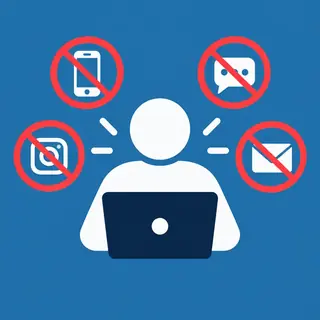
Your environment silently dictates your focus. A cluttered or noisy space can sabotage even the best intentions. Here, we break down how to zone your home for deep work, including optimal lighting, ergonomic furniture placement, and noise-canceling solutions. Learn to separate “work mode” from “home mode” using visual cues like a dedicated desk or a specific room corner. Simple tweaks—like turning off phone notifications and using browser blockers—can boost concentration by up to 40%.
Additionally, we explore the psychology of context switching. By creating a consistent physical trigger—such as playing the same playlist or brewing a particular tea—you train your brain to enter flow state faster. We also cover how to manage household interruptions with clear boundaries, shared calendars, and “do not disturb” signals. These practical steps ensure your home becomes a sanctuary for productivity, not a source of constant pull.
How you start your day dictates your output. Instead of rolling out of bed to check emails, adopt a high-impact morning ritual. We teach you the 90-minute “deep work sprint” before any meetings, using techniques like time-blocking and the Pomodoro method. Prioritize one major task that aligns with your peak cognitive hours. This approach reduces decision fatigue and gives you a sense of achievement by 10 AM, making the rest of the day smoother.
We also stress the importance of separation rituals. Showering, dressing in work attire, and taking a short walk outside can simulate a commute, signaling your brain that it’s time to focus. We provide sample morning schedules—from 5 AM early birds to 9 AM starters—so you can adapt based on your chronotype. Pair this with a light stretch or mindfulness exercise to lower stress and sharpen attention for the entire workday.
Remote work amplifies procrastination because accountability is low. Here, we shift focus from clock-watching to energy management. You’ll learn to identify your biological prime times—when your mental clarity peaks—and schedule complex tasks accordingly. We introduce the “Eat the Frog” method, where you tackle the most challenging assignment first. Additionally, we cover the 2-minute rule and the “Parkinson’s Law” trick to compress deadlines, making tasks less daunting and more urgent.
We also address the mental blockers behind delay: perfectionism, fear of failure, and lack of clarity. Practical tools like task batching, visual Kanban boards, and accountability partners (virtual or real) keep you on track. Moreover, we explain how to use strategic breaks—like the 5-minute standing stretch or a quick eyed-closed meditation—to recharge your dopamine levels. By monitoring your energy dips, you can avoid the mid-afternoon slump and maintain steady momentum.
Remote productivity isn’t just about solo work; it’s about seamless teamwork. We review the best digital collaboration platforms—Slack, Microsoft Teams, Asana, and Trello—to streamline project updates, file sharing, and feedback loops. Learn to set communication norms: when to use instant messages versus video calls, and how to write async updates that reduce meeting fatigue. We also share templates for daily stand-ups and weekly retrospectives that keep remote teams aligned without overloading calendars.
Beyond tools, we cover virtual meeting etiquette—acceptable camera use, concise agendas, and recording for absent colleagues. We emphasize the power of “maker time”: blocking off 2-3 hours of no-meeting windows for focused creation. Additionally, we discuss how to manage time zone differences using shared world-clocks and rotating meeting times. By optimizing communication, you cut down on misinterpretation, delays, and unnecessary back-and-forth, freeing hours each week.
Remote work often blurs the line between life and labor, leading to chronic stress. This section focuses on psychological safeguards. We guide you through setting strict digital boundaries—like turning off work apps after 6 PM—and creating a “shutdown ritual” to mentally close the office. Techniques like progressive muscle relaxation and gratitude journaling can lower cortisol levels. We also stress the importance of scheduled breaks, including a real lunch away from your desk, to prevent exhaustion.
We explore advanced strategies such as the “3 D’s” (Detach, Decompress, Dive back) and “micro-retreats”—short 15-minute nature walks or breathing exercises during the day. Moreover, we teach you to recognize early burnout signs: irritability, reduced concentration, and sleep disturbances. We provide a self-assessment checklist and actionable recovery plans, including time-off grids and flexible schedule negotiations with employers. Remember, a rested mind is a productive mind; prioritize recovery as part of your workday.
How do you know if you’re truly productive? Move beyond counting hours and start tracking outcomes. We introduce metrics like “tasks completed per day,” “deep work hours,” and “weekly goal completion rate.” Tools like RescueTime and Toggl give you data on where your time goes, helping you eliminate time leaks. We also discuss the concept of “distraction audit”—logging every interruption for three days to identify patterns and then creating targeted fixes.
To scale productivity, we suggest weekly reviews: every Friday, assess what worked and what didn’t, then plan a better week. We share templates for setting quarterly objectives and key results (OKRs) that align with your personal and professional growth. Additionally, we cover the habit of “automation”—using Zapier or IFTTT to handle repetitive tasks like email sorting and report generation. By continuously measuring and adjusting, you create a self-improving system that compounds your efficiency month after month.
The top hack is to establish a dedicated workspace with physical boundaries and a consistent start ritual. Commit to one “deep work” block each morning before checking email or social media. This trains your brain to switch into focus mode, drastically reducing procrastination and boosting output.
Create a visual “do not disturb” signal, such as a closed door or a red light sticker. Set clear expectations with family members about your work hours and use shared calendars for interruptions. Invest in noise-canceling headphones and schedule breaks where you actively engage with them, so they feel heard but know your boundaries.
Break your day into short sprints and celebrate small wins—reward yourself after each completed task. Use virtual coworking sessions via platforms like Focusmate to simulate accountability. Also, keep a visible “why” list—reasons you love your job—and revisit it during low moments.
For time tracking, Toggl is free and intuitive. For project management, try Trello or Asana’s free tiers. For distraction blocking, Forest or Cold Turkey work well. Finally, Notion can serve as an all-in-one workspace for notes, goals, and schedules without costing a dime.
Schedule a 15-minute power nap or a brisk walk after lunch to reset your blood sugar and cortisol. Avoid heavy carb-heavy meals and switch to protein-rich snacks. Also, change your task type—move from deep analytical work to more mechanical or creative tasks—to re-engage different brain regions.