Precision Cooking: Smart Kitchen Gadgets That Guarantee Perfect Outcomes
🤔 Tired of inconsistent cooking results? Discover the best kitchen gadgets for precision cooking, ensuring perfectly cooked meals every time. Save time…
Read article
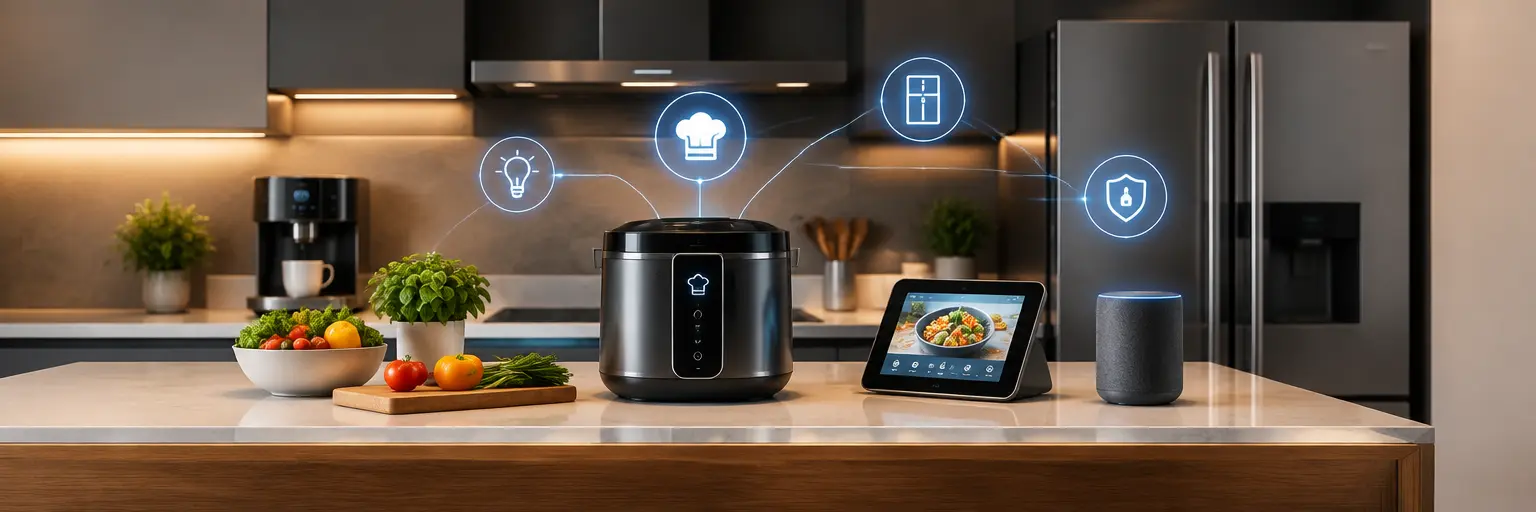
Transform your daily routine with cutting-edge smart kitchen devices that turn meal prep, cooking, and cleanup into effortless, time-saving experiences. These innovative gadgets—from voice-controlled assistants and app-integrated ovens to self-cleaning coffee makers and intelligent refrigerators—streamline tasks while maximizing precision and efficiency. Perfect for busy professionals, home cooks, and productivity enthusiasts, smart kitchen tech helps you cut cooking time by up to 40%, reduce food waste, and even automate grocery lists. Discover energy-saving features, remote monitoring via smartphone, and one-touch recipes that simplify complex dishes. Whether you’re sautéing with smart pans that adjust temperature or using AI-powered scales for perfect portions, these tools are designed to optimize every step. Embrace the future of cooking and reclaim precious hours each week—upgrade to a smarter, more efficient kitchen today and enjoy healthier meals with less hassle.
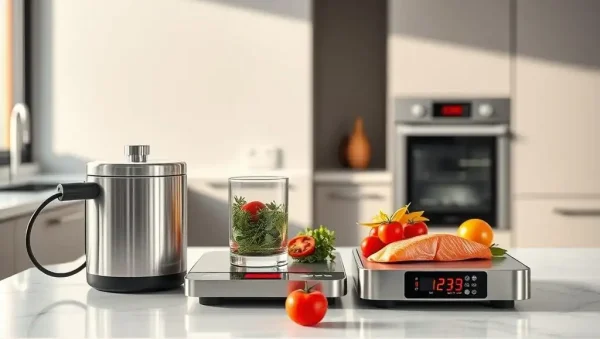
🤔 Tired of inconsistent cooking results? Discover the best kitchen gadgets for precision cooking, ensuring perfectly cooked meals every time. Save time…
Read article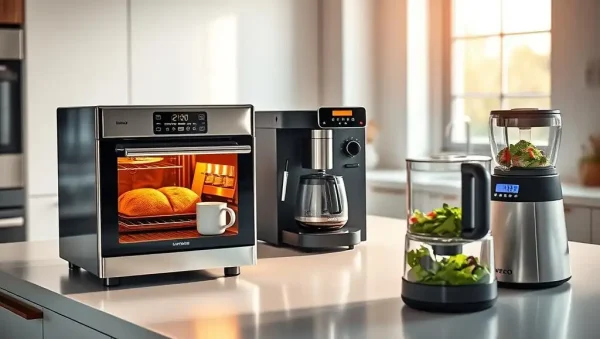
🤔 Transform your kitchen into a productivity powerhouse! Discover game-changing smart kitchen gadgets that save time and streamline meal prep, from automated…
Read article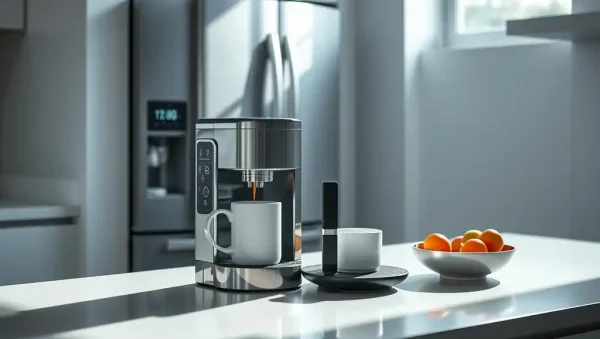
😊 Transform your kitchen into a time-saving haven! Discover smart kitchen gadgets that streamline meal prep, reduce cleanup, and boost efficiency, optimizing…
Read article
😊 Reclaim precious family time with smart kitchen devices! This article unveils cutting-edge technology streamlining meal prep, reducing kitchen chaos, and maximizing…
Read article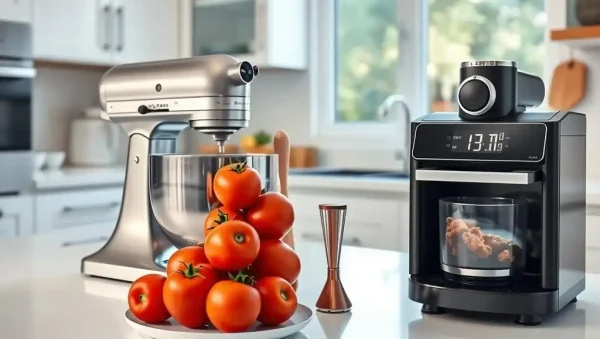
😊 Rediscover the joy of cooking with our top picks for best kitchen gadgets boosting efficiency! Streamline meal prep, reduce cooking time,…
Read articleWelcome to the Smart Kitchen Devices subcategory of Smart Home & Security here at UltimateLifeHacks. If you’re tired of burning dinner, forgetting to thaw ingredients, or wasting hours on meal prep, these connected gadgets are your shortcut to a faster, smoother, and more efficient kitchen. From Wi-Fi-enabled ovens that preheat themselves to smart scales that calculate macros in seconds, this guide focuses on practical life hacks that save time and reduce daily friction. Each device below isn’t just tech for tech’s sake—it’s a productivity tool designed to optimize your routine, minimize cleanup, and help you make smarter decisions about food, energy, and budget. Let’s dive into the gadgets that genuinely change how you cook, clean, and eat.
Smart ovens and air fryers have evolved from simple appliances to connected cooking assistants. Models like the June Oven or the Cosori Smart Air Fryer allow you to control temperature, timers, and even recipe steps from your smartphone. You can start preheating from the couch, get alerts when your chicken hits the perfect internal temperature, and rely on computer vision to identify food and suggest cook settings. This eliminates guesswork, prevents overcooking, and frees you to multitask on other life hacks—like answering emails or folding laundry—while dinner cooks itself.
For productivity-focused users, the biggest win is batch cooking optimization. Many smart air fryers sync with meal-planning apps, letting you send a recipe directly to the device. You can also schedule two-stage cooking: slow-cook first, then crisp up right before dinner. Cleanup is easier too—many have dishwasher-safe, non-stick baskets. By reducing active stove time by 30–50%, these devices turn a 45-minute dinner chore into a 5-minute prep task, directly aligning with our core mission of maximizing efficiency in your daily routine.
Precision is the secret to consistent, restaurant-quality meals at home. Smart kitchen scales (like the Drop Scale or Etekcity Smart Scale) connect to recipe apps that adjust ingredient amounts in real time. For example, if you’re making sourdough, the scale guides you to add flour until the weight matches the recipe, scaling automatically for 2 or 6 servings. This removes math errors and saves you from washing extra measuring cups. Meanwhile, smart meat thermometers (such as Meater or ThermoPro) use dual sensors and Bluetooth to monitor internal and ambient temperature, sending notifications when your steak reaches medium-rare—no more cutting into a roast to check.
These devices also boost calorie and macro tracking. Many scales sync with fitness apps, logging each ingredient's nutritional value automatically. This is a massive time-saver for anyone on a meal prep or weight-management plan. You’ll avoid the tedious mental math of portion sizes, and because the scale remembers past ingredients, repeating a recipe takes seconds. For families, these tools teach kids about measurement and cooking science, turning meal prep into a productive learning session. In short, precision here equals less food waste, better taste, and a more streamlined workflow.
Your morning routine sets the tone for the day. Wi-Fi-enabled coffee makers (like the Hamilton Beach Smart or Smarter Coffee) allow you to schedule a fresh pot just before your alarm rings. You can also adjust brew strength, temperature, and cup size from bed or while commuting, so your caffeine is ready the second you walk in. Smart kettles, like the Fellow Corvo or Xiaomi Mi Kettle, offer preset temperatures for tea types—green tea, black tea, pour-over—and will keep water hot for two hours without boiling dry. This saves electricity and time, and you’ll never reheat a cold mug again.
From a life-hack perspective, these gadgets integrate with alexa or google home to become part of your morning routine. Say “start coffee” and the pot brews while the kettle warms. You can even set a “wake-up” scene that turns on kitchen lights and starts boiling water simultaneously. For remote workers, a smart kettle can also remind you to hydrate with scheduled alerts. The real time-saving plunge comes from eliminating waiting: no boiling water for three minutes, no babysitting a pour-over—just consistent, hands-free mornings that give you back 10–15 extra minutes daily, which adds up to over 60 hours per year.
Cleaning up after cooking is often the biggest time drain. Smart dishwashers (like the Samsung SmartThings or LG QuadWash) feature sensors that detect soil levels and adjust water pressure, detergent dosage, and cycle duration automatically. You can start or monitor cycles via app, get notifications when the cycle ends, and even remotely stop if you forgot a dish inside. Some models have hybrid steam cleaning that handles baked-on grease without pre-rinsing—saving you 20 minutes per load. Smart sinks, such as those with touchless faucets, allow you to preset water temperature and a minute-based shutoff, reducing water waste and preventing accidental overflows.
These devices excel at predictive maintenance, alerting you about filter replacements or leaks before they become costly repairs. For productivity, schedule your dishwasher to run during off-peak energy hours, saving money and reducing grid strain. Pair with a smart garbage can that opens via sensor and compresses trash, cutting down smell and cleaning frequency. When your kitchen cleanup is largely automated, you reclaim that mental bandwidth for high-value tasks—whether it’s planning your week or relaxing. The cumulative effect is a healthier, more organized kitchen with significantly less physical effort.
The smart fridge is the command center of your kitchen. Models like the Samsung Family Hub or LG InstaView feature interior cameras, so you can peek at your stock from the grocery store via phone, preventing duplicate buys. They also include touchscreen dashboards for meal planning, shopping lists, and expiration date tracking using image recognition. For smaller budgets, pantry cameras (like the Amazon Dash Smart Shelf or Wyze Cam) attach to shelving and automatically detect when you run low on essentials—then add them to your shopping list or even reorder via an app. This reduces food waste (which averages $1,500 per household yearly) and cuts down on impromptu takeout runs.
For serious efficiency, smart fridges can suggest recipes based on what you have left, and some even sync with your smart oven to start preheating as you pull out a recipe. This integrates with our life-hack philosophy: failing to plan is planning to fail. With a camera-enabled fridge, you’ll spend 10 minutes planning meals on Sunday, then execute meals all week with zero last-minute stress. Additionally, energy-efficient models track power usage and adjust cooling cycles based on door frequency, lowering your electric bill. Ultimately, these devices transform your kitchen from a chaotic storage area into a proactive, time-saving hub of daily optimization.
Not at all. Most devices use a companion smartphone app with step-by-step guided setup, often just scanning a QR code and connecting to your home Wi-Fi. Within 5–10 minutes, you’ll have controls ready. For advanced features like voice control, you may need to link an account with Alexa or Google Assistant, but the apps provide visual prompts. Plus, many brands offer customer support and video tutorials; you don’t need coding skills, just basic smartphone familiarity.
Yes, especially for repetitive tasks. Smart ovens and air fryers cut active cooking time by 30–50%, while smart scales eliminate manual measurement errors and recipe scaling. Smart coffee makers and kettles save 10–15 minutes each morning. Over a week, these gains add up to 2–3 hours. However, time savings depend on your habits—use scheduled cooking and batch prep to maximize the benefit.
Most high-quality devices are compatible with Amazon Alexa, Google Assistant, or Apple HomeKit. Check the product specifications before buying—some use proprietary apps only. If you have a hub like SmartThings or HomeAssistant, look for devices that support Zigbee, Z-Wave, or Matter protocols for seamless integration. You can then create routines, like “start kettle” when your alarm rings.
If you struggle with food waste or frequently buy duplicates, yes. The interior cameras and inventory tracking can save $200–400 annually by reducing spoiled goods and unnecessary trips. However, if you’re a minimalist cook with a stable shopping list, a basic fridge plus a cheap pantry cam might be more cost-effective. Evaluate your specific pain points before investing.
Security depends on your network and device updates. Use strong, unique passwords for each app and enable two-factor authentication where available. Keep firmware auto-updates on, as manufacturers patch vulnerabilities. Avoid connecting critical devices to public Wi-Fi. For extra safety, place smart appliances on a separate guest network from your personal computers. Reputable brands invest in encryption, so the risk is low if you follow best practices.