Plugged In & Powering Down: Smart Plugs for Eliminating Energy Waste
🤔 Stop wasting energy and money! Smart plugs offer effortless control over your devices, automatically powering down electronics when not in use.…
Read article
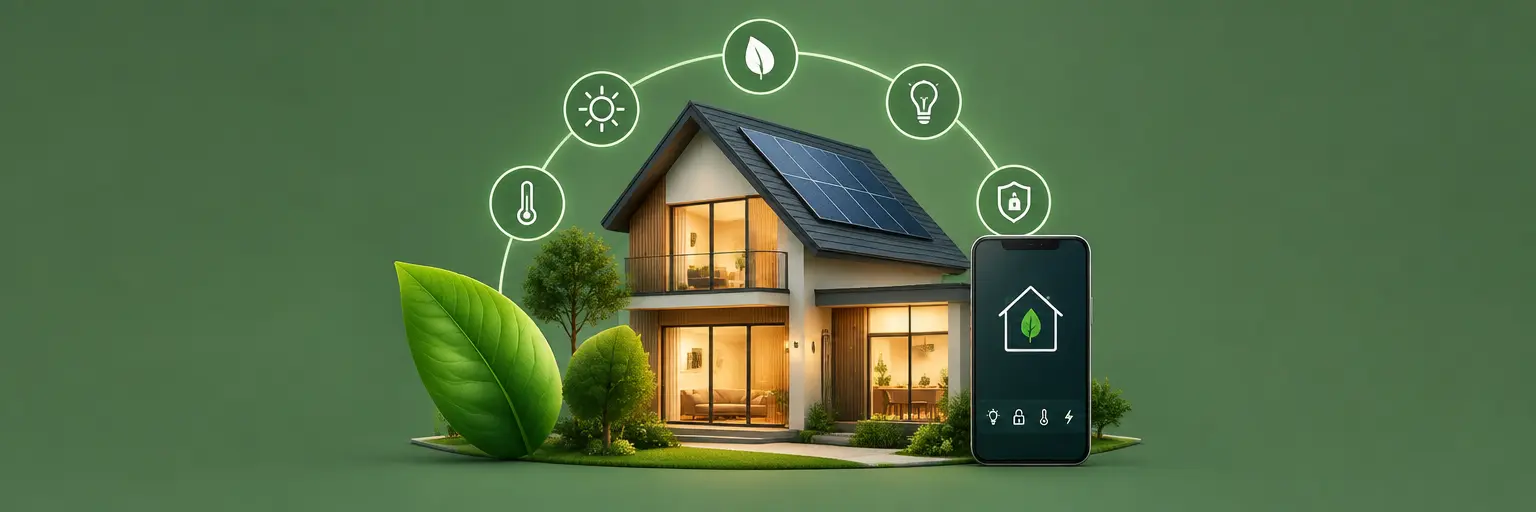
Turn your living space into a planet-friendly powerhouse with smart home tech that slashes energy waste and shrinks your carbon footprint—without sacrificing comfort. From smart thermostats that learn your schedule to automated lighting and energy-monitoring plugs, these innovative tools help you cut electricity bills, reduce standby power, and optimize heating and cooling in real time. Save money, boost convenience, and make a meaningful environmental impact—all from your smartphone or voice assistant. Discover the simplest, most effective life hacks to automate efficiency, track usage, and create a greener, smarter home today.
🤔 Stop wasting energy and money! Smart plugs offer effortless control over your devices, automatically powering down electronics when not in use.…
Read article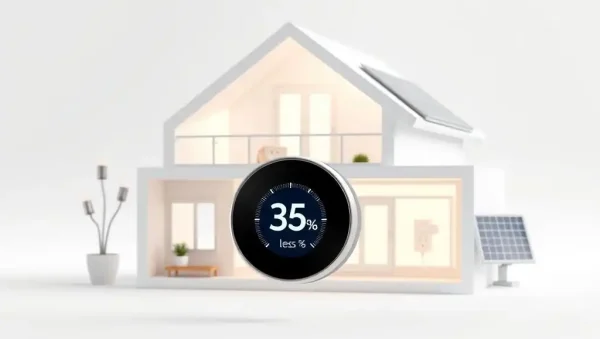
😊 Tired of sky-high energy bills? Discover how smart home energy saving devices can slash your costs and boost efficiency. This article…
Read articleWelcome to the Energy-Efficient Smart Home subcategory, part of our Smart Home & Security hub at UltimateLifeHacks. Here, we blend practical life hacks with cutting-edge technology to help you slash energy bills, lower your environmental impact, and streamline daily routines. From smart thermostats to intelligent lighting, this guide shows how smart tech transforms your living space into a carbon-reducing powerhouse—without sacrificing comfort. You’ll discover actionable tips, product insights, and behavioral tweaks that make sustainability effortless and impactful.
Smart thermostats learn your schedule, adjust heating and cooling automatically, and slash up to 15% on HVAC energy use—the single largest household energy drain. With geofencing, they know when you’re away, setting back temperatures to save energy, then pre-warm or pre-cool before you return. This subcategory explains how to choose a model with occupancy sensors, energy reports, and integration with your existing HVAC system. Pro tip: pair with eco-mode routines to double savings.
Expect step-by-step setup guides, programming strategies, and real-world examples of how families cut their carbon footprint by 10–20% within months. We also compare popular models like Nest, Ecobee, and Honeywell, focusing on ease of use, rebates, and compatibility with solar panels or battery storage. Whether you rent or own, you’ll find practical hacks to optimize every degree without feeling cold or hot—just smarter comfort.
Lighting accounts for roughly 10–15% of home electricity, but smart bulbs with motion sensors and scheduling can cut that by 50–70%. This section dives into LED smart bulbs, smart switches, and adaptive daylight harvesting—where lights automatically adjust based on natural sunlight. You’ll learn how to set “away” schedules, use voice commands to turn off forgotten lights, and create scenes that dim during movie nights for ambiance and savings. Smart plugs for lamps add extra flexibility.
We cover the difference between Zigbee, Z-Wave, and Wi-Fi ecosystems, plus retrofitting tips for older fixtures. Discover how to use energy monitoring features to see exactly which bulbs consume the most, then hack your habits accordingly. From holiday lighting timers to outdoor security lights with solar panels, this subcategory ensures every lumen is purposeful. Expect budget-friendly options that pay back within months, not years.
Phantom or standby power—energy used by devices when “off”—accounts for up to 10% of household electricity. Smart plugs with energy metering let you cut these loads remotely, schedule outlet shut-offs, and track usage in real time. This section shows how to identify energy-hogging electronics like TVs, game consoles, and chargers, then automate them to power down completely during sleep or work hours. Advanced power strips can even detect a master device (like a PC) and cut power to peripherals.
You’ll find hacks for setting “vacation mode” to kill all non-essential outlets, and using smart plugs to support load shifting—running dishwashers or dryers during off-peak hours when electricity is cheaper and greener. We explain compatibility with Amazon Alexa, Google Home, and Apple HomeKit, plus safety tips for high-wattage appliances. With these tools, reducing your carbon footprint becomes a set-and-forget routine that saves money every single day.
You can’t manage what you don’t measure. Whole-home energy monitors like Sense or Emporia Vue use CT clamps to track real-time consumption per circuit or appliance. This subcategory teaches you how to install them safely, interpret dashboard data, and identify “energy vampires” you never suspected. Alerts notify you when usage spikes—like a forgotten heater or a slowly dying fridge compressor. Over time, you’ll build a precise carbon map of your daily routine.
Expect guides on combining monitors with smart thermostat and plug data to create automated rules: e.g., if a room is empty for 30 minutes, shut off its lights and HVAC vents. We also explore utility-integrated apps that show time-of-use rates, helping you shift activities to solar peak hours if you have panels. These insights transform vague eco-goals into measurable milestones, making your home a lab for efficiency—satisfying for numbers nerds and planet lovers alike.
Water heating is the second-largest energy expense in homes. Smart water heater controllers, timers, and recirculation pumps reduce heat loss and align heating with your actual usage. This section covers tankless smart heaters, hybrid heat pump models, and simple WiFi-enabled timers that turn off the heater at night. Pair with smart laundry to run loads during off-peak hours, and use smart dryer sensors to stop cycles when clothes are dry—saving both energy and fabric wear.
You’ll learn to program dishwasher, pool pump, and EV charger schedules for optimal efficiency. We also discuss gray water recycling hacks and low-flow smart showerheads that track time and temperature, encouraging shorter showers. With these strategies, you reduce not just electricity but also water waste and gas usage—multiplying your carbon reduction. Expect maintenance tips to extend device life and ensure your smart investments keep performing for years.
Yes, significantly. Studies show that a typical home can cut energy use by 10–20% using smart thermostats, lighting, and plugs. When combined with monitoring and scheduling, that translates to hundreds of kilograms of CO2 avoided annually. The exact reduction depends on your habits, but every automated off-switch removes wasted energy.
Initial costs range from $20 for smart plugs to $250 for premium thermostats. However, payback periods are often 6–18 months via lower utility bills. Many utilities offer rebates of $50–$100 for smart thermostats and energy monitors, accelerating ROI. Over a device’s 5–10 year lifespan, savings far exceed costs.
Absolutely. Focus on non-invasive options like smart plugs, LED bulbs, and portable energy monitors that don’t require wiring changes. For thermostats, ask your landlord—many allow programmable models. Use schedules and manual timers to mimic smart behavior without permanent installation.
Many modern devices work standalone via Wi-Fi or Bluetooth, though hubs like Zigbee improve reliability. For privacy, choose local-processing devices (e.g., Home Assistant) and disable cloud features. Always read permissions and use strong passwords to protect your home’s data.
Begin with one smart plug and one smart bulb, then track your usage for a week. Once you see data, add a thermostat or monitor. Automate one routine at a time—like afternoon lights-off—and gradually expand. This incremental approach makes sustainability easy and builds lasting habits.