Beyond the Basics: Advanced Tips for Immersive Home Theater Audio
😊 Elevate your movie nights! This immersive home theater setup guide reveals advanced audio techniques beyond the basics, maximizing your system's potential…
Read article
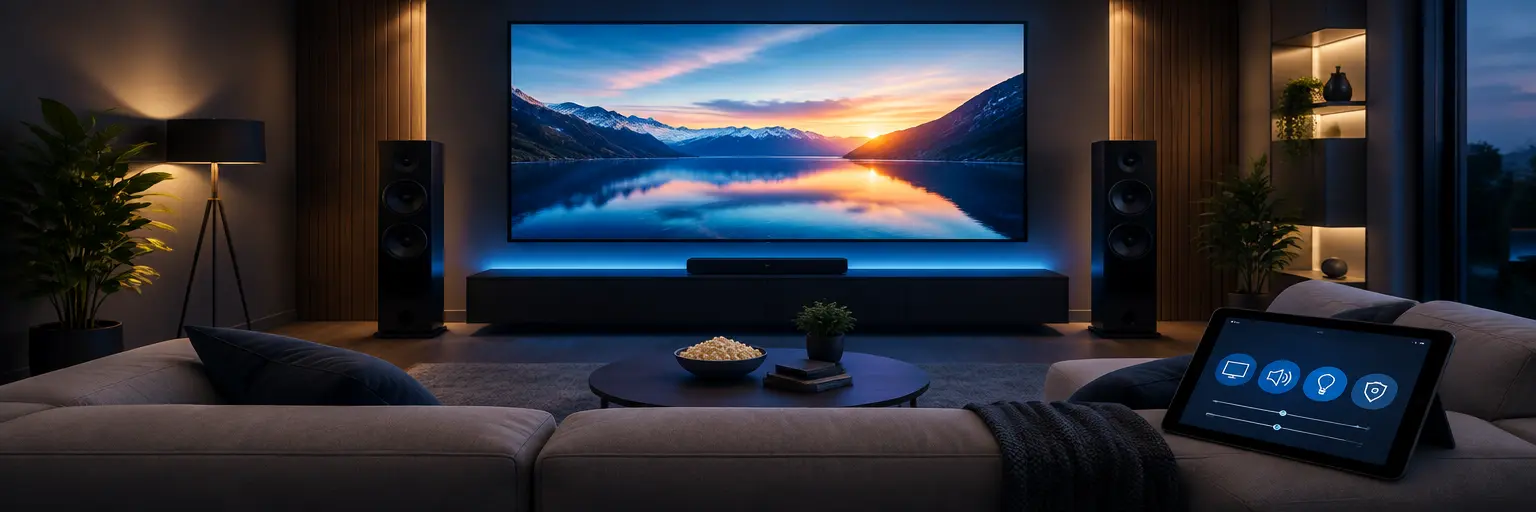
Transform your living room into a cinematic escape with smart home entertainment—where voice commands, automated lighting, and immersive sound merge to recreate the ultimate theater experience. From 4K projectors and AI-driven soundbars to adaptive ambient lighting that dims with a single phrase, these hacks cut setup time and boost every movie night’s wow-factor. Discover how to sync devices, hide cables, and use smart remotes to control everything instantly—turning casual viewing into a polished, productivity-friendly ritual that saves you effort and elevates relaxation. Whether you’re a tech novice or a seasoned enthusiast, these practical tips help you optimize your space for maximal immersion without the clutter or complexity.
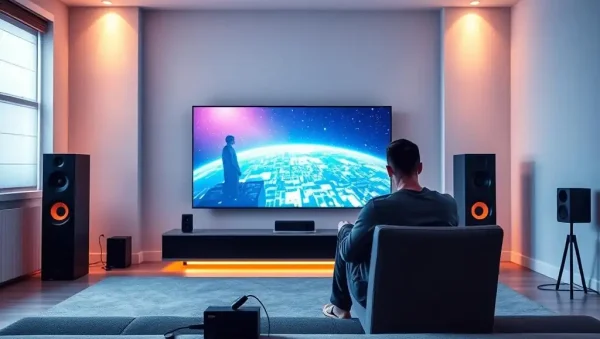
😊 Elevate your movie nights! This immersive home theater setup guide reveals advanced audio techniques beyond the basics, maximizing your system's potential…
Read article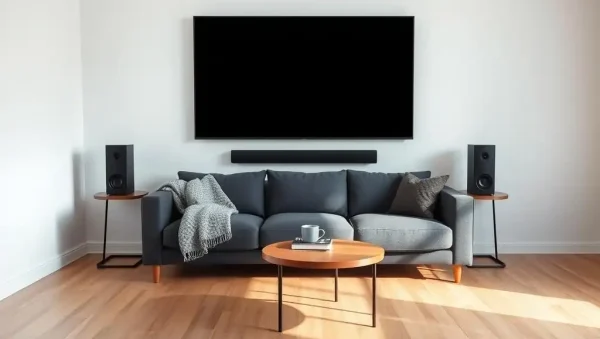
😊 Create your dream home theater without breaking the bank! This cheap home theater setup guide provides practical, time-saving tips and tricks…
Read articleTransform your living space into a cinematic retreat with smart home entertainment solutions that blend convenience, immersion, and efficiency. From AI-powered projectors to voice-controlled lighting, this guide covers the essential building blocks for a theater experience that saves time and elevates everyday relaxation. Discover practical hacks to optimize your setup, reduce clutter, and automate the entire viewing experience—all while boosting your home’s productivity and comfort.
Your ultimate home theater starts with choosing the right display and audio gear. A 4K laser projector or a large OLED screen forms the visual backbone, while a Dolby Atmos soundbar or wireless surround speakers simulate cinematic depth. Prioritize devices with smart connectivity—like HDMI ARC or Wi-Fi—to integrate seamlessly with your existing smart home hub.
For maximum efficiency, consider motorized screens that hide when not in use and acoustic panels that double as wall art. Pair these with a smart receiver that automatically calibrates sound based on room size. This setup not only enhances your movie nights but also declutters your space, as fewer cables and manual adjustments mean less daily upkeep and more time for entertainment.
Lighting is the unsung hero of home theaters. Smart LED strips behind the screen or ceiling cove lights can mimic ambient daylight or shift to deep blue for night scenes. Use voice commands or an app to set “movie mode,” which dims lights, closes smart blinds, and adjusts brightness to reduce eye strain—all in seconds.
This automation saves you from fiddling with multiple switches mid-film, a classic time-waster. Integrate motion sensors so lights fade automatically when the film starts and slowly brighten when the credits roll, creating a seamless transition. Such hacks optimize your routine by making the environment respond intelligently, letting you focus purely on the experience rather than manual controls.
Unify your theater with a single voice assistant—Amazon Alexa, Google Assistant, or Apple Siri—to control volume, inputs, and streaming apps without hunting for remotes. A smart remote like the SofaBaton or a universal IR blaster can consolidate multiple devices into one interface, saving precious minutes each day.
Beyond basic commands, set up routines: saying “movie night” could power on the projector, launch Netflix, dim lights, and lower the screen. This kind of automation is a productivity life hack for families, as it eliminates repetitive setup steps. You also gain remote access via phone apps, letting you pre-adjust the system before arriving home—perfect for spontaneous gatherings or planned viewing sessions.
Maximize your content experience by using smart TV apps or a streaming stick with AI-driven recommendations. Tools like Plex or Jellyfin can centralize your personal media library, while smart algorithms learn your preferences to suggest hidden gems. Use voice search to find titles quickly, bypassing endless scrolling—a major time-saver.
For productivity, schedule downloads during off-peak hours using smart plugs or app settings, ensuring smooth playback without buffering. Additionally, set up parental controls via your smart home hub to limit screen time, aligning with daily routines. This curation turns your theater into a personalized hub, reducing decision fatigue and improving overall satisfaction with every viewing.
Poor acoustics can ruin even the best speakers. Integrate smart acoustic panels with built-in microphones that auto-adjust EQ based on ambient noise. For ventilation, use smart fans or climate sensors to maintain optimal temperature, preventing overheating of electronics and ensuring comfort during long sessions.
This facet is often overlooked but crucial for efficiency. Smart thermostats can sync with your theater mode, lowering cooling costs during hot summers while keeping the room cozy. Acoustic tuning also improves dialogue clarity, meaning you won’t rewind scenes—a subtle productivity win. These upgrades turn your space into a high-performance environment without adding daily maintenance chores.
Save hours of frustration with pre-planned cable routing. Use cord covers, under-floor channels, or in-wall HDMI cables rated for smart home use. Label every connection and integrate a smart power strip with surge protection that turns off idle devices, cutting phantom energy drain—a smart money-saving hack.
For wireless setups, invest in a mesh Wi-Fi system to avoid dead zones, ensuring smooth 4K streaming. Consider a ceiling mount for projectors with auto-alignment features to eliminate manual tweaking. These installation choices streamline your setup, making future upgrades simpler and reducing repair time. Ultimately, a tidy, well-wired theater boosts your home’s value and reduces daily stress from tangled cords.
Choose a projector for a true cinematic feel with sizes up to 120 inches, ideal for dark rooms. A large TV (75+ inches) suits brighter spaces and offers higher contrast. For smart home efficiency, projectors with motorized screens save space, while TVs are lower maintenance. Consider room lighting and viewing distance.
Yes, most smart hubs like Samsung SmartThings or HomeKit allow integration. You can set rules: when the security alarm arms at night, the theater system shuts down and lights switch to low. This enhances safety and energy efficiency, as no device stays on unnecessarily. Always check compatibility before purchasing.
Begin with a smart plug (around $15) to control your TV and soundbar, and a voice assistant like an Echo Dot ($30) for basics. Use a streaming stick (like Roku Express) for smart apps. Gradually add LED light strips and a universal remote. This low-cost approach delivers high impact without breaking the bank.
Enable “Audio Sync” or “Lip Sync” in your soundbar or receiver settings. Ensure your HDMI cable is high-speed (18 Gbps) and supports eARC. Disable any “Game Mode” on the TV unless needed. If the issue persists, use a Wi-Fi audio transmitter with low latency. Regular firmware updates also fix sync bugs.
Smart devices can actually lower costs if used wisely. Smart power strips cut phantom drain, and scheduling minimizes idle time. Voice-controlled routines ensure devices turn off automatically. For example, setting a “goodnight” scene powers down all entertainment gear. Over a year, you can save 10-20% on entertainment-related energy use.