Start Saving Now: Essential Smart Home Upgrades for Energy Efficiency
🤔 Slash energy bills and boost your home's efficiency with smart home energy-saving upgrades. This article reveals essential, practical upgrades to optimize…
Read article
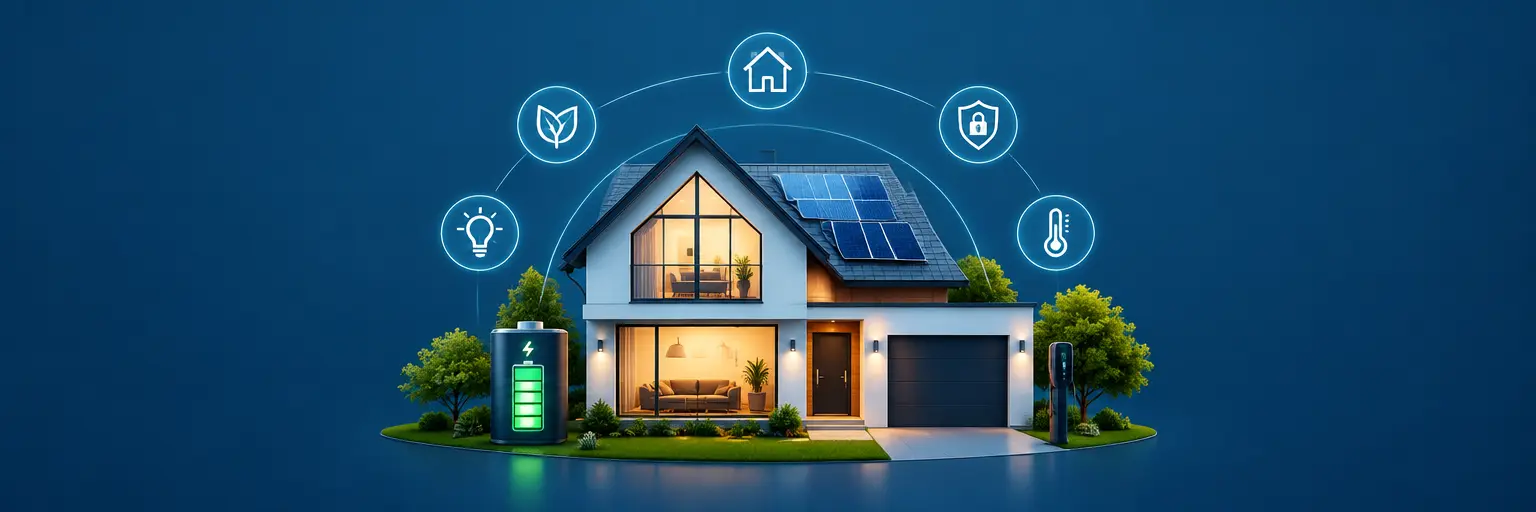
Transform your living space into a smart, energy-saving haven with our practical guides on the Energy-Efficient Smart Home. Discover how to cut utility bills while boosting convenience through automated lighting, intelligent thermostats, and smart appliances that learn your habits. We break down complex tech into simple, actionable hacks—from scheduling devices to monitoring real-time consumption—so you can save time, money, and energy effortlessly. Whether you’re a tech novice or a gadget guru, these tips help you optimize daily routines and reduce your carbon footprint without sacrificing comfort. Unlock the secrets to a smarter, greener lifestyle today.
🤔 Slash energy bills and boost your home's efficiency with smart home energy-saving upgrades. This article reveals essential, practical upgrades to optimize…
Read article
😊 Tired of sky-high energy bills? Discover smart home energy saving tips that dramatically reduce consumption. This article reveals simple, effective tech…
Read article
🤔 Smart blinds' upfront cost is higher, but their energy efficiency, programmed scheduling, and reduced need for manual adjustments significantly contribute to…
Read article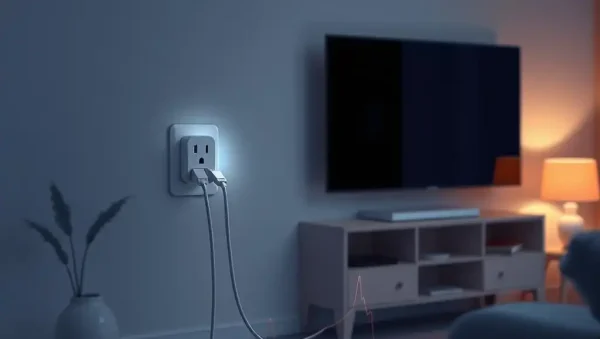
🤔 Suspect your appliances are secretly draining energy? Smart plugs save energy costs by cutting phantom loads. Discover how these simple devices…
Read article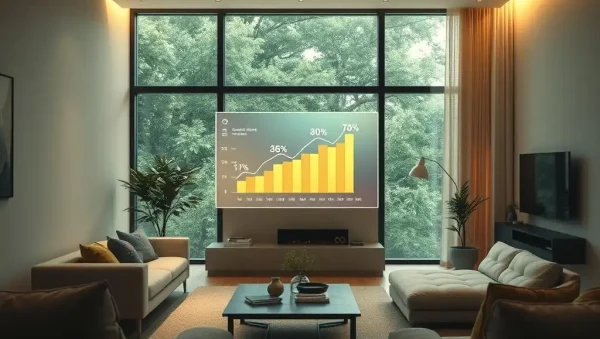
😊 Unlock your home's energy-saving potential! Discover practical smart home energy saving tips to slash bills and boost efficiency, optimizing your daily…
Read article
😊 Maximize your home's energy efficiency and save money with smart blinds! These automated window treatments intelligently adjust to optimize natural light,…
Read articleWelcome to the Energy-Efficient Smart Home subcategory at UltimateLifeHacks, where practical life hacks meet modern technology to slash your utility bills and reduce your carbon footprint. Here, we blend productivity principles with intelligent automation, showing you how to turn your house into a self-regulating, eco-friendly haven. From smart thermostats that learn your schedule to lighting systems that dim when you forget, these hacks focus on effortless efficiency—saving you time, money, and energy without sacrificing comfort. Discover how to sync your daily routines with smart devices for maximum impact, all while keeping your lifestyle simple and streamlined.
A smart thermostat is arguably the highest-ROI investment for an energy-efficient home. Unlike traditional models, these devices learn your daily patterns—when you wake, leave for work, and return—then automatically adjust heating and cooling to avoid wasted energy. For example, the Nest Learning Thermostat or ecobee can cut heating and cooling costs by 10–15% annually, according to ENERGY STAR. Pair it with motion sensors in each room to further fine-tune zones, ensuring you never heat an empty living room. This hands-off approach means you optimize energy use without constantly fiddling with settings, aligning perfectly with UltimateLifeHacks’ productivity focus: set it once, save forever.
Beyond basic scheduling, modern smart thermostats offer geofencing, which uses your smartphone’s location to switch to eco-mode when you’re more than a few miles away. You can also integrate them with weather forecasts to preemptively adjust temperatures before a cold front hits, preventing overuse of your HVAC system. Remote access via apps lets you tweak settings from anywhere—say, turn off the heat if you forgot to before a weekend trip. These features not only reduce energy waste but also extend your equipment’s lifespan, cutting maintenance costs. For a daily routine hack, set a recurring weekly check-in to review your energy reports, then tweak one habit at a time for continuous improvement.
Lighting accounts for about 15% of an average home’s electricity use, but smart LEDs and plugs can trim that dramatically. Smart bulbs like Philips Hue or LIFX use up to 80% less energy than incandescent bulbs, plus they’re dimmable and color-tunable to match your mood. More importantly, motion sensors and schedules ensure lights turn off automatically when no one’s in a room—a classic life hack for forgetful households. Smart plugs take it further by completely cutting power to devices in standby mode, which are responsible for 5–10% of residential electricity—think TVs, gaming consoles, and chargers that draw energy 24/7 even when idle.
To maximize efficiency, group your smart plugs into “vampire power” zones: entertainment setups, home offices, and kitchen appliances. Then, use an app or voice assistant (Alexa, Google Home) to create routines like “Goodnight” that turns off all non-essential devices at once. For productivity, schedule your coffee maker to turn on just before you wake, then off after 30 minutes—no more forgotten appliances. Also, consider smart power strips with individual outlet controls, letting you keep your Wi-Fi router on while cutting power to less critical peripherals. This granular control is a powerful time-saver because you no longer need to unplug devices manually; automation handles the forgetting for you.
Pairing your smart home with solar panels and battery storage is the ultimate energy-efficiency hack for those ready to invest. Modern solar inverters are Wi-Fi enabled, letting you monitor production in real-time via smartphone apps. Smart batteries, like the Tesla Powerwall or LG Chem RESU, store excess solar energy during the day for use at peak evening rates, effectively time-shifting your energy consumption. Even without full solar, you can use smart meters to track which appliances consume most and shift heavy usage (laundry, dishwashing) to off-peak hours when electricity is cheaper—a simple behavioral hack that aligns with productivity principles of batch processing.
For renters or those not ready for solar, consider smart window coverings—motorized shades that automatically close during the hottest part of the day to reduce cooling load. Or install smart vents that open and close to balance airflow, directing conditioned air only to occupied rooms. These smaller integrations, when combined, create a synergistic effect: your thermostat, lighting, and plugs all talk to each other via hubs like SmartThings or Apple HomeKit. The result is a home that actively manages its own energy profile, freeing you to focus on more important tasks. Begin with one device, track your savings, then expand strategically based on your energy audit data.
You can’t improve what you don’t measure. Smart home energy monitors, such as Sense or Emporia Vue, attach to your electrical panel and provide real-time, per-circuit usage data via an app. This insight reveals which devices are “energy hogs”—for instance, an older refrigerator using 3x more electricity than a newer model. Armed with this data, you can make targeted hacks: replace the worst offender, or program your water heater to turn off during peak hours. Many monitors also offer alerts for anomalies, like a sump pump running too long, helping you catch issues early and avoid costly repairs—a productivity win in preventive maintenance.
Beyond hardware, analytics help you establish baseline consumption and track the impact of each new smart device. For example, after installing a smart thermostat, you can compare weekly usage before and after, proving the ROI in real terms. Use the insights to create “energy challenges” for your household—like reducing standby power by 10% in 30 days—which gamifies efficiency and builds lasting habits. Sync this data with your calendar to plan high-energy tasks during off-peak tariffs, saving money automatically. Remember, the goal isn’t just to buy tech but to use its data to refine your daily routines, embedding energy efficiency into your lifestyle as effortlessly as a morning alarm.
The true power of an energy-efficient smart home lies in automation routines that combine multiple devices into seamless actions. For example, a “Away Mode” routine can simultaneously lower your thermostat, turn off all lights, cut power to non-essential plugs, and close smart blinds—all triggered by your smartphone’s geofence leaving the house. Similarly, a “Wake Up” routine can gradually raise lights, start your smart kettle, and adjust the thermostat to your preferred morning temperature, all without lifting a finger. These integrations save you minutes daily, which adds up to hours weekly—perfectly aligned with UltimateLifeHacks’ productivity ethos.
To build effective routines, start by mapping your daily habits: when you cook, work, relax, and sleep. Then, assign devices to each block—e.g., during “Dinner Time,” dim the kitchen lights, set the thermostat lower, and turn on a smart exhaust fan after cooking. Use IFTTT or native platform automations (SmartThings, Google Home) to link devices from different brands. For advanced users, consider voice macros with Alexa or Google Assistant to trigger multi-step sequences like “Movie Night” that dims lights, lowers shades, and sets the temperature to 68°F. Test each routine for a week, adjust timings, and always keep a manual override. This thoughtful orchestration turns your home into a passive efficiency machine, giving you back precious time and cutting waste.
Yes, but expect a gradual win. On average, smart thermostats save 10–15% on heating/cooling, while smart plugs cut phantom loads by 5–10% of total electricity. Combined with LED lighting and monitoring, you can reduce overall energy costs by 15–25% within the first year. The key is consistent use and white-glove tuning of routines.
Not necessarily. Many devices work standalone via Wi-Fi and their own apps. However, a hub (e.g., SmartThings, HomeKit) enables cross-device automation, which is where big savings come from—like geofencing that turns off everything at once. Start with Wi-Fi devices, then add a hub as your setup grows.
Start with a smart plug on your TV and entertainment center to kill standby power. This costs under $15 and shows immediate savings on your electricity monitor. Simultaneously, install LED bulbs with motion sensors in high-traffic areas like hallways and bathrooms—these require no app setup and save energy instantly.
Absolutely. Most modern smart devices support Amazon Alexa, Google Assistant, or Apple Siri. You can create voice commands like “Alexa, set house to eco-mode” to trigger multiple actions. Just ensure devices are compatible by checking product specs for “Works with” badges before purchasing to avoid integration headaches.
Check your energy monitoring app weekly for the first month to spot anomalies and adjust routines. After that, a monthly review is enough to track trends and seasonal changes. Setting a recurring calendar event helps you stay consistent, turning data analysis into a disciplined habit that optimizes savings over time.