Stop Wasting Food: Smart Fridge Features That Save You Money
🤔 Tired of tossing out spoiled groceries? Smart fridge food waste reduction features, highlighted in this article, offer practical solutions to save…
Read article
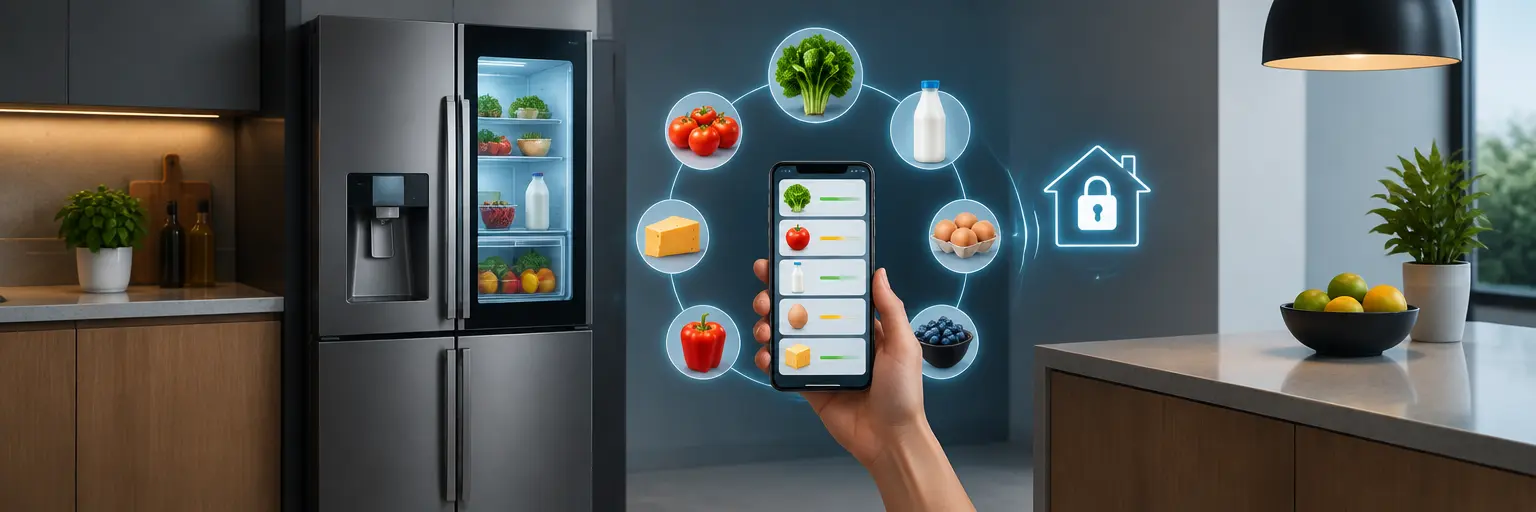
Transform your kitchen into a command center with smart refrigerators and cutting-edge inventory management—the ultimate life hack for saving time, slashing food waste, and streamlining your daily routine. These intelligent appliances do more than chill; they track expiration dates, suggest recipes based on what you have, and even auto-generate shopping lists that sync straight to your phone. Imagine never again discovering a wilted veggie buried at the back, or running out of milk mid-morning—smart fridges with internal cameras and AI-powered sensors let you peek inside remotely while at the grocery store, ensuring you buy only what’s needed. Pair this with automated inventory apps that scan receipts and barcodes, and you’ve unlocked a seamless system that cuts grocery costs by up to 30% and frees mental energy for what truly matters. Whether you’re a busy parent, a meal-prep enthusiast, or a tech-forward homeowner, integrating these devices into your smart home ecosystem elevates efficiency, reduces clutter, and makes every minute in the kitchen count. Embrace the future of food management today—because smarter storage means better living, one perfectly stocked shelf at a time.
🤔 Tired of tossing out spoiled groceries? Smart fridge food waste reduction features, highlighted in this article, offer practical solutions to save…
Read article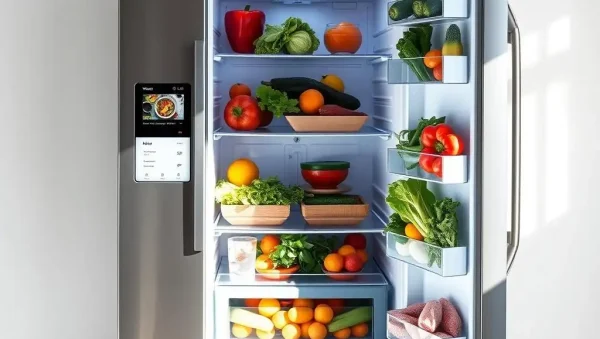
😊 Streamline your week with smart fridge meal prep tips! Smart refrigerators offer innovative features for effortless grocery management, recipe suggestions, and…
Read article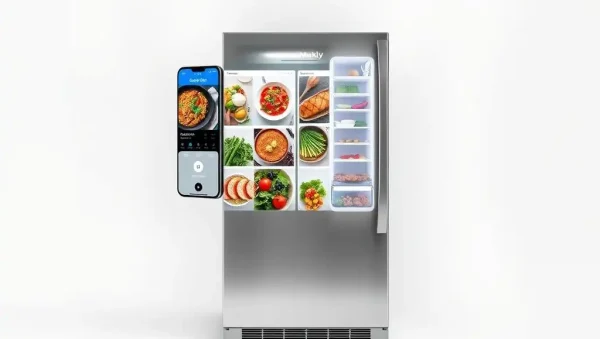
😊 Stop wasting food and time! Smart fridge meal planning tips, featured in this article, show you how smart refrigerators revolutionize grocery…
Read articleWelcome to the future of food management! This subcategory, part of our Smart Home & Security hub at UltimateLifeHacks, dives into how smart refrigerators and inventory apps can slash food waste, cut grocery costs, and reclaim your meal-prep time. We’ll show you practical, hack-driven ways to turn your kitchen into an efficiency powerhouse—no tech degree required. Expect actionable tips, real-world comparisons, and productivity-focused advice you can implement today.
Smart refrigerators go beyond cooling—they act as your kitchen’s central hub. With built-in cameras, touchscreens, and Wi-Fi connectivity, you can check contents remotely, receive expiration alerts, and even auto-generate shopping lists. For busy families or meal-preppers, this means fewer “forgotten leftovers” and fewer emergency store runs. The real life hack? Using these features to plan meals based on what you already own, cutting both time and money.
From a productivity standpoint, smart fridges integrate with voice assistants like Alexa to add items to your list hands-free. You can also sync with recipe apps that suggest meals based on available ingredients. Our guide highlights the top models for different budgets, plus hidden settings that reduce energy use. Whether you’re upgrading or just curious, these devices turn passive storage into active problem-solving.
Even without a new fridge, dedicated inventory management apps—like Paprika or Out of Milk—can transform your workflow. These tools let you log items, set expiry dates, and receive push notifications before food spoils. The hack? Use barcode scanning to add products in seconds, and share lists with household members to avoid duplicate purchases. This simple habit can reduce food waste by up to 40%, a huge win for both your budget and the planet.
For ultimate efficiency, pair a smart fridge with an inventory app for automatic syncing. Many apps also feature meal planning modules, which suggest recipes based on expiring items. We break down the best free and paid options, comparing UI, privacy, and smart-home compatibility. You’ll learn to build a digital pantry that updates in real time—making your morning coffee and dinner prep smoother than ever.
One of the most underrated life hacks is the auto-generated shopping list. Smart refrigerators and inventory apps can track consumption patterns and generate lists that group items by store aisle. This cuts shopping time by 20–30%, as you’re no longer wandering aimlessly. Moreover, some systems suggest cheaper alternatives or flag when you’re about to overbuy a frequently wasted product. This is efficiency at its finest.
We also cover how to integrate these lists with delivery services like Instacart or Amazon Fresh for one-click ordering. For budget-conscious readers, we explain how to set price alerts and compare unit costs across brands—all from your phone. The outcome? Fewer impulse purchases, less spoilage, and a streamlined weekly routine. Say goodbye to the “what’s for dinner?” panic and hello to a fully stocked, organized kitchen.
Beyond the fridge itself, IoT sensors (like FridgeCam add-ons) can monitor temperature, humidity, and even gas levels to signal food freshness. These small, hack-friendly devices send alerts when your fridge runs inefficiently or when a door is left ajar. More advanced models track the ripeness of produce, helping you move items to the fridge at the perfect time. This tech ensures your ingredients last longer and taste better.
We explain which sensors are worth the cost and how to install them in under 10 minutes. Plus, we share DIY hacks—like using smart plugs to control mini-fridges or wine coolers—to extend your storage capacity. For the data-driven, we show how to log temperature trends to maximize energy savings. These sensors turn passive storage into an active preservation system, reducing waste and enhancing your culinary results.
Your smart fridge shouldn’t live in isolation. Integrating it with your existing smart home—like Google Home, SmartThings, or HomeKit—unlocks powerful automations. For example, when a door opens, your kitchen light turns on; when the fridge detects low milk, your home speaker reminds you. These cross-device workflows are the core of next-level life hacks, automating repetitive tasks so you can focus on cooking and enjoying meals.
We provide step-by-step setup guides for popular ecosystems, including troubleshooting common connectivity issues. You’ll also learn how to create “if-then” routines that notify you if the fridge temperature rises—a critical safeguard for food safety. For advanced users, we touch on using IFTTT (If This Then That) to connect your inventory app to email or SMS alerts. The result is a cohesive, responsive kitchen that works as hard as you do.
Let’s face it—smart refrigerators are pricier than standard models. But our analysis shows they can pay for themselves through reduced waste, lower energy bills, and fewer takeout orders. A mid-range smart fridge (around $1,500–$2,500) often saves $300–$500 annually via smarter grocery choices. We break down the math, comparing long-term savings against upfront costs, and highlight budget alternatives like add-on cameras for existing fridges.
We also discuss hidden costs like Wi-Fi modem upgrades and subscription services. For those on a tight budget, we recommend the most cost-effective inventory apps and DIY sensor hacks that mimic premium features. Our verdict? Smart fridges are a worthwhile investment for tech-savvy families, but budget-conscious readers can achieve 80% of the benefits with apps and sensors. This balanced view helps you make an informed, practical choice.
Yes, most smart functions rely on Wi-Fi for remote viewing and updates. A stable 2.4GHz or 5GHz network is ideal. If your router is far, consider using a mesh Wi-Fi system or a range extender. Without connection, the fridge still works as a normal refrigerator, but you lose app features and alerts.
Absolutely! Apps like Out of Milk or Bring! work standalone. You manually log items and set expiry dates. To enhance, use barcode scanners or voice input via your phone. This provides 80% of the smart fridge experience at zero hardware cost.
Not necessarily. Most smart fridges are ENERGY STAR certified and use efficient compressors. The added Wi-Fi and camera power draw is minimal—typically under 5 watts. In fact, temperature monitoring can help you optimize settings, potentially lowering energy usage compared to older models.
Use strong, unique passwords for your fridge’s app and enable two-factor authentication if available. Regularly update firmware to patch vulnerabilities. Avoid connecting the fridge to public Wi-Fi, and review app permissions to limit data sharing. Most major brands encrypt data in transit.
Yes! Many apps allow you to filter recipes by dietary restrictions (vegan, keto, gluten-free) based on your stock. Some fridges with AI, like Samsung’s Family Hub, suggest meal ideas aligned with your preferences and health goals. This makes sticking to a diet easier than ever.