Home Security Showdown: Comparing Top Professional Providers
🤔 Overwhelmed by home security options? Our expert "Best home security system comparison" cuts through the noise, helping you choose the perfect…
Read article
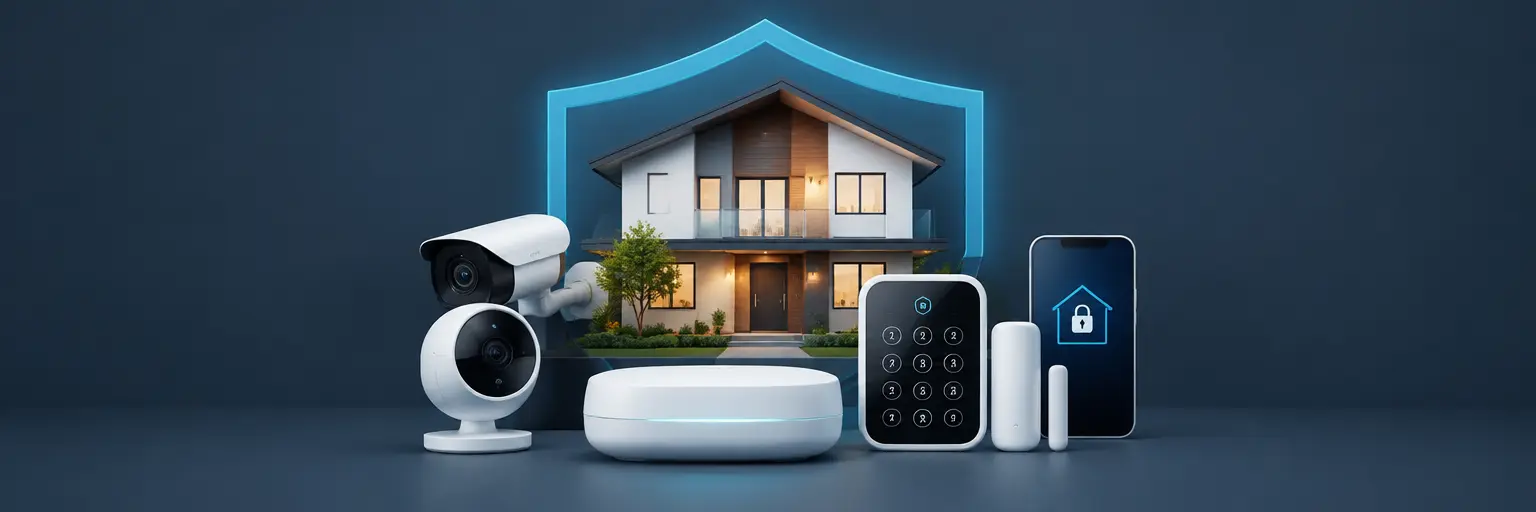
Discover the best smart home security systems through in-depth, unbiased reviews that help you safeguard your family and property with confidence. Whether you’re a tech enthusiast or a busy homeowner seeking peace of mind, our expert evaluations break down professional-grade equipment, from video doorbells and motion sensors to 24/7 monitoring services. We compare installation ease, response times, video quality, and subscription value so you can ditch guesswork and choose a system that fits your lifestyle and budget. Save time and stay ahead of threats with actionable insights, real-world testing, and practical tips—because a smarter home means a safer, more efficient daily routine. Skip the hype and get the clarity you need to upgrade your security without wasted effort.
🤔 Overwhelmed by home security options? Our expert "Best home security system comparison" cuts through the noise, helping you choose the perfect…
Read article
😊 Upgrade your home security with advanced, professional systems. This article explores cutting-edge solutions that save you time and boost peace of…
Read article
😊 Reclaim your peace of mind! Discover the best home security systems 2024, offering reliable protection and effortless monitoring, maximizing your safety…
Read articleWelcome to our in-depth guide on professional home security system reviews, part of the Smart Home & Security category here at UltimateLifeHacks. We know your time is precious, so we’ve distilled the noise into clear, actionable insights. Whether you’re a first-time buyer or upgrading an aging setup, our reviews focus on real-world performance, ease of use, and value—helping you automate safety without wasting hours. Below, you’ll find breakdowns of top systems, key features, and smart installation tips to optimize your daily routine and peace of mind.
Choosing between ADT, Vivint, and SimpliSafe often comes down to your lifestyle. ADT offers 24/7 professional monitoring with a long-standing reputation, ideal for those who want zero DIY involvement. Vivint excels in smart home integration, with sleek equipment and app control that feels futuristic. SimpliSafe is the budget-friendly champion, offering contract-free flexibility and easy self-installation—perfect for renters or minimalists. In our reviews, we compare installation times, monthly costs, and emergency response accuracy. For busy households, we recommend testing the mobile apps first, as user experience often decides long-term satisfaction.
Each system has trade-offs: ADT’s contracts can feel restrictive, Vivint’s equipment is pricier upfront, and SimpliSafe’s sensors lack some advanced motion detection. We’ve also tested cellular backup reliability during power outages—a critical factor. By reading our side-by-side comparisons, you’ll avoid common pitfalls like hidden fees or underperforming cameras. Remember, the best system is one that fits your daily routine, not just the sticker price.
Modern security systems aren’t just alarms—they’re productivity tools. Look for features like geofencing, which automatically arms or disarms your system when you leave or return, eliminating manual steps. Voice control via Alexa or Google Assistant lets you check camera feeds while cooking or packing. Smart locks with temporary codes mean you never worry about lost keys or service visits. Our reviews highlight which brands sync seamlessly with existing smart hubs—saving you setup headaches. We also test automation routines, like porch lights turning on when a camera detects motion, reducing energy waste and adding convenience.
But not all features are equal. Some systems charge extra for cloud storage or advanced AI person detection. Our professional reviews break down which upgrades are worth the monthly fee. For instance, package detection is a game-changer for online shoppers, but only Vivint and newer Ring models offer it reliably. We also advise on privacy settings, ensuring your data isn’t shared unnecessarily. By focusing on time-saving automations, you’ll turn security from a chore into a seamless background service.
Time is your most valuable asset, and installation choice impacts it directly. Professional setup, offered by ADT and Vivint, takes 2–4 hours and costs $99–$199, but guarantees perfect placement and no troubleshooting. DIY systems like SimpliSafe can be installed in under 30 minutes with peel-and-stick sensors—ideal for immediate peace of mind. Our reviews include step-by-step tips to speed up DIY, like mapping your home’s entry points before unboxing. For renters, DIY avoids drilling and deposit damage, a huge productivity win. However, pro setup often includes a free home assessment, catching blind spots you might miss.
We’ve measured real-world setup times across brands, including app pairing and sensor calibration. Pro installs shine for multi-story homes or those with heavy smart device ecosystems. DIY wins for single apartments or tech-savvy users who value flexibility. One hack: schedule pro install during a work call—you don’t need to be hands-on, just present. Also, check if your system offers wireless sensors with extended battery life, which reduces maintenance. Our goal is to help you choose a path that minimizes disruption to your week.
Sticker prices are deceptive. A $200 system can cost $600 over three years with mandatory monitoring plans. Our professional reviews include a detailed cost breakdown: equipment, monthly fees, activation, and early termination penalties. We highlight which brands offer transparent pricing—SimpliSafe and Ring lead here—versus those with sneaky add-ons like camera storage. For budget-conscious users, consider systems with no-contract monitoring you can pause seasonally. Also, check if your homeowner’s insurance offers discounts (often 5–20%) for monitored systems, offsetting monthly costs. We calculate the break-even point for each brand, helping you decide based on your expected ownership length.
Value also includes customer support response times and warranty coverage. Our tests show ADT has the best phone support, but SimpliSafe’s chat is faster for quick fixes. Watch out for “lifetime warranty” traps—many only cover parts, not labor. We also discuss resale value: smart home equipment rarely transfers, so factor that if you move often. By reading our cost analysis, you’ll avoid overspending on features you never use and prioritize investments that improve daily efficiency, like battery backup and mobile alerts.
Not every sensor is essential. For most homes, we recommend starting with door/window sensors, a motion detector, and one indoor camera. Our reviews show that ADT’s door sensors are the most durable, while SimpliSafe’s motion sensors have fewer false alarms from pets. For outdoor coverage, look for cameras with 1080p resolution, night vision, and two-way audio—useful for talking to delivery drivers. We test field of view and lag time because slow alerts waste your time. Also consider battery life: wireless cameras with 6-month batteries reduce recharging chores. Smart doorbells are a bonus, but ensure they integrate with your chosen system to avoid separate apps.
We’ve ranked the best combinations based on room count and lifestyle. For families with teenagers, indoor cameras near common areas reduce arguments. For frequent travelers, glass-break detectors and flood sensors add vital protection. Our reviews include practical placement tips, like positioning cameras at eye level avoids shadows. And don’t forget environmental sensors—smoke and CO detection can be life-saving, but many systems charge per sensor. We reveal which kits cover these upfront, saving you research time. UltimateLifeHacks prioritizes setups that function flawlessly with minimal fuss.
Most professional monitoring plans range from $20 to $50 per month. ADT and Vivint charge higher fees (around $45–$50) for 24/7 service, while SimpliSafe offers flexible plans starting at $20. Features like mobile alerts, cloud storage, and smart home integration often bump up the price. Always read the fine print for multi-year contracts and activation fees before committing.
Yes, many brands like SimpliSafe, Ring, and Abode offer DIY installation with professional monitoring add-ons. These systems use wireless sensors and adhesive mounts, so no drilling is needed—perfect for renters. However, brands like ADT and Vivint require professional installation for warranty coverage and optimal sensor placement. DIY generally saves you $99–$199 in setup fees.
Most modern systems offer native integrations. ADT and Vivint both support Alexa voice commands for arming/disarming and viewing camera feeds. SimpliSafe works with both Alexa and Google Assistant, but requires a separate smart home bridge for full functionality. Check compatibility before purchasing, as some brands only support one ecosystem, limiting cross-automation.
Typical sensor batteries last 1 to 3 years, depending on usage and brand. Door/window sensors usually last longer (3 years) than motion detectors (1–2 years). Cameras onboard batteries need recharging every 1–6 months. Most systems send low-battery alerts via app, but we recommend setting a yearly calendar reminder to test and replace batteries proactively to avoid downtime.
Yes, modern wireless systems are very reliable, using cellular or Wi-Fi links with battery backups. They are less vulnerable to cut wires but can suffer from Wi-Fi interference. For maximum uptime, choose systems with cellular backup (e.g., ADT, Vivint). Wired systems are still favored in large estates, but for most homes, wireless offers easier installation and flexibility without sacrificing security.